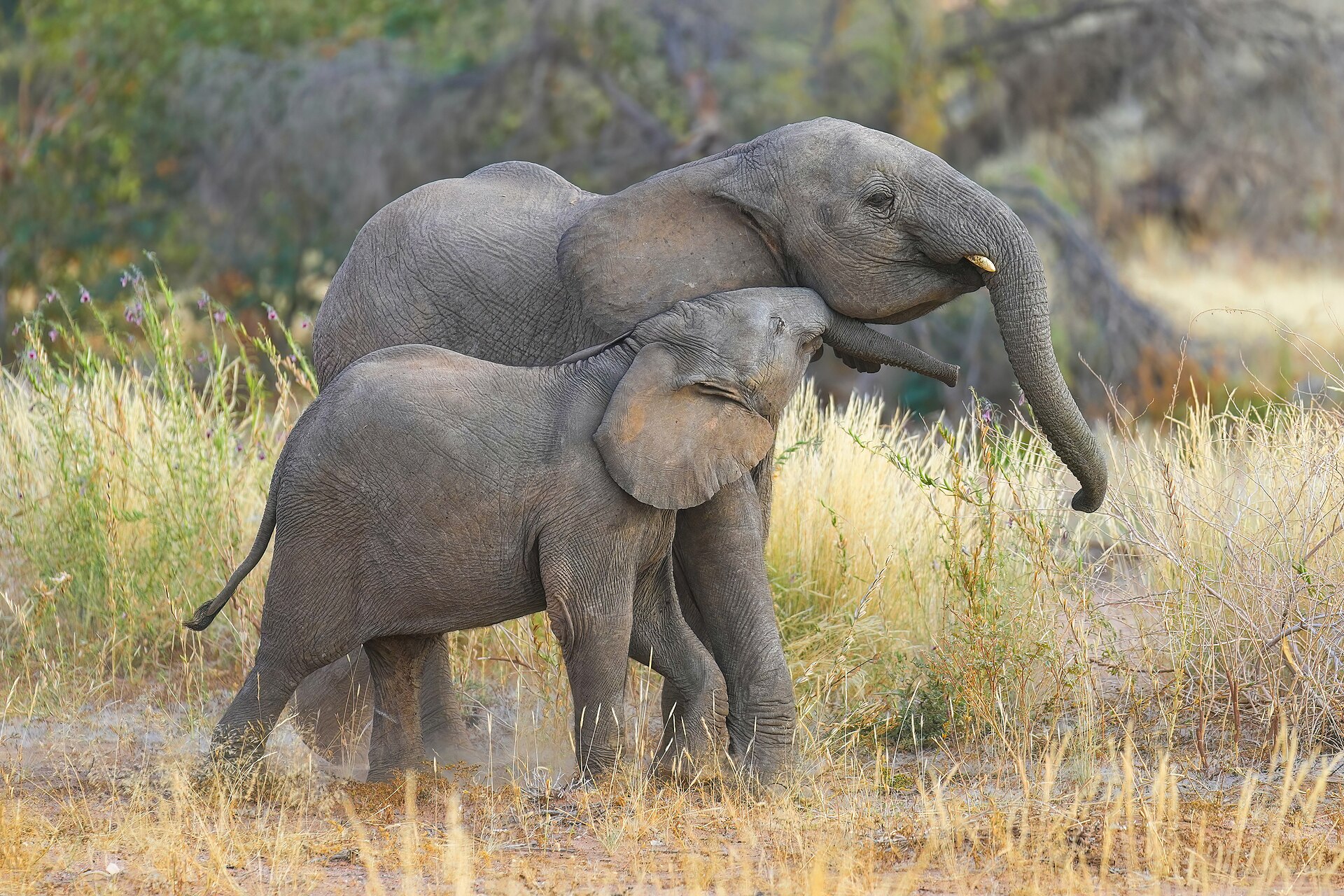
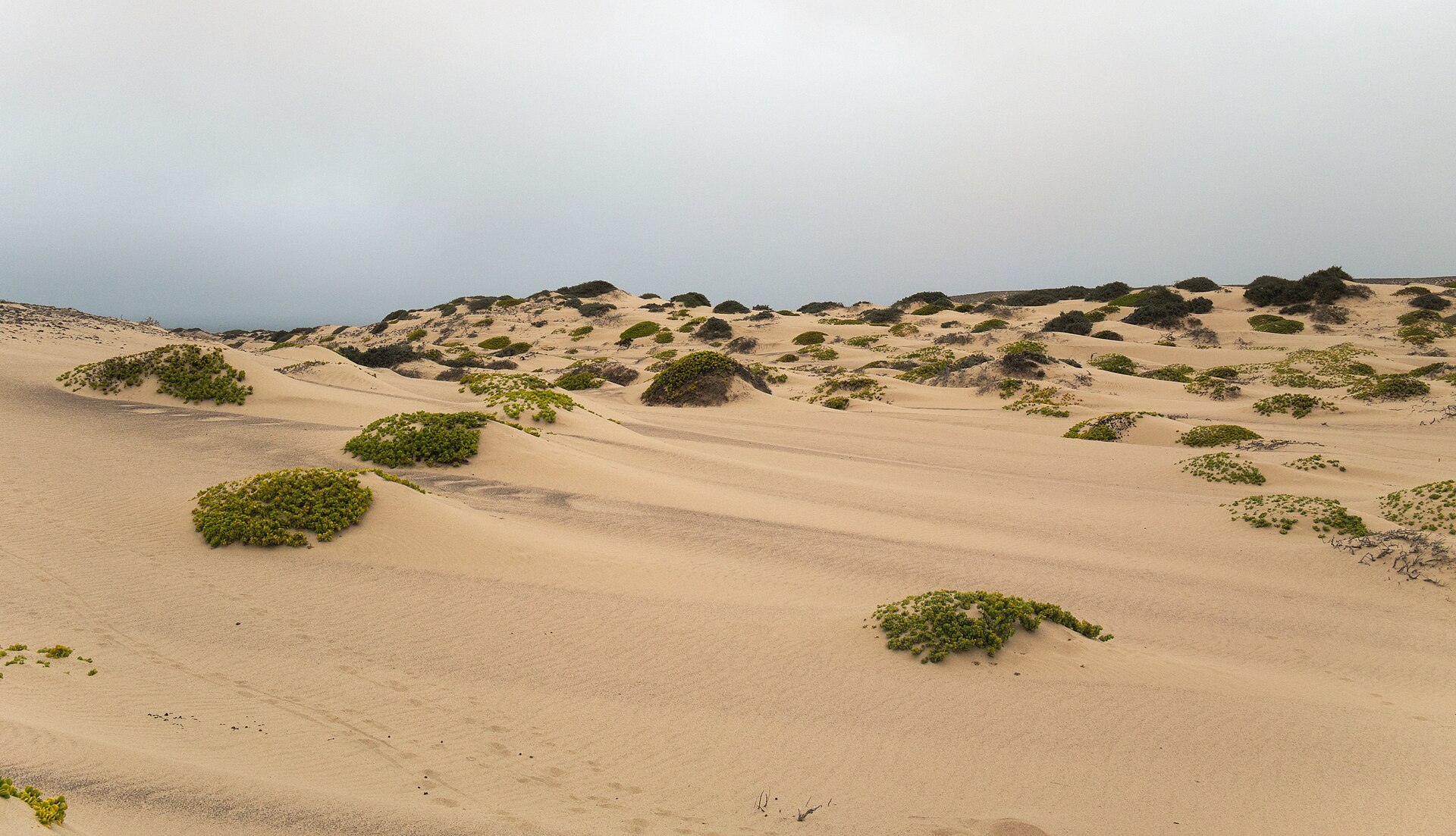
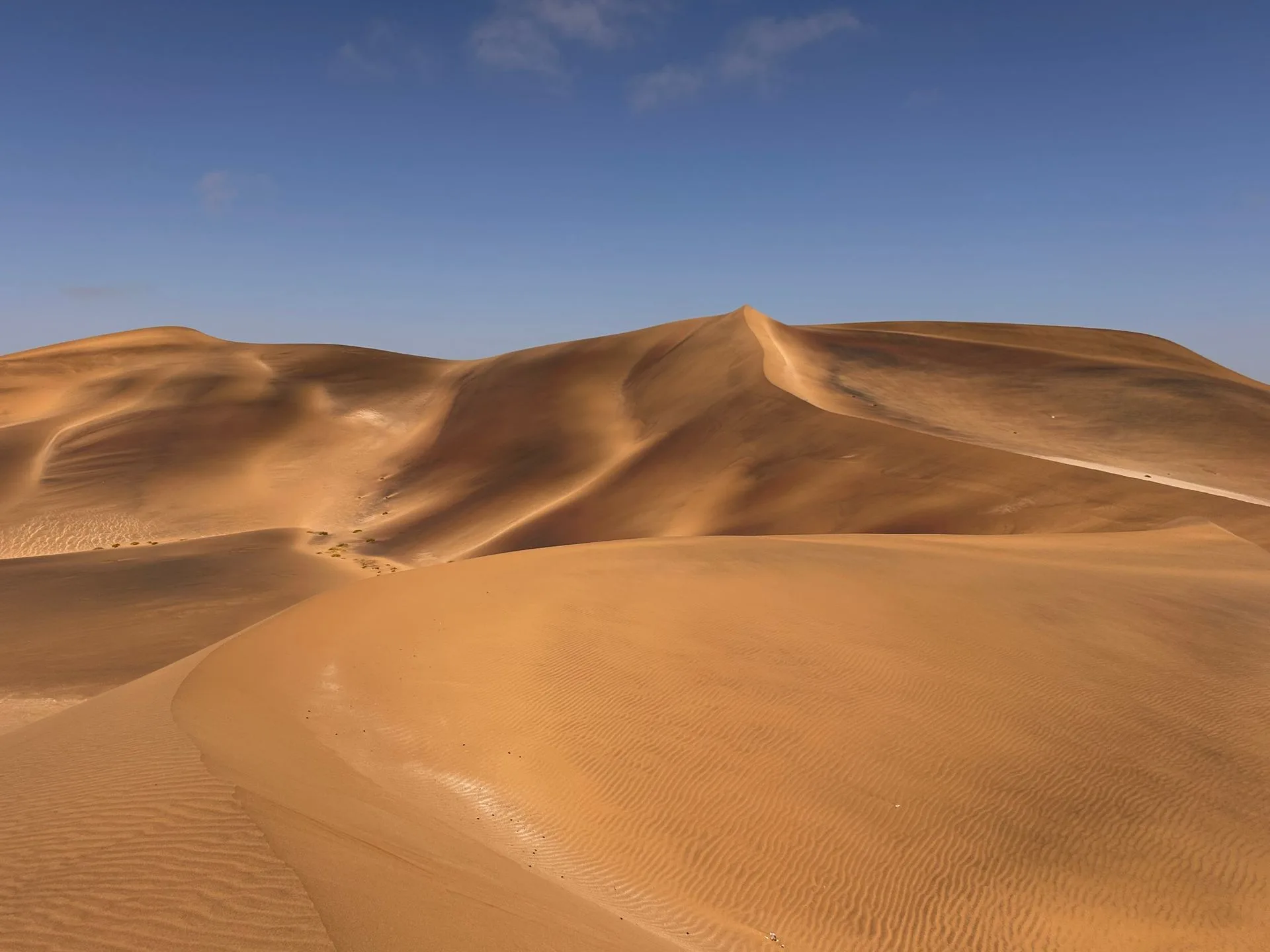
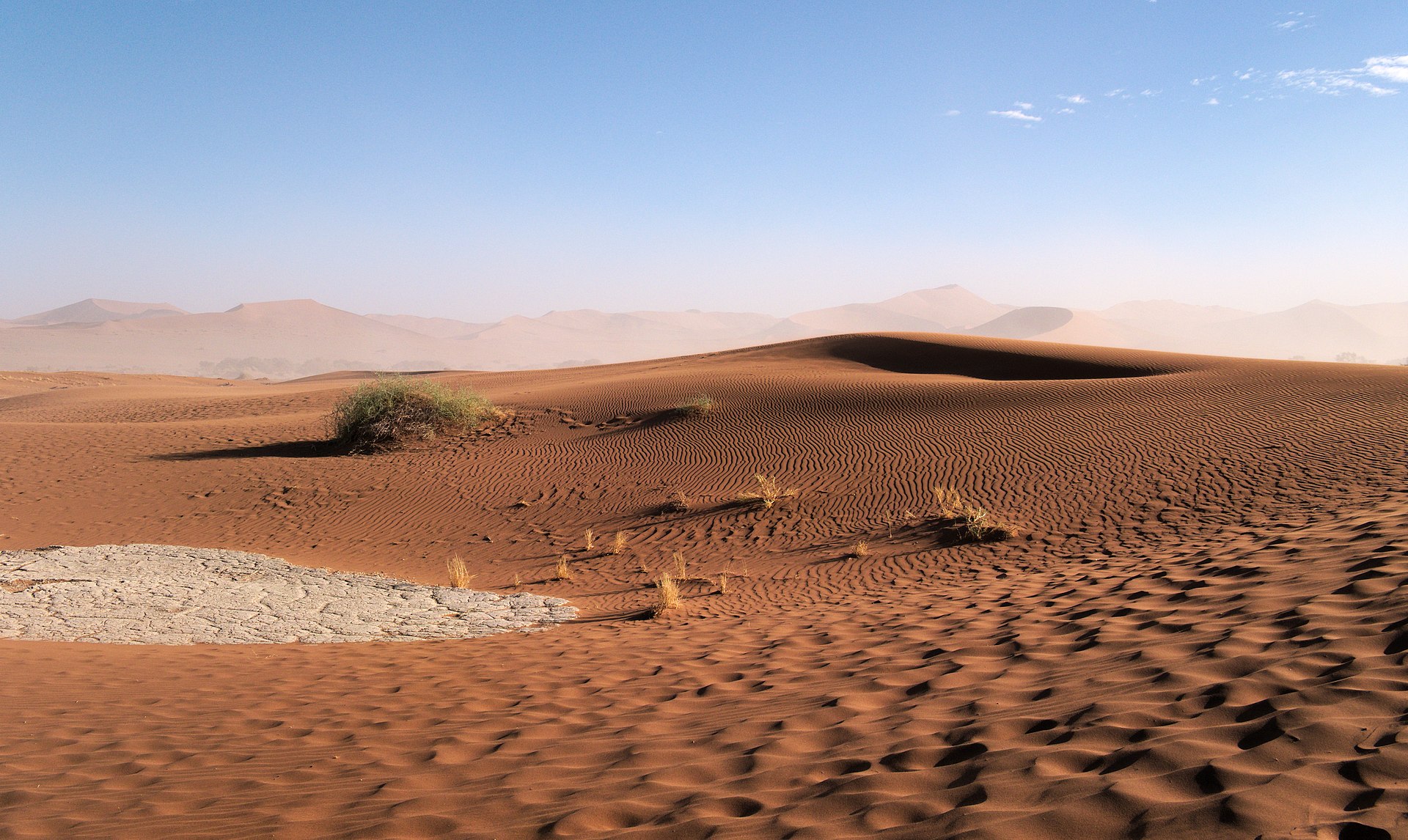
Etosha National Park is built around one of Africa's most striking natural features — the Etosha Pan, a vast silvery-white salt flat so large it's visible from space. Surrounding this ghostly expanse is a ring of savanna, mopane woodland, and dolomite springs that support an extraordinary concentration of wildlife.
Etosha's unique selling point is its waterhole game viewing. The main rest camps — Okaukuejo, Halali, and Namutoni — each sit beside floodlit waterholes where visitors can watch wildlife come to drink throughout the night. Sitting in the darkness as a parade of elephants, rhinos, lions, and hyenas materialise from the blackness is one of Africa's most magical wildlife experiences.
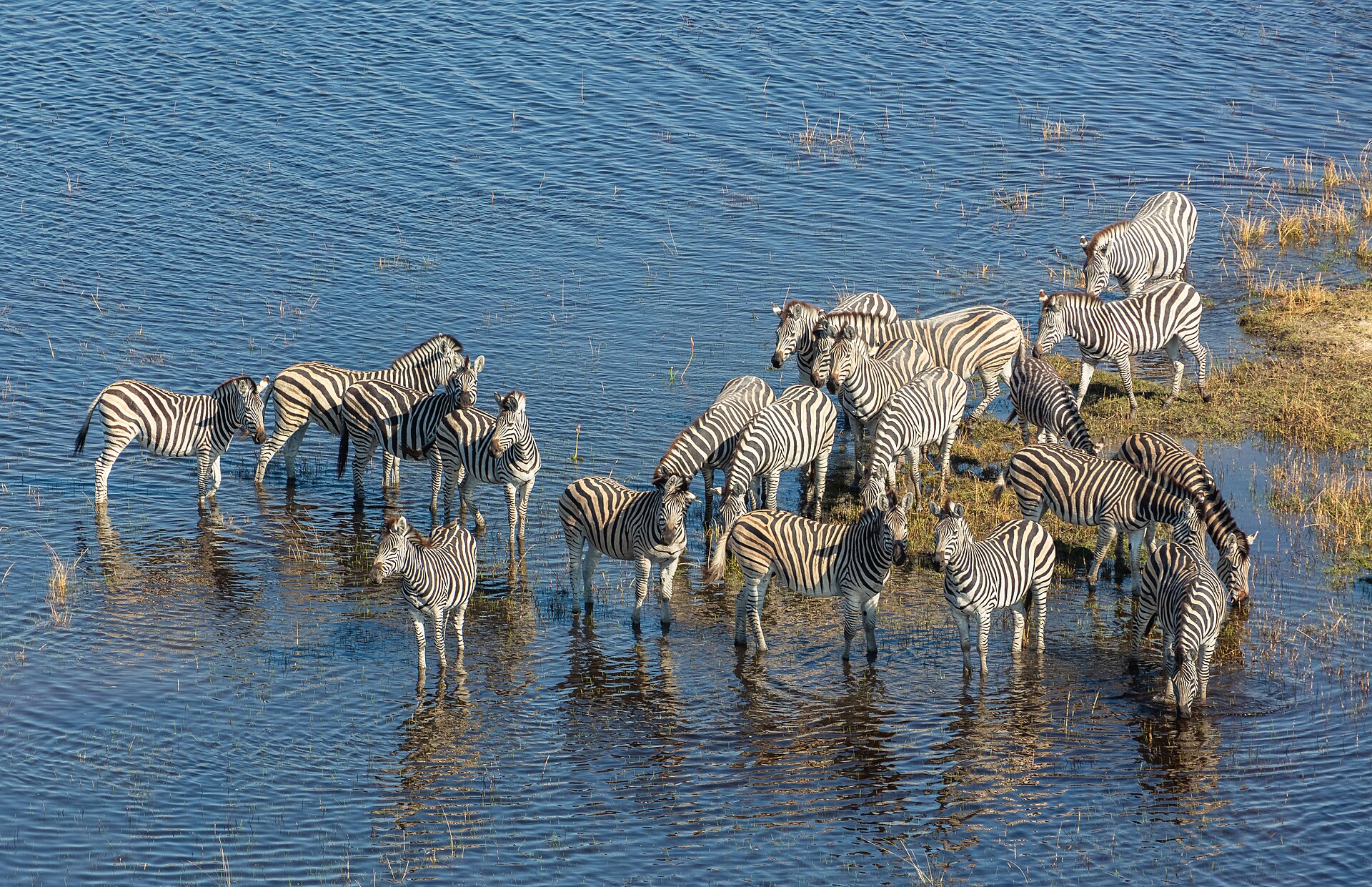
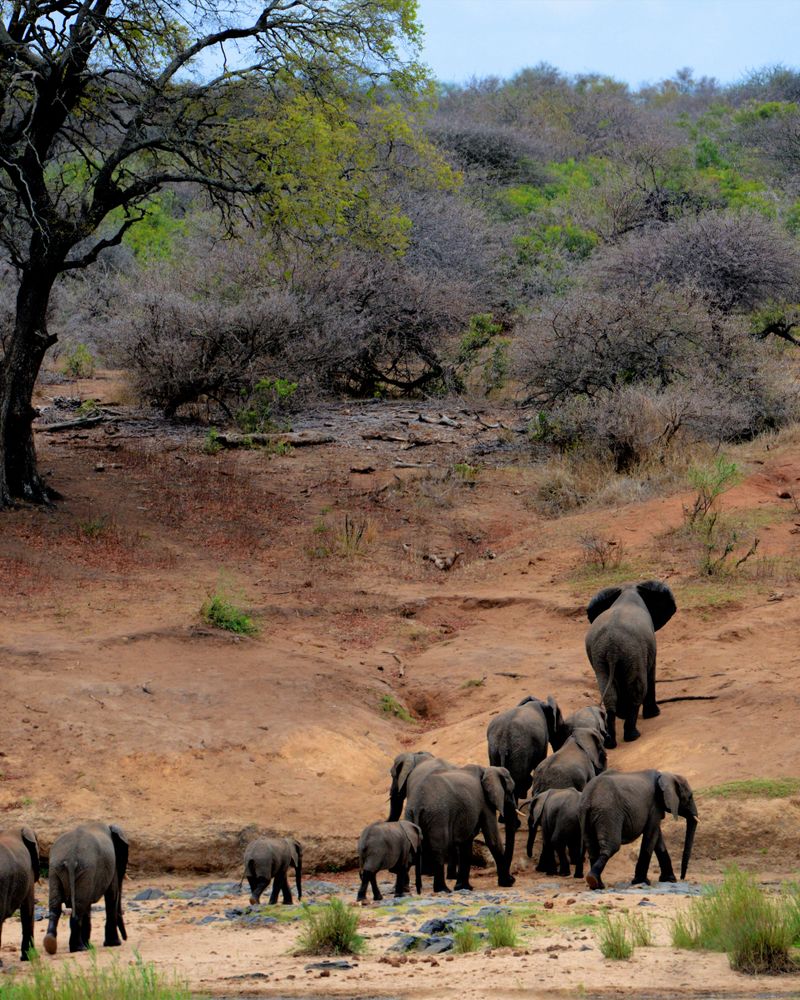
By day, Etosha delivers excellent self-drive safari with well-signed gravel roads connecting dozens of waterholes. The park protects both black and white rhinoceros in good numbers, along with lion, leopard, elephant, giraffe, zebra, springbok, gemsbok, and the endemic black-faced impala found nowhere else in the world.
Everything you need to know before booking your Etosha National Park safari — from the ideal season to budget expectations and logistics.
May to October for dry season when animals congregate at waterholes. August to October is peak season with massive concentrations. The pan fills with water from December to April, attracting flamingos. June-July are cold but excellent for game.
Park fees $8/adult/day (Namibia is very affordable). NWR rest camps from $50-200/night for chalets, $15-30/night camping. Luxury lodges outside the park $300-1,500/night. Self-drive is the norm — 4x4 helpful but not essential on main tourist roads.
May to October for dry season when animals congregate at waterholes. August to October is peak season with massive concentrations. The pan fills with water from December to April, attracting flamingos. June-July are cold but excellent for game.
4-5 hours from Windhoek to the southern (Anderson/Von Lindequist) gate. The park has three main rest camps: Okaukuejo (west), Halali (central), Namutoni (east). Internal roads are gravel but well-maintained.
Etosha National Park is known for incredible wildlife viewing. Top experiences include: Floodlit waterhole night viewing, Self-drive safari excellence, Big Five including black and white rhino, Etosha Pan mirage landscapes, Endemic black-faced impala. The specific species you'll encounter depend on the season and exact location within Etosha National Park.
Park fees $8/adult/day (Namibia is very affordable). NWR rest camps from $50-200/night for chalets, $15-30/night camping. Luxury lodges outside the park $300-1,500/night. Self-drive is the norm — 4x4 helpful but not essential on main tourist roads.
4-5 hours from Windhoek to the southern (Anderson/Von Lindequist) gate. The park has three main rest camps: Okaukuejo (west), Halali (central), Namutoni (east). Internal roads are gravel but well-maintained.