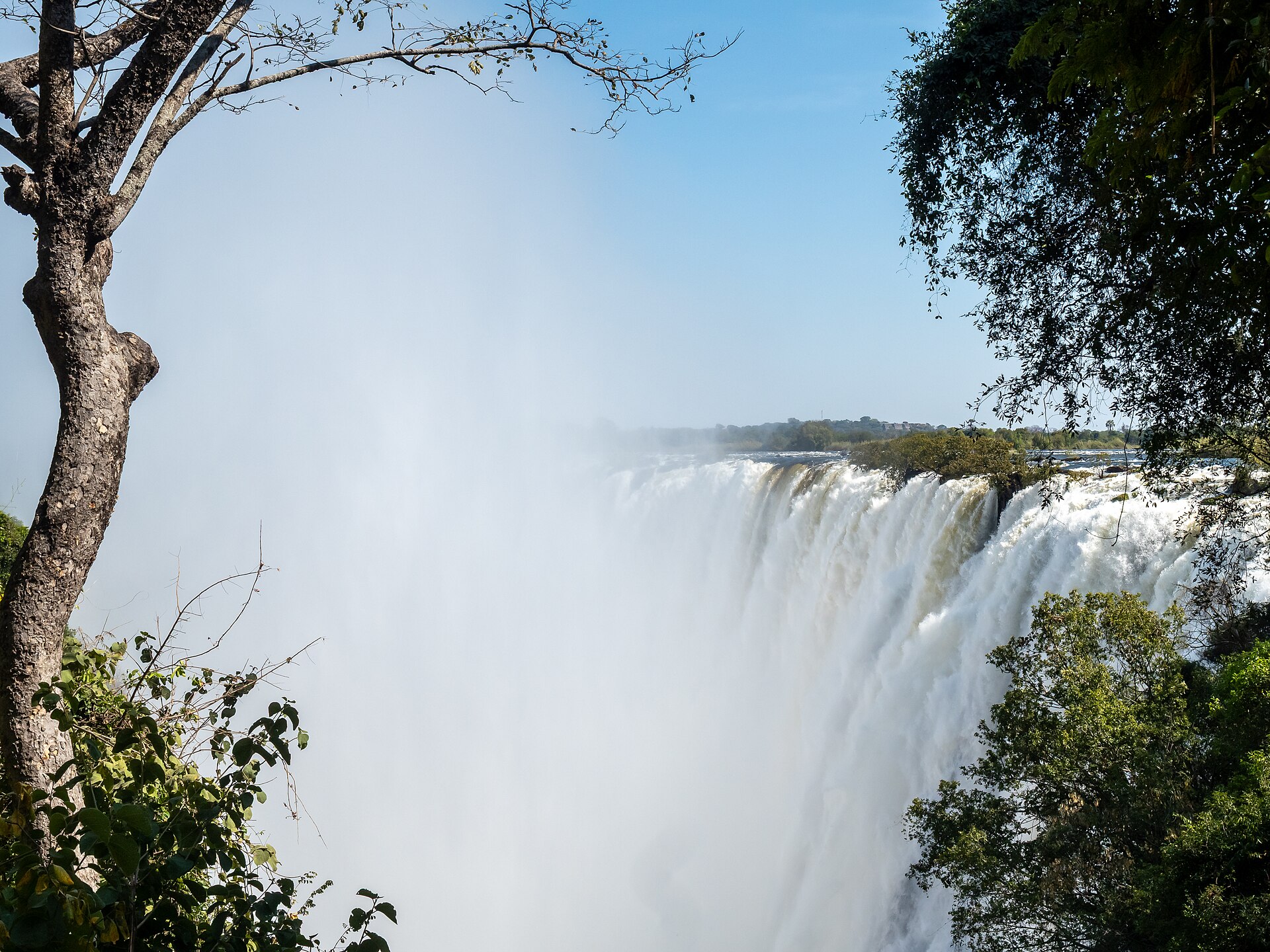
Matobo Hills
A UNESCO World Heritage cultural landscape of dramatic granite formations, San rock art, and the highest concentration of black eagles in the world — plus excellent rhino tracking.
Destination
Type
Jun-Oct
Best Time
About Matobo Hills
The Matobo Hills (also spelled Matopos) are one of southern Africa's most enigmatic landscapes — a surreal terrain of gigantic granite domes and precariously balanced boulders sculpted by millions of years of erosion into formations that seem to defy gravity. UNESCO recognised the hills as a World Heritage Site for both their cultural and natural significance.
The hills contain one of the highest concentrations of San rock art in southern Africa, with over 3,000 documented painting sites spanning 13,000 years of human creativity. The artwork ranges from elegant depictions of eland and giraffe to more recent paintings of European settlers. Walking through these open-air galleries with a knowledgeable guide connects you directly to one of humanity's oldest artistic traditions.
Matobo also supports the world's densest population of Verreaux's (black) eagles, with over 60 breeding pairs nesting on the granite cliffs. The park's intensive rhino protection programme allows for exceptional white rhino tracking on foot — approaching these magnificent animals through the boulder-strewn landscape is a deeply thrilling experience.
Ready to Visit Matobo Hills?
Let our experts plan your perfect safari itinerary
Why Visit Matobo Hills
The top experiences that make Matobo Hills worth the journey.
Plan Your Visit to Matobo Hills
Everything you need to know before booking your Matobo Hills safari — from the ideal season to budget expectations and logistics.
Best Time to Visit Matobo Hills
Year-round destination. May to August is cooler and most comfortable for walking. The rainy season (November-March) brings lush green hills and dramatic skies but can be hot.
What It Costs
Park fees $10/adult/day. Lodges from $80-400/night. Rhino tracking walks $50-100/person. Cultural guide for rock art sites $20-40. Camp Amalinda and Matobo Hills Lodge are the main accommodation options.
Getting There
35km south of Bulawayo, Zimbabwe's second city. Bulawayo has an airport with domestic flights from Harare and occasional regional connections. The park is a short drive from the city, making it an easy day trip or overnight excursion.
Destinations Near Matobo Hills
Combine Matobo Hills with these nearby destinations for a multi-stop safari itinerary.
Frequently Asked Questions About Matobo Hills
What is the best time to visit Matobo Hills?
Year-round destination. May to August is cooler and most comfortable for walking. The rainy season (November-March) brings lush green hills and dramatic skies but can be hot.
How do I get to Matobo Hills?
35km south of Bulawayo, Zimbabwe's second city. Bulawayo has an airport with domestic flights from Harare and occasional regional connections. The park is a short drive from the city, making it an easy day trip or overnight excursion.
What wildlife can I see in Matobo Hills?
Matobo Hills is known for incredible wildlife viewing. Top experiences include: Dramatic balancing rock formations, San (Bushman) rock paintings, World's highest Verreaux's eagle density, White rhino tracking on foot, Cecil Rhodes' grave at World's View. The specific species you'll encounter depend on the season and exact location within Matobo Hills.
How much does a Matobo Hills safari cost?
Park fees $10/adult/day. Lodges from $80-400/night. Rhino tracking walks $50-100/person. Cultural guide for rock art sites $20-40. Camp Amalinda and Matobo Hills Lodge are the main accommodation options.