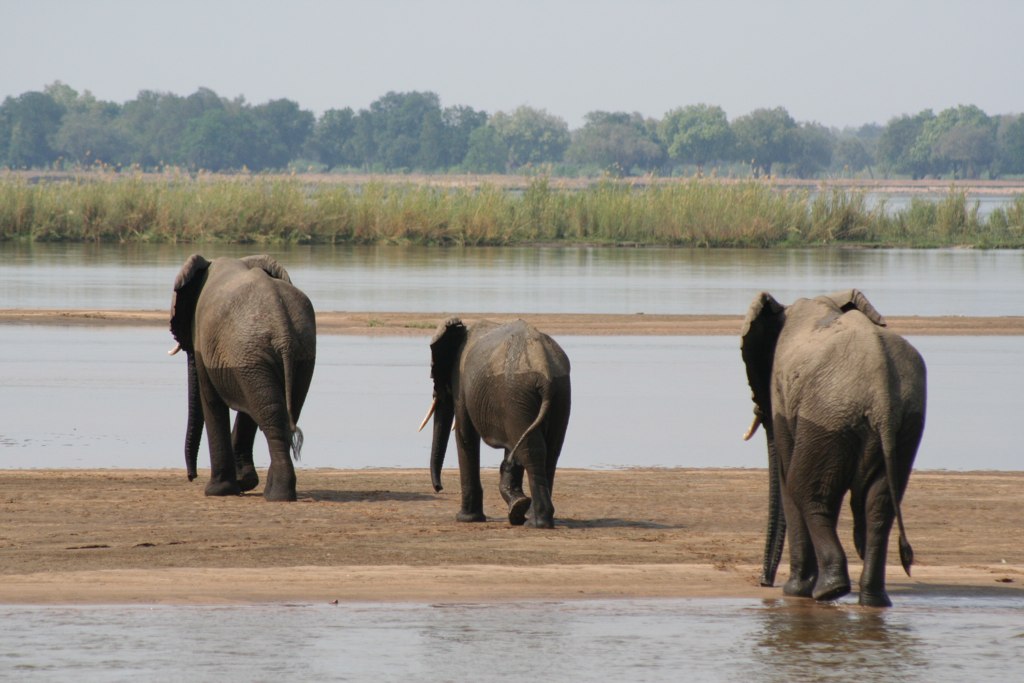
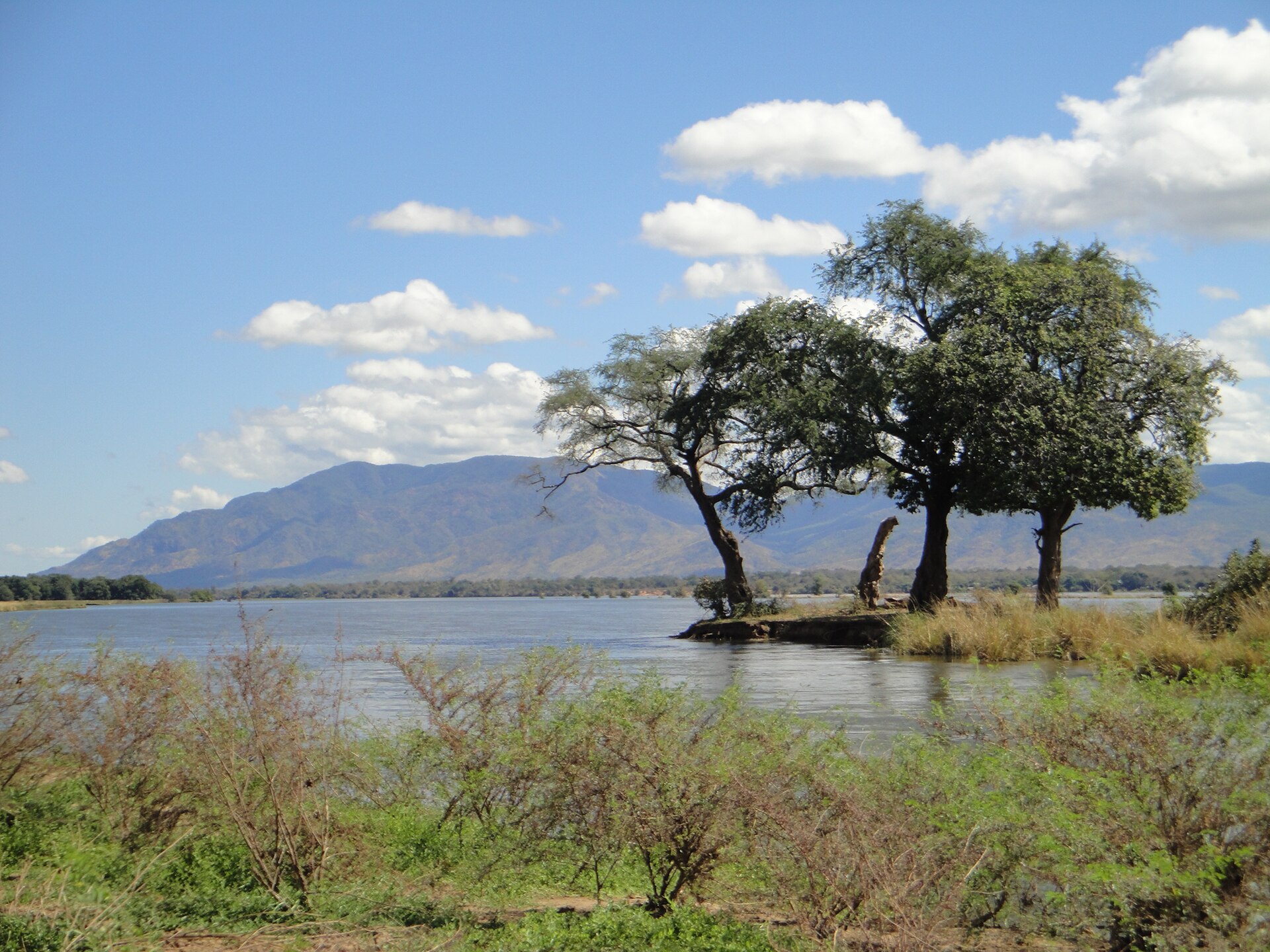
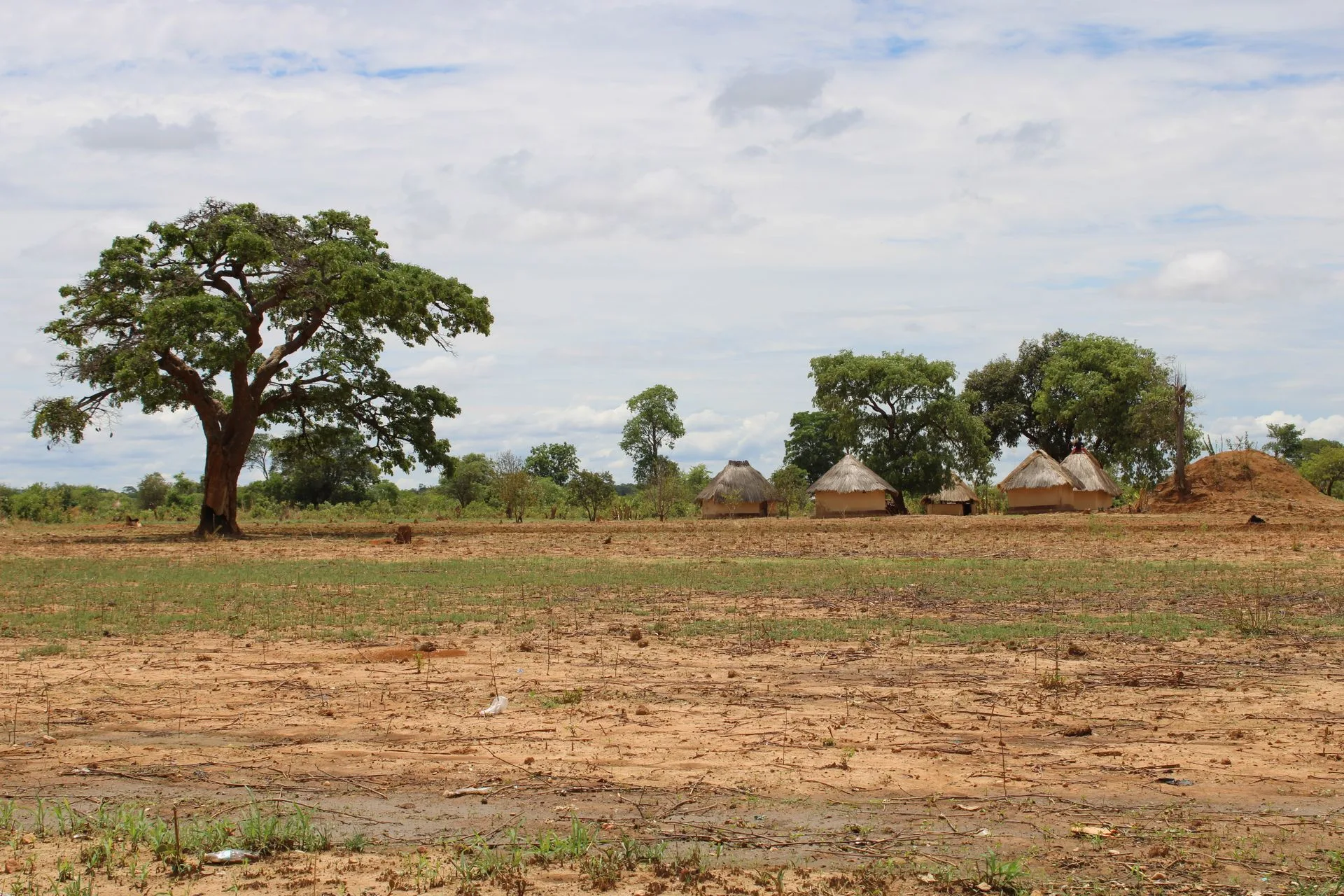
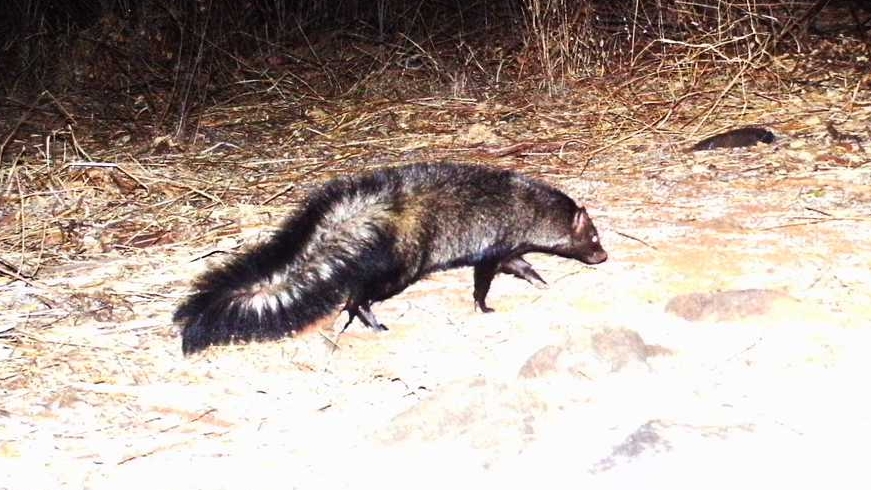
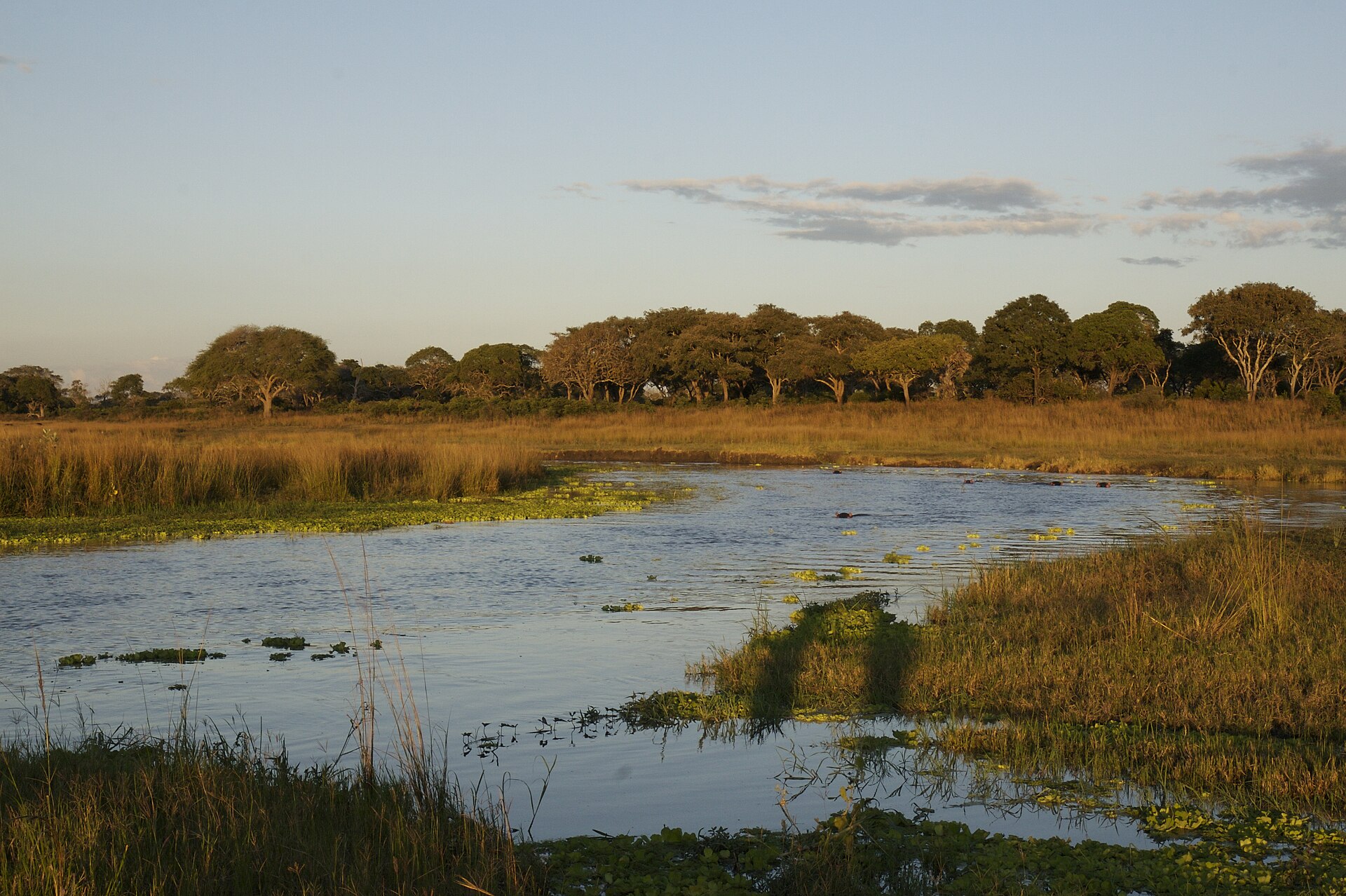
South Luangwa is one of those rare places that safari veterans invariably rank among their all-time favourites. The park's 9,050 square kilometres of wilderness along the meandering Luangwa River support one of the densest and most diverse wildlife populations in Africa, with the bush here feeling somehow wilder and more intimate than the more famous parks of East Africa.
The leopard viewing is world-class — South Luangwa's cats are habituated to vehicles and frequently spotted on night drives, draped in sausage trees, or padding along the river banks at dusk. The park also supports one of the largest wild dog populations in the region, endemic Thornicroft's giraffes found nowhere else on Earth, and prodigious herds of buffalo, hippo, and elephant.
But it's the walking safari that truly defines the South Luangwa experience. Following an armed guide through the mopane woodland at dawn, reading tracks in the dust, interpreting alarm calls, and encountering wildlife at eye level produces an understanding of the African bush that no amount of vehicle-based safari can replicate.
Everything you need to know before booking your South Luangwa National Park safari — from the ideal season to budget expectations and logistics.
June to October for prime game viewing. August to October for peak walking safari season when the bush is driest and animals most concentrated. September to November for the spectacular carmine bee-eater nesting colonies along the river banks. Most camps close January to April.
Mid-range bush camps $200-500/night. Luxury camps (Chinzombo, Mfuwe Lodge, Robin Pope properties) $600-1,500/night all-inclusive. Budget lodges in Mfuwe village from $50-150/night. Walking safari supplements $50-100/person/day. Night drives typically included in camp rates.
June to October for prime game viewing. August to October for peak walking safari season when the bush is driest and animals most concentrated. September to November for the spectacular carmine bee-eater nesting colonies along the river banks. Most camps close January to April.
Proflight Zambia flies Lusaka to Mfuwe (1.5 hours) daily. Road from Lusaka takes 6-7 hours on good tarmac to Chipata, then 1.5 hours on gravel to Mfuwe. Most camps arrange airport transfers. Self-drive is possible but a 4x4 is essential within the park.
South Luangwa National Park is known for incredible wildlife viewing. Top experiences include: Birthplace of the walking safari, Africa's leopard capital, Exceptional wild dog population, Night drives (unique in Zambia), Thornicroft's giraffe (endemic subspecies), Carmine bee-eater colonies (Sep-Nov). The specific species you'll encounter depend on the season and exact location within South Luangwa National Park.
Mid-range bush camps $200-500/night. Luxury camps (Chinzombo, Mfuwe Lodge, Robin Pope properties) $600-1,500/night all-inclusive. Budget lodges in Mfuwe village from $50-150/night. Walking safari supplements $50-100/person/day. Night drives typically included in camp rates.
Proflight Zambia flies Lusaka to Mfuwe (1.5 hours) daily. Road from Lusaka takes 6-7 hours on good tarmac to Chipata, then 1.5 hours on gravel to Mfuwe. Most camps arrange airport transfers. Self-drive is possible but a 4x4 is essential within the park.