Kruger National Park Safari Guide
South Africa's flagship national park and one of Africa's largest game reserves — nearly 20,000 square kilometres of Big Five wilderness with excellent self-drive infrastructure.
Written by SafariSync Experts
Arusha, Tanzania — on-the-ground knowledge
About Kruger National Park
Kruger National Park is the crown jewel of South Africa's conservation heritage, established in 1898 and now protecting nearly 20,000 square kilometres of lowveld bushveld teeming with wildlife. It is one of the few major African parks where self-drive safari is not just possible but actively encouraged, with an excellent network of tarred and gravel roads linking dozens of rest camps, picnic spots, and hides.
The park's diversity is staggering. The southern section around Lower Sabie, Skukuza, and Satara offers the highest wildlife densities, with open savanna providing excellent visibility for big cat sightings. The central section around Olifants and Letaba camps overlooks river valleys with hippos and crocodiles. The remote northern section around Pafuri and Shingwedzi is a birder's paradise with fever tree forests and tropical species.
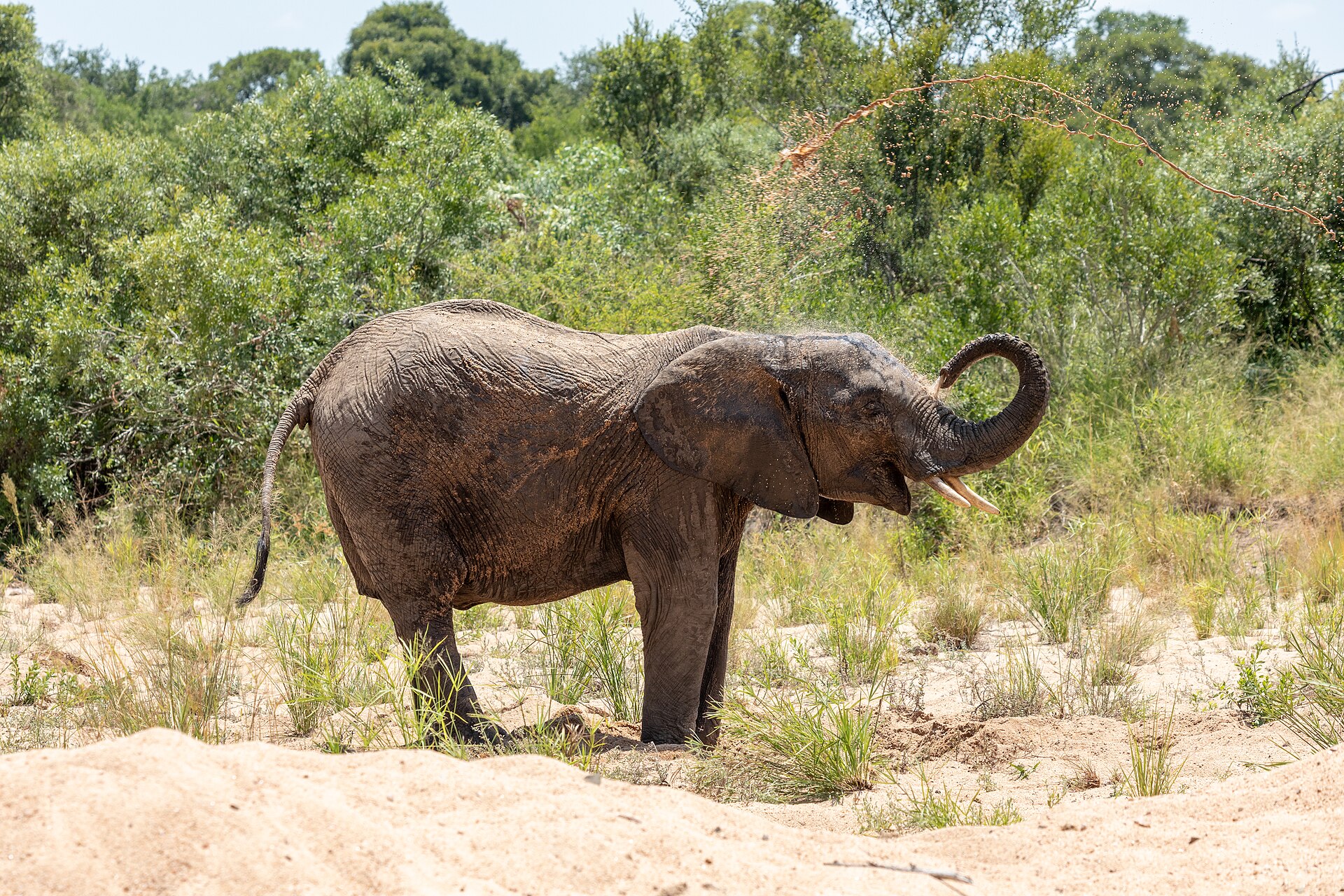
Kruger supports an estimated 1,500 lions, 1,000 leopards, 12,000 elephants, 5,000 rhinos (though poaching has impacted numbers), and 37,000 buffalo. A patient self-drive visitor spending 3-4 days can reasonably expect to see all of the Big Five, along with giraffe, zebra, hippo, crocodile, and dozens of antelope species.
Why Visit Kruger National Park
Best Time to Visit Kruger National Park
May to September for dry season game viewing around water holes. June and July are coldest (bring warm layers for morning drives). October is the transition month — dry but warming up. Summer (Nov-Mar) brings rain, migratory birds, and lush green landscapes.
What a Kruger National Park Safari Costs
Daily conservation fees: $28/adult. SANParks rest camps offer camping ($15-25), safari tents ($40-80), bungalows ($60-120), and guest houses ($80-200). Guided game drives $25-40, night drives $20-30, bush walks $40-60. Self-catering saves significantly on meal costs.
Getting to Kruger National Park
Nine entrance gates along the park boundary. Phalaborwa Gate (north-central) is closest to Hoedspruit airport. Numbi and Phabeni Gates serve the southern section from Nelspruit/Mbombela. The Malelane Gate is the most direct route from Johannesburg (4.5 hours).
Kruger National Park Safari — Frequently Asked Questions
What is the best time to visit Kruger National Park?
May to September for dry season game viewing around water holes. June and July are coldest (bring warm layers for morning drives). October is the transition month — dry but warming up. Summer (Nov-Mar) brings rain, migratory birds, and lush green landscapes.
How do I get to Kruger National Park?
Nine entrance gates along the park boundary. Phalaborwa Gate (north-central) is closest to Hoedspruit airport. Numbi and Phabeni Gates serve the southern section from Nelspruit/Mbombela. The Malelane Gate is the most direct route from Johannesburg (4.5 hours).
How much does a Kruger National Park safari cost?
Daily conservation fees: $28/adult. SANParks rest camps offer camping ($15-25), safari tents ($40-80), bungalows ($60-120), and guest houses ($80-200). Guided game drives $25-40, night drives $20-30, bush walks $40-60. Self-catering saves significantly on meal costs.
What are the top things to see in Kruger National Park?
Kruger National Park is renowned for: Self-drive safari infrastructure, Big Five in all regions, SANParks rest camps, Night drives and bush walks, Diverse ecosystems north to south, Affordable African safari option. The exact wildlife and experiences depend on the season and specific areas you visit.
Can I book a Kruger National Park safari through SafariSync?
Absolutely. SafariSync connects you with verified safari operators who run tours in Kruger National Park. Submit an inquiry and our operators will craft a custom itinerary tailored to your dates, budget, and interests.
Why Trust This Guide
This guide is written and maintained by the SafariSync team in Arusha, Tanzania, drawing on our direct relationships with the operators and lodges we list.