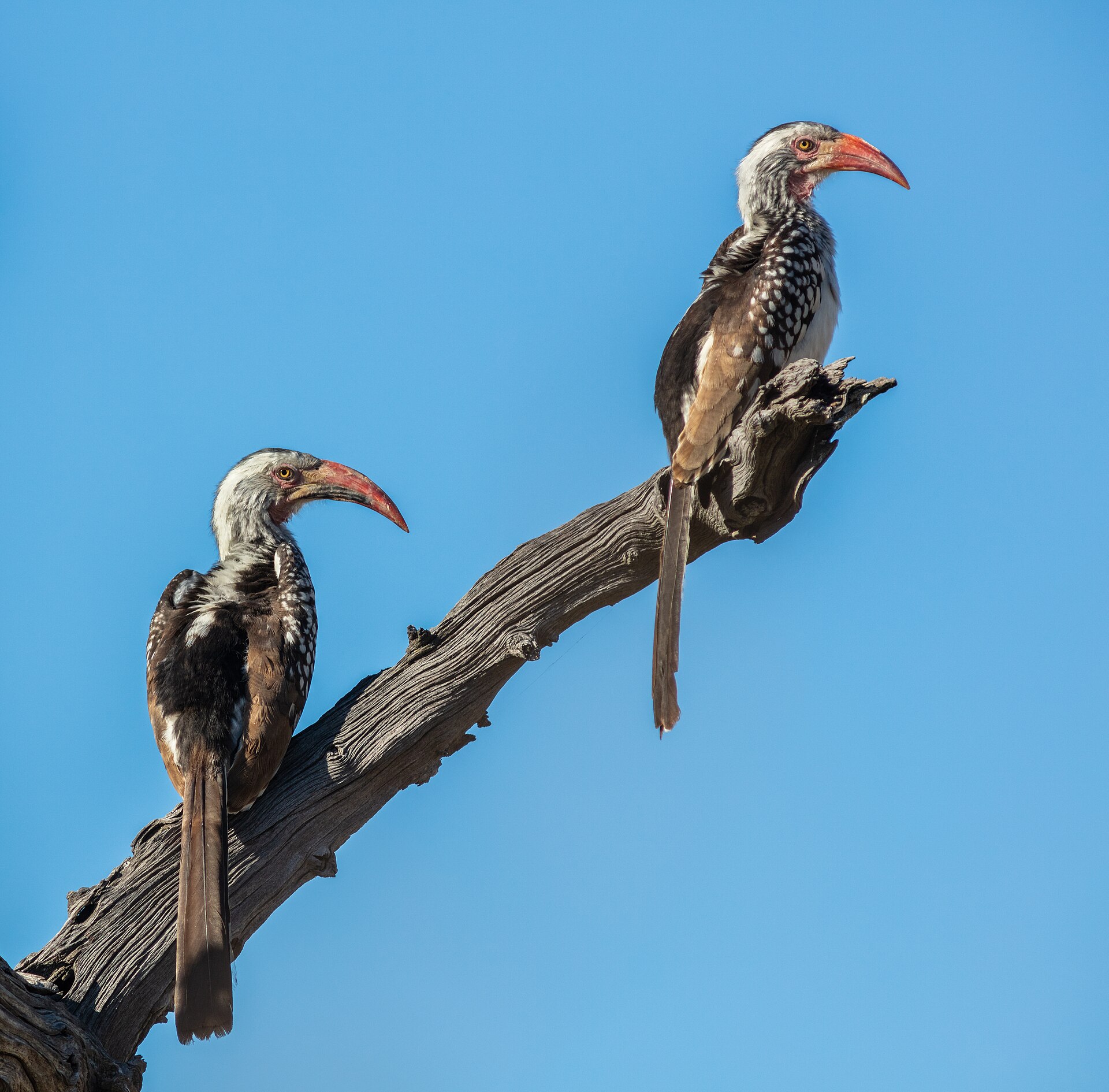
Makgadikgadi Pans Safari Guide
Vast prehistoric salt flats stretching to the horizon — home to meerkats, the zebra migration, and one of Africa's most surreal landscapes.
Written by SafariSync Experts
Arusha, Tanzania — on-the-ground knowledge
About Makgadikgadi Pans
The Makgadikgadi Pans are the remnants of an ancient super-lake that once covered most of northern Botswana. Today, two vast salt pans — Ntwetwe and Sua — stretch across 12,000 square kilometres of flat, blindingly white nothingness that becomes a surreal, otherworldly landscape during the dry season.
During the rains from November to April, the pans transform dramatically. Shallow water attracts flamingos in their thousands, and one of Africa's least-known great migrations takes place as 25,000 zebra and accompanying wildebeest move between the Boteti River and the grasslands surrounding the pans.
The area is also famous for its habituated meerkat colonies — spending a morning watching these charismatic sentinels emerge from their burrows at sunrise, using you as a lookout post, is one of Botswana's most delightful wildlife encounters. San Bushmen guides offer walks across the pans, sharing ancient knowledge of tracking, plant medicine, and survival in one of Earth's harshest environments.
Why Visit Makgadikgadi Pans
Best Time to Visit Makgadikgadi Pans
November to April for the zebra migration and lush green season with flamingos on the pans. May to October for dry season activities including quad biking and sleeping under the stars on the bare pans. Meerkat interactions are year-round.
What a Makgadikgadi Pans Safari Costs
More affordable than the Delta. Self-drive camping from $30/night at designated sites. Mid-range lodges $200-500/night. Luxury camps $600-1,500/night including activities. Meerkat experiences $50-100, quad biking $40-80.
Getting to Makgadikgadi Pans
Drive from Maun (3-4 hours) or Nata (1-2 hours). Light aircraft to camp airstrips from Maun (30 minutes). The main A3 highway passes through the area. A 4x4 is essential for accessing camps and pan surfaces.
Makgadikgadi Pans Safari — Frequently Asked Questions
What is the best time to visit Makgadikgadi Pans?
November to April for the zebra migration and lush green season with flamingos on the pans. May to October for dry season activities including quad biking and sleeping under the stars on the bare pans. Meerkat interactions are year-round.
How do I get to Makgadikgadi Pans?
Drive from Maun (3-4 hours) or Nata (1-2 hours). Light aircraft to camp airstrips from Maun (30 minutes). The main A3 highway passes through the area. A 4x4 is essential for accessing camps and pan surfaces.
How much does a Makgadikgadi Pans safari cost?
More affordable than the Delta. Self-drive camping from $30/night at designated sites. Mid-range lodges $200-500/night. Luxury camps $600-1,500/night including activities. Meerkat experiences $50-100, quad biking $40-80.
What are the top things to see in Makgadikgadi Pans?
Makgadikgadi Pans is renowned for: Surreal salt flat landscapes, Meerkat habituated colonies, Zebra and wildebeest migration (Nov-Apr), Quad biking on the pans, San Bushmen cultural walks, Baobab island camping under the stars. The exact wildlife and experiences depend on the season and specific areas you visit.
Can I book a Makgadikgadi Pans safari through SafariSync?
Absolutely. SafariSync connects you with verified safari operators who run tours in Makgadikgadi Pans. Submit an inquiry and our operators will craft a custom itinerary tailored to your dates, budget, and interests.
Why Trust This Guide
This guide is written and maintained by the SafariSync team in Arusha, Tanzania, drawing on our direct relationships with the operators and lodges we list.