Mozambique Safari Guide
East Africa's Indian Ocean paradise — pristine archipelagos, world-class diving, whale sharks, and a recovering wildlife scene in Gorongosa, all wrapped in warm Mozambican hospitality.
Written by SafariSync Experts
Arusha, Tanzania — on-the-ground knowledge
About Mozambique
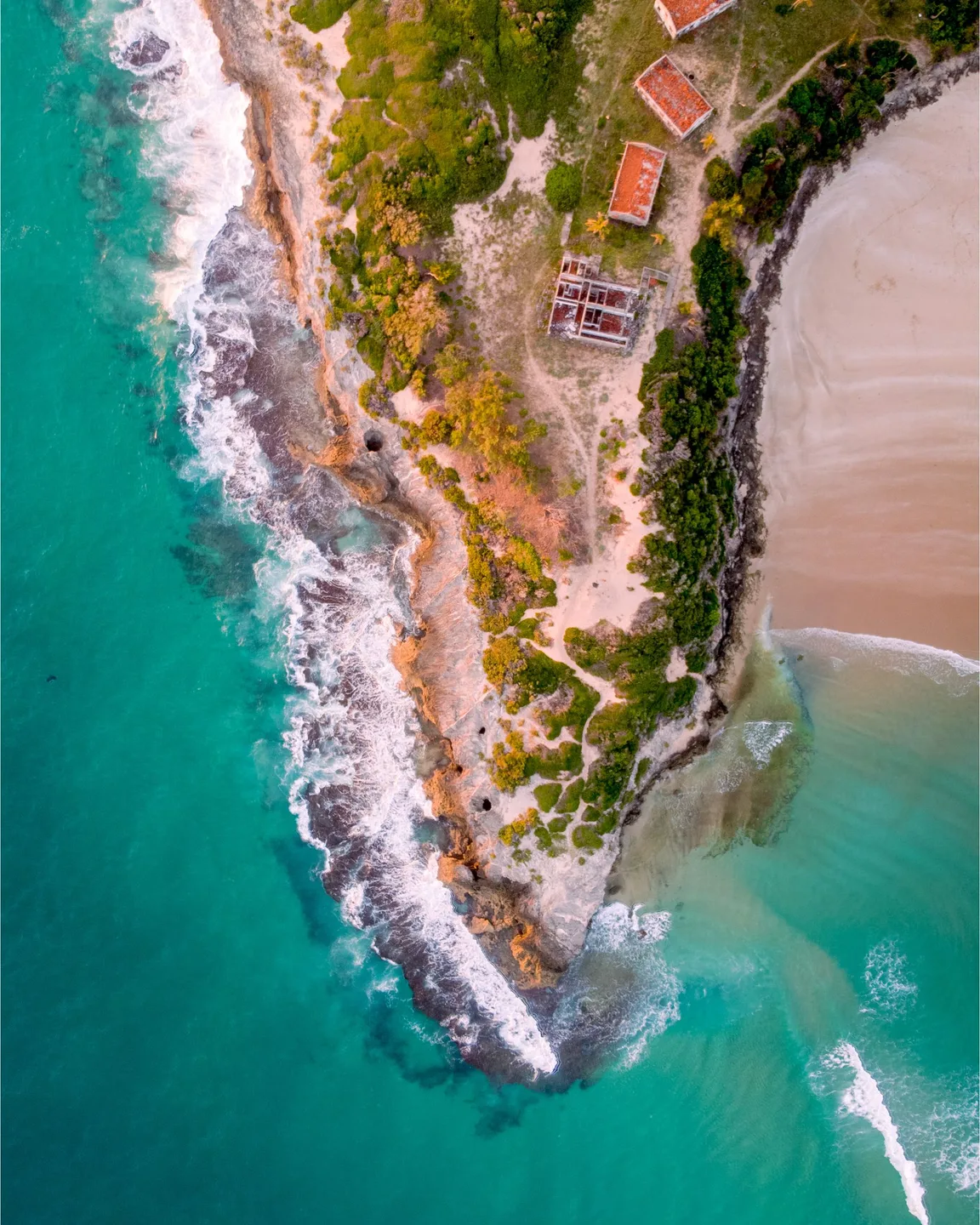
Mozambique is East Africa's ultimate beach destination and an increasingly compelling safari addition. Its 2,500-kilometre Indian Ocean coastline harbours some of the most pristine marine environments in the western Indian Ocean, from the turquoise waters of the Bazaruto Archipelago to the remote coral atolls of the Quirimbas.
The country's marine life is extraordinary — whale sharks, manta rays, humpback whales, dolphins, dugongs, and five species of sea turtle all frequent these waters. The coral reefs, particularly around the Bazaruto and Quirimbas archipelagos, rival the Maldives for beauty while receiving a fraction of the visitors.
On land, Gorongosa National Park represents one of the most inspiring conservation stories in modern Africa. Devastated during the country's civil war (1977-1992), the park has been painstakingly restored through a partnership between the Mozambican government and the Carr Foundation. Wildlife populations have recovered dramatically, with lions, elephants, hippos, and rare African wild dogs now roaming the park's diverse habitats of floodplain, miombo woodland, and limestone gorges.
Mozambique's cultural appeal adds another dimension: Portuguese colonial architecture, vibrant markets, exceptional seafood, and the warm, unhurried pace of island life create a destination that perfectly complements the intensity of an African safari.
Why Visit Mozambique
Best Time to Visit Mozambique
The dry season from May to November offers the best beach and diving conditions with calm seas and excellent underwater visibility. Whale sharks at Tofo are present year-round but most abundant from October to March.
The wet season from December to April brings rain, humidity, and cyclone risk (especially January-March). Gorongosa is best visited from June to October when the floodplain dries and animals concentrate around the lake and river systems.
What a Mozambique Safari Costs
Mozambique ranges from very affordable on the mainland to expensive on the islands. Budget beach lodges from $20-60/night. Mid-range mainland resorts $80-200/night. Luxury island lodges (Bazaruto, Quirimbas) $500-3,000/night all-inclusive.
Diving courses $350-450. Single dives $40-60. Whale shark snorkelling excursions $60-80/person. Gorongosa park fees and camps from $50-300/night. A 7-day beach extension from a South African or East African safari costs $1,000-3,000 mid-range or $4,000-15,000 luxury.
Getting to Mozambique
Maputo International Airport (MPM) receives flights from Johannesburg (1hr), Nairobi, and Addis Ababa. Vilankulo Airport serves the Bazaruto Archipelago. Pemba Airport serves the Quirimbas.
Most nationalities require a visa — e-visas available ($50 for 30 days). Internal connections via LAM Mozambique Airlines are limited and sometimes unreliable. The EN1 highway connects Maputo to the coast, but road quality varies significantly. Island transfers are by boat or helicopter from mainland airports.
Mozambique Safari — Frequently Asked Questions
What is the best time to visit Mozambique?
The dry season from May to November offers the best beach and diving conditions with calm seas and excellent underwater visibility. Whale sharks at Tofo are present year-round but most abundant from October to March. The wet season from December to April brings rain, humidity, and cyclone risk (especially January-March). Gorongosa is best visited from June to October when the floodplain dries and animals concentrate around the lake and river systems.
How do I get to Mozambique?
Maputo International Airport (MPM) receives flights from Johannesburg (1hr), Nairobi, and Addis Ababa. Vilankulo Airport serves the Bazaruto Archipelago. Pemba Airport serves the Quirimbas. Most nationalities require a visa — e-visas available ($50 for 30 days). Internal connections via LAM Mozambique Airlines are limited and sometimes unreliable. The EN1 highway connects Maputo to the coast, but road quality varies significantly. Island transfers are by boat or helicopter from mainland airports.
How much does a Mozambique safari cost?
Mozambique ranges from very affordable on the mainland to expensive on the islands. Budget beach lodges from $20-60/night. Mid-range mainland resorts $80-200/night. Luxury island lodges (Bazaruto, Quirimbas) $500-3,000/night all-inclusive. Diving courses $350-450. Single dives $40-60. Whale shark snorkelling excursions $60-80/person. Gorongosa park fees and camps from $50-300/night. A 7-day beach extension from a South African or East African safari costs $1,000-3,000 mid-range or $4,000-15,000 luxury.
What are the top things to see in Mozambique?
Mozambique is renowned for: Bazaruto Archipelago — world-class diving and snorkelling, Quirimbas Archipelago — barefoot luxury on remote islands, Whale shark swimming in Tofo, Gorongosa — Africa's greatest wildlife restoration, Fresh seafood and peri-peri cuisine, Unspoilt Indian Ocean beaches. The exact wildlife and experiences depend on the season and specific areas you visit.
Can I book a Mozambique safari through SafariSync?
Absolutely. SafariSync connects you with verified safari operators who run tours in Mozambique. Submit an inquiry and our operators will craft a custom itinerary tailored to your dates, budget, and interests.
Why Trust This Guide
This guide is written and maintained by the SafariSync team in Arusha, Tanzania, drawing on our direct relationships with the operators and lodges we list.