Serengeti National Park Safari Guide
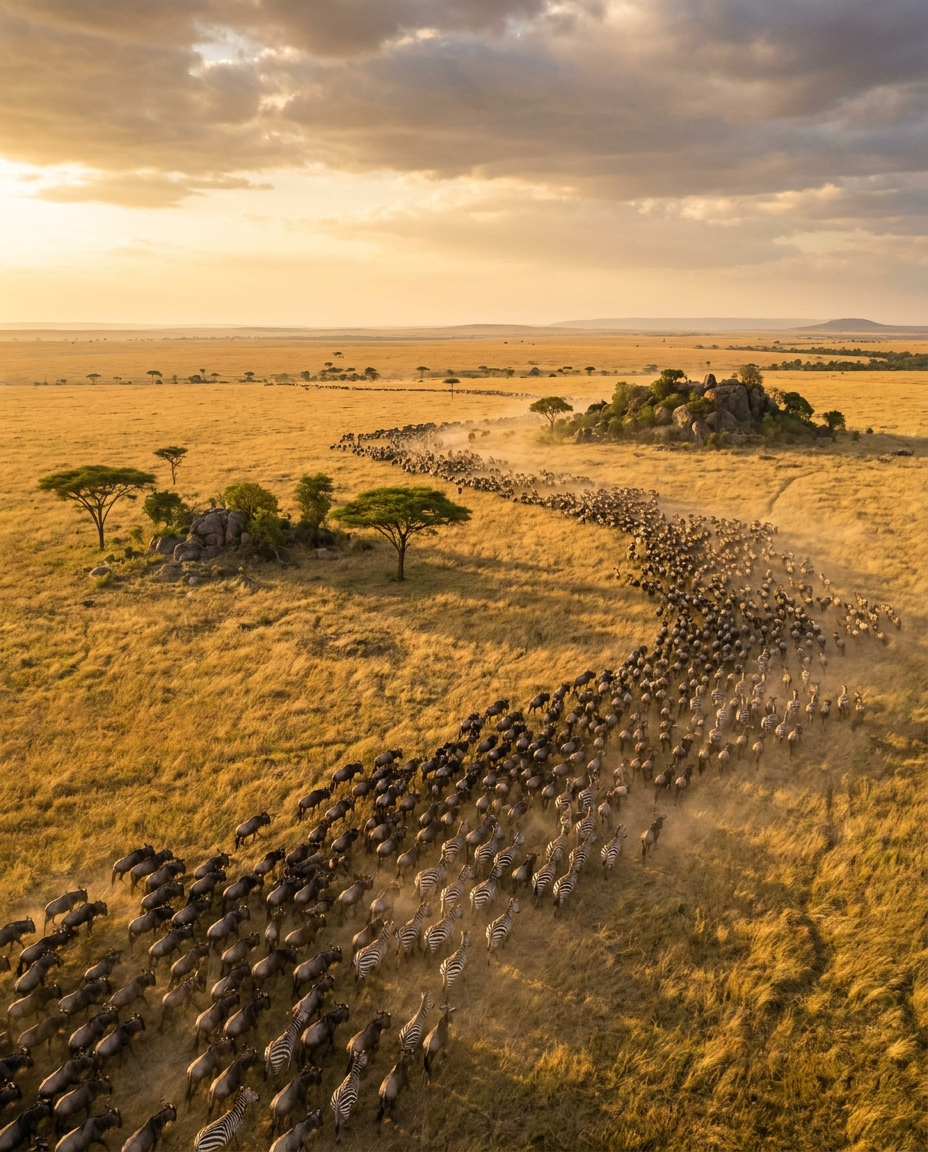
Serengeti National Park covers roughly 14,750 square kilometres of northern Tanzania, and its Maasai name — siringet, "the place where the land runs on forever" — is a fair description of the short-grass plains at its heart. The park is best known for the annual wildebeest migration, in which well over a million wildebeest and a few hundred thousand zebra move in a broad clockwise circuit through the ecosystem: calving on the southern plains around Ndutu between January and March, pushing north-west through the Grumeti in the middle of the year, and crossing the Mara River in the far north between roughly July and October. The migration is a moving target rather than a fixed event, so where you stay matters as much as when you come. Away from the herds, the Seronera valley in the centre holds resident lion, leopard and cheetah year-round, and the park's kopjes, riverine woodland and acacia savannah support a full complement of plains game and more than 500 recorded bird species.
Written by SafariSync Experts
Arusha, Tanzania — on-the-ground knowledge
About Serengeti National Park
The Serengeti is the definition of African safari — a name that has become synonymous with wildlife spectacle on a scale found nowhere else on Earth. Covering 30,000 square kilometres of grassland, woodland, and riverine forest, the Serengeti hosts the greatest concentration of large mammals on the planet.
The Great Wildebeest Migration dominates the Serengeti calendar — over two million wildebeest, zebra, and gazelle moving in a clockwise circuit that follows the rains and fresh grass. The dramatic river crossings at the Mara River between July and October are among nature's most breathtaking spectacles. But the Serengeti is far more than the migration; resident wildlife populations include over 3,000 lions, 1,000 leopards, and significant numbers of cheetah, elephant, buffalo, giraffe, and hippo.
The park's sheer scale means different areas offer distinctly different experiences. The central Seronera valley provides year-round game viewing. The northern Serengeti delivers the famous river crossings. The southern plains host the calving season. The western corridor offers less-visited wilderness. With multiple nights, it's possible to experience the Serengeti's extraordinary diversity of landscape and wildlife.
Why Visit Serengeti National Park
Best Time to Visit Serengeti National Park
Year-round destination. June-October for dry season and northern river crossings. January-March for calving season in the south. April-May is low season with rain but fewer tourists and lower prices.
What a Serengeti National Park Safari Costs
Park fees $70/adult/day (highest in Tanzania). Budget camping safaris from $150/day. Mid-range lodges $400-700/day. Luxury tented camps $800-2,500/day. Balloon safaris $500-600/person. Budget 3-4 nights minimum.
Getting to Serengeti National Park
Bush flights from Arusha (1.5hrs) to multiple Serengeti airstrips — Seronera (central), Kogatende (north), Ndutu (south). Road access from Arusha via Ngorongoro (8hrs) or from Mwanza (4hrs). Most luxury camps include airstrip transfers.
Where to Stay in Serengeti National Park
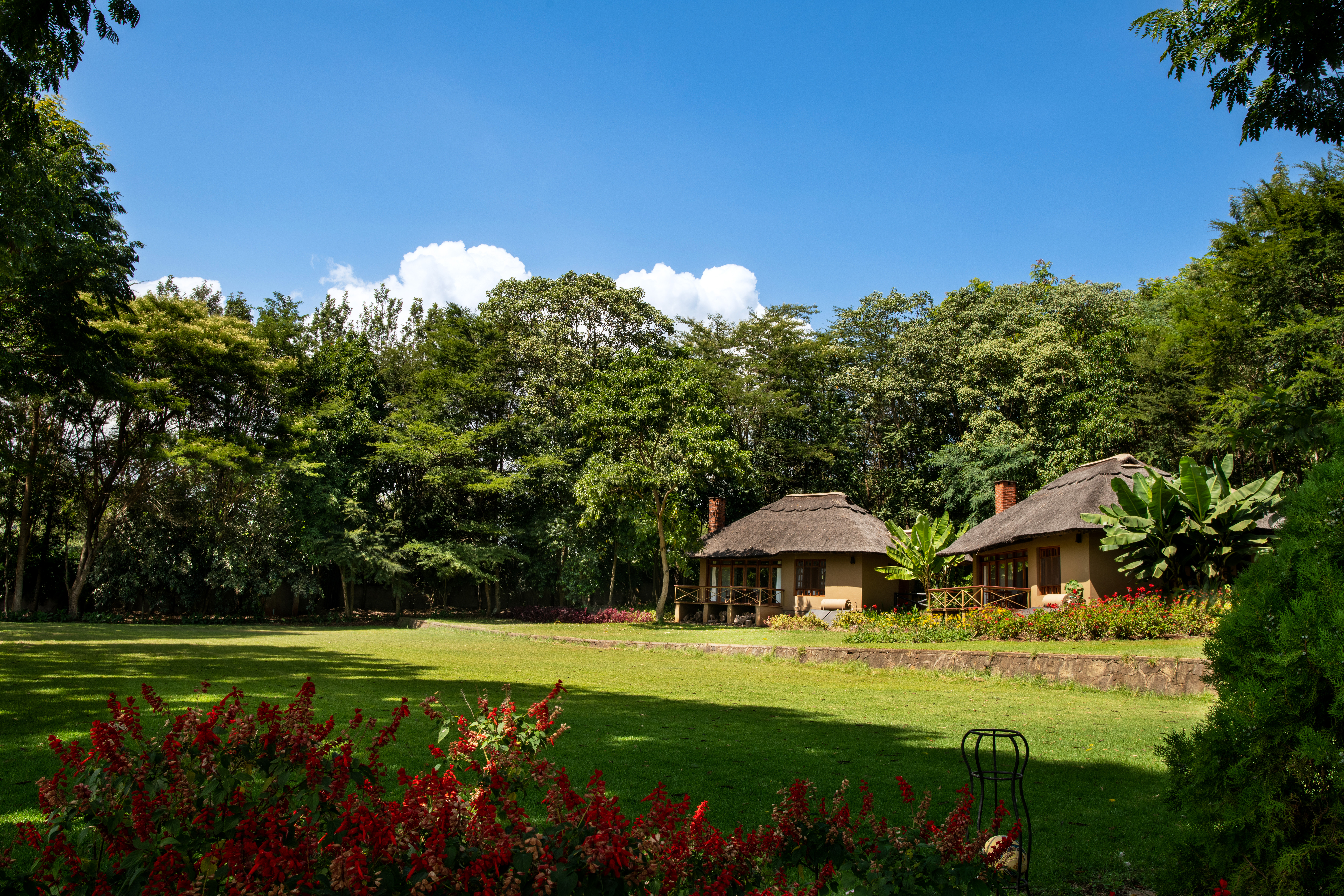
Mara Mara Tented Lodge
lodge
$550 /night
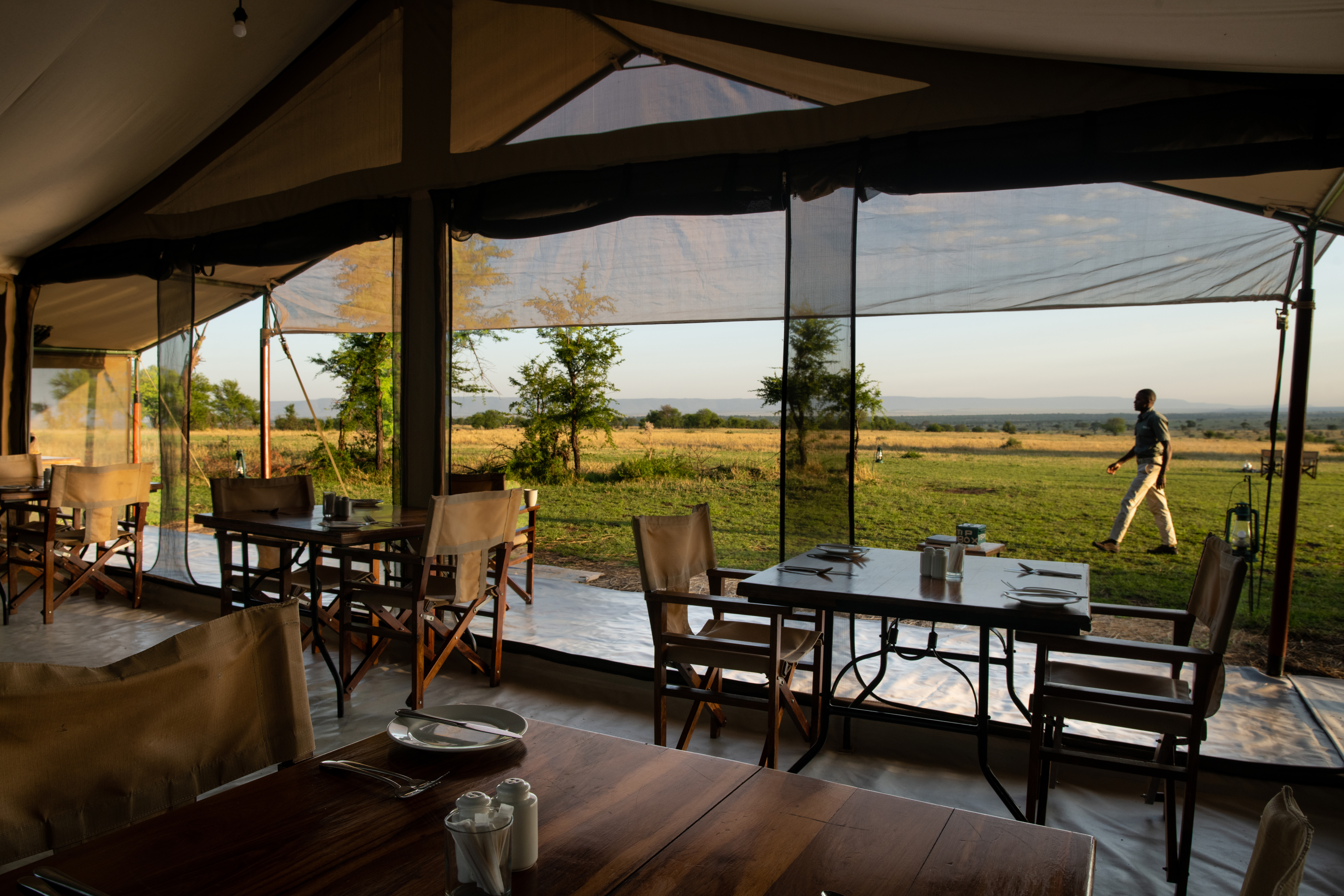
Ndutu Kati Kati Tented Camp
safari camp
$350 /night
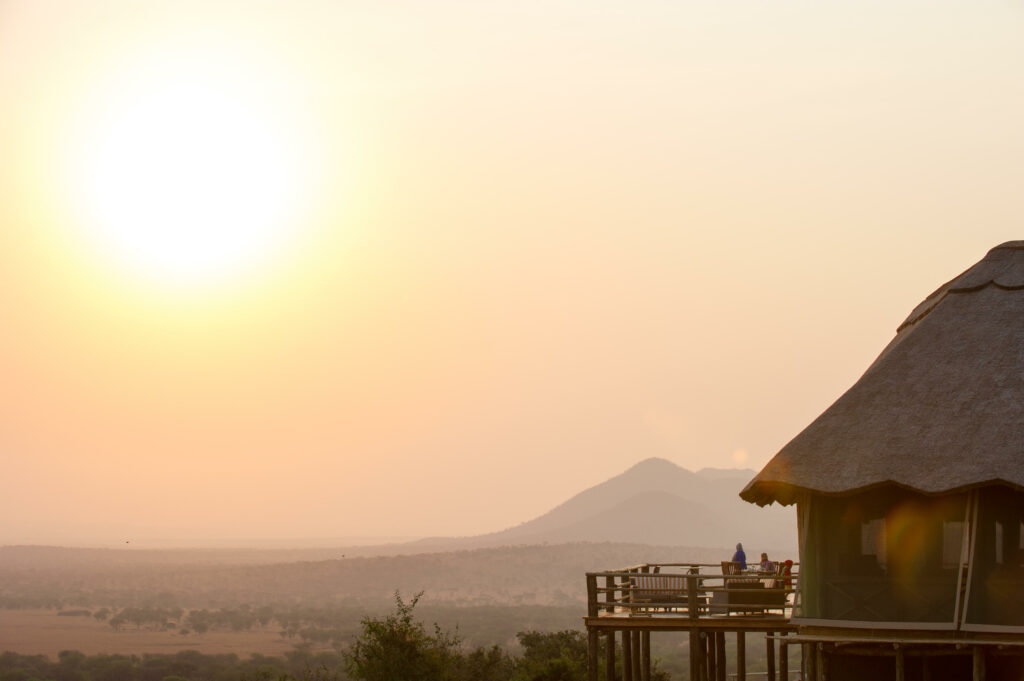
Kubu Kubu Tented Lodge
lodge
$500 /night
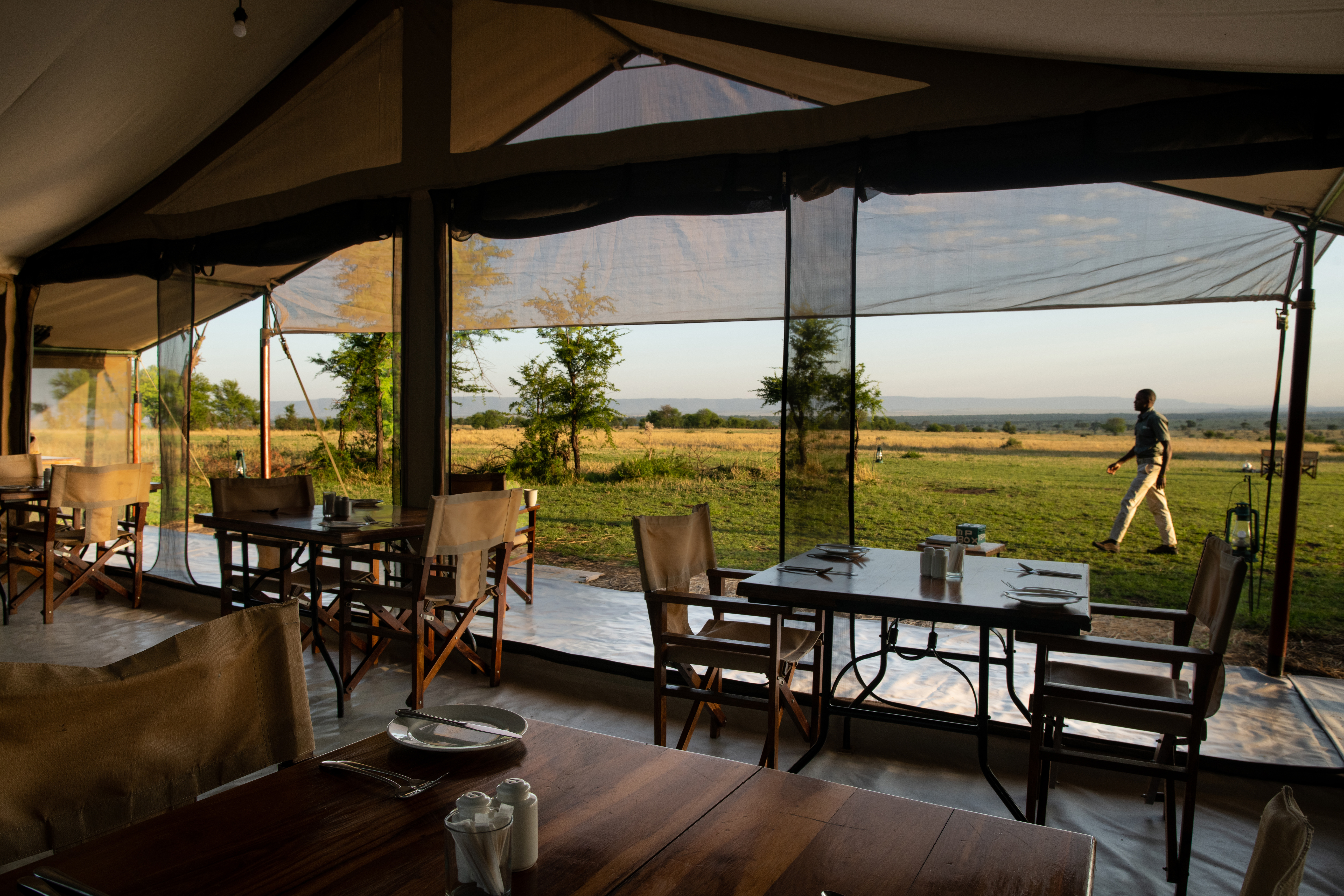
Ndutu Under Canvas
safari camp
$400 /night
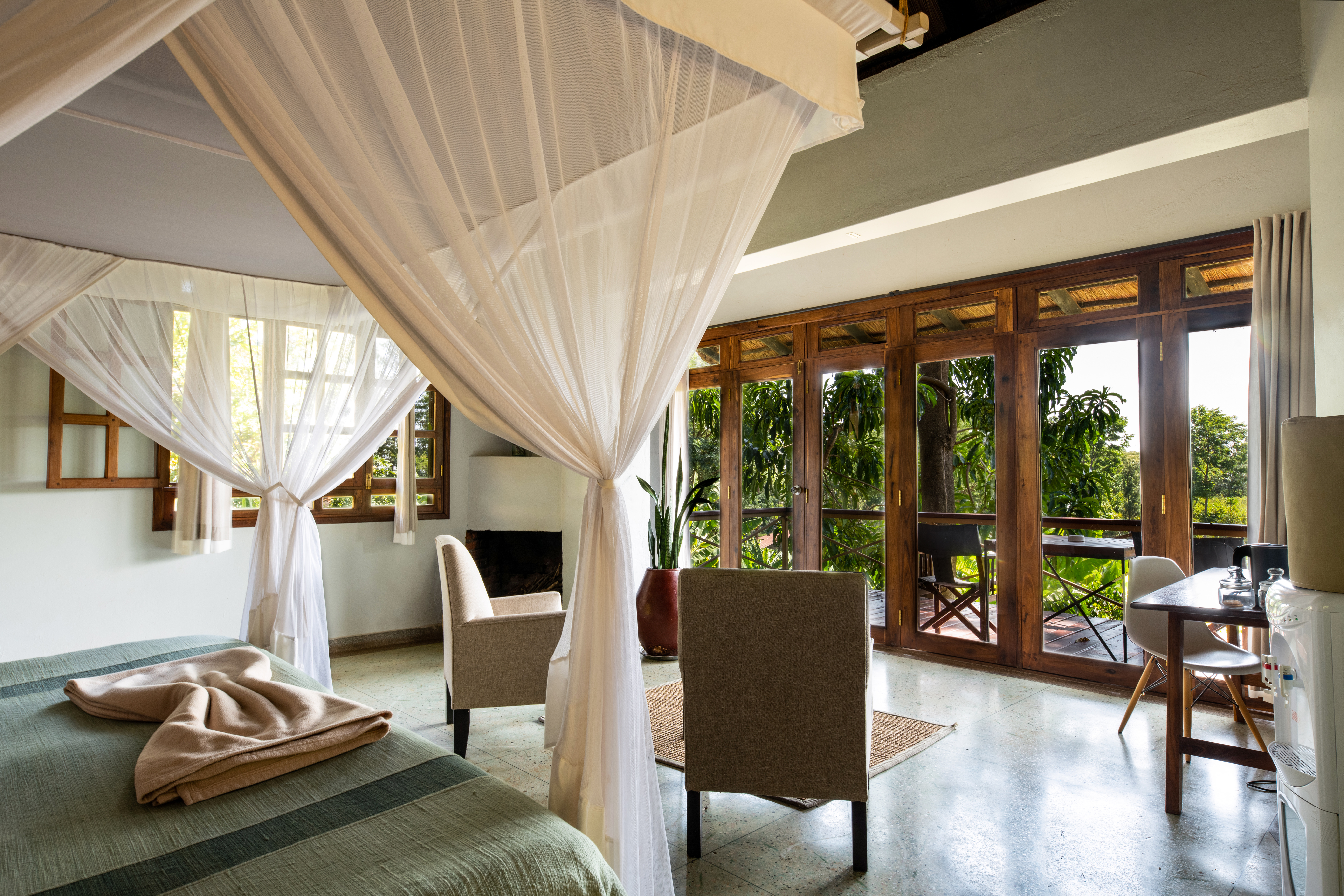
Lahia Tented Lodge
lodge
$480 /night
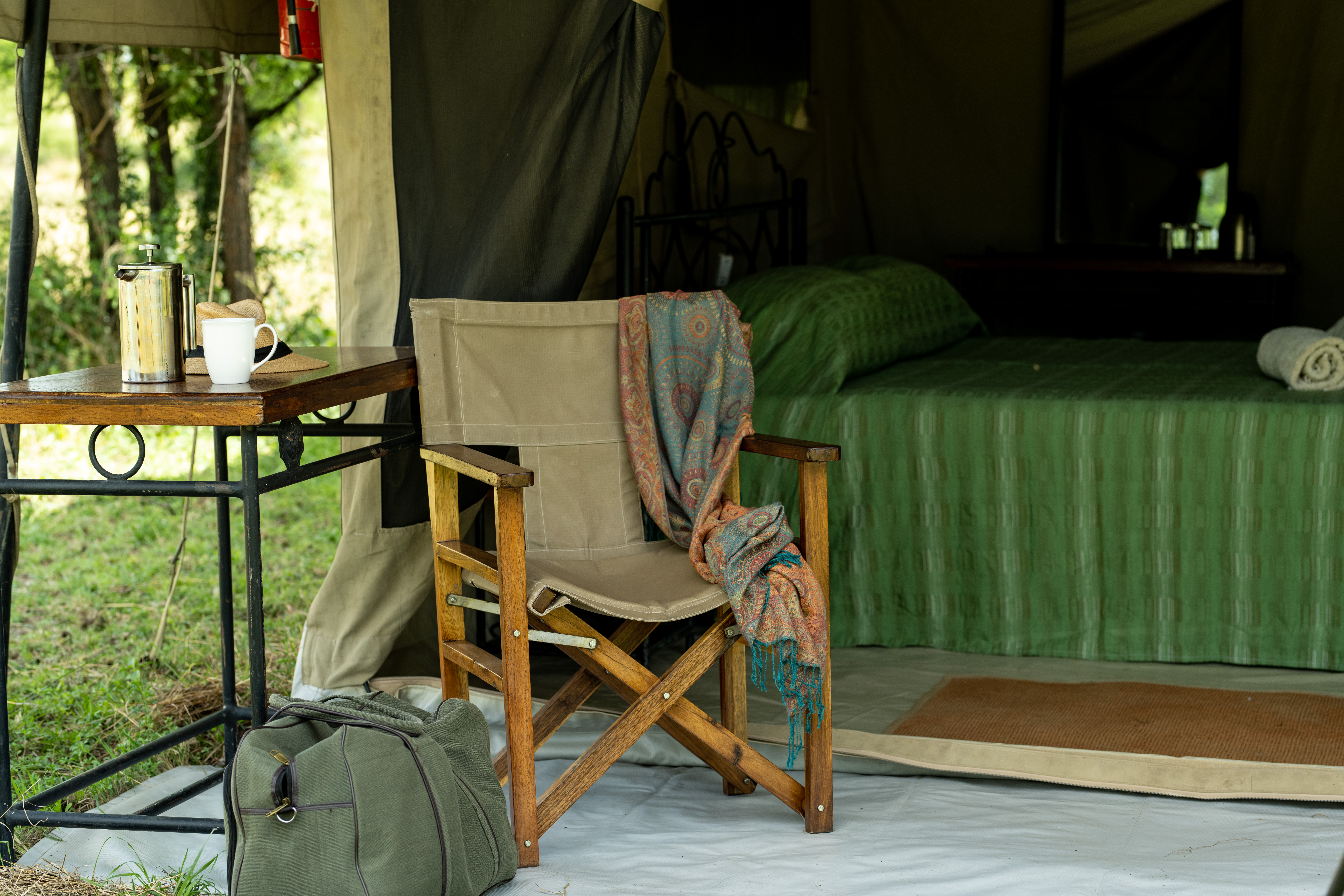
Serengeti Kati Kati Tented Camp
safari camp
$360 /night
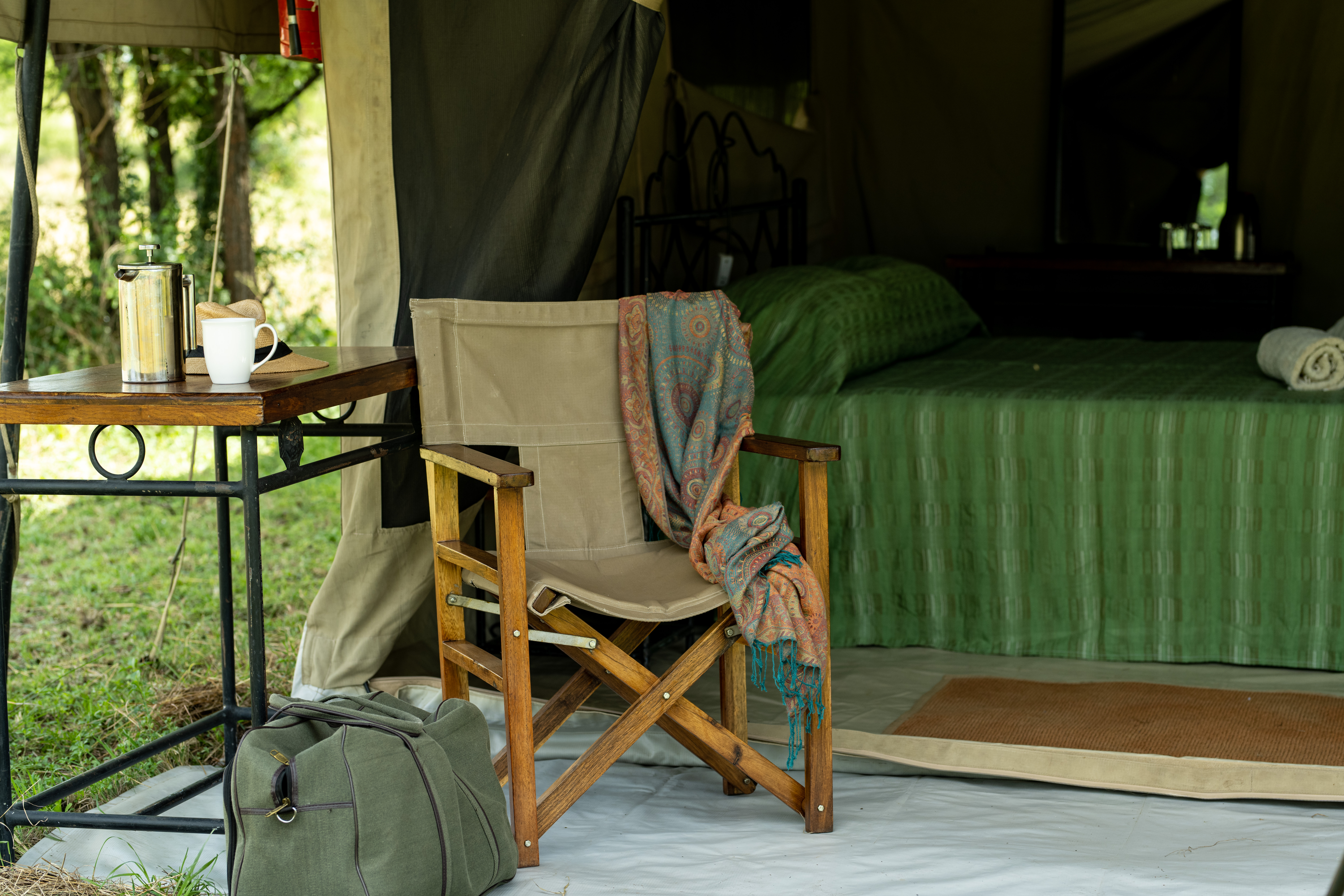
Mara Under Canvas
safari camp
$420 /night
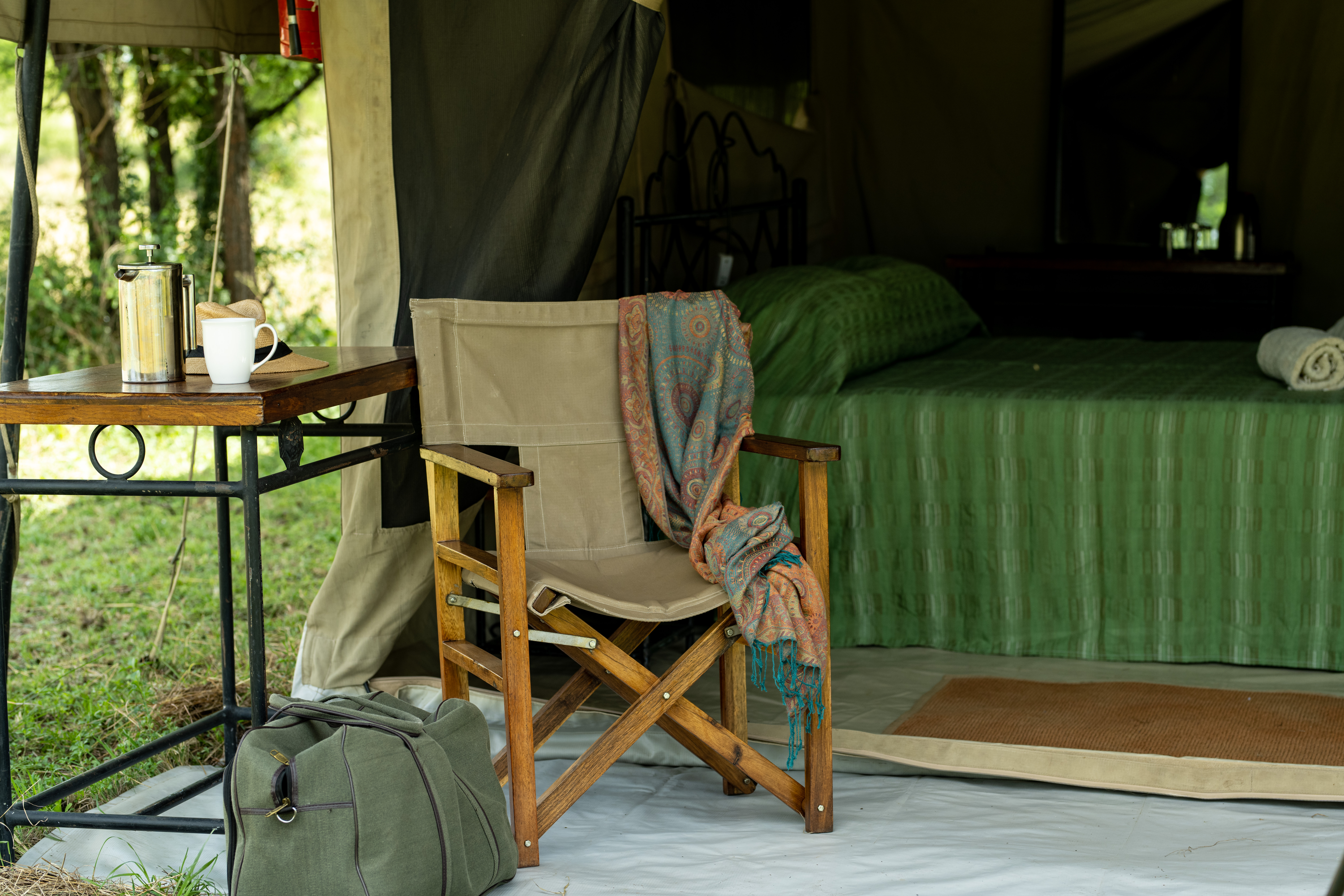
Mara Kati Kati Tented Camp
safari camp
$380 /night
Serengeti National Park Safari — Frequently Asked Questions
When is the best time to visit the Serengeti?
The Serengeti offers excellent wildlife year-round. Peak season is June–October when animals concentrate in the north following the migration. January–March is calving season in the south — thousands of wildebeest calves are born daily and predators follow. April–May is the green season with fewer tourists and lower prices.
How much does a Serengeti safari cost?
A Serengeti safari costs $300–$900 per person per day all-inclusive. Budget camps start from $200/night, mid-range lodges from $350/night, and luxury tented camps from $600–$2,000/night. Tanzania's national park fees ($60/day) are typically included in lodge packages.
Can I combine the Serengeti with Zanzibar?
Yes — this is one of Africa's most popular combinations. A typical itinerary is 4–7 nights in the Serengeti (wildlife) then 3–5 nights in Zanzibar (beach). Direct flights connect Serengeti airstrips to Zanzibar. This combination appeals to families, honeymooners, and first-time safari visitors.
Is the Serengeti or Masai Mara better for the Great Migration?
Both are part of the same ecosystem. The Serengeti is better for: calving season (Jan–Mar), larger park area, and lower entrance fees ($60 vs $80/day). The Masai Mara is better for: river crossings (Jul–Oct, more dramatic in Kenya), shorter drives to the best action. Many experienced safari-goers visit both.
How do I get to the Serengeti?
The most common entry is via chartered or scheduled flight from Arusha or Kilimanjaro Airport to one of the Serengeti's 5 airstrips (Seronera, Grumeti, Kleins, Lobo, or Kogatende). Arusha is 2.5 hours by air. Road access via the Ngorongoro Conservation Area takes 5–6 hours from Arusha and passes through the Ngorongoro Crater — ideal as a combined itinerary.
Why Trust This Guide
This guide is written and maintained by the SafariSync team in Arusha, Tanzania, drawing on our direct relationships with the operators and lodges we list.