Skeleton Coast Safari Guide
One of the world's most remote and inhospitable coastlines — a haunting landscape of shipwrecks, fog, seal colonies, and desert-adapted wildlife meeting the cold Atlantic.
Written by SafariSync Experts
Arusha, Tanzania — on-the-ground knowledge
About Skeleton Coast
The Skeleton Coast earned its name from the whale and seal bones that once littered its beaches, supplemented over centuries by the rusting hulks of ships that foundered in the treacherous fog and currents of Namibia's Atlantic seaboard. The Portuguese sailors who first mapped these waters called it "the Gates of Hell" — a coast so desolate that shipwreck survivors faced an equally deadly journey through the Namib Desert.
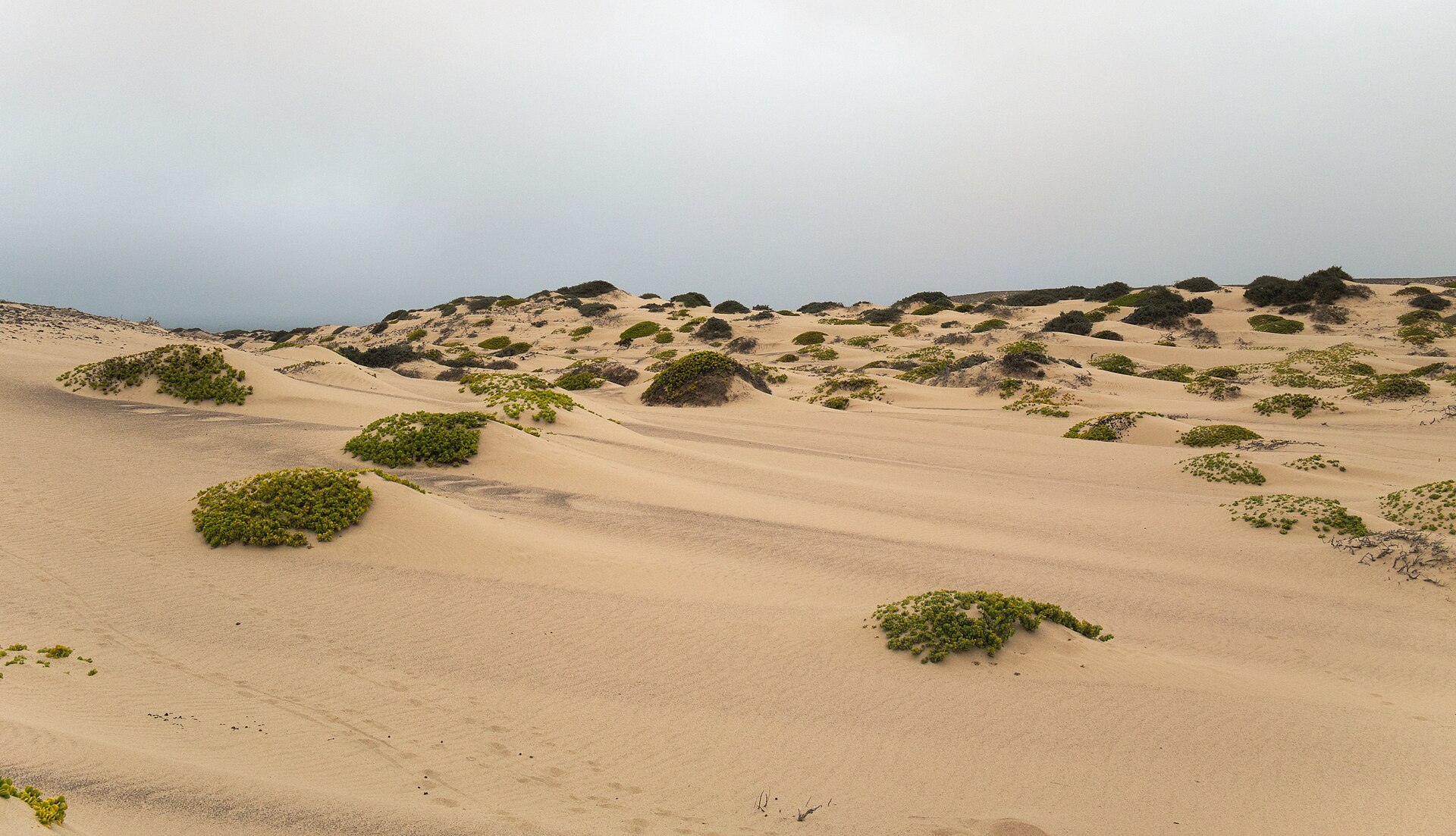
Today, the Skeleton Coast remains one of the most hauntingly beautiful stretches of coastline on Earth. The Cape Cross seal colony, home to over 250,000 Cape fur seals, is an assault on the senses — the noise, smell, and sheer density of animals is overwhelming and unforgettable. Further north, the coast grows increasingly remote and desolate, with desert-adapted lions, brown hyenas, and jackals eking out an existence at the interface of desert and ocean.
Why Visit Skeleton Coast
Best Time to Visit Skeleton Coast
Year-round. The coast is cool and foggy regardless of season. Cape Cross seal colony is most active from November to January during pupping season. The northern concession area is only accessible by fly-in safari.
What a Skeleton Coast Safari Costs
Cape Cross entrance $4/person. Self-drive access to the southern Skeleton Coast is free along the C34 coastal road. Northern concession fly-in safaris from $1,000-3,000/day all-inclusive. Swakopmund serves as the southern base with accommodation from $40-500/night.
Getting to Skeleton Coast
The southern Skeleton Coast is accessible by self-drive on the C34 from Swakopmund north to Terrace Bay. The northern concession (Kunene River area) is accessible only by chartered aircraft. Swakopmund is 4 hours from Windhoek by road.
Skeleton Coast Safari — Frequently Asked Questions
What is the best time to visit Skeleton Coast?
Year-round. The coast is cool and foggy regardless of season. Cape Cross seal colony is most active from November to January during pupping season. The northern concession area is only accessible by fly-in safari.
How do I get to Skeleton Coast?
The southern Skeleton Coast is accessible by self-drive on the C34 from Swakopmund north to Terrace Bay. The northern concession (Kunene River area) is accessible only by chartered aircraft. Swakopmund is 4 hours from Windhoek by road.
How much does a Skeleton Coast safari cost?
Cape Cross entrance $4/person. Self-drive access to the southern Skeleton Coast is free along the C34 coastal road. Northern concession fly-in safaris from $1,000-3,000/day all-inclusive. Swakopmund serves as the southern base with accommodation from $40-500/night.
What are the top things to see in Skeleton Coast?
Skeleton Coast is renowned for: Shipwreck-strewn Atlantic coast, Cape Cross seal colony (250,000+ seals), Desert meets ocean landscapes, Fly-in wilderness safaris, Desert-adapted lions and brown hyenas. The exact wildlife and experiences depend on the season and specific areas you visit.
Can I book a Skeleton Coast safari through SafariSync?
Absolutely. SafariSync connects you with verified safari operators who run tours in Skeleton Coast. Submit an inquiry and our operators will craft a custom itinerary tailored to your dates, budget, and interests.
Why Trust This Guide
This guide is written and maintained by the SafariSync team in Arusha, Tanzania, drawing on our direct relationships with the operators and lodges we list.