Zambezi Region Safari Guide
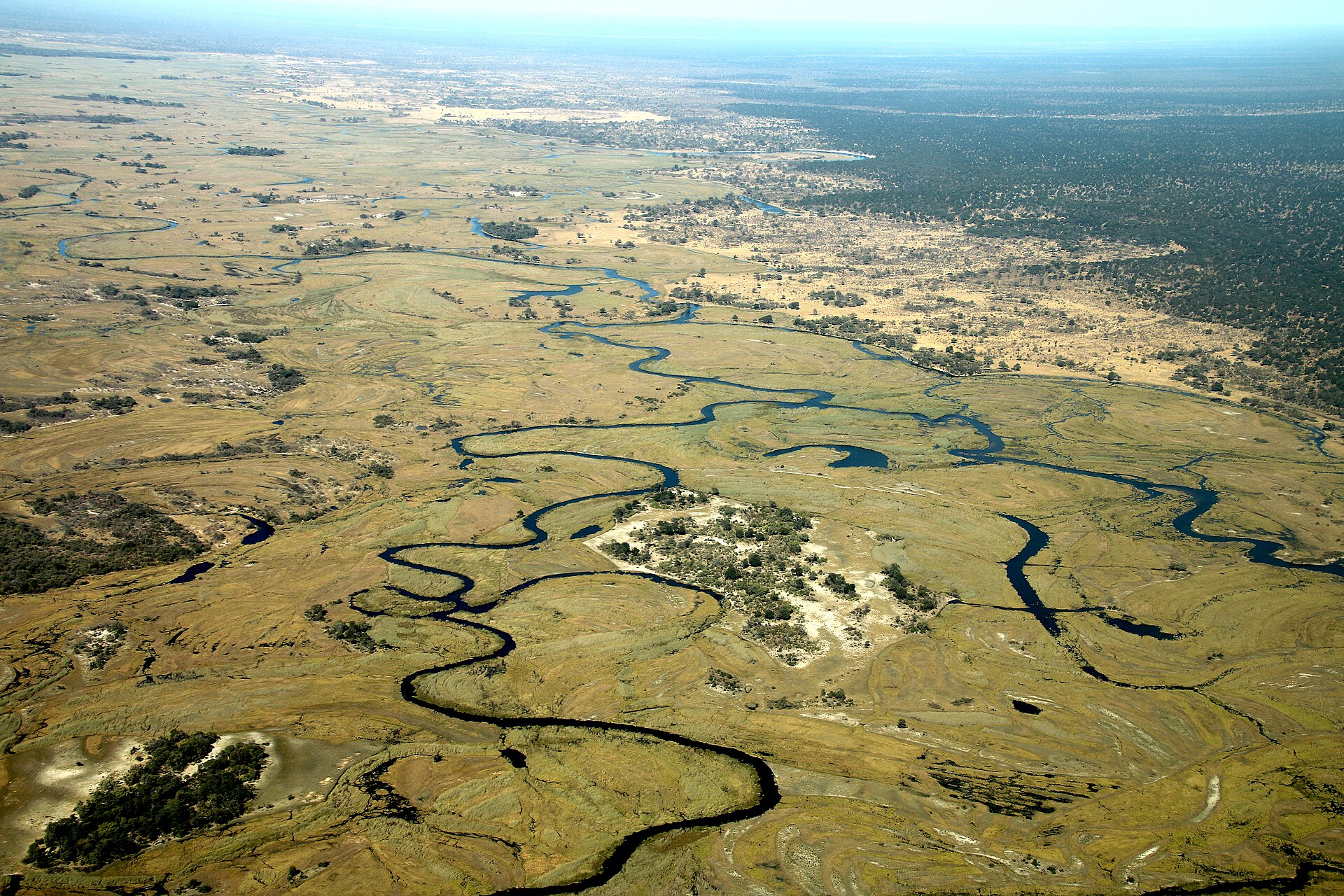
Namibia's lush northeastern panhandle (formerly the Caprivi Strip) — a ribbon of green between four countries where rivers, floodplains, and forests teem with wildlife.
Written by SafariSync Experts
Arusha, Tanzania — on-the-ground knowledge
About Zambezi Region
The Zambezi Region is Namibia's best-kept secret — a lush, river-fed panhandle that feels like a completely different country from the arid deserts that define the rest of Namibia. Sandwiched between Angola, Zambia, Botswana, and Zimbabwe, this narrow strip of land is blessed with permanent rivers, floodplains, and forests that support wildlife populations more typical of tropical Africa.
Bwabwata National Park and Nkasa Rupara National Park (formerly Mamili) protect extensive wetlands that rival the Okavango Delta in biodiversity if not in scale. Buffalo, elephant, hippo, crocodile, wild dog, and sitatunga are all present, along with over 400 bird species. The region's community conservancies offer affordable, authentic safari experiences that directly benefit local communities.
Strategically, the Zambezi Region serves as a perfect bridge between a Namibia self-drive circuit and Botswana's Chobe or Victoria Falls, allowing travelers to combine desert and river safari in a single overland journey.
Why Visit Zambezi Region
Best Time to Visit Zambezi Region
May to October for dry season game viewing and accessible roads. The wet season (November-April) brings floods that can make some areas inaccessible but attracts huge numbers of waterbirds and migratory species.
What a Zambezi Region Safari Costs
The most affordable safari area in Namibia. Community lodges from $50-150/night. Mid-range lodges $100-300/night. Camping at community conservancies $10-20/night. Park fees $8/adult/day.
Getting to Zambezi Region
Fly to Katima Mulilo from Windhoek (2 hours). Drive from Windhoek via the Trans-Caprivi Highway (13-14 hours — usually broken with stops in Etosha or Rundu). The region borders Botswana's Chobe (1-2 hours to Kasane) and is a day trip from Victoria Falls.
Zambezi Region Safari — Frequently Asked Questions
What is the best time to visit Zambezi Region?
May to October for dry season game viewing and accessible roads. The wet season (November-April) brings floods that can make some areas inaccessible but attracts huge numbers of waterbirds and migratory species.
How do I get to Zambezi Region?
Fly to Katima Mulilo from Windhoek (2 hours). Drive from Windhoek via the Trans-Caprivi Highway (13-14 hours — usually broken with stops in Etosha or Rundu). The region borders Botswana's Chobe (1-2 hours to Kasane) and is a day trip from Victoria Falls.
How much does a Zambezi Region safari cost?
The most affordable safari area in Namibia. Community lodges from $50-150/night. Mid-range lodges $100-300/night. Camping at community conservancies $10-20/night. Park fees $8/adult/day.
What are the top things to see in Zambezi Region?
Zambezi Region is renowned for: Lush contrast to Namibia's desert landscape, Confluence of four countries (Namibia, Botswana, Zambia, Zimbabwe), Excellent birding and river safaris, Gateway to Chobe and Victoria Falls, Bwabwata and Nkasa Rupara national parks. The exact wildlife and experiences depend on the season and specific areas you visit.
Can I book a Zambezi Region safari through SafariSync?
Absolutely. SafariSync connects you with verified safari operators who run tours in Zambezi Region. Submit an inquiry and our operators will craft a custom itinerary tailored to your dates, budget, and interests.
Why Trust This Guide
This guide is written and maintained by the SafariSync team in Arusha, Tanzania, drawing on our direct relationships with the operators and lodges we list.