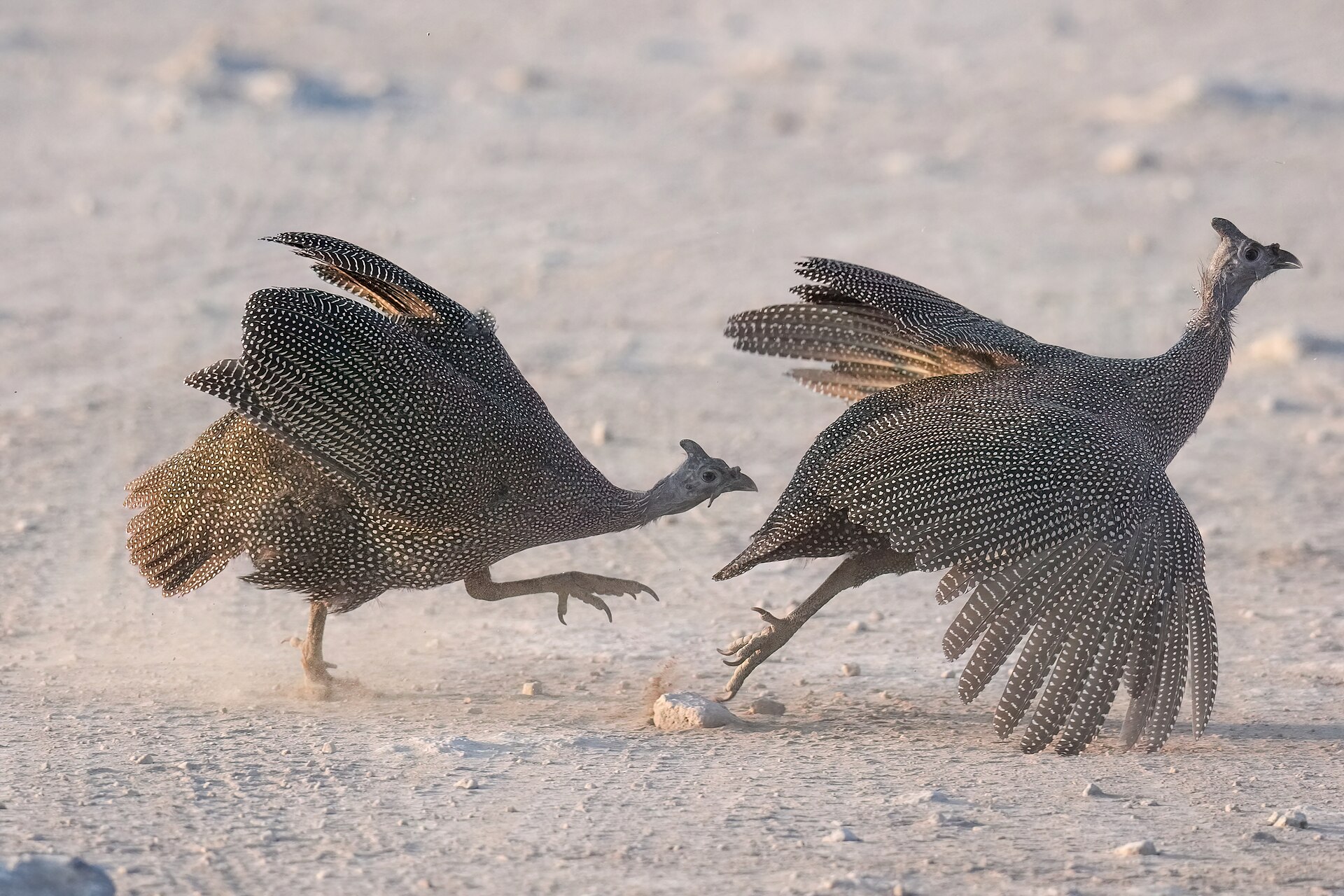
Etosha National Park
Namibia's Great Salt Pan Safari
Etosha National Park is one of Africa's finest and most distinctive game reserves — a vast salt pan visible from space surrounded by mopane woodland that supports remarkable concentrations of desert-adapted wildlife. The park's famous floodlit waterholes allow uninterrupted night-time wildlife viewing from permanent hides, making Etosha unique among African parks for its quality of after-dark sightings.
Size
22,270 km²
Established
1907
Peak Season
Jun – Oct (dry season)
From
$150–$600/day
Why Visit Etosha National Park
Wildlife
Activities
Best Time to Visit & Costs
Peak Season
Jun – Oct (dry season)
Best Months
June, July, August
Daily Cost (all-in)
$150–$600
Park Entrance Fee
$8/day per person + $8/vehicle
Safari Tours to Namibia
Verified packages from expert operators — prices from the source.
No tours listed yet — check back soon.
Browse all safari toursFrequently Asked Questions
What is Etosha famous for?
Etosha is famous for its floodlit waterholes. Unlike any other African park, the main rest camps (Okaukuejo, Halali, Namutoni) each have floodlit waterholes you can observe from permanent benches at night. Lions, black rhino, elephants, and oryx come to drink — often within meters of observers. This unique feature makes Etosha special for night-time wildlife photography.
Is Etosha good for Big Five?
Etosha offers four of the Big Five reliably: lion, leopard, elephant, and black rhino. Buffalo are rare in Etosha. Black rhino density is among the highest in Africa — one of the best places to see rhino on the entire continent. Cheetah sightings are also excellent. Etosha is also famous for large herds of oryx, springbok, giraffe, and zebra.
Can I self-drive in Etosha?
Yes — Etosha is one of Africa's best self-drive parks. Standard rental vehicles can drive on the park's excellent dirt roads. Rest camps offer fuel, accommodation, restaurants, and supermarkets. The three main camps (Okaukuejo, Halali, Namutoni) are spread across the park, allowing multi-night self-drive itineraries.
How long should I spend in Etosha?
Minimum 2 nights (to cover both day drives and waterhole nights). Recommended is 3–4 nights, staying in 2 of the 3 main camps to cover different areas. Etosha is usually combined with Sossusvlei (desert dunes, 4 hours south) and the Damaraland desert region in a 7–10 day Namibia self-drive circuit.
What is the best camp in Etosha?
Okaukuejo is the most popular — it has the best waterhole (floodlit, with permanent hippos and frequent lion/rhino visits) and the iconic tower. Halali's waterhole has a natural rocky setting attractive to leopards. Namutoni (eastern park, Fort Namutoni) is best for large herds of zebra and springbok. For luxury, Onguma Private Reserve bordering the eastern park is excellent.
Combine with Nearby Parks
Ready to Visit Etosha National Park?
Browse verified tours from expert operators, or use our cost calculator to estimate your total trip budget.