Hwange National Park
Zimbabwe's Wildlife Wilderness
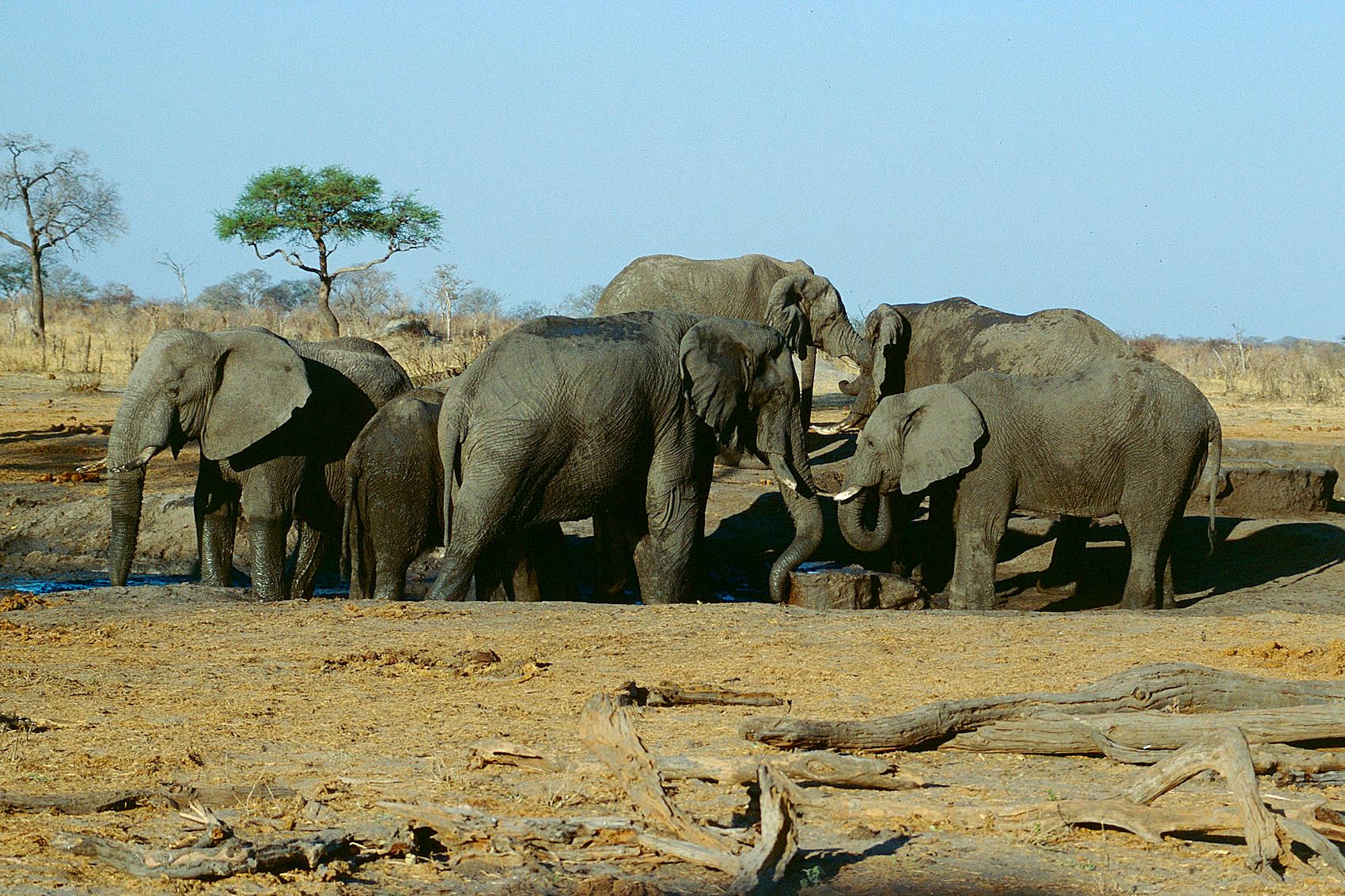
Hwange is Zimbabwe's largest national park and one of Africa's great elephant refuges — hosting over 50,000 elephants alongside exceptional concentrations of African wild dogs, lion prides, and 100+ other mammal species. Despite its immense biodiversity and low visitor numbers, Hwange remains one of Africa's best-kept safari secrets, offering superb wildlife at a fraction of the cost of Botswana's adjacent parks.
Size
14,651 km²
Established
1929
Peak Season
Jul – Oct (peak dry season)
From
$200–$900/day
Why Visit Hwange National Park
Wildlife
Activities
Best Time to Visit & Costs
Peak Season
Jul – Oct (peak dry season)
Best Months
July, August, September
Daily Cost (all-in)
$200–$900
Park Entrance Fee
$20/day per person
Safari Tours to Zimbabwe
Verified packages from expert operators — prices from the source.
No tours listed yet — check back soon.
Browse all safari toursFrequently Asked Questions
Is Hwange good for wild dogs?
Yes — Hwange is one of Africa's best parks for African wild dog. Multiple resident packs use the park's open areas and den annually. The Hwange-Chobe ecosystem is one of the last strongholds for this endangered species. Sightings are not guaranteed but Hwange offers some of the highest wild dog encounter rates of any park in Africa.
How many elephants are in Hwange?
Hwange hosts over 50,000 elephants during the dry season, making it one of Africa's largest elephant concentrations. The park pumps water at 60+ pan waterholes during dry months, drawing hundreds of elephants daily to each point. September–October sees the peak elephant aggregations when all other water sources are dry.
Is Zimbabwe safe for safari?
Yes — Zimbabwe's national parks and private concessions are safe for tourists. The main safari areas (Hwange, Victoria Falls, Mana Pools) are well-managed with experienced guides. Zimbabwe has emerged as one of Africa's best safari destinations for experienced travelers seeking outstanding wildlife without the crowds of Kenya or South Africa.
How does Hwange compare to Chobe (Botswana)?
Both parks offer exceptional elephants and wild dog. Hwange advantages: lower cost, less crowded, walking safaris and horseback allowed. Chobe advantages: boat safaris on the river, more infrastructure, easier fly-in logistics. Many visitors combine both — they share a border and a 4x4 road connects them through the Kazungula area.
How do I get to Hwange National Park?
Fly into Victoria Falls Airport (closest, 100 km from main camp area) or Hwange Airport (small strips inside the park). From Victoria Falls town, road transfers to Hwange take 2–2.5 hours. The standard itinerary is Victoria Falls (1–2 nights) + Hwange (3–4 nights) + optional Chobe connection via Kazungula.
Combine with Nearby Parks
Ready to Visit Hwange National Park?
Browse verified tours from expert operators, or use our cost calculator to estimate your total trip budget.