Lake Manyara National Park
A compact jewel of the northern circuit — famous for tree-climbing lions, flamingo-fringed alkaline lake, and diverse habitats from forest to savanna.
Destination
Type
Jun-Oct
Best Time
About Lake Manyara National Park
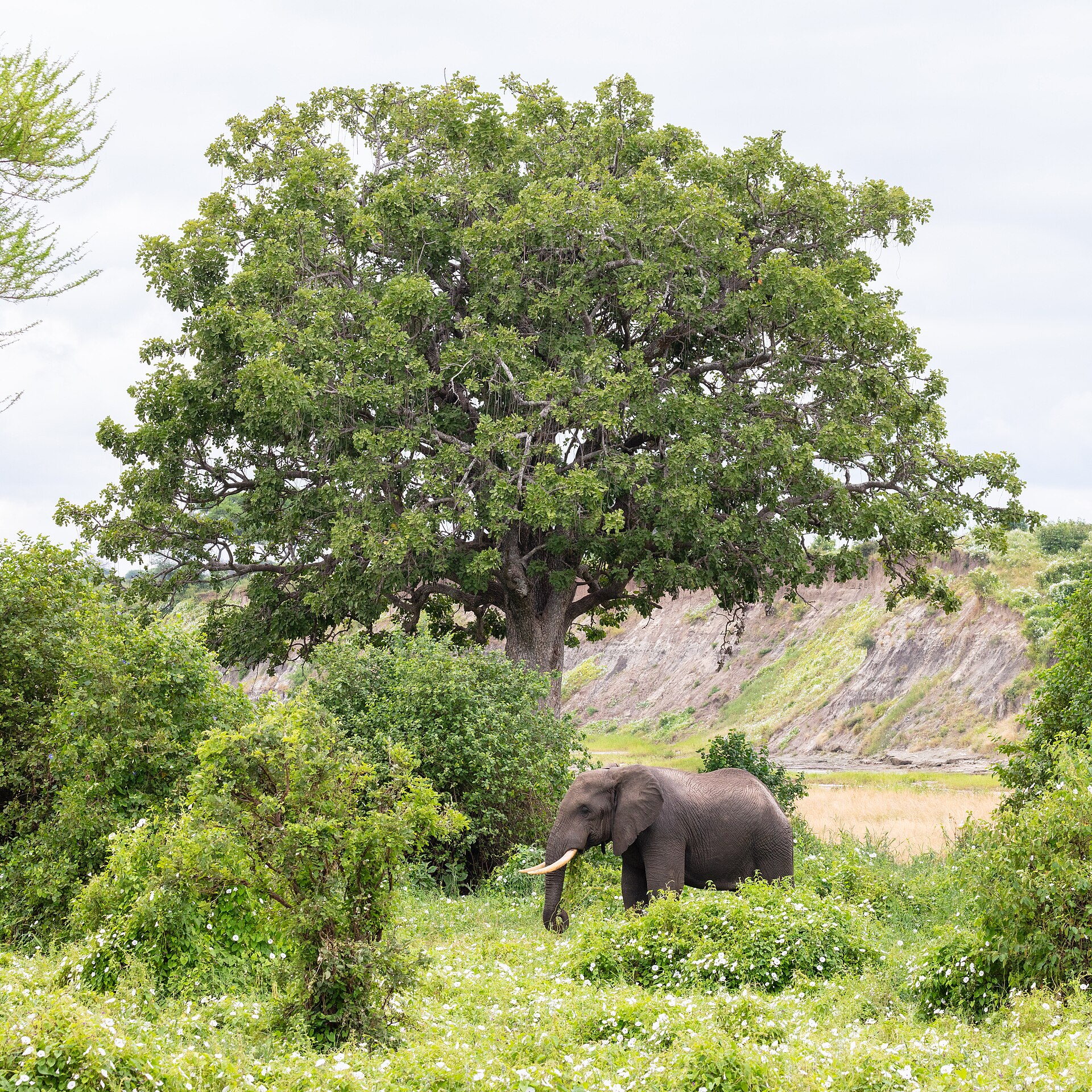
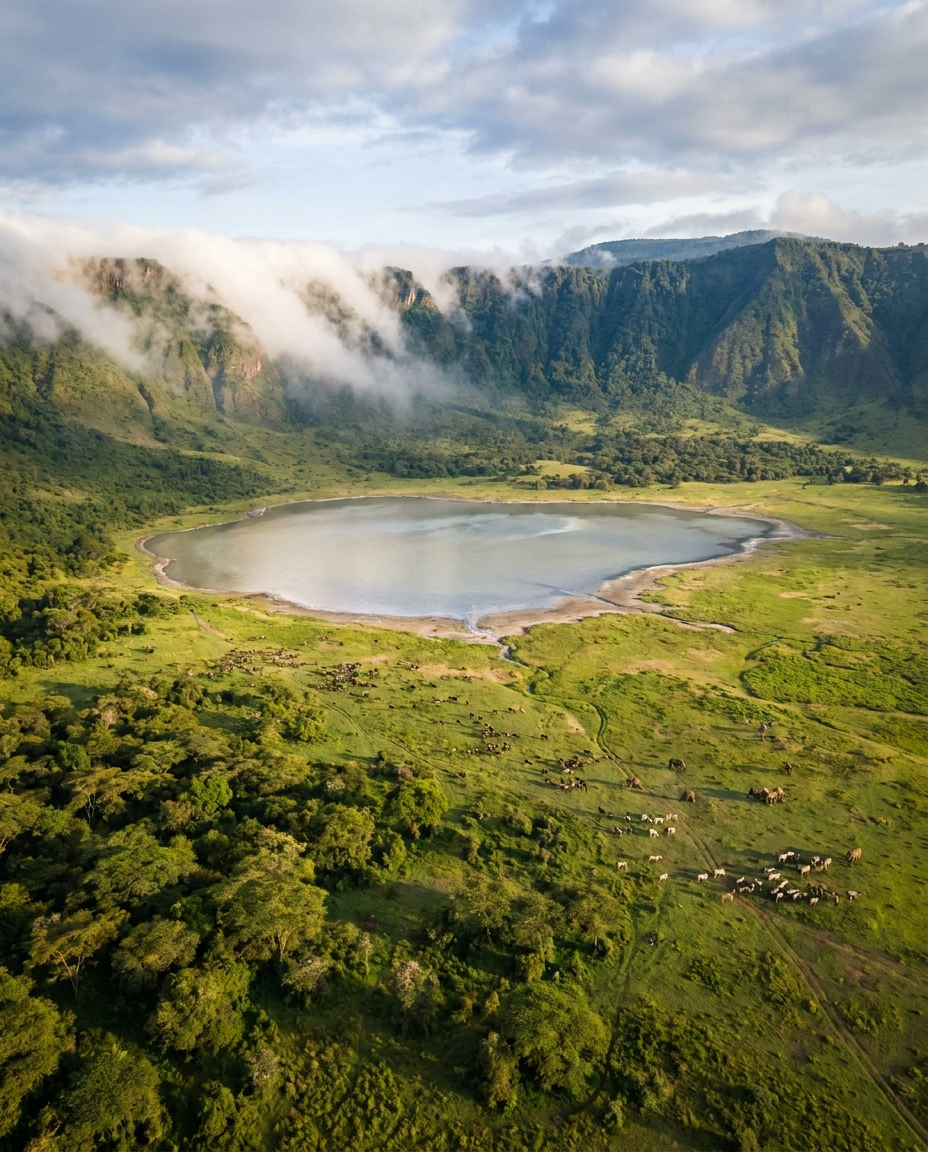
Lake Manyara National Park packs an extraordinary diversity of habitats into a narrow strip of land between the Rift Valley escarpment and the alkaline lake. Groundwater forest, acacia woodland, grassland, and the lake itself support a remarkable variety of wildlife in a compact area.
The park is famous for its tree-climbing lions, which are regularly spotted resting in the branches of mahogany and acacia trees. The alkaline lake attracts vast flocks of flamingos when conditions are right, creating a pink-tinged spectacle against the dramatic backdrop of the Rift Valley wall. Manyara is also one of the few parks in Tanzania to offer night game drives, providing opportunities to spot nocturnal species like bush babies and leopards.
Ready to Visit Lake Manyara National Park?
Let our experts plan your perfect safari itinerary
Coming Soon
We're adding more properties and tours to Lake Manyara National Park. Inquire now and we'll help you plan your perfect safari.
Plan Your SafariDestinations Near Lake Manyara National Park
Combine Lake Manyara National Park with these nearby destinations for a multi-stop safari itinerary.