Botswana Safari Guide
Africa's premier luxury safari destination — pristine wilderness, low-impact tourism, and the extraordinary Okavango Delta where water meets the Kalahari Desert.
Written by SafariSync Experts
Arusha, Tanzania — on-the-ground knowledge
About Botswana
Botswana is the connoisseur's choice for African safari — a country that has deliberately chosen quality over quantity, protecting its wilderness through a high-value, low-impact tourism model that limits visitor numbers and preserves the pristine character of its landscapes.
The centrepiece is the Okavango Delta, a UNESCO World Heritage Site and one of Earth's most extraordinary ecosystems. Each year, floodwaters from Angola's highlands travel 1,200 kilometres to fan out across the Kalahari Desert, creating a shimmering inland delta of crystal-clear channels, papyrus-fringed lagoons, and palm-studded islands. This is the only place in Africa where you can experience a water-based safari by mokoro (traditional dugout canoe) one moment and track lions on foot the next.
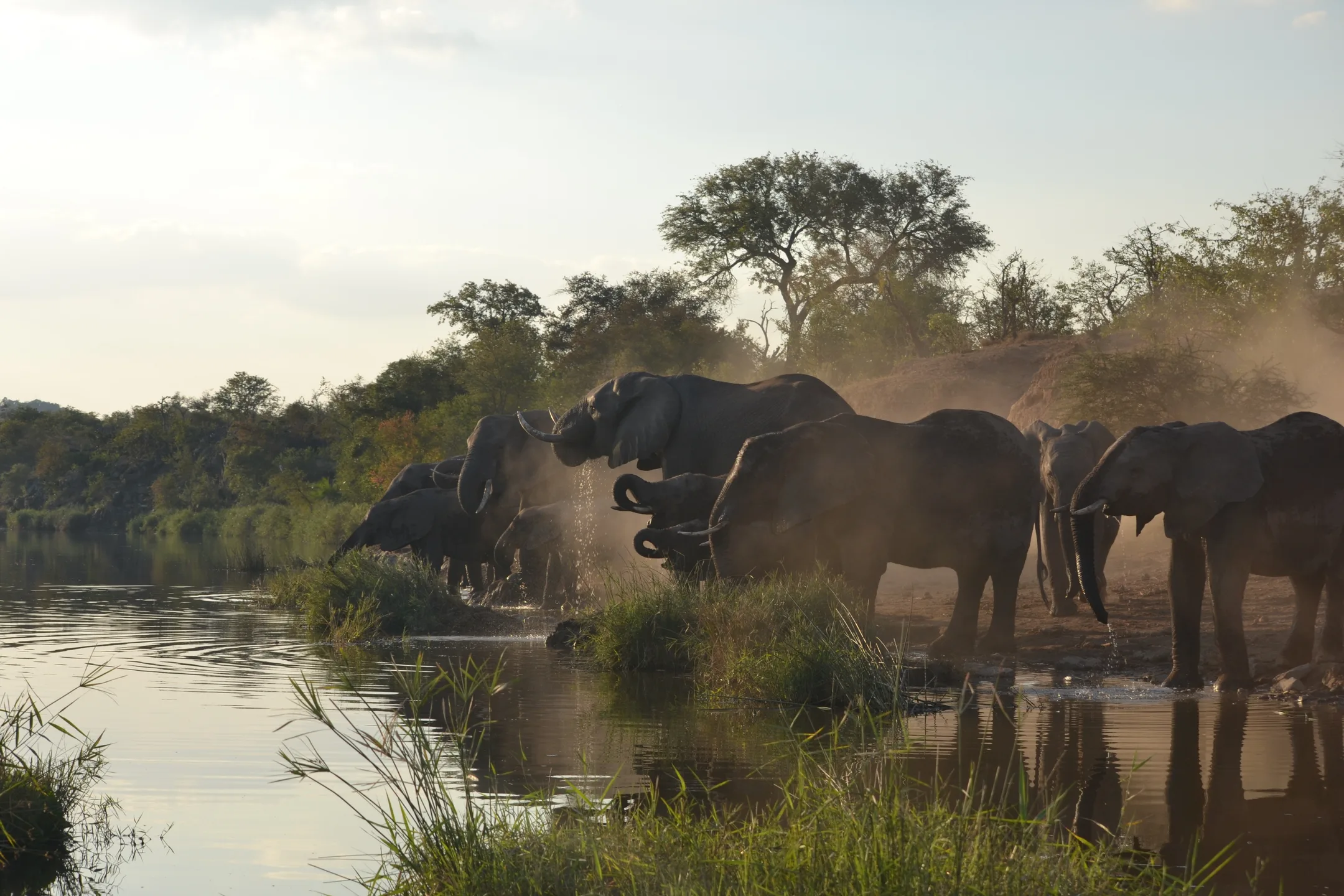
Chobe National Park in the northeast hosts the largest elephant population in Africa — an estimated 120,000 animals — along with vast buffalo herds, prides of lion, and the Chobe riverfront where animals gather in their thousands during the dry season. The Linyanti and Savuti areas offer remote wilderness experiences rivalling anywhere on the continent.
The Makgadikgadi Pans present a completely different landscape — vast, blindingly white salt flats that stretch to the horizon, home to meerkats, brown hyenas, and one of Africa's last great zebra migrations.
Why Visit Botswana
Best Time to Visit Botswana
The dry season from May to October is peak safari time when animals concentrate around permanent water sources. The Okavango Delta floods between June and August, creating a unique water-based safari experience just as the surrounding Kalahari dries out.
The green season from November to April brings rain, migratory birds, and the zebra migration in the Makgadikgadi. Many camps offer significantly reduced green season rates. The Kalahari transforms into a lush grassland with predator-prey dynamics shifting dramatically.
What a Botswana Safari Costs
Botswana is Africa's most expensive safari destination by design — the government's high-value, low-impact tourism policy means few budget options exist. Luxury fly-in camps in the Okavango Delta cost $800-3,000+ per person per night all-inclusive.
Mid-range mobile camping safaris start from $350-600 per person per day. Self-drive camping through Chobe and the Makgadikgadi is the most affordable option at $50-150 per person per day. Park fees range from $12-50/person/day depending on the area.
A classic 7-10 day Botswana safari covering the Okavango Delta, Moremi, Chobe, and optionally the Makgadikgadi costs $5,000-15,000 mid-range or $10,000-30,000+ luxury per person.
Getting to Botswana
Sir Seretse Khama International Airport (GBE) in Gaborone and Maun Airport (MUB) are the main entry points. Maun is the gateway to the Okavango Delta. Kasane Airport serves the Chobe area.
Most nationalities receive 90-day visa-free entry. Bush flights from Maun to Delta camps take 20-40 minutes and are typically included in camp packages. Self-drive is possible in Chobe and the Makgadikgadi but requires a 4x4 and experience with sand driving. The Delta itself is only accessible by light aircraft or mokoro (dugout canoe).
Botswana Safari — Frequently Asked Questions
What is the best time to visit Botswana?
The dry season from May to October is peak safari time when animals concentrate around permanent water sources. The Okavango Delta floods between June and August, creating a unique water-based safari experience just as the surrounding Kalahari dries out. The green season from November to April brings rain, migratory birds, and the zebra migration in the Makgadikgadi. Many camps offer significantly reduced green season rates. The Kalahari transforms into a lush grassland with predator-prey dynamics shifting dramatically.
How do I get to Botswana?
Sir Seretse Khama International Airport (GBE) in Gaborone and Maun Airport (MUB) are the main entry points. Maun is the gateway to the Okavango Delta. Kasane Airport serves the Chobe area. Most nationalities receive 90-day visa-free entry. Bush flights from Maun to Delta camps take 20-40 minutes and are typically included in camp packages. Self-drive is possible in Chobe and the Makgadikgadi but requires a 4x4 and experience with sand driving. The Delta itself is only accessible by light aircraft or mokoro (dugout canoe).
How much does a Botswana safari cost?
Botswana is Africa's most expensive safari destination by design — the government's high-value, low-impact tourism policy means few budget options exist. Luxury fly-in camps in the Okavango Delta cost $800-3,000+ per person per night all-inclusive. Mid-range mobile camping safaris start from $350-600 per person per day. Self-drive camping through Chobe and the Makgadikgadi is the most affordable option at $50-150 per person per day. Park fees range from $12-50/person/day depending on the area. A classic 7-10 day Botswana safari covering the Okavango Delta, Moremi, Chobe, and optionally the Makgadikgadi costs $5,000-15,000 mid-range or $10,000-30,000+ luxury per person.
What are the top things to see in Botswana?
Botswana is renowned for: Mokoro canoe safaris in the Okavango Delta, Largest elephant population in Africa (Chobe), Makgadikgadi Pans — surreal salt flat landscapes, Walking safaris with San Bushmen, Exclusive low-density tourism model, Exceptional predator viewing in Moremi. The exact wildlife and experiences depend on the season and specific areas you visit.
Can I book a Botswana safari through SafariSync?
Absolutely. SafariSync connects you with verified safari operators who run tours in Botswana. Submit an inquiry and our operators will craft a custom itinerary tailored to your dates, budget, and interests.
Why Trust This Guide
This guide is written and maintained by the SafariSync team in Arusha, Tanzania, drawing on our direct relationships with the operators and lodges we list.