Ngorongoro Crater Safari Guide
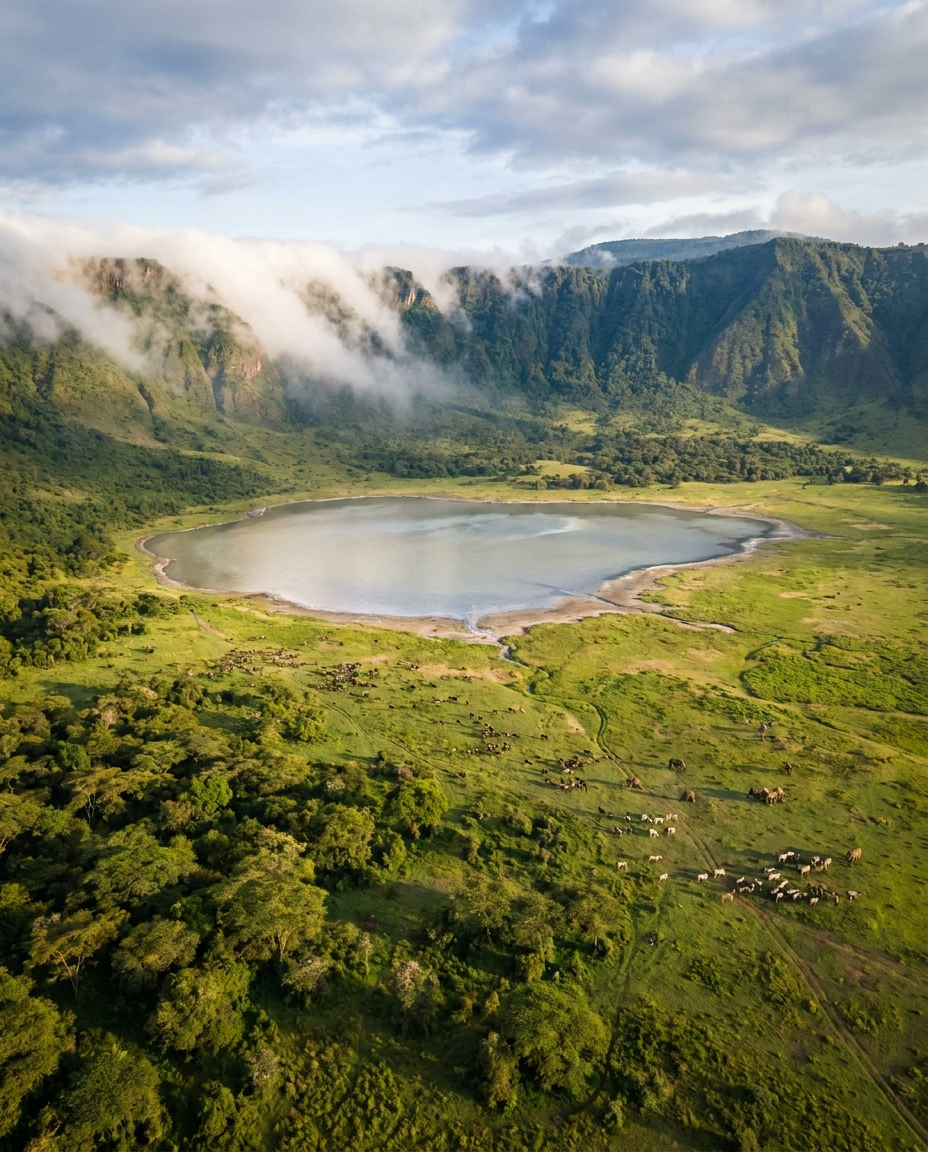
The Ngorongoro Crater is the collapsed caldera of a volcano that geologists estimate once stood as high as Kilimanjaro. What remains is the largest intact, unflooded caldera in the world: walls roughly 600 metres high enclosing a floor of about 260 square kilometres, containing grassland, the soda lake of Magadi, the Lerai fever tree forest and a permanent swamp. That enclosure supports an unusually dense resident population — commonly estimated at around 25,000 large animals — and makes the crater floor one of the more reliable places in Tanzania to see black rhino, alongside lion, elephant, buffalo, hippo and large numbers of flamingo on the lake. Access is by designated descent and ascent roads and is tightly regulated, with vehicles limited to a set number of hours on the floor, so most itineraries treat the crater as a half-day rather than a full-day drive. Most lodges sit on the forested rim above it.
Written by SafariSync Experts
Arusha, Tanzania — on-the-ground knowledge
In This Guide
About Ngorongoro Crater
The Ngorongoro Crater is one of Africa's most awe-inspiring natural wonders — a vast volcanic caldera 19 kilometres across and 600 metres deep, sheltering one of the densest concentrations of wildlife on the planet. Formed when a massive volcano collapsed roughly three million years ago, the crater floor covers 264 square kilometres of grassland, swamp, forest, and lake.
The crater supports approximately 25,000 large animals, including one of Tanzania's last populations of critically endangered black rhino. Lions, elephants, buffalo, hippos, zebra, wildebeest, and an astonishing variety of antelopes roam the crater floor in numbers that seem almost impossibly concentrated. The alkaline Lake Magadi at the crater's centre attracts flamingos in their thousands.
Perched on the crater rim at 2,300 metres, several world-class lodges offer breathtaking panoramic views across this natural amphitheatre. The descent to the crater floor — a steep, winding road through montane forest — builds anticipation before the wildlife spectacle unfolds below. Most visitors spend a single day on the crater floor, but the experience is consistently ranked among the most memorable in African travel.
Why Visit Ngorongoro Crater
Best Time to Visit Ngorongoro Crater
Year-round destination. June to October is peak season with clear skies and good game viewing. The crater floor can be cool and misty in the mornings year-round. January-March sees wildebeest calving on the nearby plains.
What a Ngorongoro Crater Safari Costs
Crater entry fees: $70/person plus $295/vehicle (making day trips expensive). Crater rim lodges $300-1,500/night. Budget option: camp on the rim ($30-50/night) and pay for a day trip. Most visitors spend 1 day on the crater floor as part of a longer safari.
Getting to Ngorongoro Crater
Located 3-4 hours by road from Arusha, on the route between Arusha and the Serengeti. Most northern circuit safaris include Ngorongoro as a natural stop. The crater rim is at 2,300m elevation — bring warm layers for morning game drives.
Where to Stay in Ngorongoro Crater
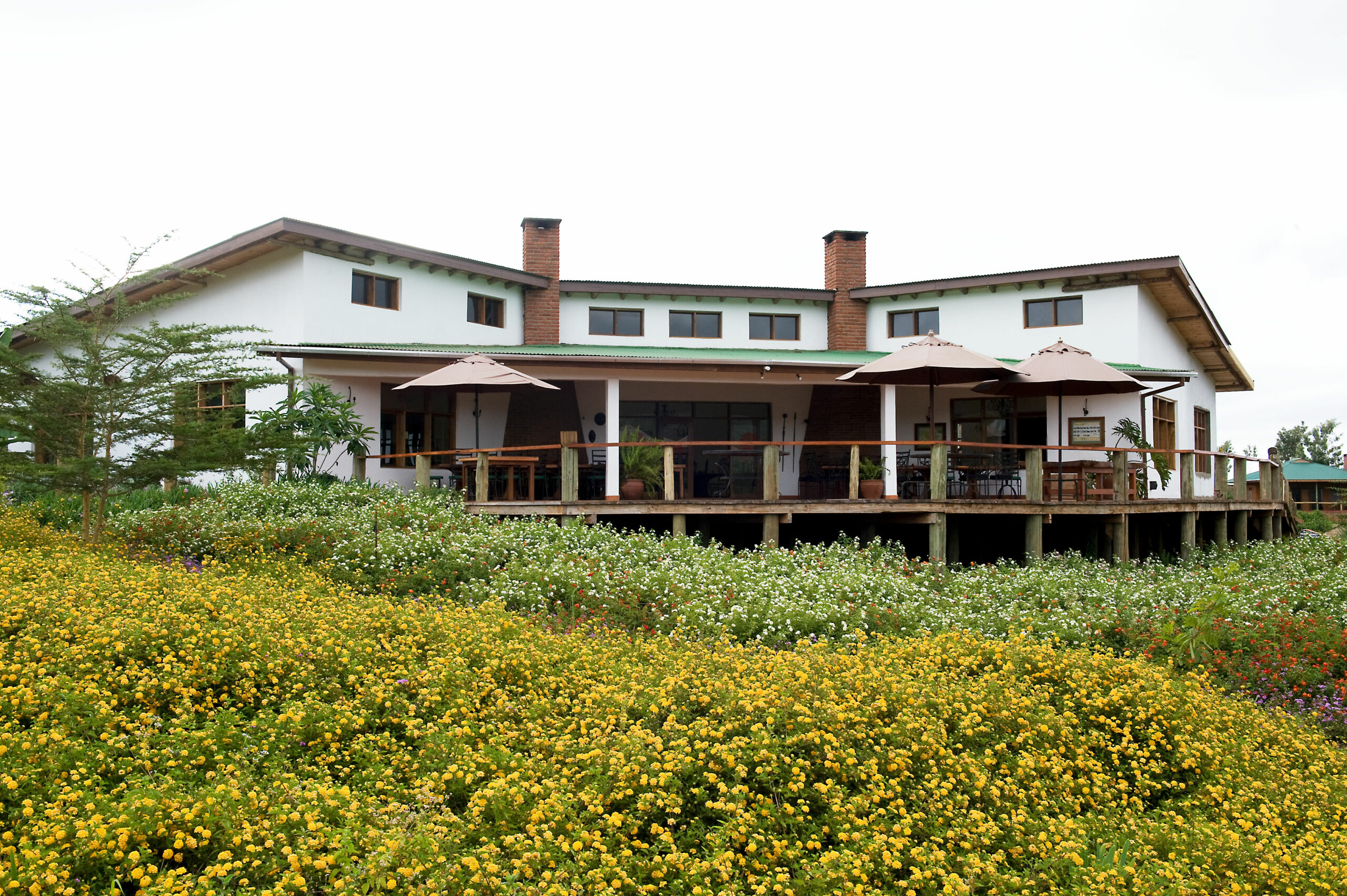
Tloma Lodge
lodge
$300 /night
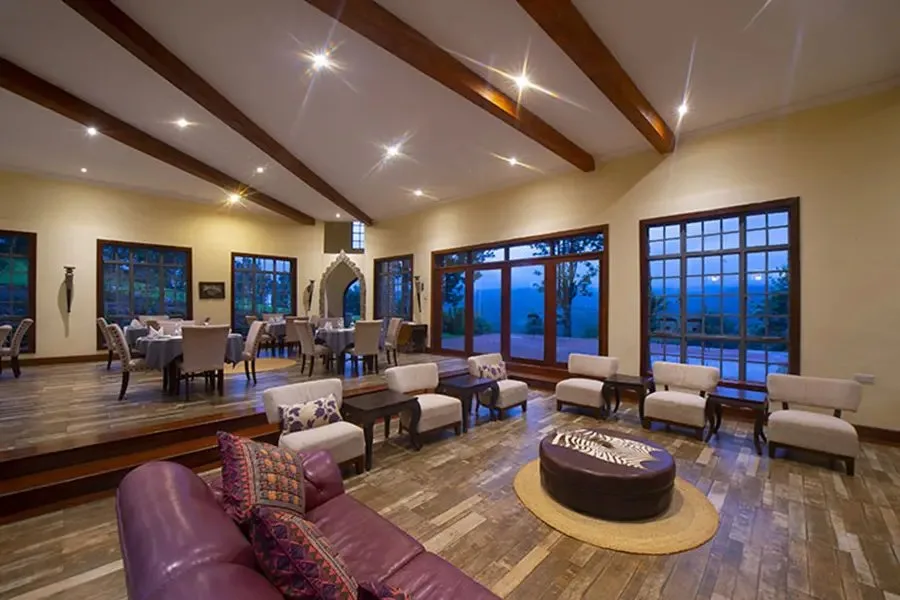
The Castle at Ngorongoro
lodge
$500 /night
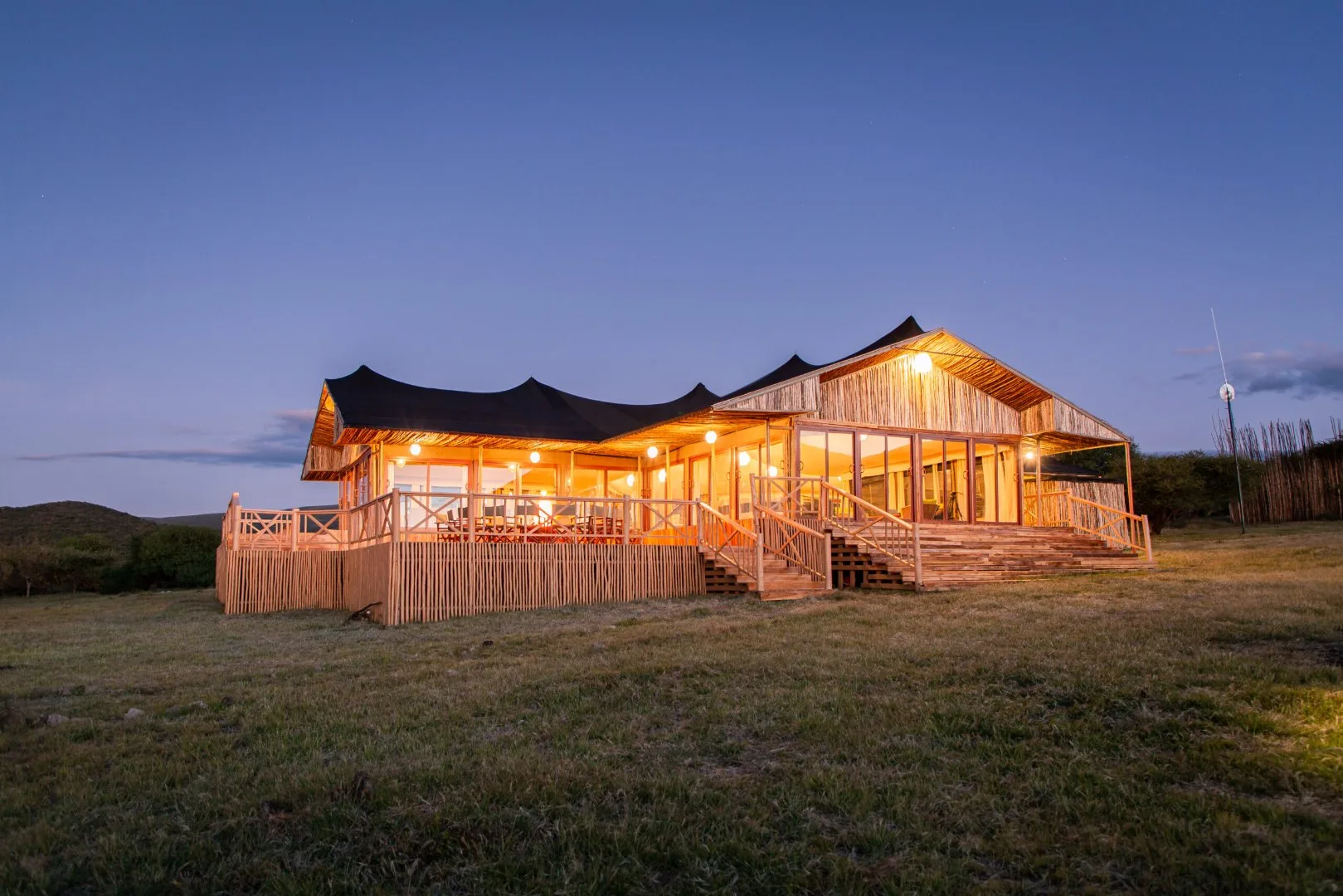
Naserian Safari Camp
safari camp
$450 /night
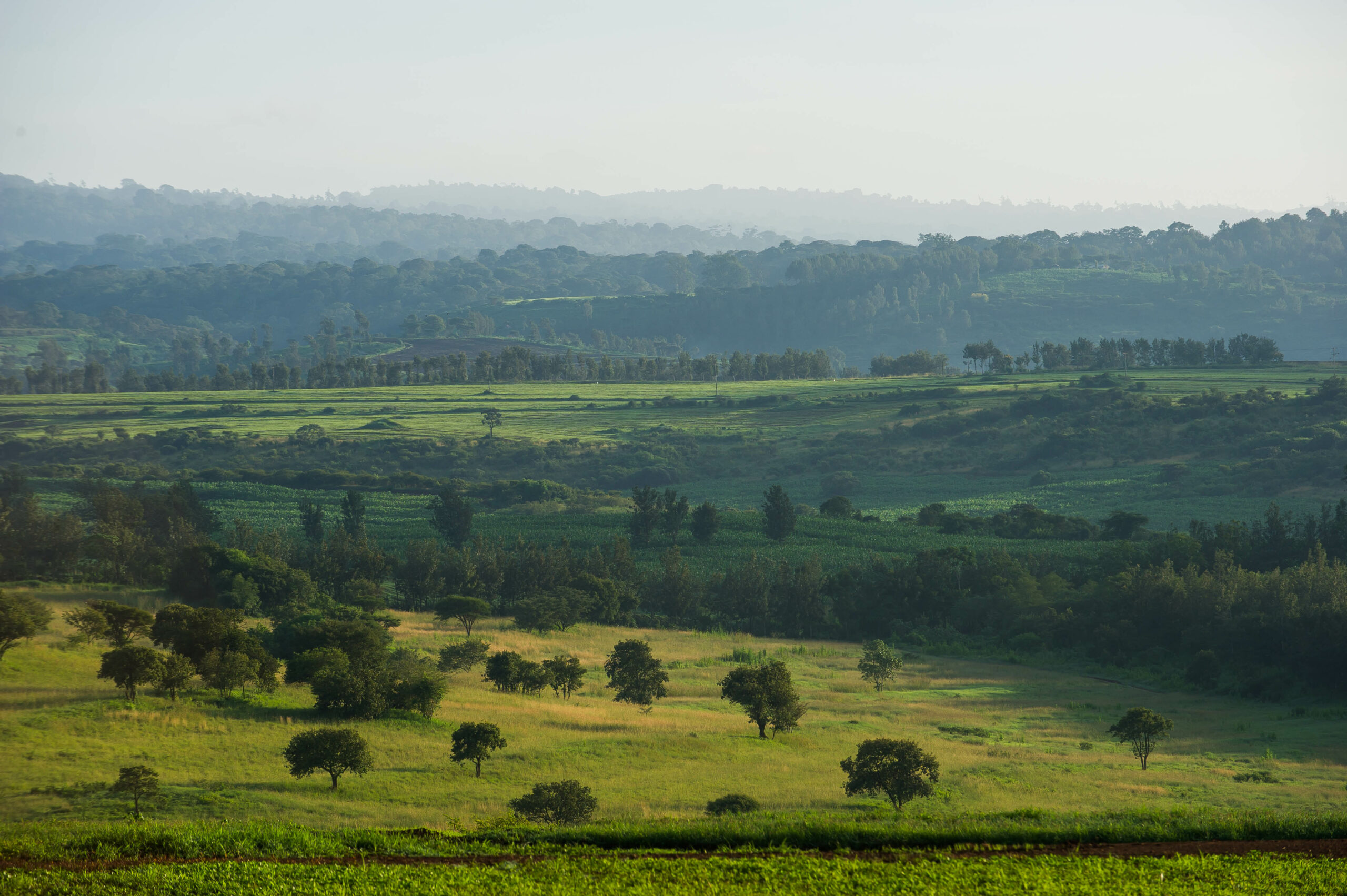
Farm House Valley
lodge
$280 /night

Ngorongoro Farm House
lodge
$350 /night
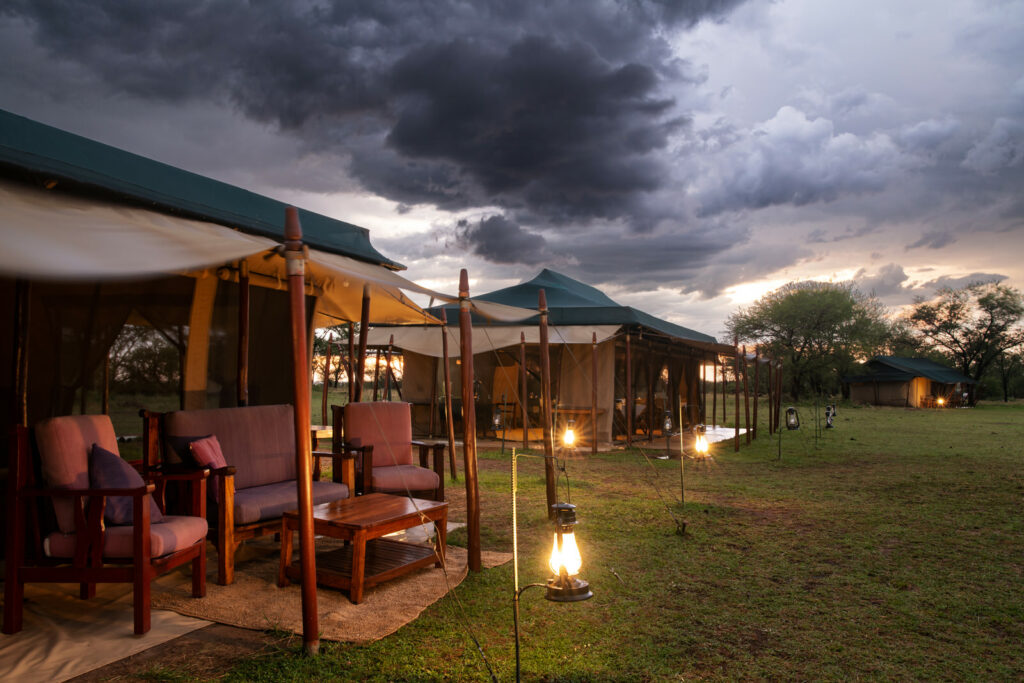
Masek Tented Lodge
lodge
$400 /night
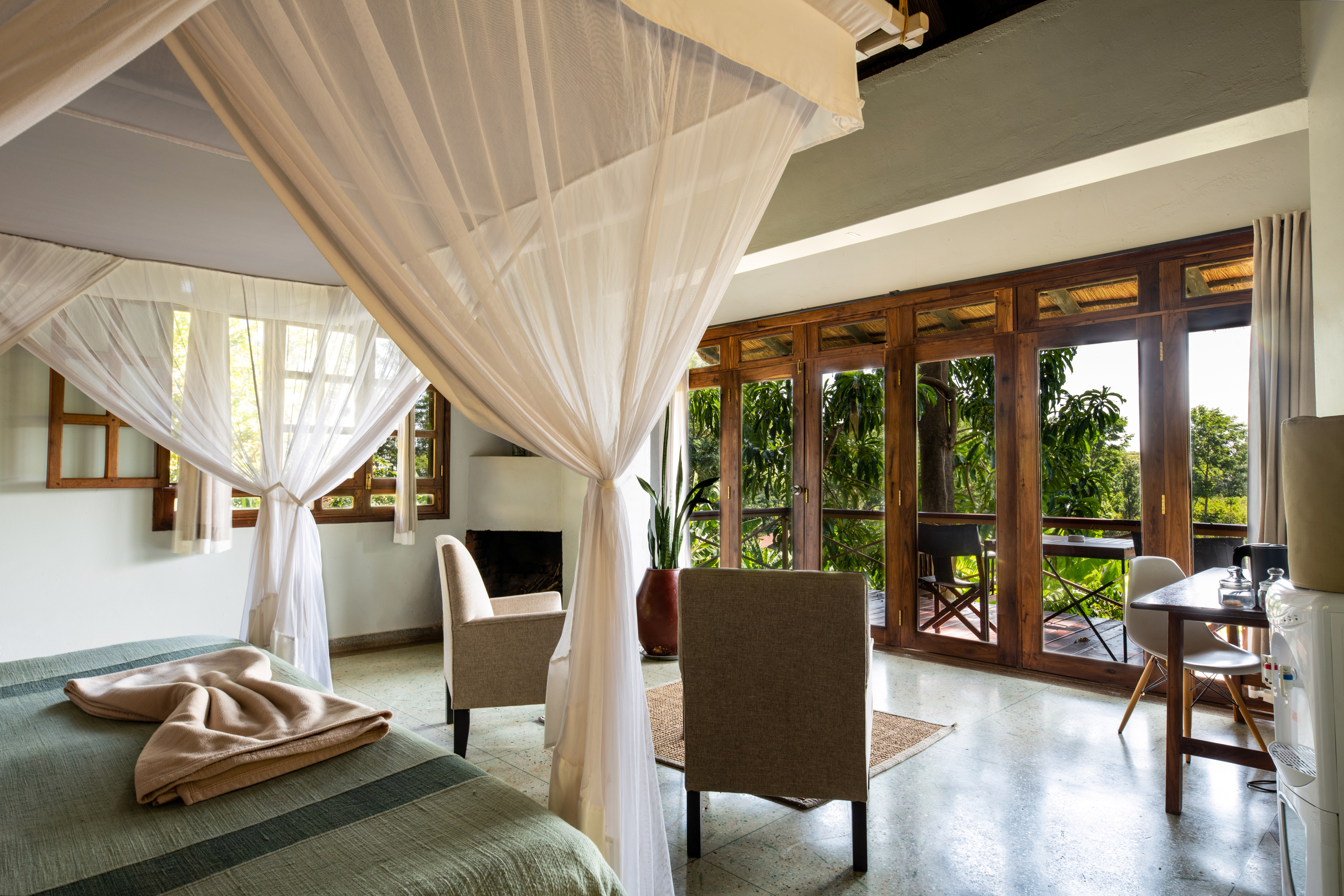
Kitela Lodge
lodge
$450 /night
Safari Tours in Ngorongoro Crater
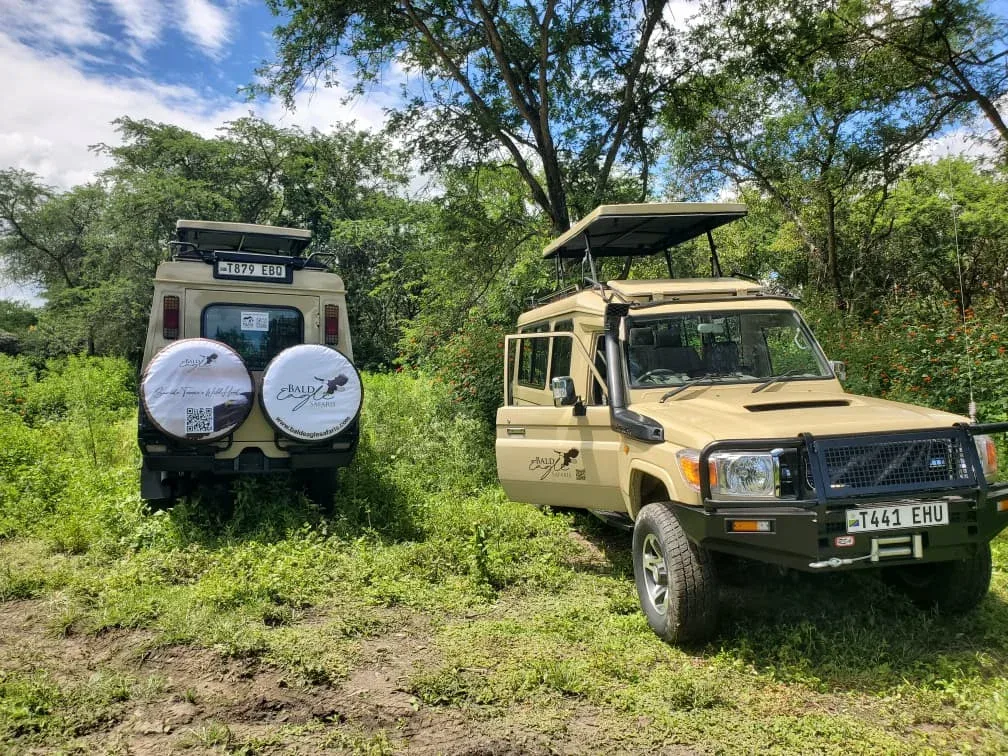
Ngorongoro Crater Safari — Frequently Asked Questions
Can you see the Big Five at Ngorongoro Crater?
Yes — Ngorongoro offers some of Africa's most reliable Big Five sightings. Lions, leopard, elephant, and buffalo are easily seen. Black rhino (critically endangered) are regularly spotted — one of very few places in Tanzania where rhino sightings are near-guaranteed. Hippos live in the central lake. Large herds of wildebeest, zebra, and flamingos are permanent residents.
What are the Ngorongoro Crater entrance fees?
Ngorongoro fees are: Conservation Area fee $70/day per person (non-resident), vehicle entry $295 (24-hour period). These are separate from any accommodation costs. Most operators include these fees in quoted tour prices. The fees are paid to the Ngorongoro Conservation Area Authority (NCAA) and fund conservation and Maasai community projects.
Is Ngorongoro Crater worth visiting?
Yes — Ngorongoro is consistently rated one of Africa's best single-day wildlife experiences. The concentrated animal density in a natural bowl means even short (4–6 hour) drives yield extraordinary sightings. Best combined with 3–4 nights in the Serengeti for a complete Tanzania safari.
Can you stay inside Ngorongoro Crater?
Camping inside the crater is permitted at the Simba A & B campsites. There are no permanent lodges on the crater floor — all lodges are on the rim (1800m elevation) with spectacular views. The Ngorongoro Crater Lodge, Ngorongoro Serena, and Ngorongoro Farm House are the main rim lodge options.
How far is Ngorongoro from the Serengeti?
The main Serengeti gate (Naabi Hill) is approximately 100 km (2–3 hours) from the Ngorongoro Crater rim via the NCA (Ngorongoro Conservation Area). Most Tanzania safari itineraries combine 3–4 nights Serengeti + 1–2 nights Ngorongoro in a single road circuit from Arusha.
Why Trust This Guide
This guide is written and maintained by the SafariSync team in Arusha, Tanzania, drawing on our direct relationships with the operators and lodges we list.