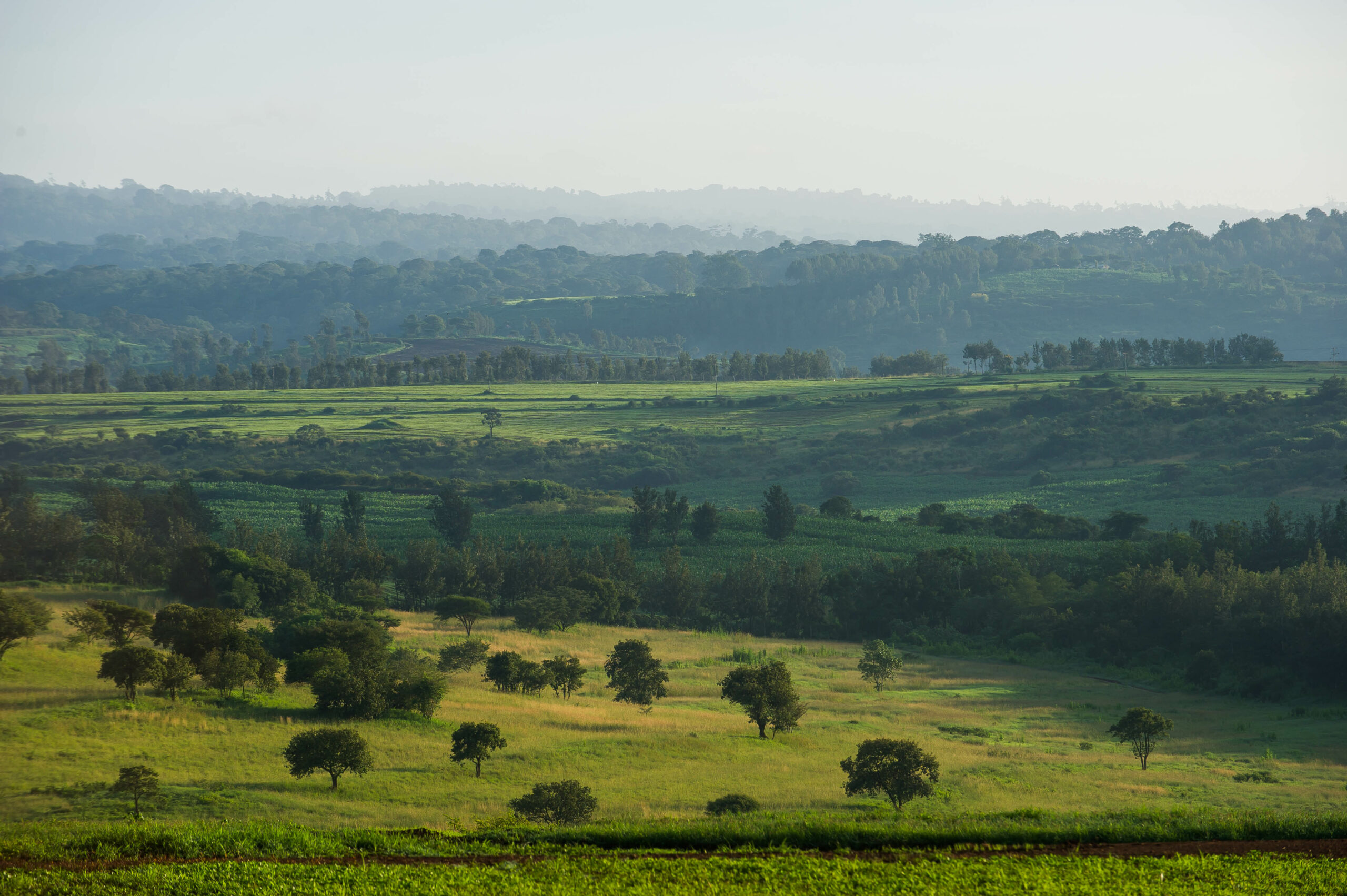
The Ngorongoro Crater is one of Africa's most awe-inspiring natural wonders — a vast volcanic caldera 19 kilometres across and 600 metres deep, sheltering one of the densest concentrations of wildlife on the planet. Formed when a massive volcano collapsed roughly three million years ago, the crater floor covers 264 square kilometres of grassland, swamp, forest, and lake.
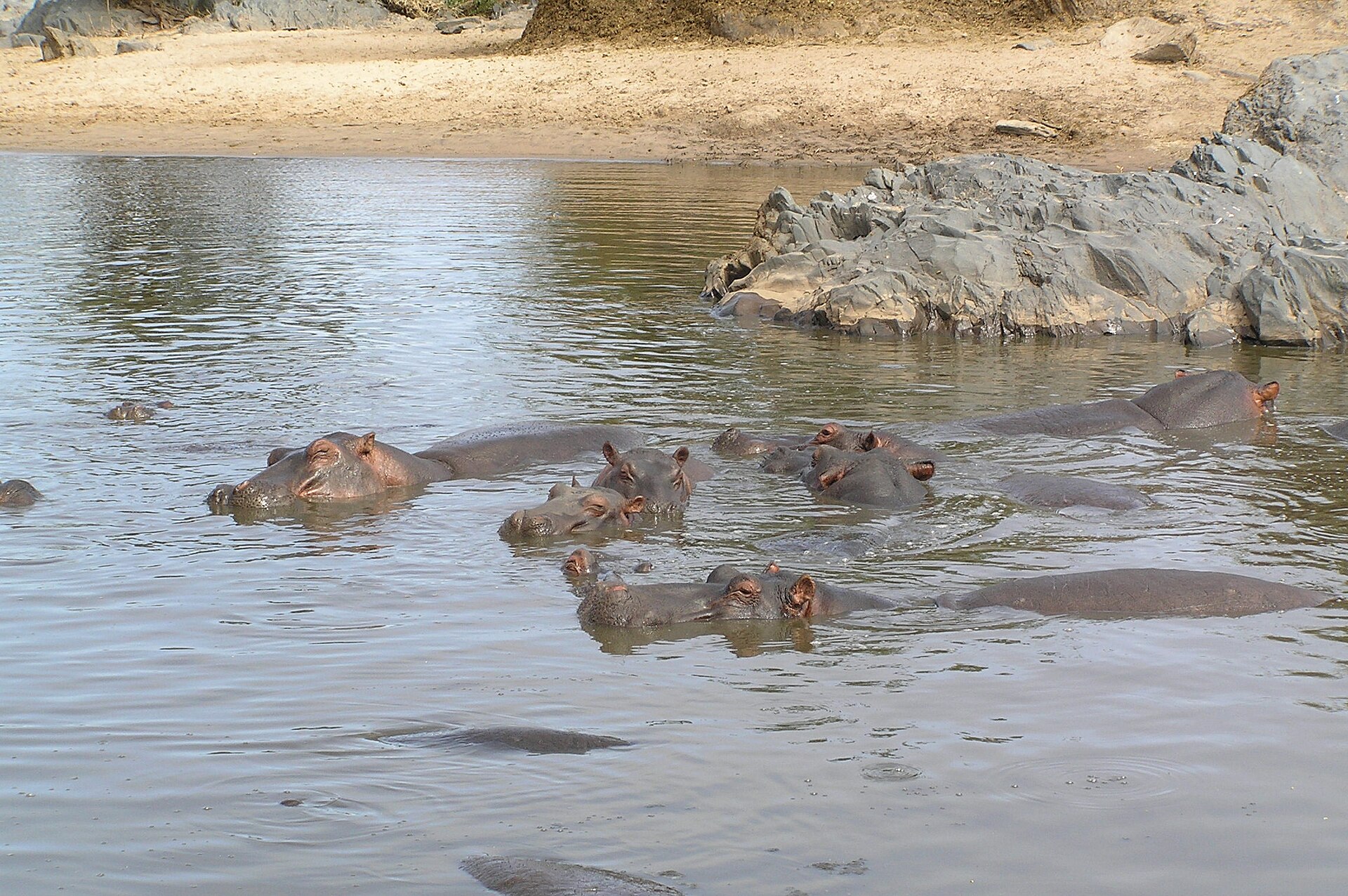
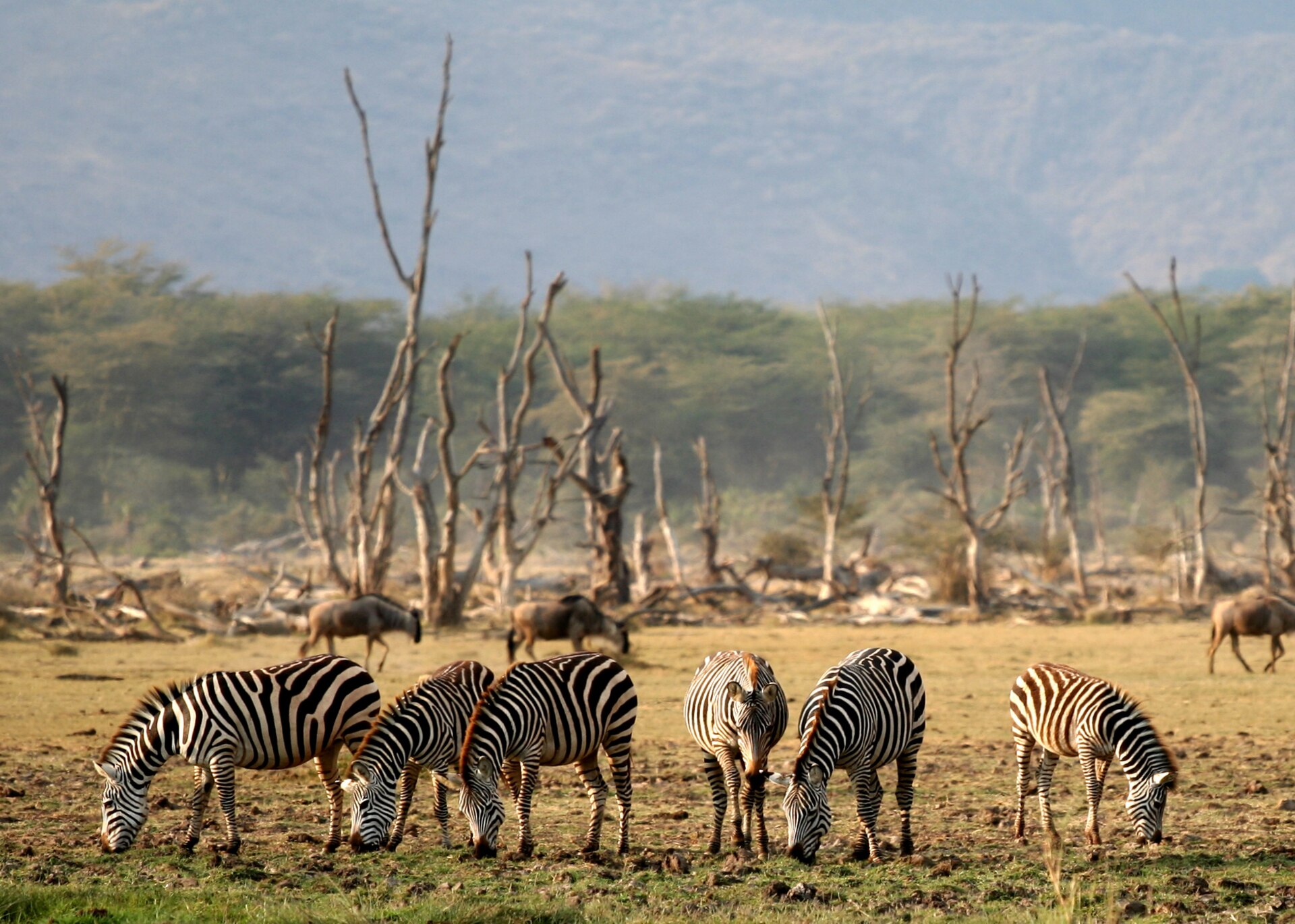
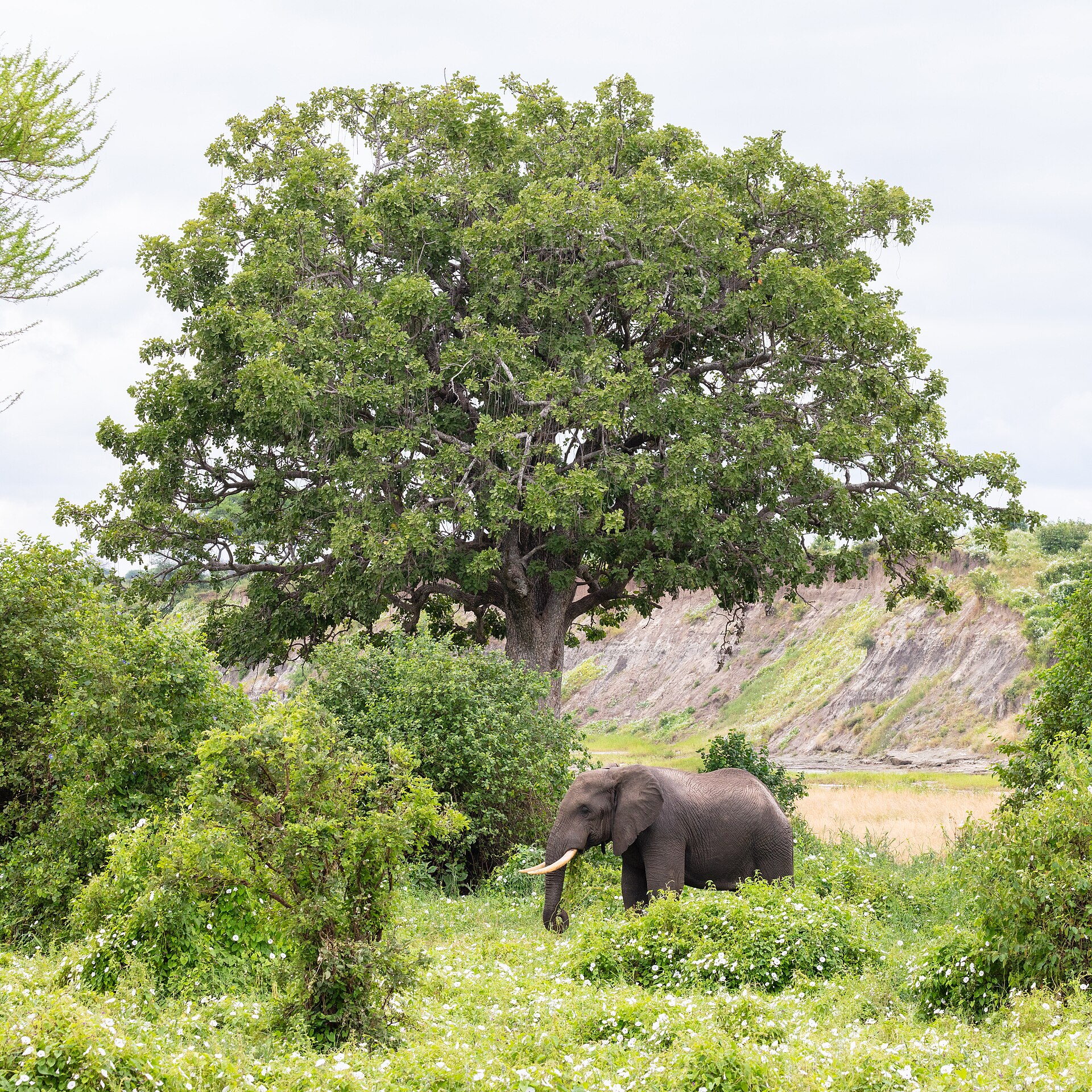
The crater supports approximately 25,000 large animals, including one of Tanzania's last populations of critically endangered black rhino. Lions, elephants, buffalo, hippos, zebra, wildebeest, and an astonishing variety of antelopes roam the crater floor in numbers that seem almost impossibly concentrated. The alkaline Lake Magadi at the crater's centre attracts flamingos in their thousands.
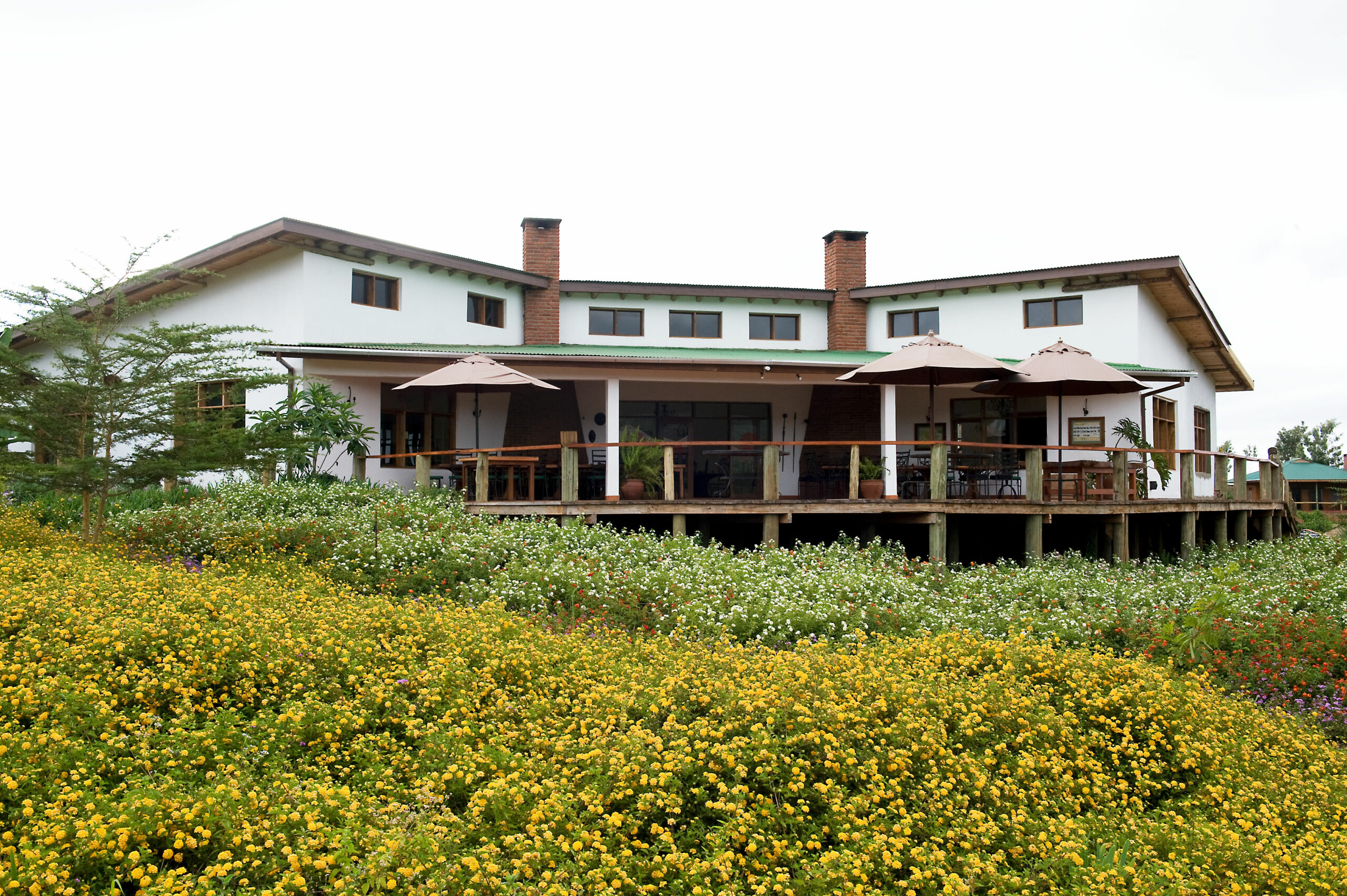
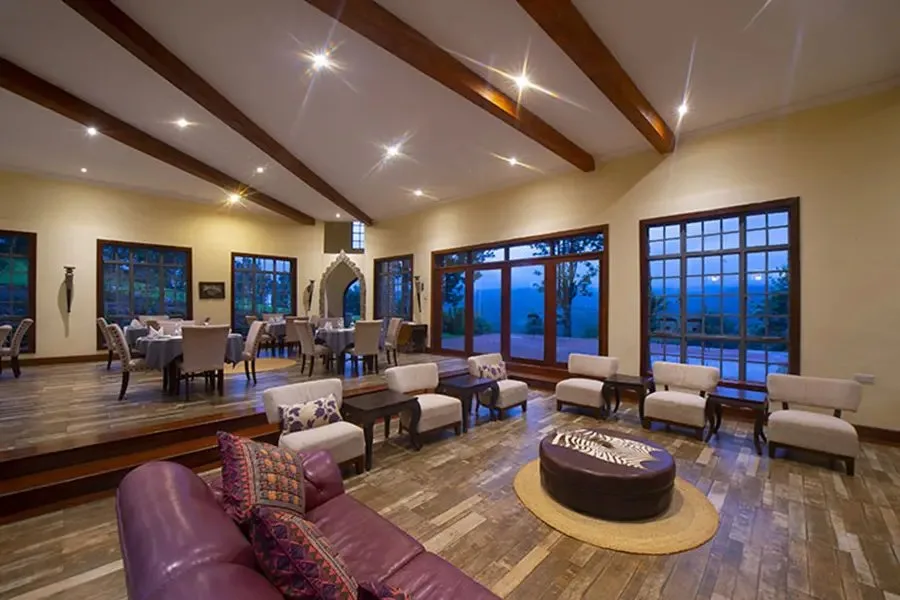
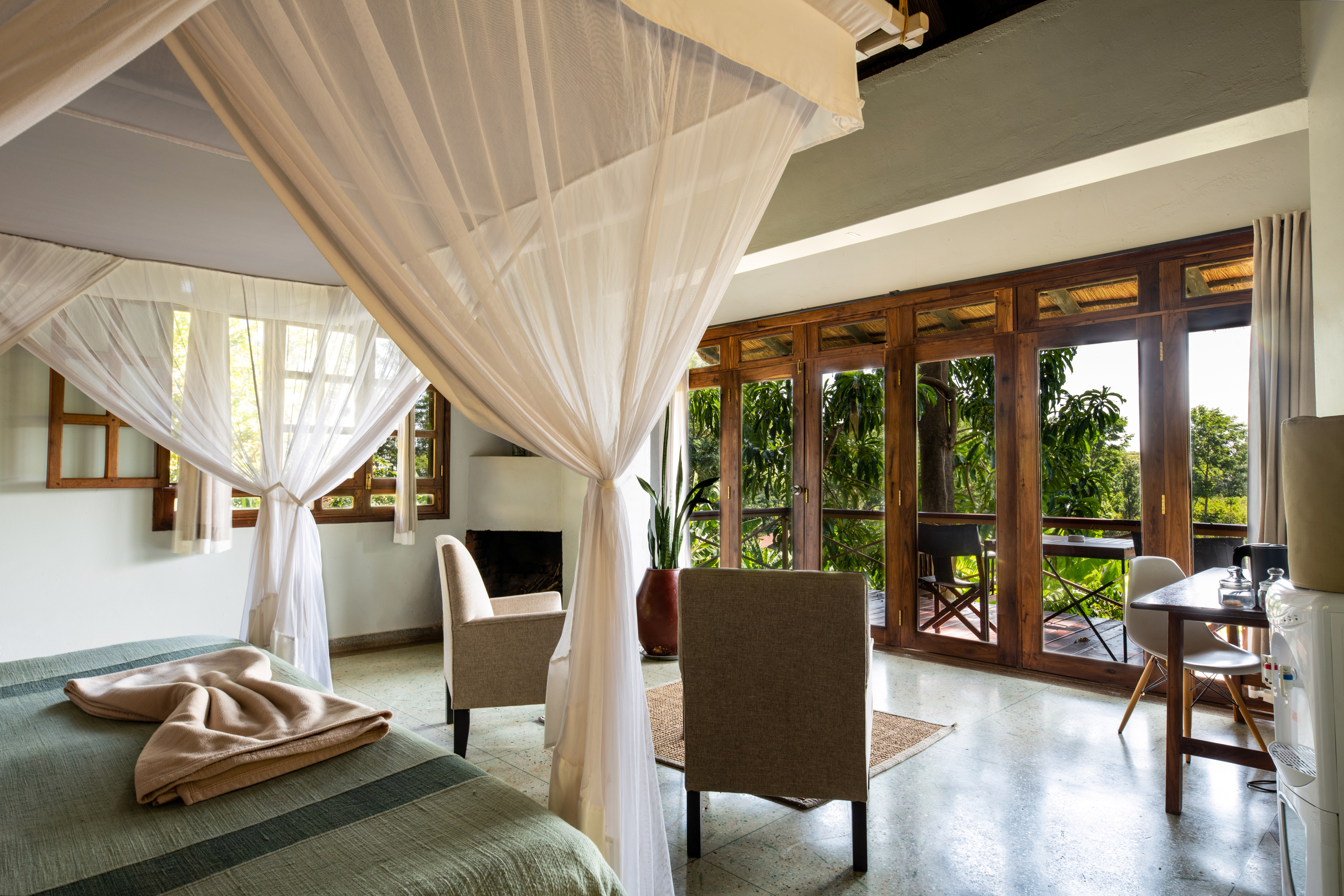
Perched on the crater rim at 2,300 metres, several world-class lodges offer breathtaking panoramic views across this natural amphitheatre. The descent to the crater floor — a steep, winding road through montane forest — builds anticipation before the wildlife spectacle unfolds below. Most visitors spend a single day on the crater floor, but the experience is consistently ranked among the most memorable in African travel.
Everything you need to know before booking your Ngorongoro Crater safari — from the ideal season to budget expectations and logistics.
Year-round destination. June to October is peak season with clear skies and good game viewing. The crater floor can be cool and misty in the mornings year-round. January-March sees wildebeest calving on the nearby plains.
Crater entry fees: $70/person plus $295/vehicle (making day trips expensive). Crater rim lodges $300-1,500/night. Budget option: camp on the rim ($30-50/night) and pay for a day trip. Most visitors spend 1 day on the crater floor as part of a longer safari.
Year-round destination. June to October is peak season with clear skies and good game viewing. The crater floor can be cool and misty in the mornings year-round. January-March sees wildebeest calving on the nearby plains.
Located 3-4 hours by road from Arusha, on the route between Arusha and the Serengeti. Most northern circuit safaris include Ngorongoro as a natural stop. The crater rim is at 2,300m elevation — bring warm layers for morning game drives.
Ngorongoro Crater is known for incredible wildlife viewing. Top experiences include: World's largest intact caldera (19km across), One of the best places to see black rhino, Extraordinary wildlife density — 25,000+ animals, Flamingo-fringed Lake Magadi, Maasai cultural heritage on the crater rim, Stunning crater rim lodges with panoramic views. The specific species you'll encounter depend on the season and exact location within Ngorongoro Crater.
Crater entry fees: $70/person plus $295/vehicle (making day trips expensive). Crater rim lodges $300-1,500/night. Budget option: camp on the rim ($30-50/night) and pay for a day trip. Most visitors spend 1 day on the crater floor as part of a longer safari.
Located 3-4 hours by road from Arusha, on the route between Arusha and the Serengeti. Most northern circuit safaris include Ngorongoro as a natural stop. The crater rim is at 2,300m elevation — bring warm layers for morning game drives.
Ngorongoro, Tanzania
$450 /night
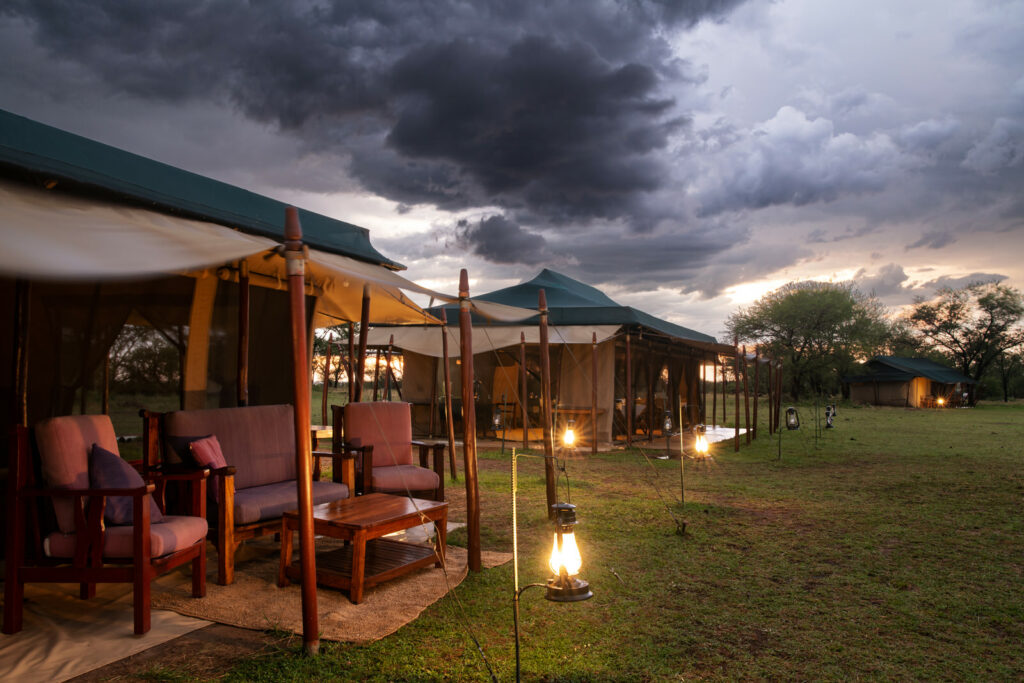
safari camp