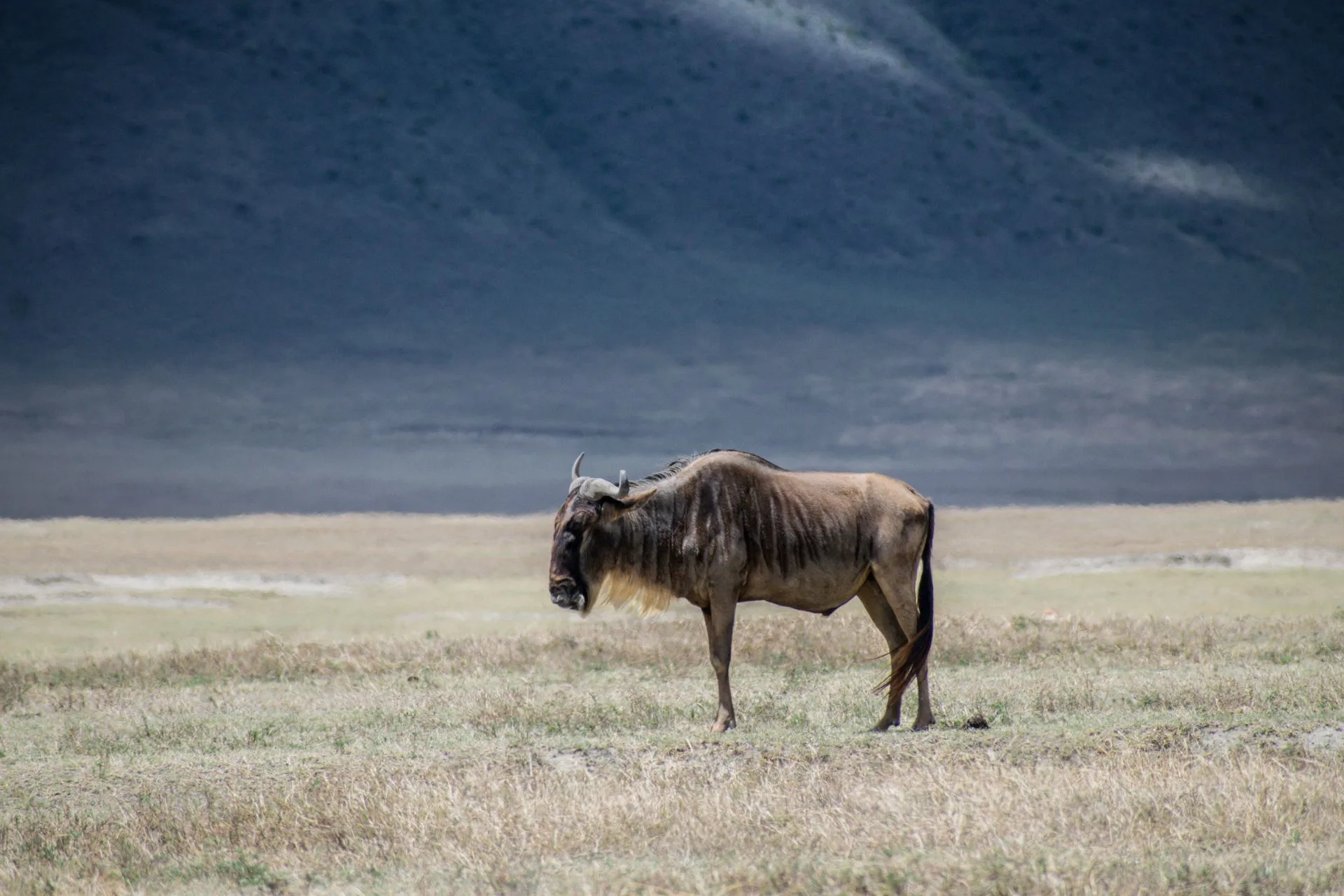
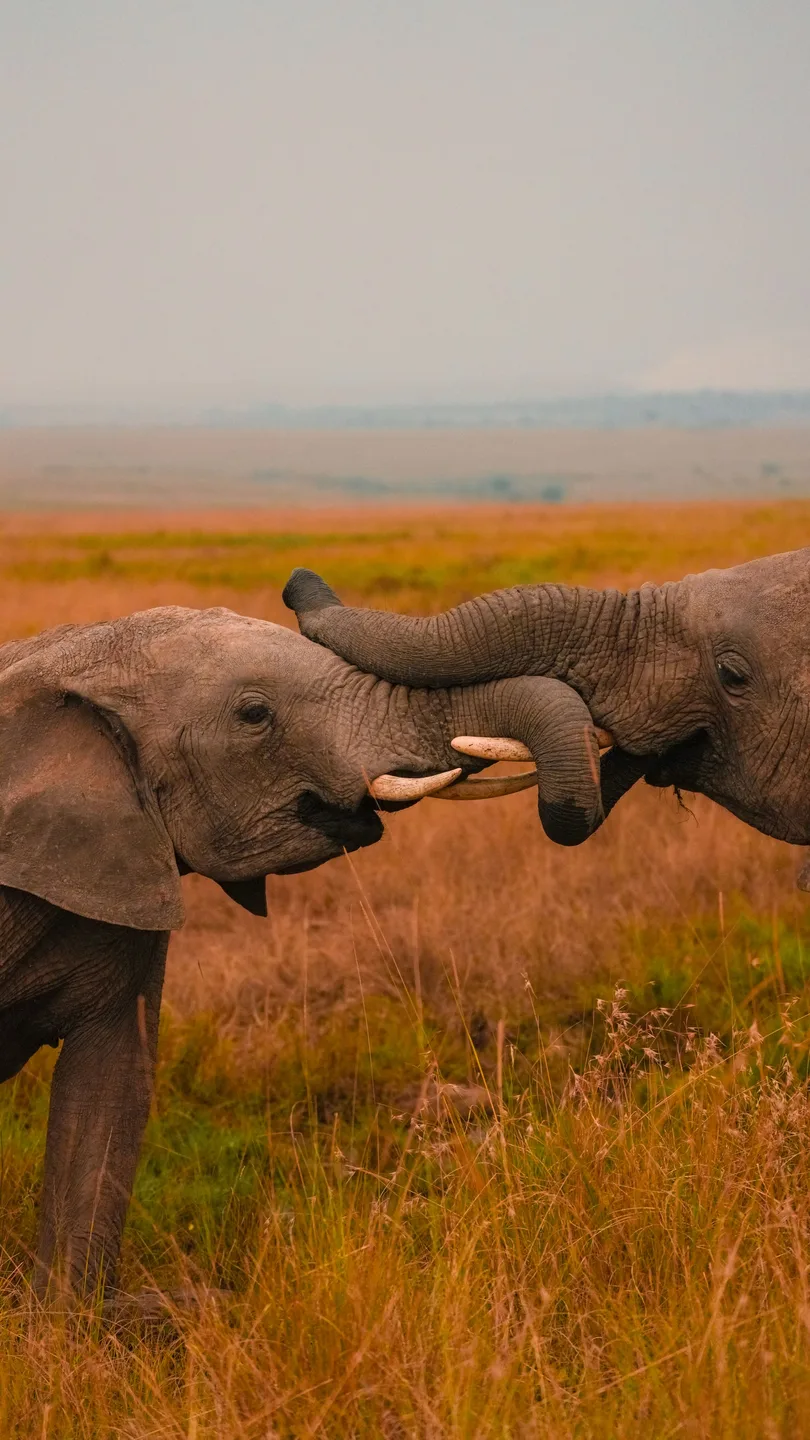
The Serengeti and Masai Mara dominate safari conversations for good reason -- they deliver consistently spectacular wildlife viewing. But East Africa has a depth of safari destinations that most travelers never discover. These parks and reserves offer experiences that are often more intimate, less crowded, and in some cases more ecologically diverse than their famous counterparts.
If you have already done the classic northern Tanzania or Kenya circuit, or if you simply prefer solitude over popularity, these are the places that will reward you.
Ruaha National Park, Tanzania
Tanzania's largest national park is also one of its least visited. Ruaha covers over 20,000 square kilometers of rugged, semi-arid landscape -- baobab-studded hills, the Great Ruaha River, and vast open plains. It receives a fraction of the Serengeti's visitor numbers, which means you can spend an entire game drive without seeing another vehicle.
Ruaha is one of the best places in Africa to see wild dogs (African painted wolves). The park supports one of the continent's largest wild dog populations. It is also superb for large predators -- lion prides here are among the biggest in East Africa, and leopard sightings along the Ruaha River are frequent.
The dry season (June to November) concentrates game around the river, creating phenomenal viewing. Elephants gather in herds of 100 or more. The birdlife is outstanding, with over 570 recorded species.
Nyerere National Park (formerly Selous), Tanzania
Renamed in 2019, Nyerere is one of Africa's largest protected areas and offers something unique: boat safaris. The Rufiji River system runs through the park, and game viewing from the water provides a completely different perspective. Hippos surface meters from your boat. Crocodiles bask on sandbanks. Elephants wade across channels. Fish eagles call overhead.
Nyerere also offers walking safaris, a rarity in Tanzania's national parks. Walking with an armed ranger through the bush -- reading tracks, identifying plants, listening for alarm calls -- is a fundamentally different experience from vehicle-based game viewing. It is slower, quieter, and more immersive.
Tarangire National Park, Tanzania
Often treated as a half-day stop on the northern circuit, Tarangire deserves far more time. During the dry season (July to October), this park hosts the largest elephant concentrations in northern Tanzania -- herds of 300 or more gathering along the Tarangire River. The ancient baobab trees, some over 1,000 years old, create a landscape unlike anywhere else in East Africa.
Tarangire is also one of the best parks for tree-climbing pythons, fringe-eared oryx, lesser kudu, and the ashy starling -- a bird found nowhere else on Earth.
Ol Pejeta Conservancy, Kenya
Ol Pejeta sits on the Laikipia Plateau, between Mount Kenya and the Aberdares. It is home to the last two northern white rhinos on Earth (Najin and Fatu, both female) and the largest black rhino sanctuary in East Africa. The conservancy's rhino tracking experience -- on foot, with armed rangers -- is deeply moving and educational.
Beyond rhinos, Ol Pejeta offers excellent general game viewing, a chimpanzee sanctuary (the only one in Kenya), and night game drives -- which are prohibited in Kenya's national parks but permitted in conservancies. Seeing a leopard hunt by spotlight is an experience most Kenya safari-goers never have.
Lake Manyara National Park, Tanzania
Small but extraordinarily diverse, Lake Manyara packs groundwater forest, acacia woodland, grassland, and an alkaline lake into just 330 square kilometers. It was one of Jane Goodall's early research sites and is famous for its tree-climbing lions -- a behavior that remains scientifically unexplained but photographically irresistible.
The lake itself hosts vast flocks of flamingos (when water levels are right), pelicans, and yellow-billed storks. The park's hot springs at the southern end are a hidden gem within a hidden gem.
Mahale Mountains National Park, Tanzania
Accessible only by boat or charter flight, Mahale is one of Africa's most remote and magical parks. Set on the shores of Lake Tanganyika, it protects roughly 800 chimpanzees in one of the longest-running primate research sites in the world (Japanese researchers have studied the Mahale chimps since 1965).
Chimpanzee trekking here is more intimate than gorilla trekking -- smaller groups, longer observation time, and chimps that are thoroughly habituated. After your trek, you can swim in the crystal-clear waters of Lake Tanganyika or kayak along the forested shoreline. Mahale is expensive and logistically complex, but those who visit almost universally describe it as a highlight of their African travels.
Saadani National Park, Tanzania
Saadani is the only national park in East Africa where the bush meets the beach. Elephants walk on the sand. Lions hunt in coastal thicket. Green turtles nest on the shore. It is not the Serengeti -- game densities are lower -- but the combination of safari and Indian Ocean coastline is unique on the continent.
Saadani works beautifully as an end-of-safari extension for travelers who want beach time without leaving the wilderness entirely. Boat trips on the Wami River offer excellent crocodile and hippo viewing, and the offshore waters are home to dolphins and humpback whales (June to October).
Arusha National Park, Tanzania
Overlooked because of its proximity to the city, Arusha National Park is a gem for travelers with a spare half-day before or after a safari. Mount Meru -- Africa's fifth-highest peak -- towers above alkaline lakes filled with flamingos. The Ngurdoto Crater is a miniature Ngorongoro, and the park's colobus monkeys are the most easily observed in Tanzania.
Canoeing on the Momella Lakes with flamingos, giraffes, and Mount Meru reflected in the water is one of northern Tanzania's most underrated experiences. And it is 45 minutes from Arusha town.
The famous parks earned their reputation for a reason. But Africa's depth runs far beyond the headlines. These places offer something the crowded circuits cannot: the feeling that the wilderness belongs to you and the animals, and no one else.