Amboseli National Park

Elephants Under Kilimanjaro

392 km²

Park size

1,600+

Elephants

5,895 m

Kilimanjaro height

45 min

From Nairobi by air

About Amboseli National Park

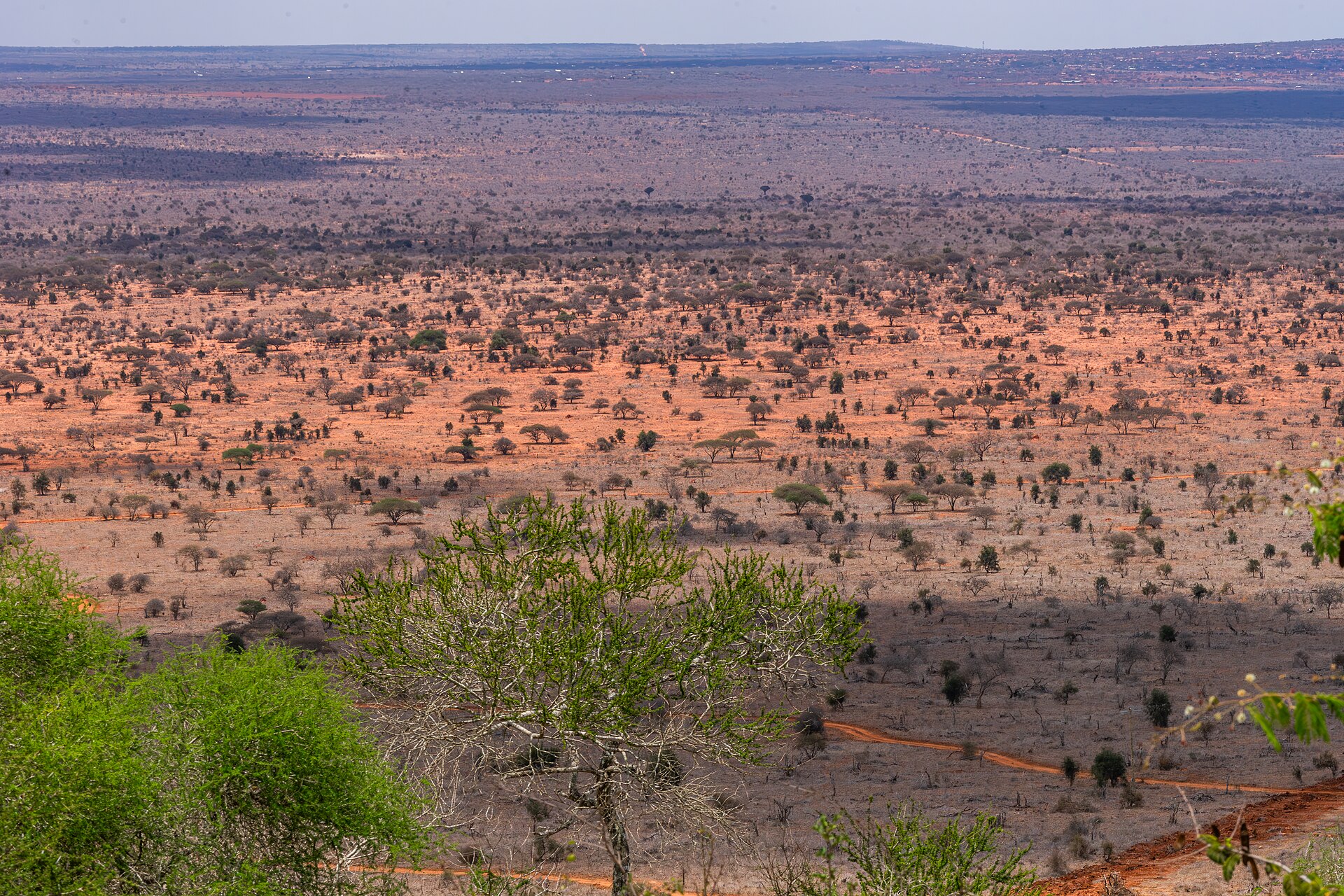
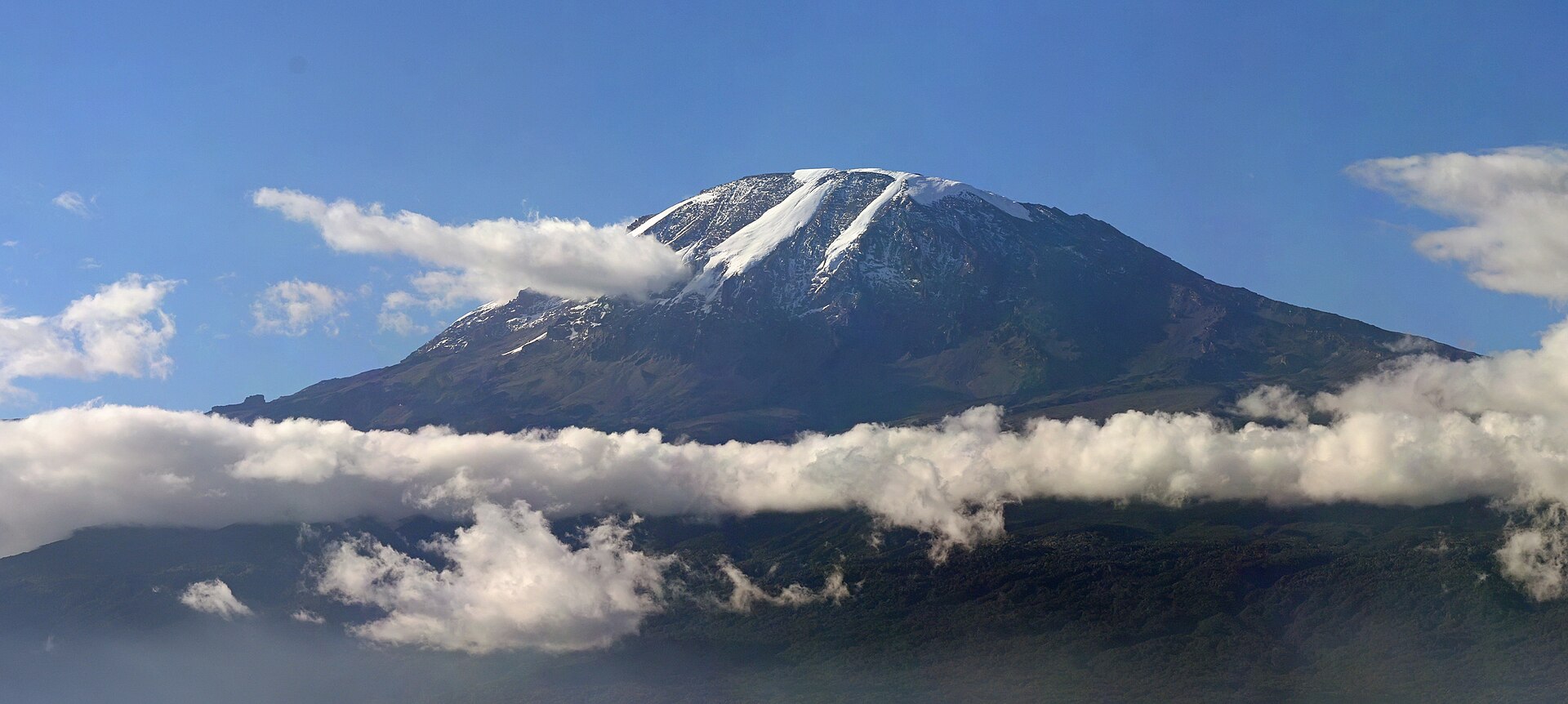
Amboseli is one of Kenya's most photogenic national parks — a relatively compact reserve where massive elephants with some of the largest tusks in Africa roam against the stunning backdrop of Mount Kilimanjaro, Africa's highest peak. The mountain's snow-capped summit rising above the acacia-dotted plains creates what is arguably the most iconic image in African safari photography.

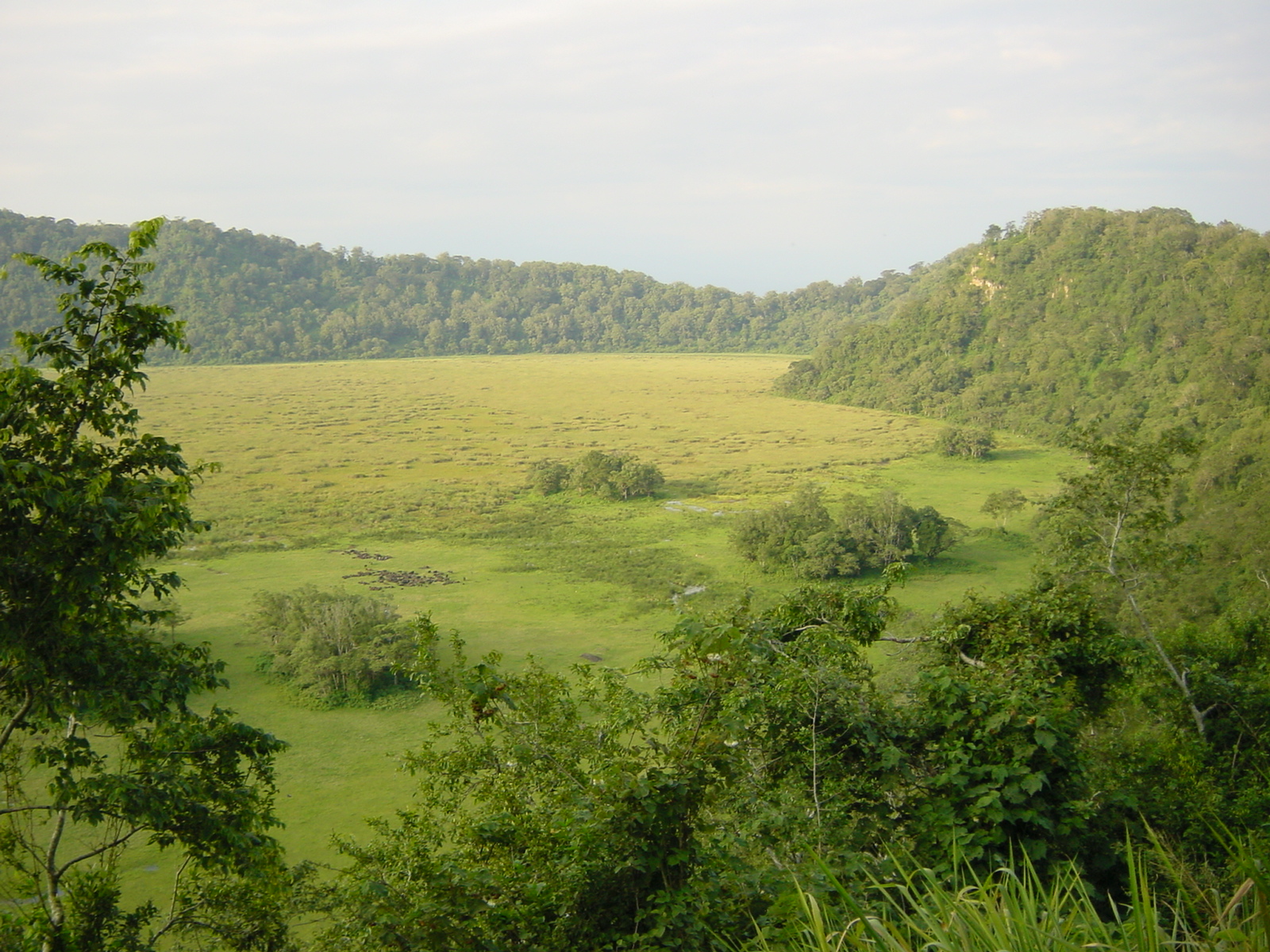
The park's swamps, fed by underground water from Kilimanjaro's melting glaciers, create permanent green oases that attract wildlife year-round. Amboseli's elephants are among the most studied in Africa — some individuals have been monitored for over 40 years by the Amboseli Trust for Elephants, providing invaluable insights into elephant behaviour and social structures.

Beyond the elephants, Amboseli supports good populations of lions, cheetahs, hippos, and a rich diversity of waterbirds. Observation Hill provides panoramic views across the entire park, and the surrounding Maasai group ranches offer cultural experiences and community-based conservation initiatives.

Best Time to Visit

pricecrowdsmonthsweatherwildlife
Short DryMidModerateJan-FebWarm and dryExcellent — Kilimanjaro often clear
Long RainsValueLowMar-MayWarm with rainGood — lush and green
Dry SeasonPremiumHighJun-SepCool and dryOutstanding — peak season
Short RainsMidModerateOct-NovWarm with showersVery good
ShoulderHighModerateDecWarm, variableGood

Where to Stay

Top lodges and camps in Amboseli National Park

Home

Ol Tukai Lodge

Mid-luxury — $400-$800/night

Home

Amboseli Serena Safari Lodge

Mid-range — $300-$600/night

Home

Tortilis Camp

Luxury — $700-$1,400/night

Home

Kibo Safari Camp

Mid-range — $200-$400/night

Photography Tips

Get the best shots in Amboseli National Park

1

Arrive at swamp viewpoints before 7am

Kilimanjaro clears overnight; cloud often forms by 9-10am

2

Position low near Observation Hill

Eye-level angles produce the most dramatic images

3

Use a telephoto 300-500mm

Fill the frame without disturbing animals

4

Shoot at golden hour (6-7am and 5-6pm)

Warm light turns dusty plains into copper landscape

Ready to Experience Amboseli?

Get free quotes from verified safari operators within 24 hours.

Personalized itineraryExpert local guidesBest price guarantee24/7 support on safari
Expert VerifiedWritten from Arusha, TanzaniaUpdated Aug 2026
Read Full Guide
Highlights

Why Visit Amboseli National Park

The top experiences that make Amboseli National Park worth the journey.

01Iconic Kilimanjaro backdrop
02Massive tusker elephants — some of Africa's largest
03Excellent photographic opportunities
04Observation Hill panoramic views
05Swamp-fed game viewing areas
06Maasai community experiences
Essential Info

Plan Your Visit to Amboseli National Park

Everything you need to know before booking your Amboseli National Park safari — from the ideal season to budget expectations and logistics.

When to Go

Best Time to Visit Amboseli National Park

January to February for clear Kilimanjaro views and dry conditions. June to October also good. Early morning offers the best mountain views before clouds build. The park is a year-round destination.

Budget

What It Costs

Park fees $60/adult/day. Budget accommodation from $80/night. Mid-range lodges $200-500/night. Luxury $400-1,000/night. Often a 2-night stop on a Kenya safari circuit.

Logistics

Getting There

Bush flights from Nairobi Wilson Airport (45min). Road from Nairobi (4-5hrs) via Namanga. The park is near the Tanzania border, combining well with Kilimanjaro or cross-border itineraries.

Combine With

Destinations Near Amboseli National Park

Combine Amboseli National Park with these nearby destinations for a multi-stop safari itinerary.
FAQ

Frequently Asked Questions About Amboseli National Park

What is Amboseli famous for?

Amboseli is famous for: large free-roaming elephant herds, views of Mount Kilimanjaro, and open landscape photography. The Amboseli elephants are studied by the longest-running elephant research project in the world (since 1972 — Cynthia Moss's research). Many elephants are individually named and their life stories documented.

Can you see Kilimanjaro from Amboseli?

Yes — on clear days (usually early morning and late afternoon), Kilimanjaro dominates the southern horizon. The mountain is often obscured by cloud mid-day. December–January (post-rains) and June–October (dry season, clear skies) offer the best Kilimanjaro views. The classic photography shot — an elephant with Kilimanjaro behind — requires patience but is achievable.

How long should I spend in Amboseli?

Two to three nights is ideal. Amboseli is a small park (392 km²) and most core areas can be covered in 4–5 game drives. It is best combined with the Masai Mara (4–6 hours by road or 30 minutes by air) for a complete Kenya safari. The classic itinerary is 2 nights Amboseli + 3 nights Masai Mara.

Is Amboseli dusty?

Yes — Amboseli sits on an ancient lake bed and is notoriously dusty, especially in dry season. Open 4x4 game drive vehicles can get very dusty. Bring a buff/neck gaiter and sunglasses. The dust actually creates dramatic photographic conditions — particularly golden-hour shots of elephants in dust clouds against Kilimanjaro.

How do I get to Amboseli from Nairobi?

Amboseli is 220 km south of Nairobi — approximately 4 hours by road via Emali or Namanga. Charter flights from Wilson Airport (Nairobi) reach Amboseli in 45 minutes. The road from Namanga (Kenya-Tanzania border) is popular for those combining Amboseli with a Tanzania circuit.