Greater Kruger

South Africa's premier safari ecosystem encompassing Kruger National Park and its adjoining private reserves — nearly 2 million hectares of unfenced Big Five wilderness.

Region

Type

2

Sub-areas

Jun-Oct

Best Time

About Greater Kruger

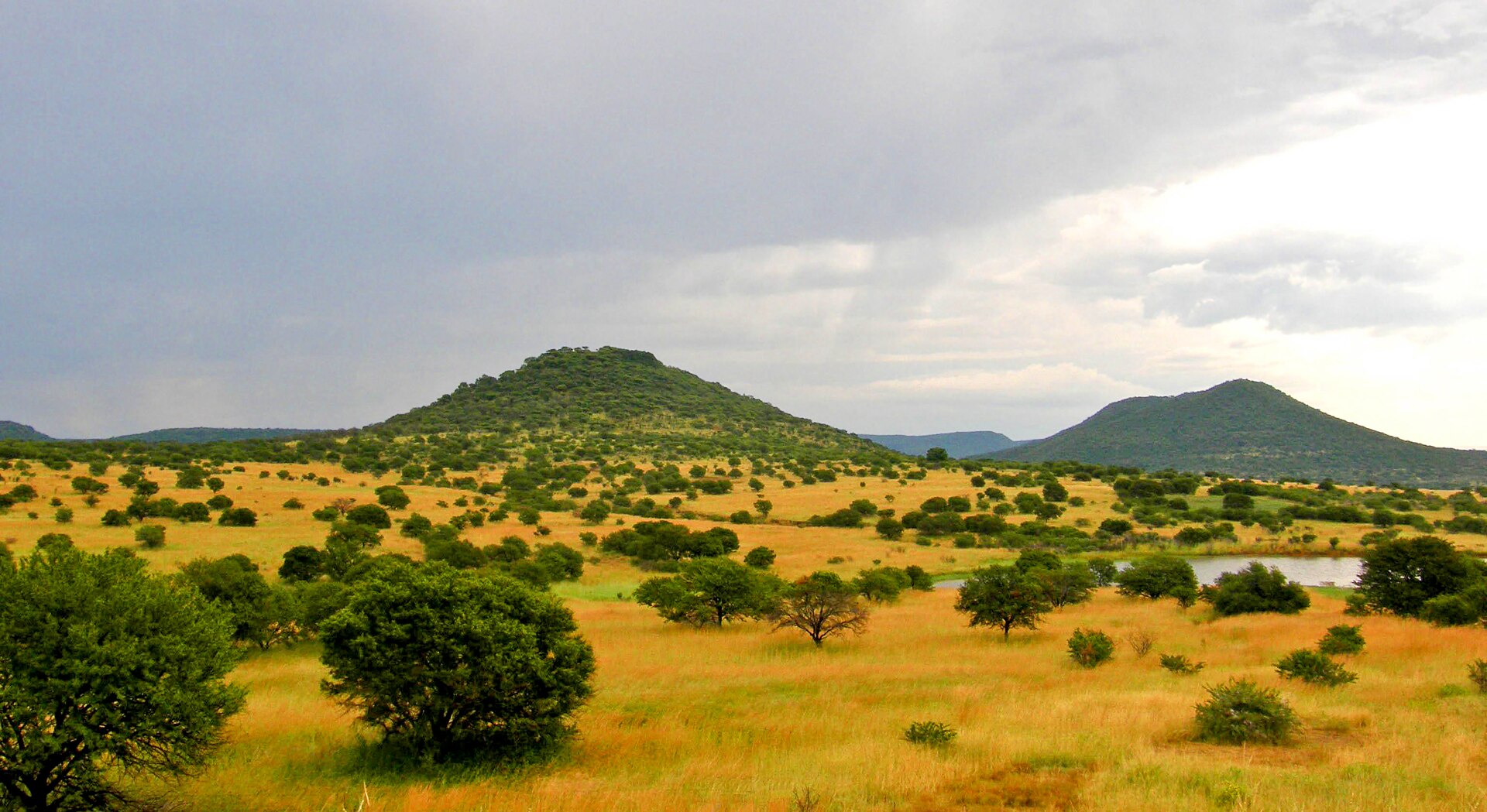
The Greater Kruger ecosystem represents the pinnacle of South African safari. Kruger National Park itself stretches 360 kilometres from north to south — larger than Israel — while the private reserves along its western boundary remove fences to create a seamless wilderness where wildlife roams freely between public and private land.

This dual system offers something for every traveler. Self-drive safari in Kruger is one of Africa's great affordable adventures, following tarred and gravel roads between rest camps with excellent Big Five sighting potential. The private reserves deliver a more curated experience with expert trackers, open safari vehicles, off-road driving, and bush walks.

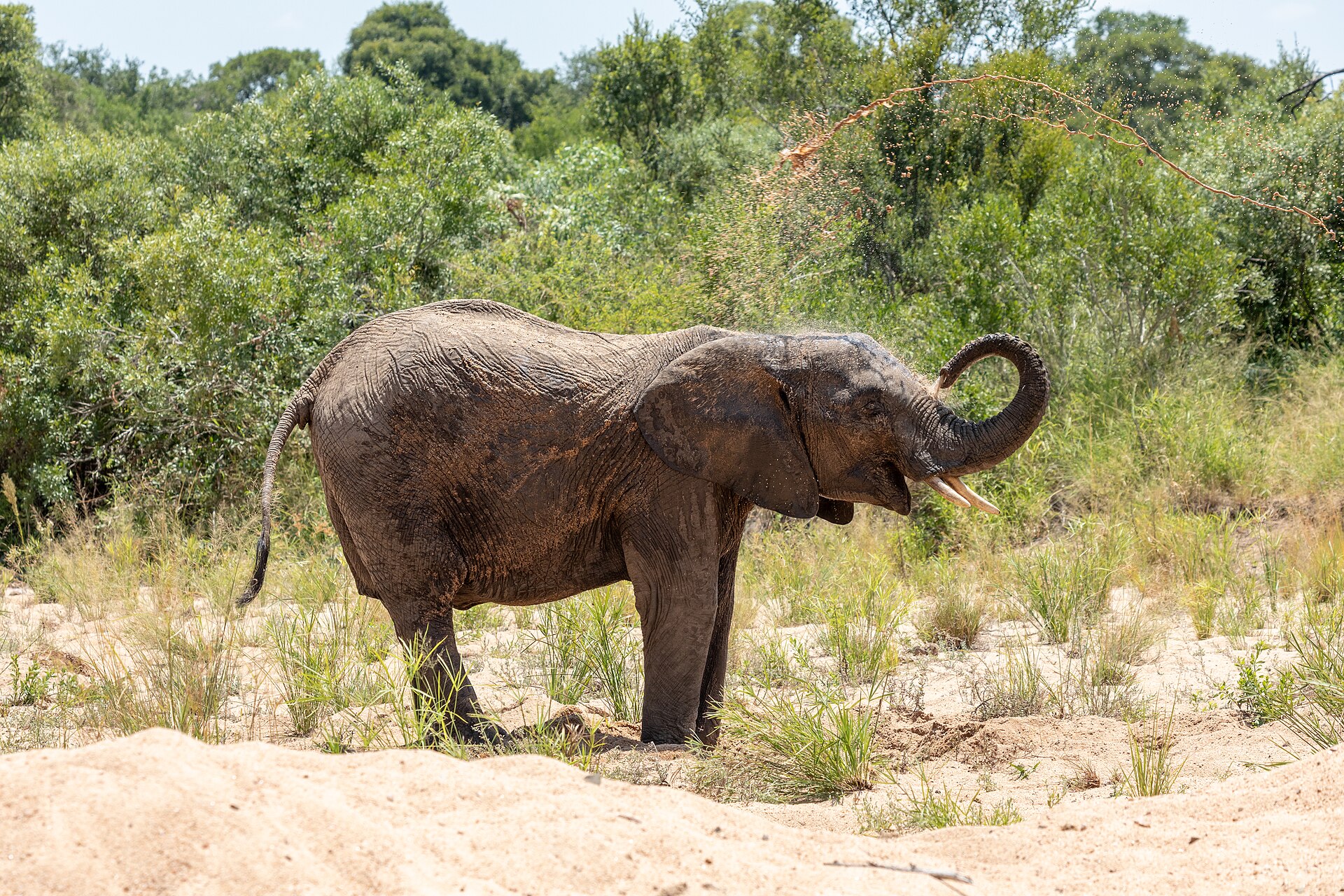
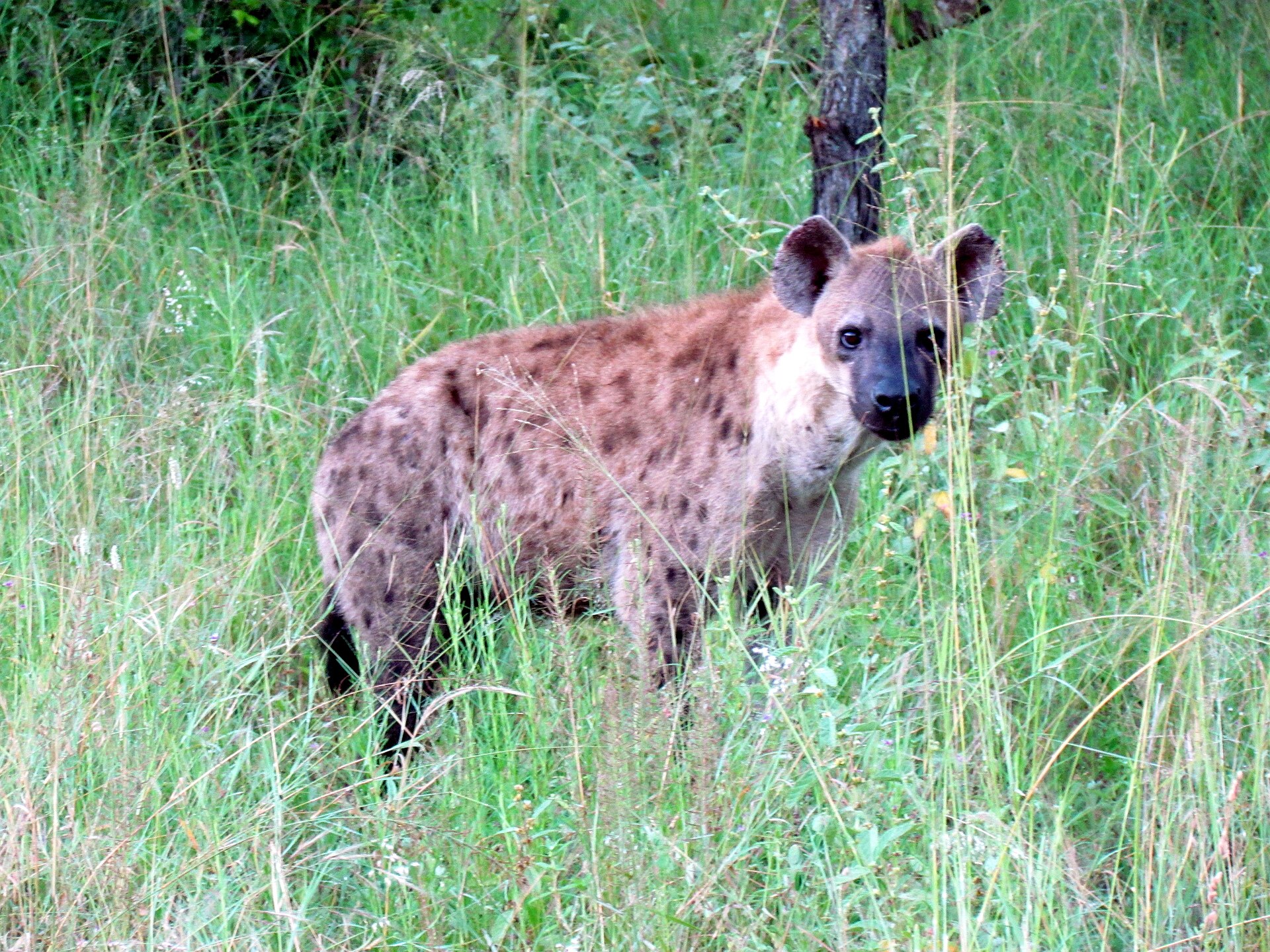
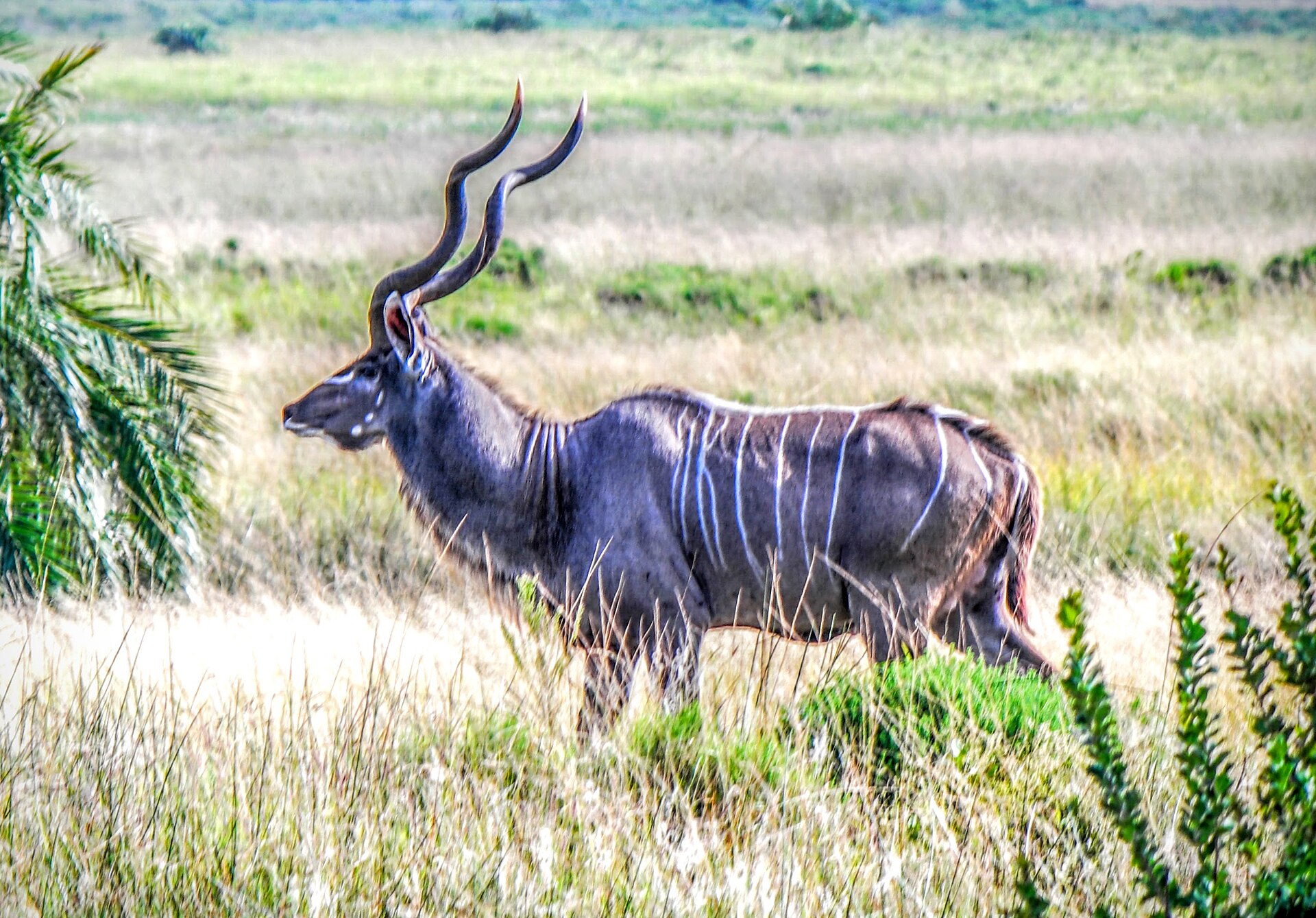
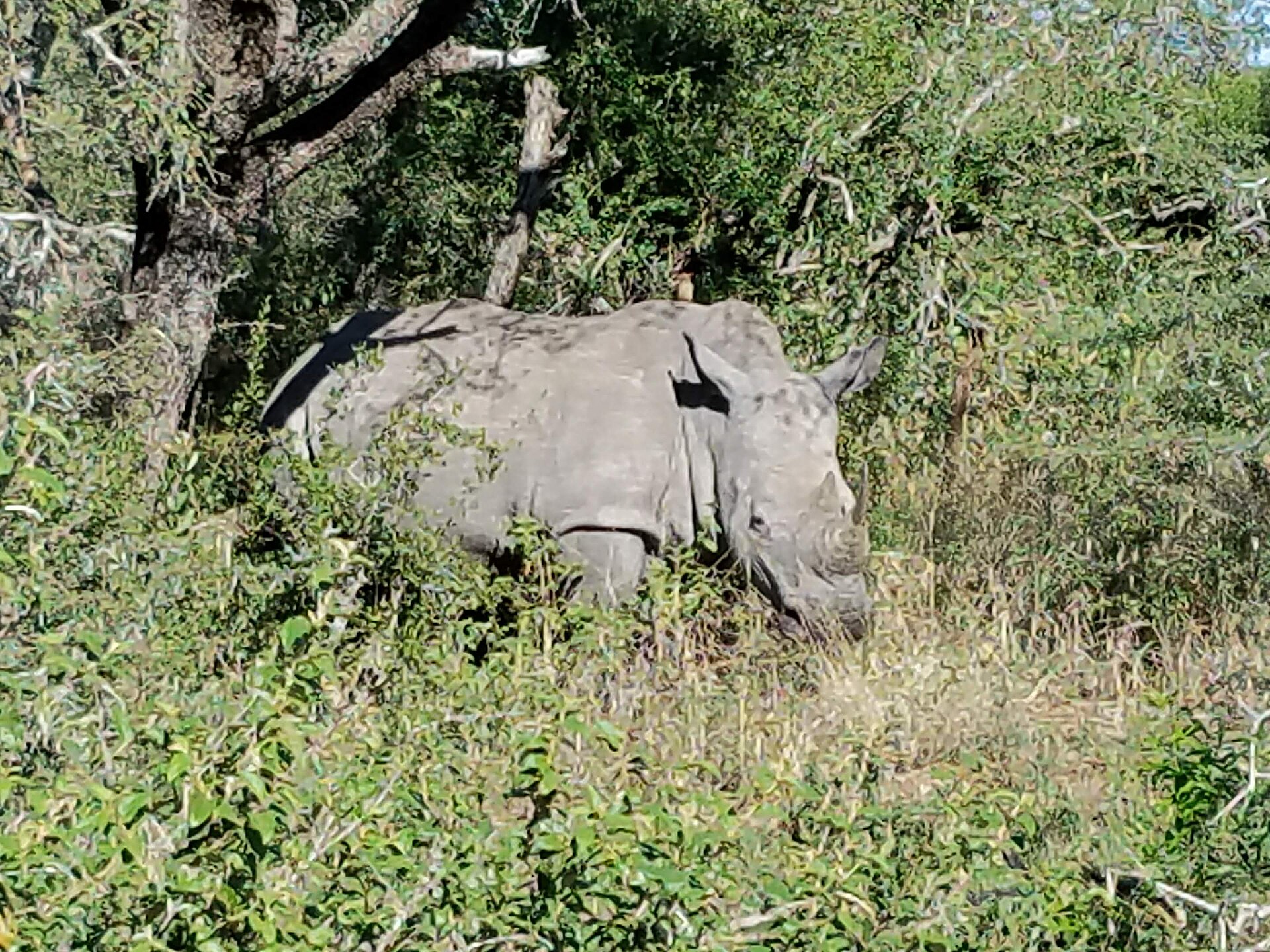
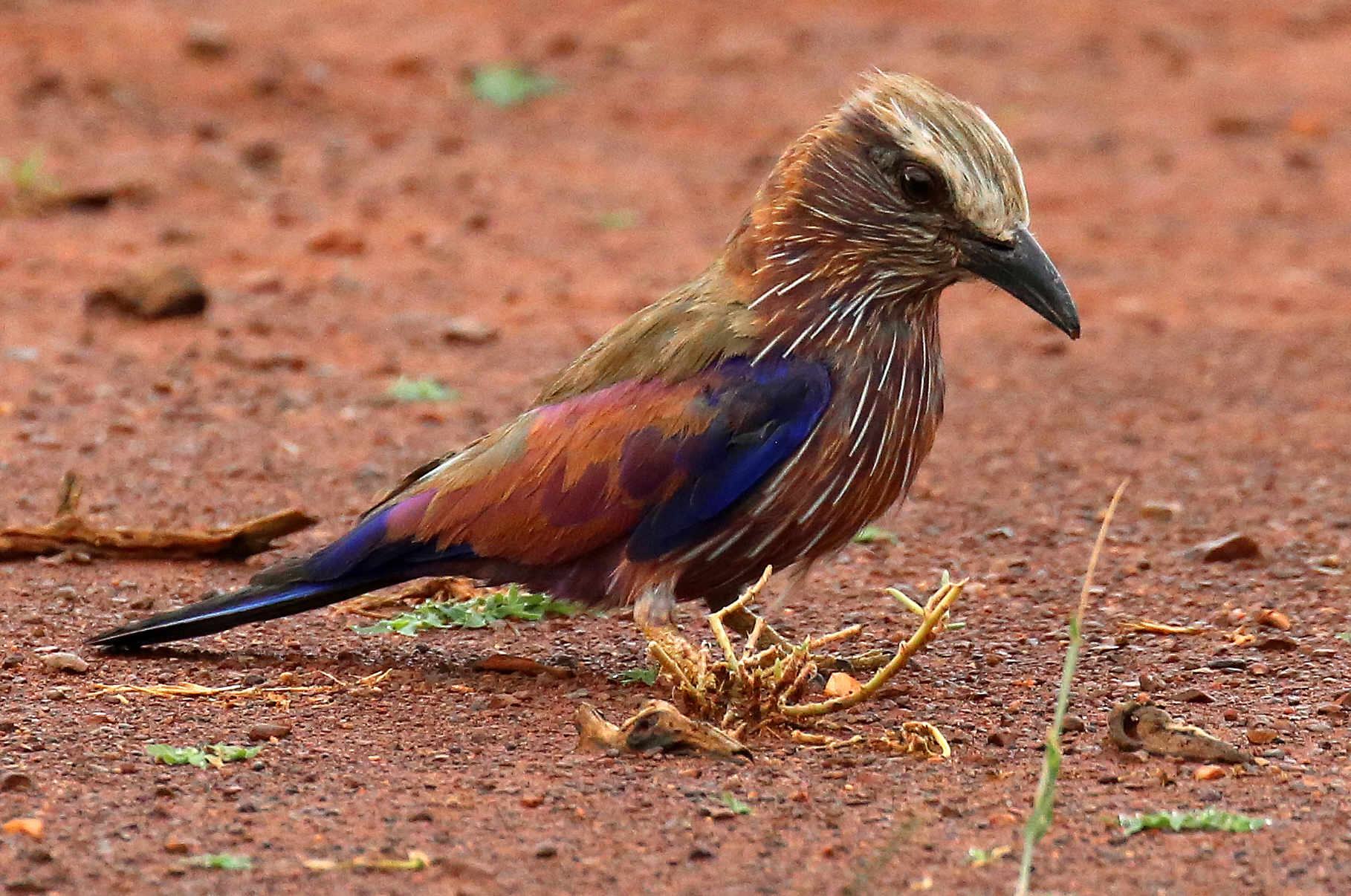
The ecosystem supports an staggering diversity: over 147 mammal species, 507 bird species, and 114 reptile species. The southern Kruger around Lower Sabie and Satara is renowned for predator sightings, while the remote north around Pafuri offers birding nirvana and fewer visitors.

Ready to Visit Greater Kruger?

Let our experts plan your perfect safari itinerary

Personalized itineraryExpert local guidesBest price guarantee24/7 support on safari
Expert VerifiedWritten from Arusha, TanzaniaUpdated Jun 2026
Read Full Guide
Explore

Areas in Greater Kruger

Highlights

Why Visit Greater Kruger

The top experiences that make Greater Kruger worth the journey.

1Nearly 2 million hectares of wilderness
2Big Five throughout
3Self-drive and guided options
4Private reserve exclusivity
Essential Info

Plan Your Visit to Greater Kruger

Everything you need to know before booking your Greater Kruger safari — from the ideal season to budget expectations and logistics.

When to Go

Best Time to Visit Greater Kruger

May to September (dry winter) for best game viewing. October to April (wet summer) for lush landscapes, migratory birds, and baby animals. Malaria risk is lower in winter months.

Budget

What It Costs

Kruger rest camps from $50-150/night for self-catering chalets. Private lodge game packages $200-3,000/night all-inclusive. Self-drive entrance fees $28/adult/day. Private reserve conservation levies $15-40/day.

Logistics

Getting There

Fly to Hoedspruit Eastgate Airport (HDS) or Kruger Mpumalanga Airport (MQP) from Johannesburg (1 hour). Drive from Johannesburg takes 4-5 hours via the N4 or N12. Multiple entry gates along the western and southern boundaries.

FAQ

Frequently Asked Questions About Greater Kruger

What is the best time to visit Greater Kruger?

May to September (dry winter) for best game viewing. October to April (wet summer) for lush landscapes, migratory birds, and baby animals. Malaria risk is lower in winter months.

How do I get to Greater Kruger?

Fly to Hoedspruit Eastgate Airport (HDS) or Kruger Mpumalanga Airport (MQP) from Johannesburg (1 hour). Drive from Johannesburg takes 4-5 hours via the N4 or N12. Multiple entry gates along the western and southern boundaries.

What wildlife can I see in Greater Kruger?

Greater Kruger is known for incredible wildlife viewing. Top experiences include: Nearly 2 million hectares of wilderness, Big Five throughout, Self-drive and guided options, Private reserve exclusivity. The specific species you'll encounter depend on the season and exact location within Greater Kruger.

How much does a Greater Kruger safari cost?

Kruger rest camps from $50-150/night for self-catering chalets. Private lodge game packages $200-3,000/night all-inclusive. Self-drive entrance fees $28/adult/day. Private reserve conservation levies $15-40/day.

Let's Plan

Ready to Explore Greater Kruger?

Our safari experts will help you create the perfect itinerary tailored to your preferences and budget.