Destination
Type
2
Sub-areas
Jun-Oct
Best Time
About Okavango Delta
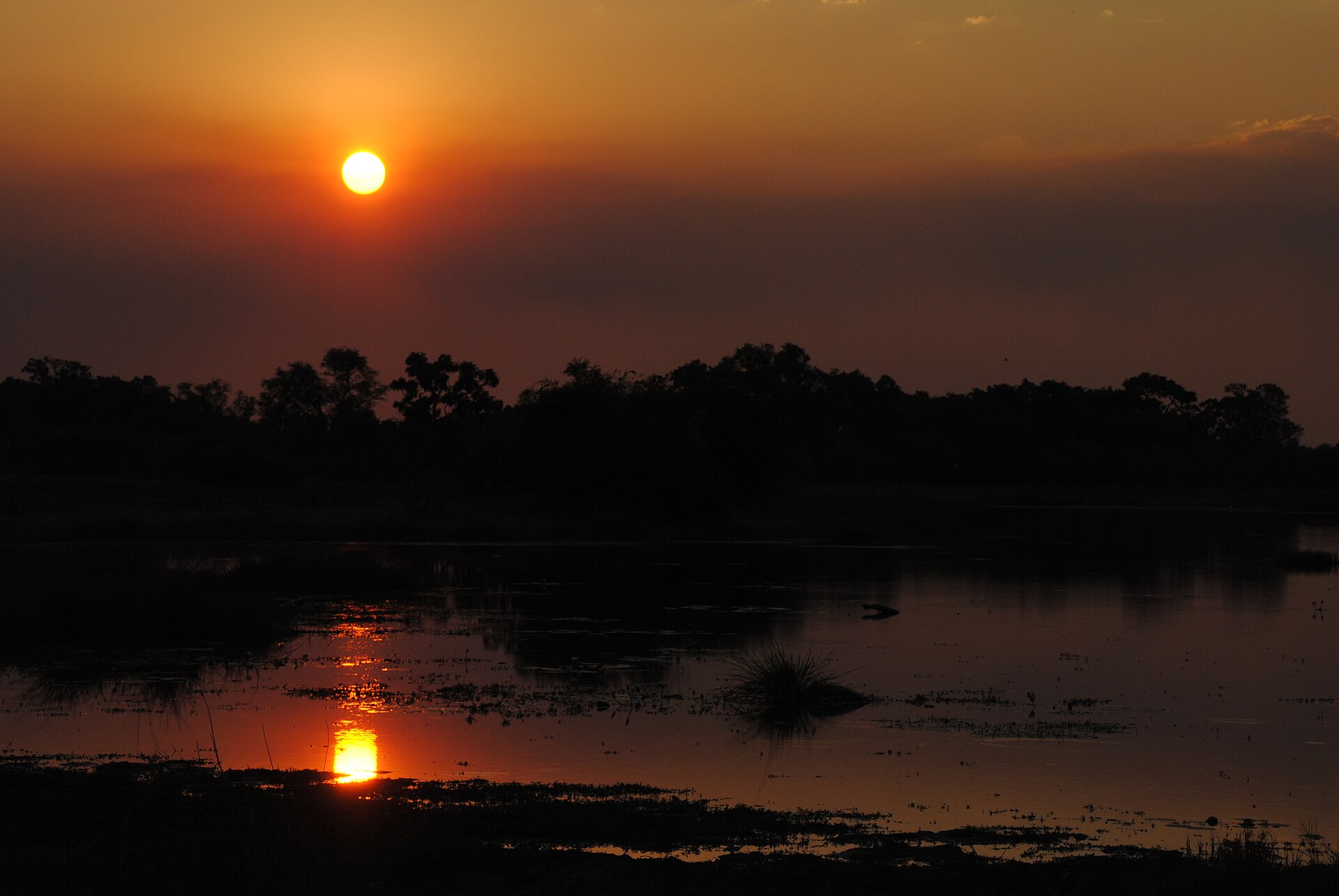
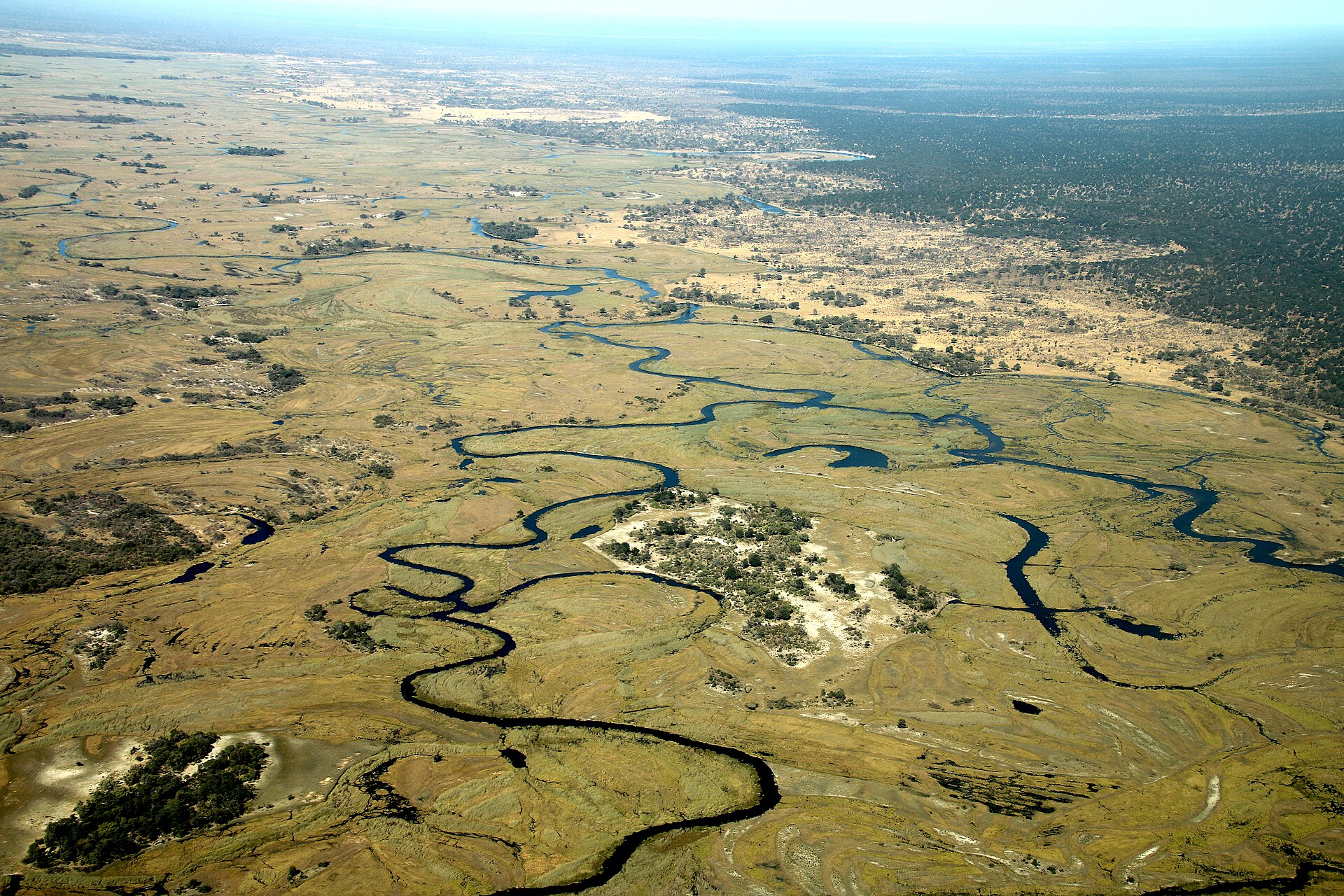
The Okavango Delta is one of the planet's most remarkable ecosystems — a vast inland delta where 11 cubic kilometres of water from Angola's highlands spread across the Kalahari sand each year, creating a 22,000 square kilometre labyrinth of channels, lagoons, and islands that pulses with life.
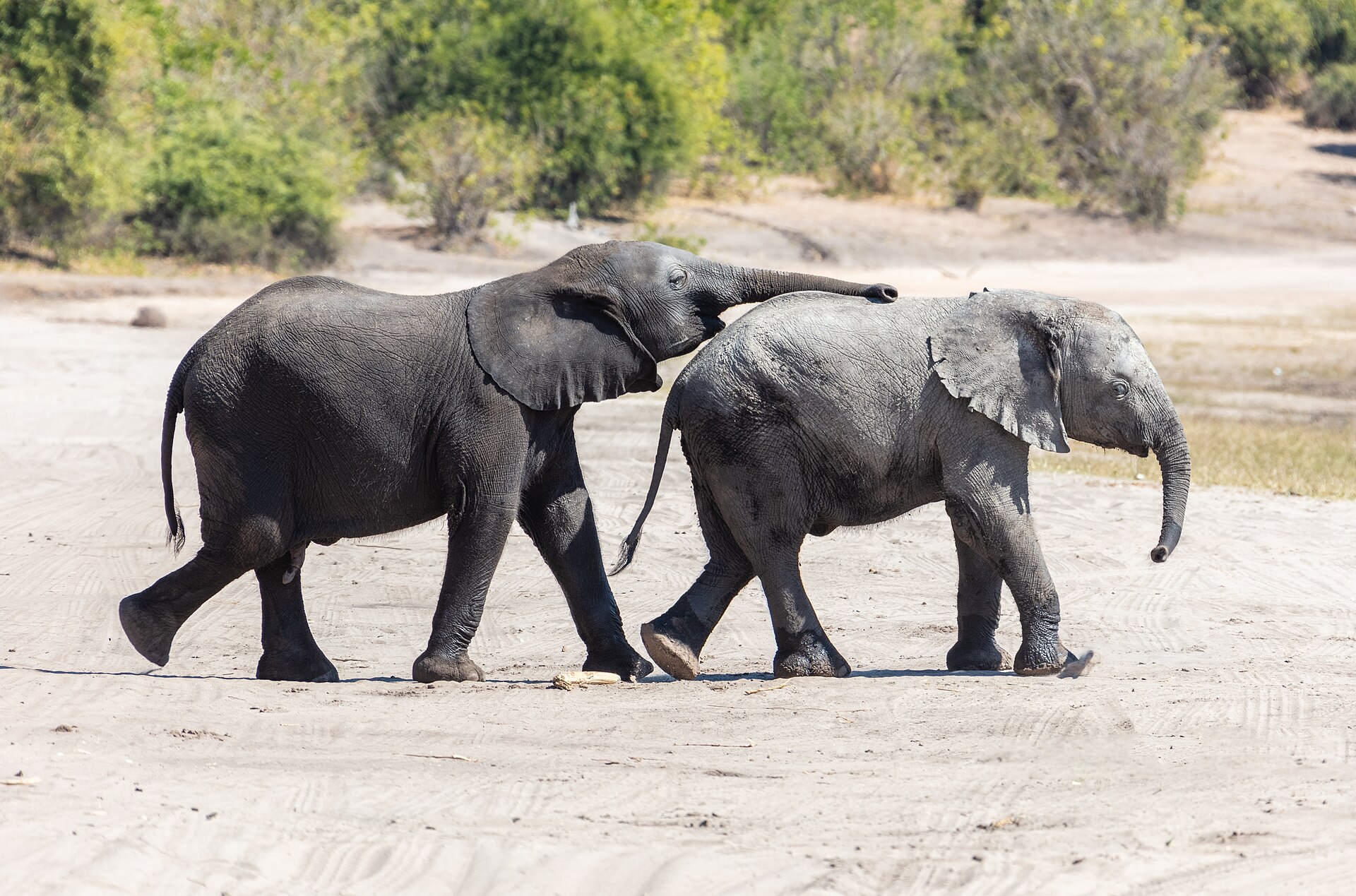
The Delta's magic lies in its dual nature. Gliding silently through papyrus-lined channels in a mokoro, eye-level with water lilies, with a Pel's fishing owl hunting from an overhanging branch — this is a water experience unlike anything else in African safari. Yet step onto one of the Delta's wooded islands and you're in prime Big Five territory, tracking elephants, buffalo, and predators on foot or by vehicle.
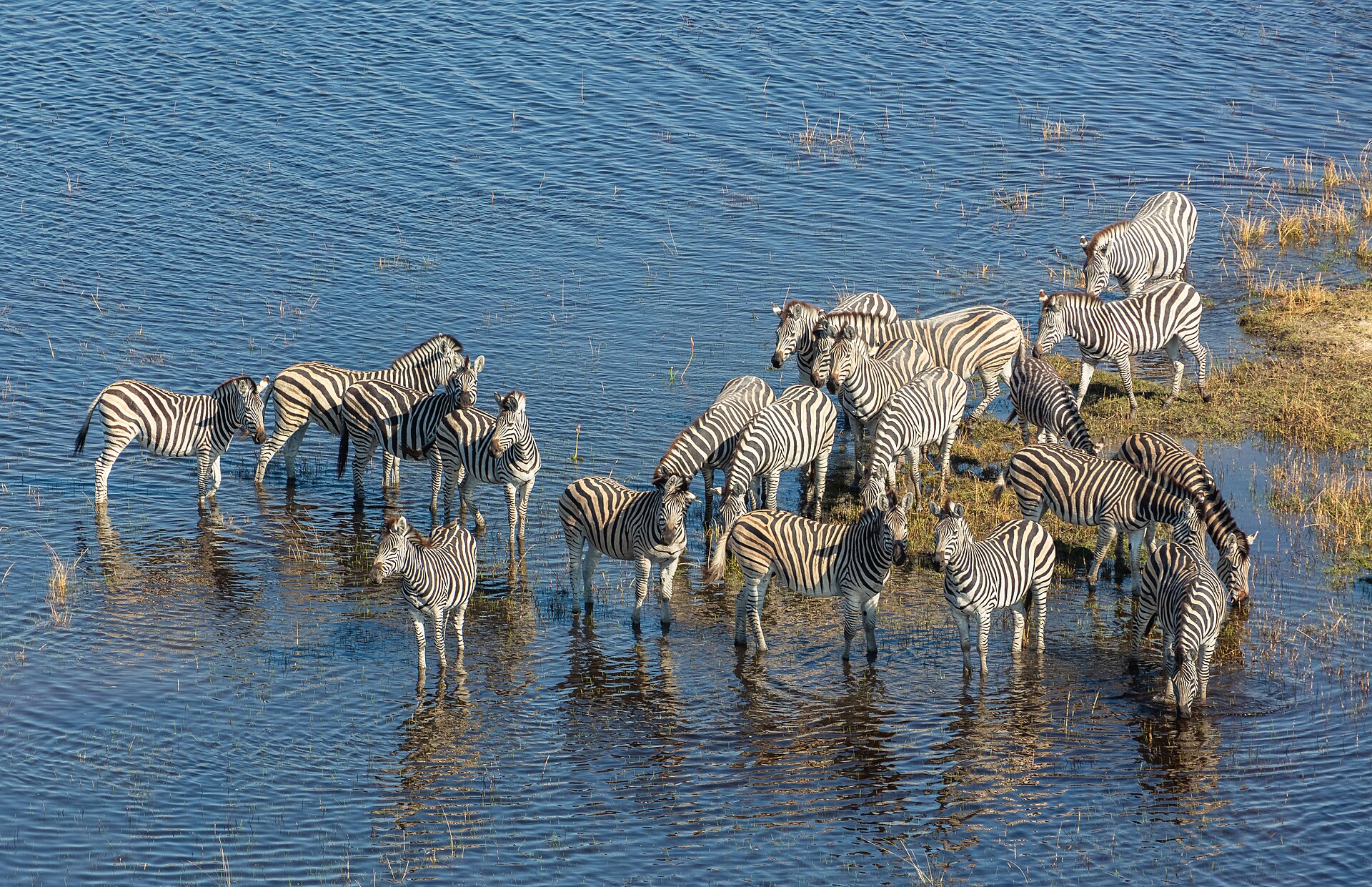
The flood timing creates fascinating wildlife dynamics. As surrounding areas dry out from May onwards, the Delta's rising waters attract huge concentrations of game to its islands and floodplains. Lions swim between islands to hunt buffalo, wild dogs chase impala through shallow channels, and herds of red lechwe — an antelope uniquely adapted to swampland — splash through the shallows in their hundreds.
Ready to Visit Okavango Delta?
Get free quotes from verified safari operators.
Areas in Okavango Delta
Why Visit Okavango Delta
The top experiences that make Okavango Delta worth the journey.
Plan Your Visit to Okavango Delta
Everything you need to know before booking your Okavango Delta safari — from the ideal season to budget expectations and logistics.
Best Time to Visit Okavango Delta
June to August when the annual flood peaks, creating the best conditions for water-based activities and concentrating game on islands. The dry season (September-October) offers exceptional land-based game viewing as water recedes. Green season (November-March) brings rain, birds, and lower prices.
What It Costs
The Delta is Botswana's most expensive area. Luxury fly-in camps $800-3,000/night all-inclusive. Mid-range mobile safaris $400-700/day. Budget mokoro excursions from Maun start at $50-100/day for community-run day trips. Most visitors fly in and stay 2-3 nights.
Getting There
Fly to Maun Airport, then bush plane to camp airstrips (20-40 minutes). There are no roads into the permanent Delta. Some eastern-fringe camps are accessible by 4x4 in the dry season. Helicopter transfers available at premium lodges.
Destinations Near Okavango Delta
Combine Okavango Delta with these nearby destinations for a multi-stop safari itinerary.
Frequently Asked Questions About Okavango Delta
When is the best time to visit the Okavango Delta?
June–October is the best time. The annual flood from Angola peaks in June–July, filling channels for mokoro safaris. The dry season (Jul–Oct) concentrates animals around water sources — perfect for game drives. November–May brings rains, lush scenery, and newborn animals but some lodges close.
How much does an Okavango Delta safari cost?
The Okavango Delta is the most expensive safari destination in Africa. Typical costs run $800–$2,500 per person per night fully all-inclusive. All flights, game activities, meals, drinks, and park fees are included. Botswana's strategy is deliberately high-cost to limit visitor numbers and maintain pristine wildlife habitat.
Is the Okavango Delta accessible without a luxury budget?
Yes, but options are limited. Maun-based budget mobile camping safaris into the Delta start from $300–$400/night. These involve mokoro trips and bush camping in the Delta. For a true permanent lodge experience, budget $800+/night. The mid-range tier ($400–$700/night) is limited but exists in the outer Delta.
How do I get to the Okavango Delta?
Fly into Maun Airport (main gateway) from Johannesburg, Cape Town, or Nairobi. From Maun, most camps are reached by light aircraft charter (15–45 minutes) — all-inclusive rates include this transfer. Some outer Delta camps are accessible by 4x4 road transfer (2–4 hours). There is no public transport into the Delta.
What makes the Okavango different from other safari destinations?
The Okavango is defined by water. Where most African parks offer land-based game drives only, the Delta offers mokoro canoe safaris, boat trips, fishing, and helicopter experiences. The ecosystem (floodplain, islands, mopane forest) creates unusual wildlife — semi-aquatic antelope like sitatunga and red lechwe are unique to the Delta.