Gorongosa National Park
Africa's greatest wildlife comeback story — a park devastated by civil war now restored to thriving wilderness with growing populations of lions, elephants, and wild dogs.
Destination
Type
Jun-Oct
Best Time
About Gorongosa National Park
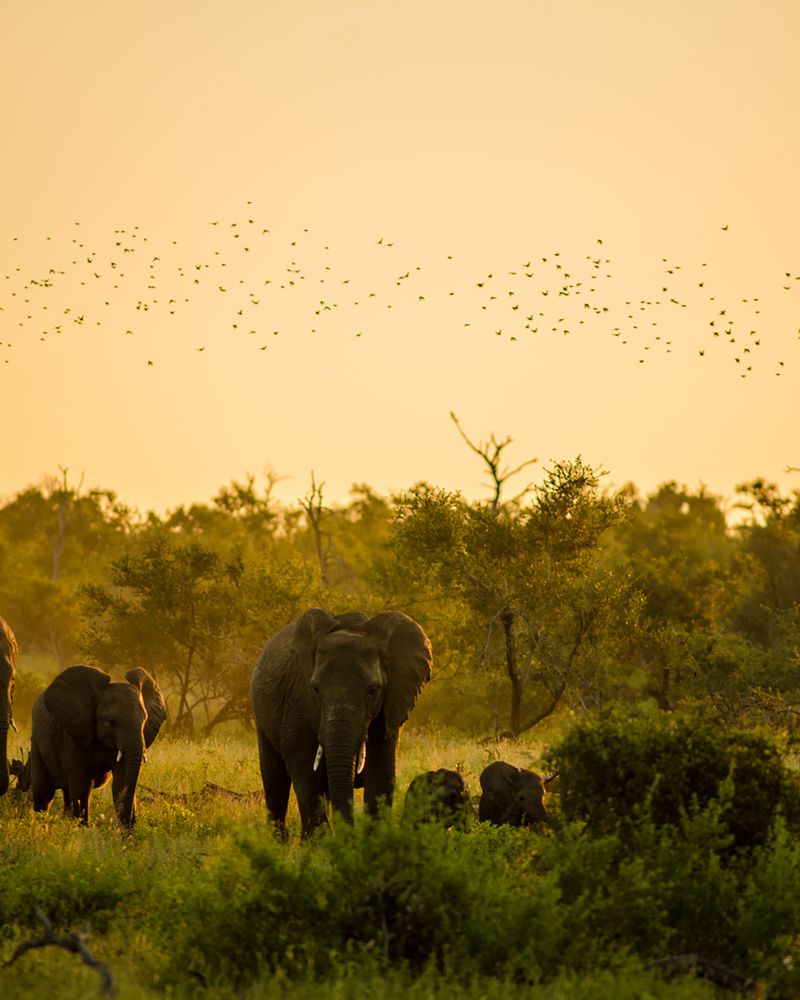
Gorongosa National Park is one of the most inspiring conservation stories in modern Africa. In the 1970s, the park was described as rivalling the Serengeti for wildlife abundance. The devastating civil war (1977-1992) reduced large animal populations by over 95%, leaving a landscape scarred by conflict and stripped of its wildlife.
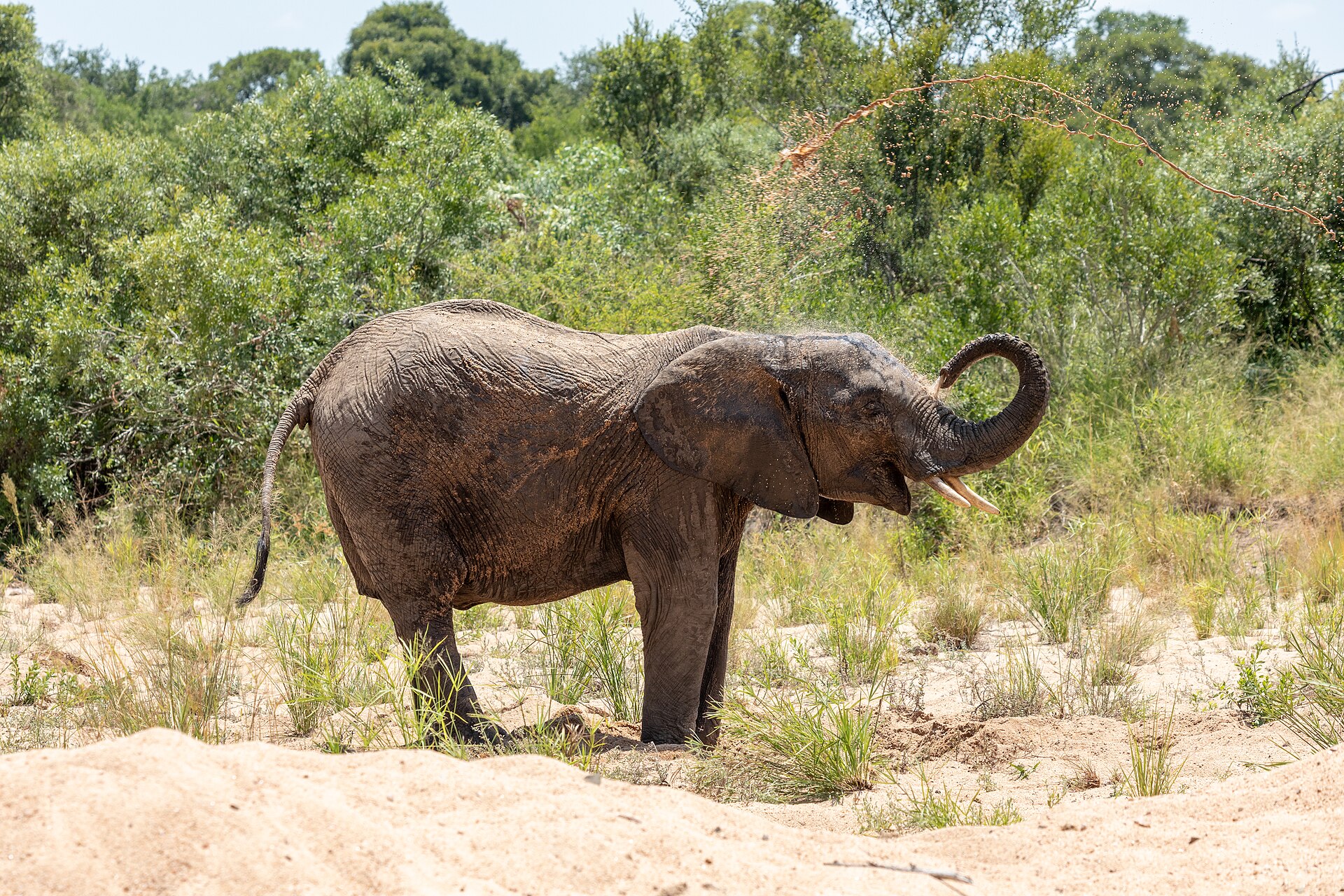
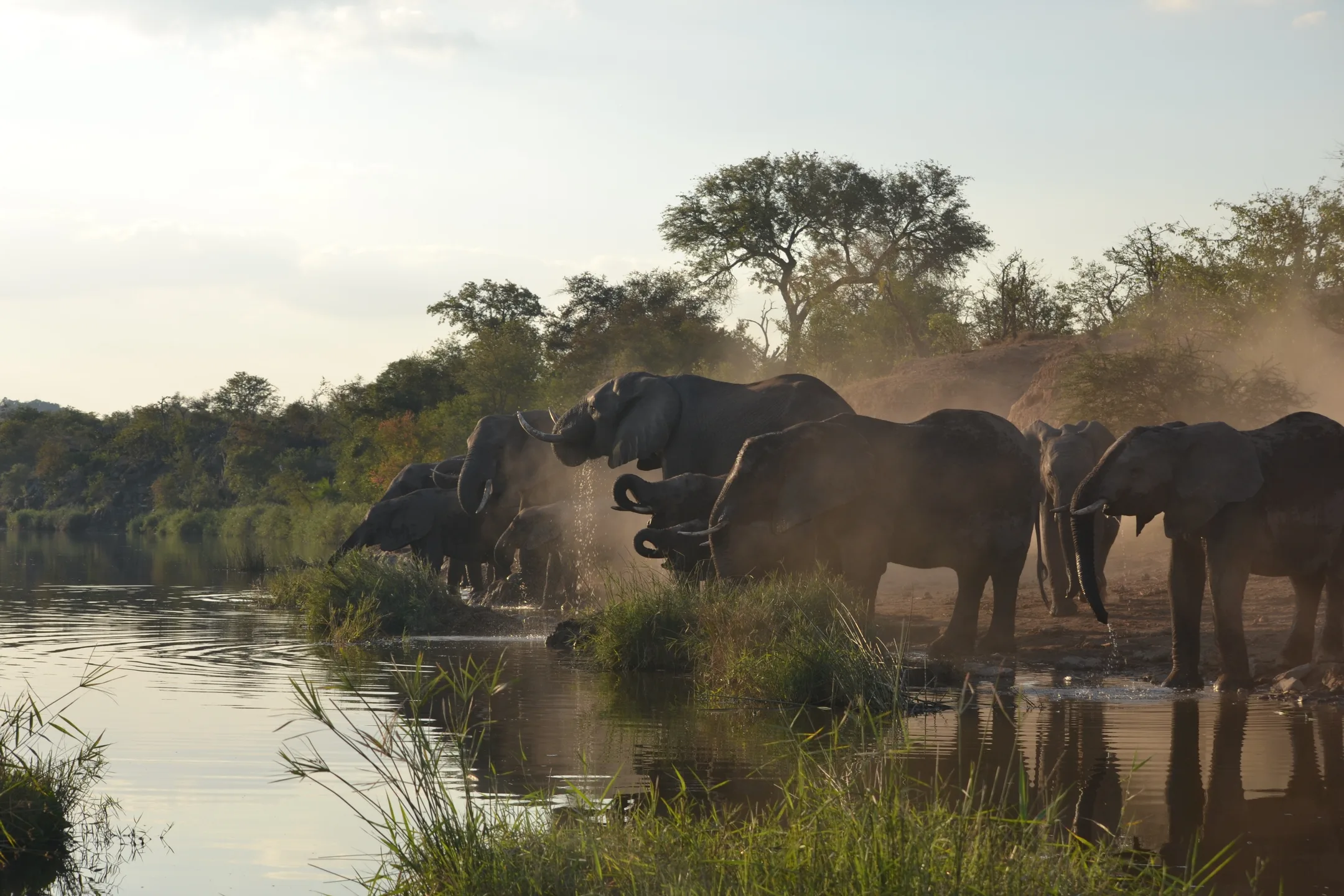
Since 2008, a remarkable partnership between the Mozambican government and the Greg Carr Foundation has transformed Gorongosa into a model of ecosystem restoration. Lion populations have grown from near-zero to over 100 individuals. Elephants number over 600 and growing. African wild dogs have been reintroduced. Hippos, buffalo, waterbuck, and countless other species have rebounded dramatically.
The park encompasses a unique cross-section of habitats: the Urema Lake floodplain, miombo woodland, acacia savanna, and the cloud forests of Mount Gorongosa (1,863m) — one of the region's most important centres of plant diversity. With over 500 bird species, excellent guided walks, and the rare opportunity to witness an ecosystem in the thrilling process of recovery, Gorongosa offers a safari experience unlike any other in Africa.
Ready to Visit Gorongosa National Park?
Let our experts plan your perfect safari itinerary
Why Visit Gorongosa National Park
The top experiences that make Gorongosa National Park worth the journey.
Plan Your Visit to Gorongosa National Park
Everything you need to know before booking your Gorongosa National Park safari — from the ideal season to budget expectations and logistics.
Best Time to Visit Gorongosa National Park
June to October for dry season when animals concentrate around Lake Urema and the Pungue River. The floodplain recedes to reveal open grasslands ideal for game viewing. Roads are impassable from January to March.
What It Costs
One of Africa's most affordable safari experiences. Park entry $20/adult. Chitengo Camp (park-run) from $40-120/night. Montebelo Gorongosa Lodge $80-200/night. Game drives $25-40/person. Guided walks and boat trips available at modest cost. Very few luxury options currently.
Getting There
Fly from Maputo to Beira (1.5hrs), then drive 3-4 hours to the park. A new road from Beira has improved access. Charter flights to the park airstrip from Beira. The park is in central Mozambique, about 150km from Beira.
Destinations Near Gorongosa National Park
Combine Gorongosa National Park with these nearby destinations for a multi-stop safari itinerary.
Frequently Asked Questions About Gorongosa National Park
What is the best time to visit Gorongosa National Park?
June to October for dry season when animals concentrate around Lake Urema and the Pungue River. The floodplain recedes to reveal open grasslands ideal for game viewing. Roads are impassable from January to March.
How do I get to Gorongosa National Park?
Fly from Maputo to Beira (1.5hrs), then drive 3-4 hours to the park. A new road from Beira has improved access. Charter flights to the park airstrip from Beira. The park is in central Mozambique, about 150km from Beira.
What wildlife can I see in Gorongosa National Park?
Gorongosa National Park is known for incredible wildlife viewing. Top experiences include: Africa's greatest conservation restoration, Growing lion and wild dog populations, Mount Gorongosa cloud forest, Urema Lake floodplain wildlife, Community conservation model, Excellent birding (500+ species). The specific species you'll encounter depend on the season and exact location within Gorongosa National Park.
How much does a Gorongosa National Park safari cost?
One of Africa's most affordable safari experiences. Park entry $20/adult. Chitengo Camp (park-run) from $40-120/night. Montebelo Gorongosa Lodge $80-200/night. Game drives $25-40/person. Guided walks and boat trips available at modest cost. Very few luxury options currently.