Kruger National Park
South Africa's flagship reserve — nearly 2 million hectares of Big Five wilderness with 1,800km of roads, historic rest camps, and legendary predator sightings.
Destination
Type
Jun-Oct
Best Time
Ready to Visit Kruger National Park?
Let our experts plan your perfect safari itinerary
Why Visit Kruger National Park
The top experiences that make Kruger National Park worth the journey.
Plan Your Visit to Kruger National Park
Everything you need to know before booking your Kruger National Park safari — from the ideal season to budget expectations and logistics.
Best Time to Visit Kruger National Park
Kruger is a year-round destination but each season offers a different experience.
May to September (dry season) is best for game viewing — sparse vegetation and animals concentrated at water sources make sightings reliable. October is hot but dramatic, with thunderstorms building and animals crowding remaining water. November to April (wet season) is best for birding, newborn animals, and lush green landscapes at lower rates.
What It Costs
SANParks rest camps (bungalows/rondavels) R800-2,500/night ($45-140). Private concession lodges $300-1,500/night. Camping R350-600/site/night ($20-35). Conservation fee R440/adult/day ($25). Budget self-drive safaris from $50/day. Luxury lodges (Singita Lebombo) $1,500-3,500/night all-inclusive.
Getting There
Fly into Kruger Mpumalanga International Airport (KMIA) near Nelspruit, or Hoedspruit Eastgate Airport for the central section. KMIA is served by direct flights from Johannesburg (1 hour) and Cape Town. Skukuza Airport within the park handles charter flights. By road from Johannesburg: 4-5 hours to southern gates.
Destinations Near Kruger National Park
Combine Kruger National Park with these nearby destinations for a multi-stop safari itinerary.
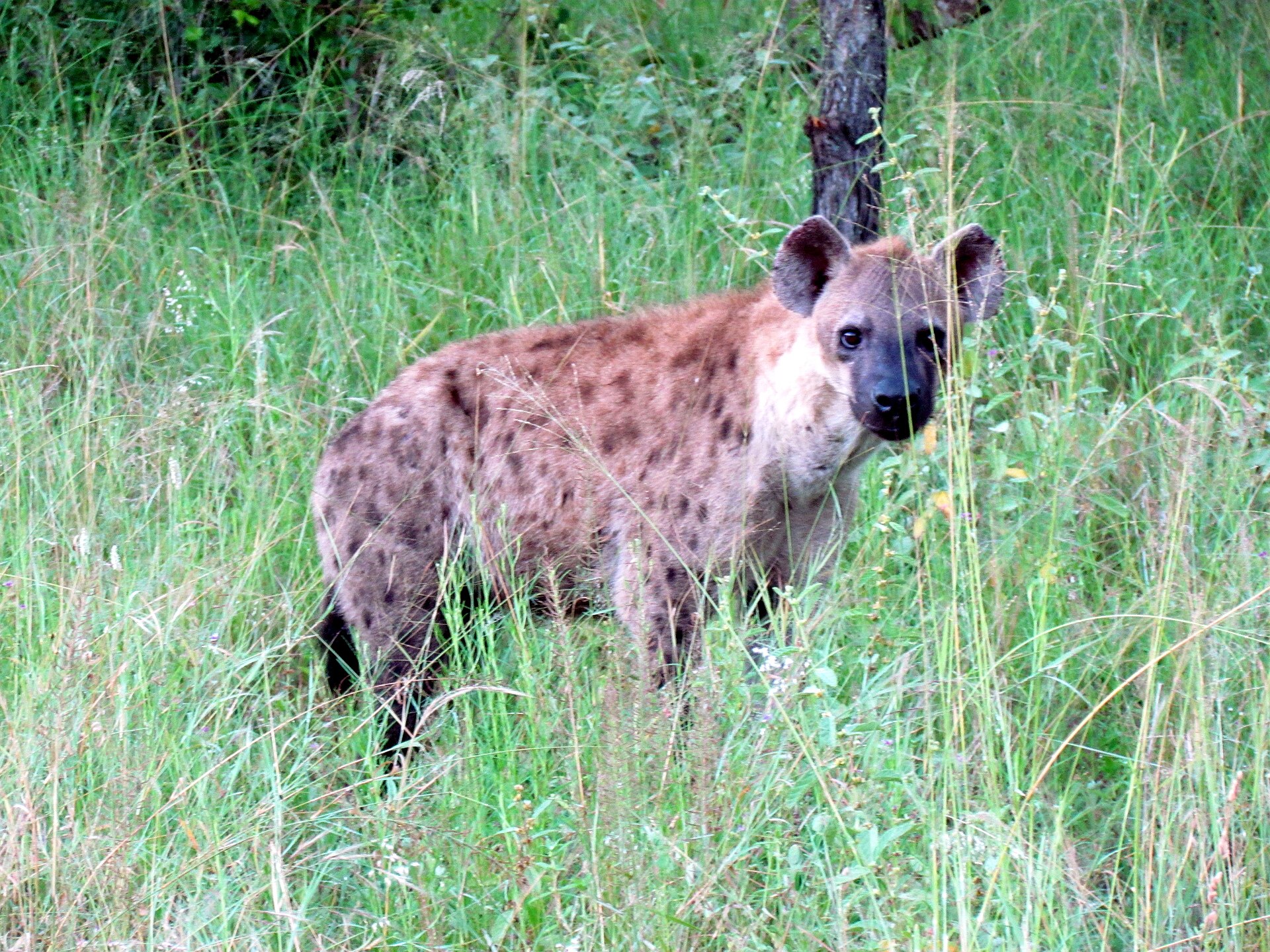
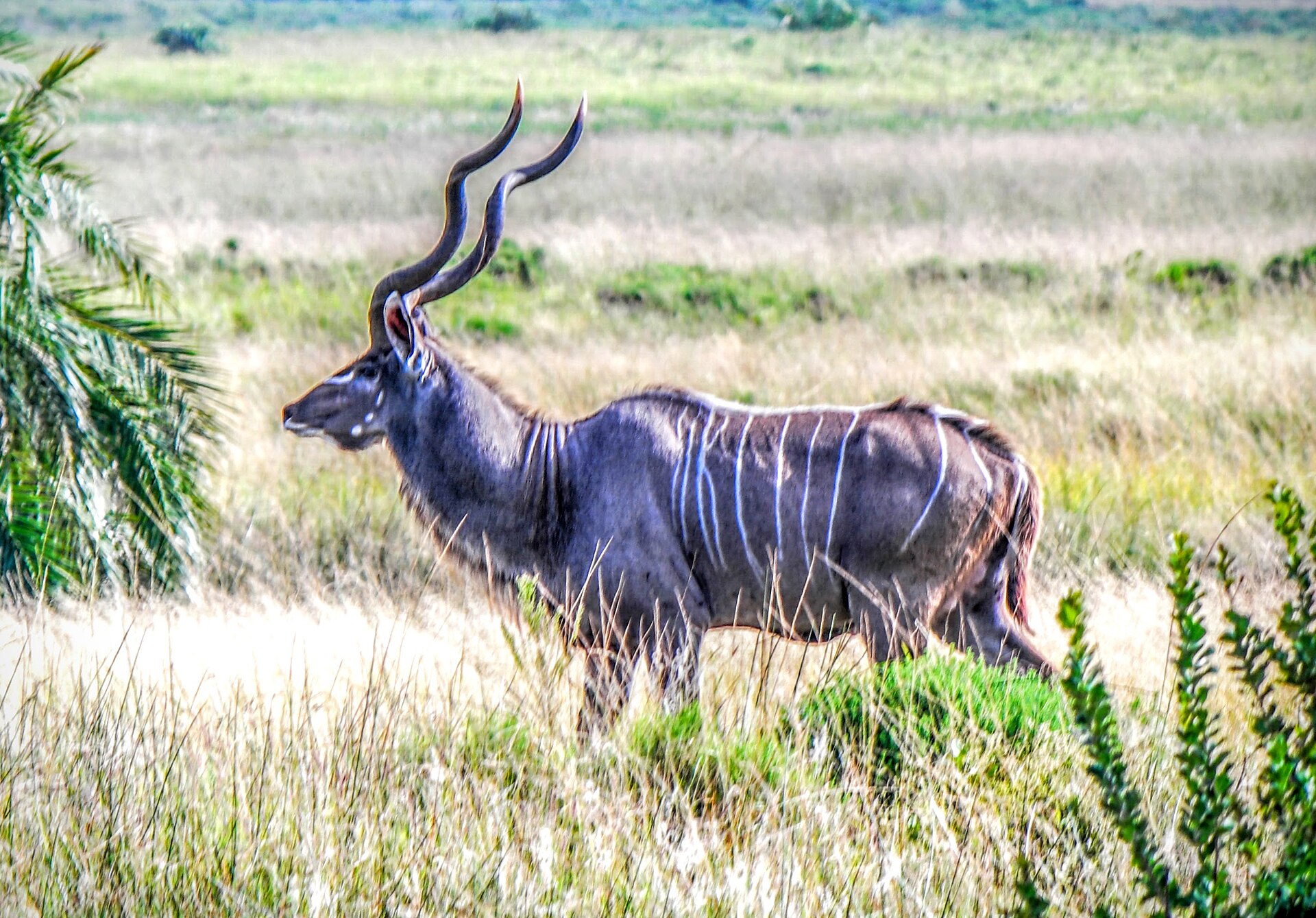
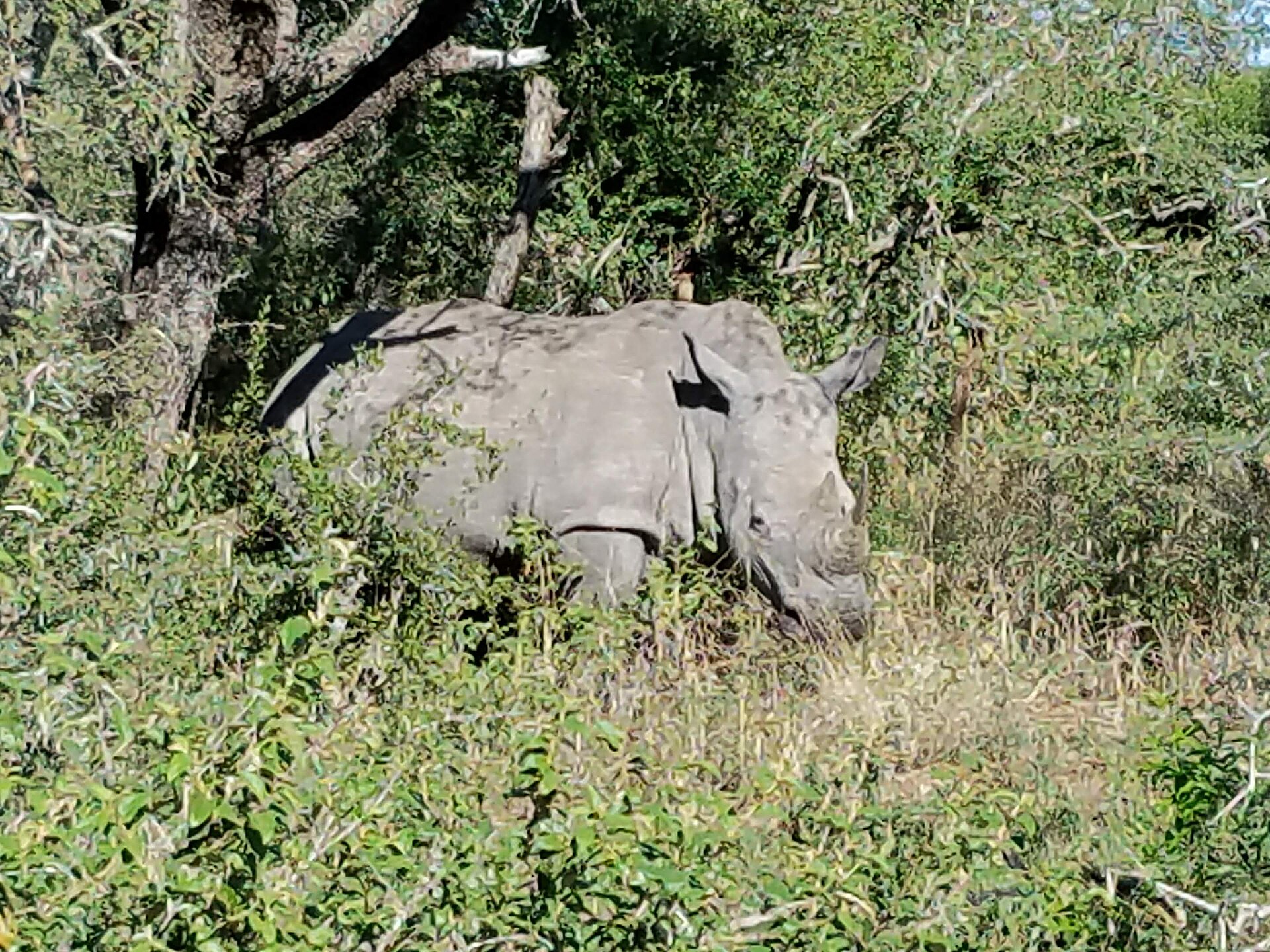
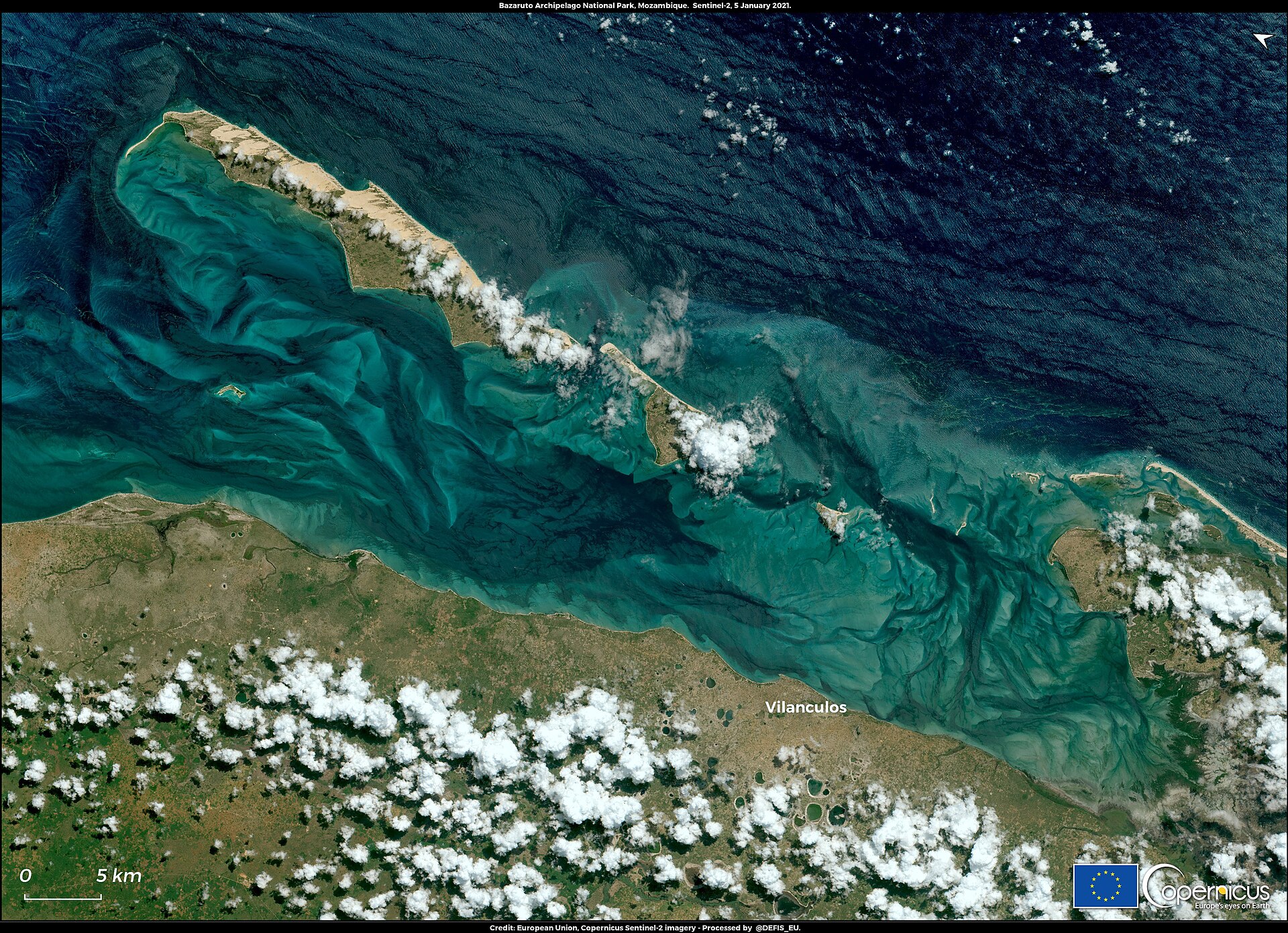

Frequently Asked Questions About Kruger National Park
Can I self-drive in Kruger National Park?
Yes — Kruger is Africa's best self-drive safari park. You can enter in a standard rental car and drive on 3,000+ km of paved and dirt roads. Rest camps (Skukuza, Satara, Berg-en-Dal) offer accommodation, restaurants, and fuel. Always stay in your vehicle on public roads.
What is the best time to visit Kruger?
May–September (dry season) is best — vegetation is sparse, animals congregate at waterholes, and roads are dry. July–August offers the highest wildlife density. October–April (wet season) is greener with newborn animals and excellent birding, but vegetation reduces visibility.
Is Kruger malaria-free?
Kruger itself is in a malaria zone. However, several adjacent private game reserves in Limpopo (e.g., Waterberg, Madikwe) offer Big Five safaris in malaria-free areas. These are popular for families with young children. If visiting Kruger, take malaria prophylaxis during wet season (Nov–Apr).
How much does it cost to visit Kruger?
Kruger is Africa's most affordable Big Five destination. Park entrance is $25/day per person. Budget rest camps cost from $50–$100/night (self-catering huts). Mid-range guest houses run $150–$300/night all-inclusive. Adjacent luxury private lodges (Sabi Sand, Timbavati) cost $600–$2,500/night.
How do I get to Kruger National Park?
Fly into Johannesburg (OR Tambo) and then: drive 5 hours northeast via the N4 or N12, or take a shuttle from Johannesburg to Hazyview/Phalaborwa (4–5 hours). For northern Kruger, fly into Hoedspruit Airport (1 hour from Johannesburg). Skukuza Airport (inside the park) accepts charter flights and some regional scheduled flights.