Arusha National Park Safari Guide
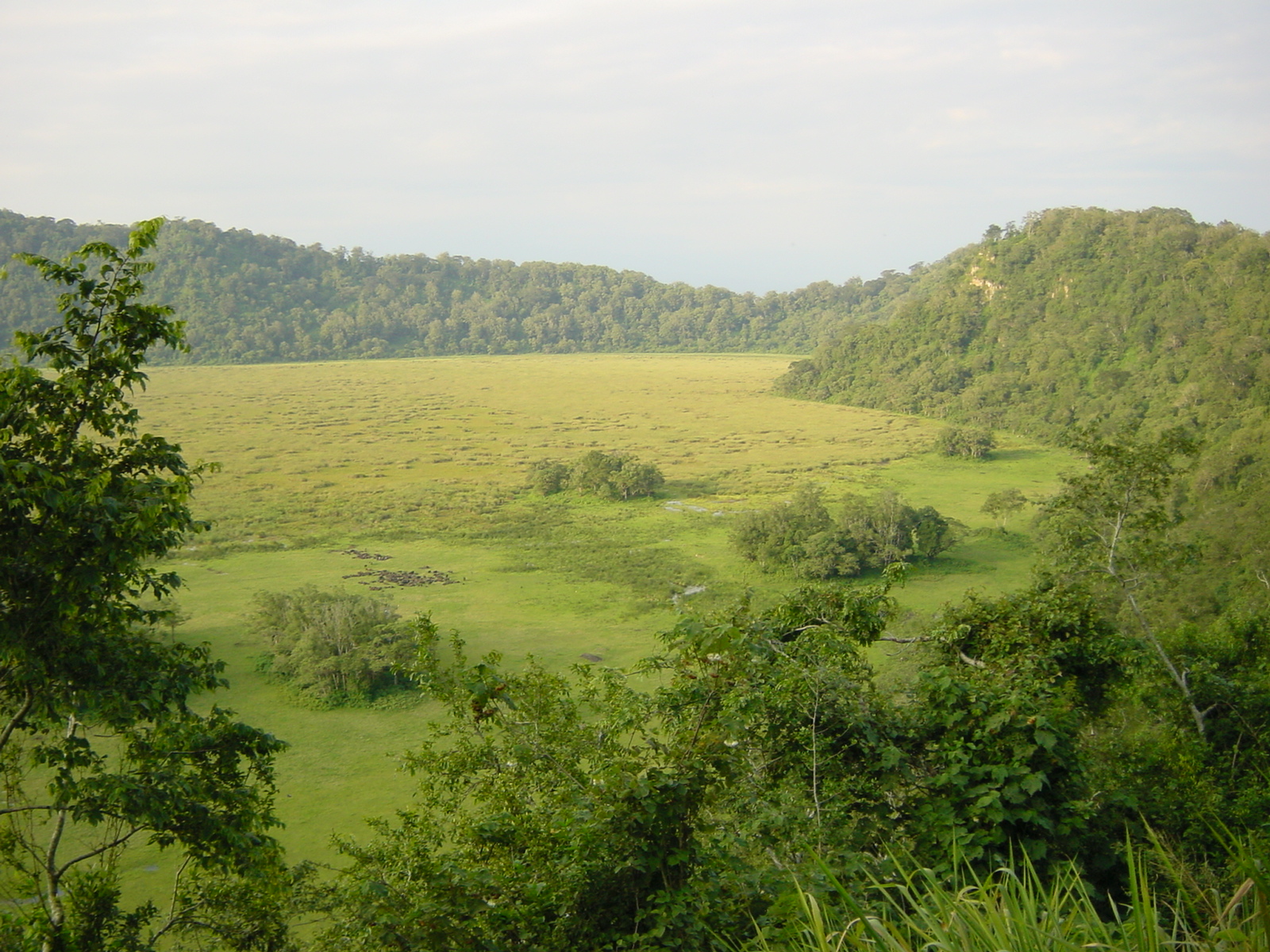
Arusha National Park is small — around 550 square kilometres — but it packs in an unusual amount of variety, running from the Ngurdoto Crater's forested caldera through the Momella Lakes to the summit of Mount Meru at 4,566 metres, Tanzania's second-highest mountain. Because there are no lion resident in the park, activities that are prohibited almost everywhere else in northern Tanzania are permitted here: guided walking safaris, and canoeing on the Momella Lakes among waterbuck and, seasonally, flamingo. The forest holds black-and-white colobus monkeys, blue monkeys and abundant birdlife; giraffe, buffalo, zebra and bushbuck use the open glades. Meru itself is a serious three- to four-day trek and is often climbed as acclimatisation before Kilimanjaro. The park's real practical advantage is position: it lies between Arusha town and Kilimanjaro International Airport, which makes it the most useful first or last day on a northern-circuit itinerary.
Written by SafariSync Experts
Arusha, Tanzania — on-the-ground knowledge
About Arusha National Park
Arusha National Park is a small but beautiful park on the slopes of Mount Meru, just 30 minutes from Arusha. While lacking the big game density of the Serengeti, it offers a delightful introduction to Tanzanian wildlife with guaranteed sightings of black-and-white colobus monkeys, giraffes, buffalo, and a rich diversity of birdlife.
The park's highlights include canoeing on the Momella Lakes (surrounded by hippos and flamingos), walking safaris through montane forest, and — on clear days — some of the most spectacular views of Mount Kilimanjaro in the country. It's the perfect first-day activity after arriving at Kilimanjaro Airport.
Why Visit Arusha National Park
Best Time to Visit Arusha National Park
June to October for clear Kilimanjaro views. Year-round for forest wildlife. Morning visits are best for mountain views before clouds build.
What a Arusha National Park Safari Costs
Park fees $53/adult/day. Often a half-day excursion from Arusha. Canoeing and walking safaris available at modest extra cost.
Getting to Arusha National Park
Just 30 minutes from Arusha city centre — the closest national park to the safari capital. Perfect for a first-day or last-day activity.
Where to Stay in Arusha National Park
Arusha National Park Safari — Frequently Asked Questions
What is the best time to visit Arusha National Park?
June to October for clear Kilimanjaro views. Year-round for forest wildlife. Morning visits are best for mountain views before clouds build.
How do I get to Arusha National Park?
Just 30 minutes from Arusha city centre — the closest national park to the safari capital. Perfect for a first-day or last-day activity.
How much does a Arusha National Park safari cost?
Park fees $53/adult/day. Often a half-day excursion from Arusha. Canoeing and walking safaris available at modest extra cost.
What are the top things to see in Arusha National Park?
Arusha National Park is renowned for: Stunning Mount Kilimanjaro and Meru views, Black-and-white colobus monkeys, Canoeing on Momella Lakes, Walking safaris with armed rangers. The exact wildlife and experiences depend on the season and specific areas you visit.
Can I book a Arusha National Park safari through SafariSync?
Absolutely. SafariSync connects you with verified safari operators who run tours in Arusha National Park. Submit an inquiry and our operators will craft a custom itinerary tailored to your dates, budget, and interests.
Why Trust This Guide
This guide is written and maintained by the SafariSync team in Arusha, Tanzania, drawing on our direct relationships with the operators and lodges we list.