Safari Birding Guide — African Bird Watching Adventures
Plan your African birding safari with our comprehensive guide. Discover 15 iconic species, top destinations with 400-600+ species, seasonal calendars, essential gear, and birding etiquette for an unforgettable bird watching experience.
2,300+
Africa bird species
1,100+
Endemic species
Nov–Apr
Best birding months
Tanzania (1,100+ spp)
Top birding country
Why a Birding Safari in Africa
Africa is home to over 2,300 bird species, from the massive shoebill stork of Uganda to the lilac-breasted roller of the Serengeti. A dedicated birding safari targets specific habitats and species that general game drives miss entirely.
Specialist Birding Guides
The difference between a standard guide and a birding specialist is enormous. Birding guides know calls, can locate skulking species by ear, and understand habitat preferences. They carry scopes and field guides and adjust the pace entirely around bird activity.
Habitat Diversity
Africa spans rainforests, highlands, wetlands, savannahs, deserts, and coastlines — each with distinct bird communities. A single trip through the Albertine Rift in Uganda can pass through five distinct habitats and 600+ species.
Palearctic Migrants
Between November and April, millions of European and Asian migrants arrive in Africa. Wetlands fill with waders, raptors appear on thermals, and species counts at key sites can double. This is why the green season is peak birding season.
Big Game Alongside Birds
Unlike dedicated birding destinations elsewhere in the world, African birding safaris deliver big game sightings alongside the birds. You photograph a martial eagle and moments later watch a leopard on a kill.
Endemics Worth Chasing
Africa has over 1,100 endemic species found nowhere else. The shoebill in Uganda and Zambia, Pel's fishing owl in Southern Africa, the Abyssinian ground hornbill in Ethiopia, and the Cape parrot in South Africa draw serious listers from around the world.
Photography Potential
African light combined with colourful species like bee-eaters, rollers, sunbirds, and kingfishers creates outstanding bird photography. Many lodges have hides positioned over waterholes and feeding stations specifically for photographers.
Top Birding Safari Destinations
These parks and regions offer the highest species counts, the best endemic targeting, and guides who genuinely know birds.
Serengeti & Ngorongoro
550+ species across savannah, woodlands, and crater lake
$400–$900/day
Bwindi Impenetrable Forest
Albertine Rift endemics and gorilla trekking
$400–$800/day
South Luangwa
Carmine bee-eater colonies and Pel's fishing owl
$350–$700/day
Lake Manyara
Flamingos, raptors, and forest species in a compact park
$300–$600/day
Okavango Delta
Water birding from mokoro canoes
$600–$1,500/day
Birding Seasons Compared
| Season | Months | Advantages | Disadvantages | Species Count Impact |
|---|---|---|---|---|
| Green (Wet) | Nov–Apr | Palearctic migrants present, breeding plumage, nesting activity, lower rates | Some roads impassable, denser vegetation, afternoon rains | +30–40% more species |
| Dry | May–Oct | Easier spotting in sparse vegetation, waterholes concentrate birds, pleasant temperatures | No migrants, duller plumage, higher lodge rates | Baseline count |
| Shoulder (Early Green) | Oct–Nov | First migrants arriving, breeding colonies forming, good value | Unpredictable rain, some species not yet arrived | +15–25% more species |
Birding Safari Tips
Book a specialist birding guide
A general safari guide may know 100–150 common species. A birding specialist knows 400+ by sight and call. The cost difference is minimal — $20–$50/day extra — but the experience is incomparable. Ask lodges specifically for their birding guide by name.
Bring a scope and tripod
Binoculars alone are not enough for serious birding. A 20–60x spotting scope is essential for shorebirds, raptors, and waterbirds at distance. Lightweight carbon-fibre tripods work well on game drive vehicles.
Time your trip to the green season
If birds are your primary objective, travel between November and March. Migratory species swell the count, residents are in breeding plumage, and nesting colonies are active. Lodge rates are also 30–40% lower.
Allow for slow mornings
Birding safaris work differently from game drives. Plan for 3–4 hour morning sessions on foot or by vehicle, returning for a midday break, then a shorter afternoon session. Dawn and the first two hours of light are the most productive.
Record your sightings
Use eBird to log checklists — it contributes to citizen science and gives you a permanent record. Many African birding guides submit checklists routinely and their profiles can help you evaluate their expertise before booking.
Bookable with local operators
Birding safari tours
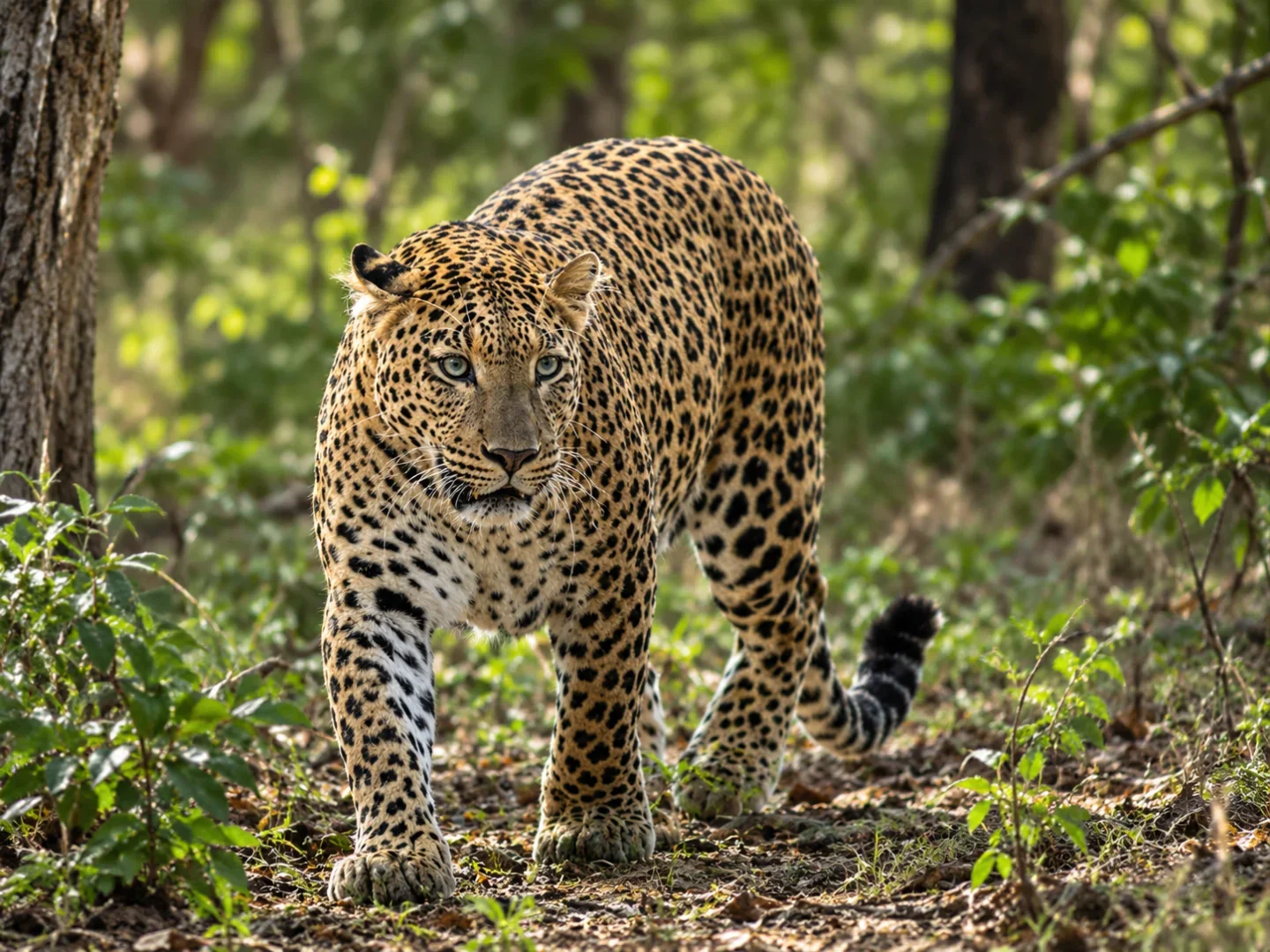
VELMARA SAFARIS
Verified6-Day Luxury Kenya & Tanzania Wildlife Safari
Experience an unforgettable 6-day luxury safari across Kenya and Tanzania, combining spectacular wildlife, breathtaking landscapes, rich culture, and premium accommodation. Explore the Maasai Mara before crossing through Isebania into Tanzania to discover the Serengeti and Ngorongoro Crater. Enjoy expertly guided game drives, luxury lodge stays, delicious meals, Big Five encounters, a complimentary Maasai visit, and scenic cultural experiences along the way.
From $4,150 /person
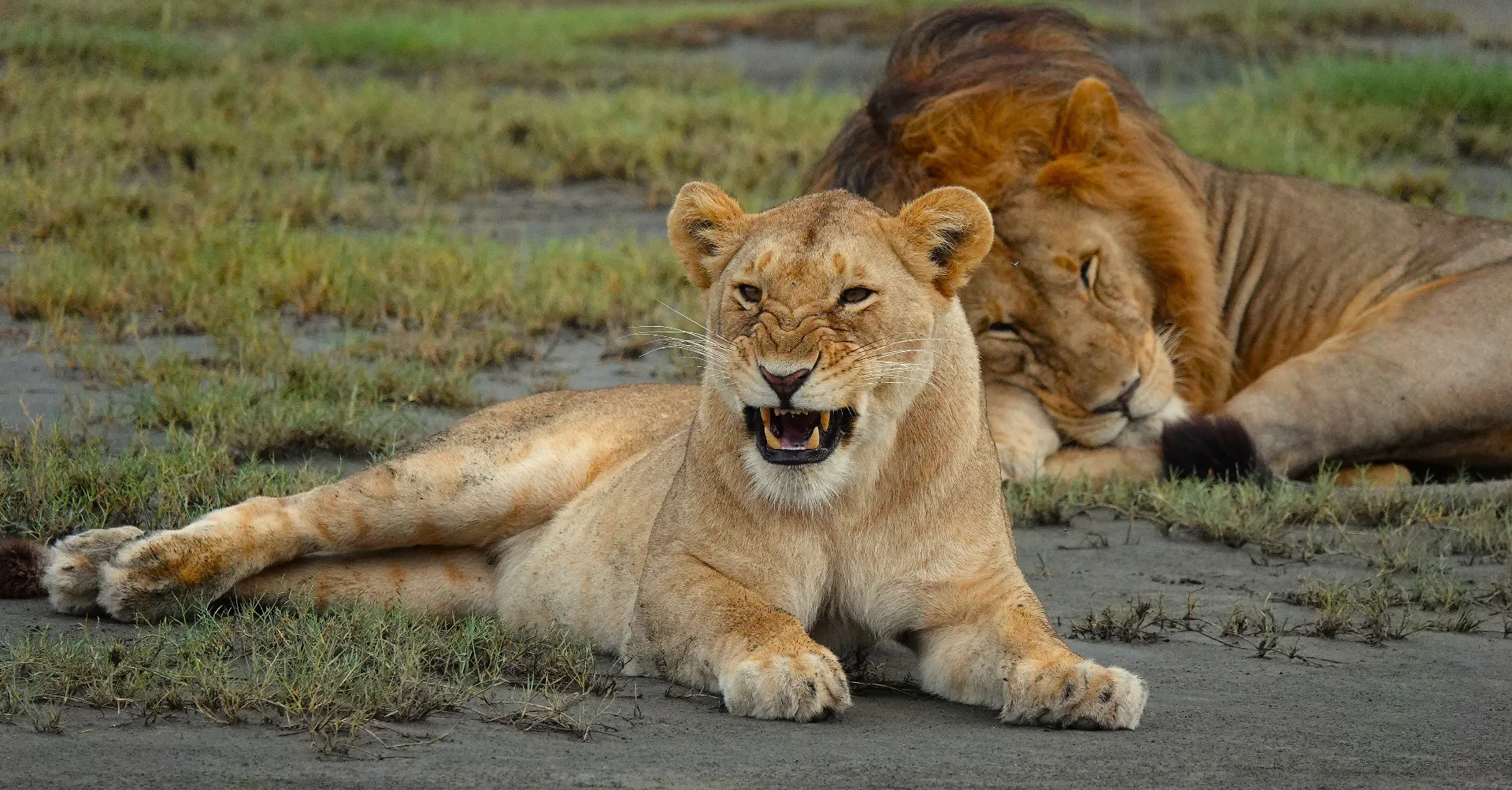

Green Planet Safaris
Verified9-Day Great Migration & Relaxation Safari
Experience the raw drama of Africa's greatest wildlife spectacle on this nine-day journey through Tanzania's Northern Circuit. You'll witness the legendary Great Migration in the Serengeti, where vast herds of wildebeest and zebras move across endless plains in one of nature's most extraordinary events. Stand amid the iconic baobab forests of Tarangire, where you'll have a chance to see massive elephant herds, and explore the stunning Lake Manyara, known for its tree-climbing lions and vibrant flamingo populations. Your adventure culminates in the Ngorongoro Crater, a wildlife-packed natural wonder where diverse species thrive within this remarkable caldera. Throughout your safari, you'll experience the perfect blend of thrilling game drives and moments of pure wonder as you connect with the African wilderness. This is your chance to see why Tanzania's Northern Circuit remains the world's premier safari destination, where every day brings new encounters and unforgettable memories.
From $4,765 /person
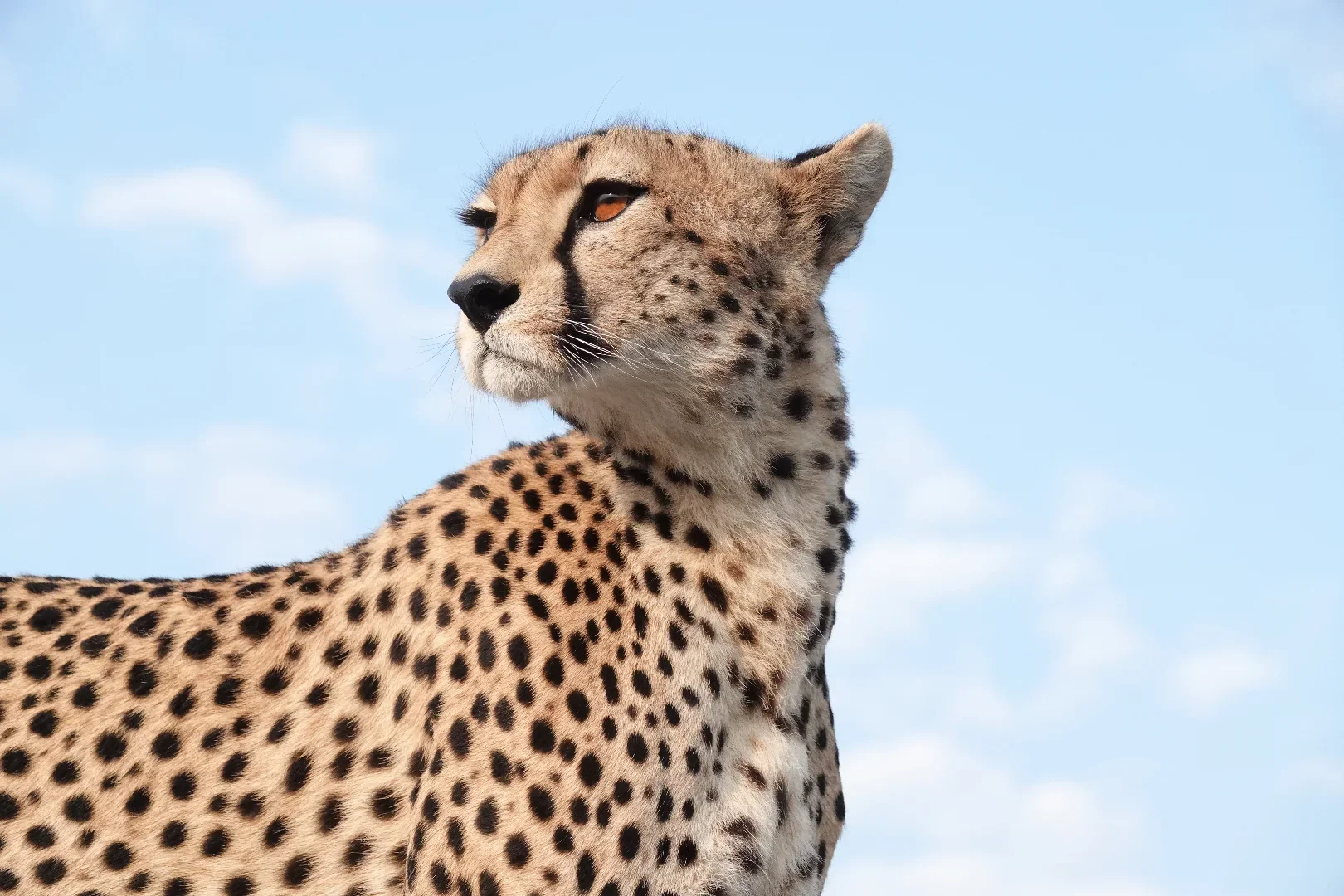
Green Planet Safaris
Verified10-Day Into The Wild Luxury Tanzania Safari
Into The Wild Luxury Tanzania Safari Experience the raw majesty of Tanzania's Northern Circuit, where some of Africa's most iconic landscapes unfold before you. Over ten days, you'll traverse the Serengeti's endless plains, witness the legendary elephant herds of Tarangire beneath ancient baobabs, and explore the wildlife-packed depths of the Ngorongoro Crater. Each destination reveals a different facet of Tanzania's extraordinary natural heritage. Your journey takes you through landscapes shaped by millions of years of evolution. Look out for tree-climbing lions in Lake Manyara, search for colobus monkeys in Arusha National Park with Kilimanjaro's snow-capped peak as your backdrop, and experience the unparalleled game viewing the Serengeti is renowned for. This is Tanzania at its most wild, most beautiful, and most unforgettable.
From $5,600 /person
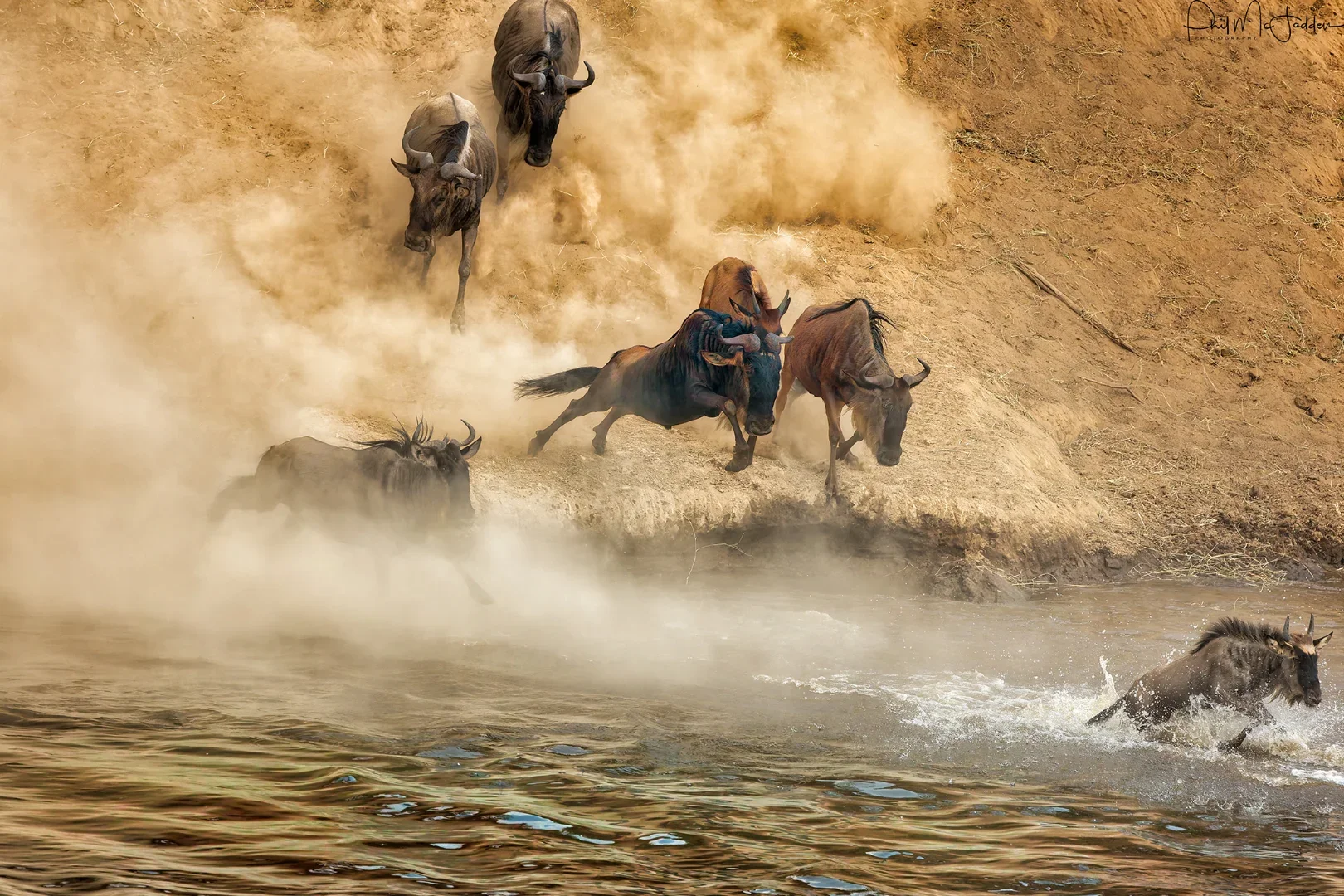
Green Planet Safaris
Verified11- Day Epic Migration Premium Safari with Elewana Collection
You're embarking on an eleven-day journey through Tanzania's Northern Circuit, where some of Africa's most iconic landscapes and wildlife encounters await. This premium safari takes you deep into the Serengeti, the world's most famous wildlife reserve, then through Tarangire's legendary elephant herds beneath ancient baobabs, and into the wildlife-packed Ngorongoro Crater. You'll also explore Arusha National Park with its stunning Kilimanjaro views and Arusha Lake's tree-climbing lions and vibrant flamingo populations. Throughout your adventure, you'll experience the raw drama of Africa's greatest ecosystems with the expert guidance and refined comfort that Elewana Collection is known for. From the thundering herds of the migration to intimate encounters with Africa's most remarkable wildlife, this journey immerses you in the natural wonders that define the continent. Every moment is designed to deepen your connection to the wild heart of Tanzania.
From $12,785 /person
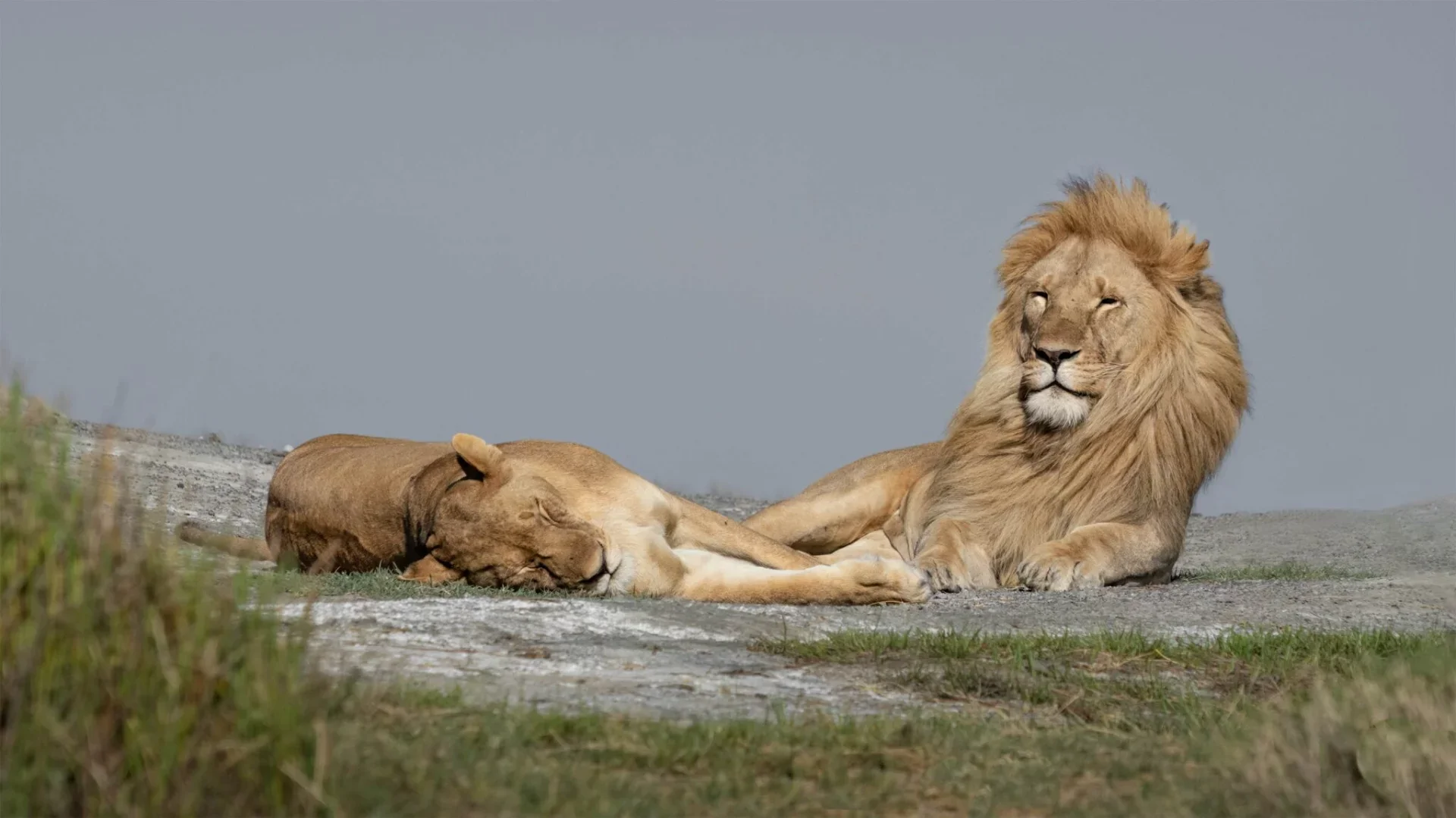
Green Planet Safaris
Verified2-Day Tanzania Honeymoon Luxury Safari Retreat: Tarangire and Ngorongoro crater
This intimate two-day Tanzania honeymoon safari whisks you away to two of East Africa's most enchanting wilderness areas. You'll experience the legendary elephant herds of Tarangire National Park, where ancient baobab trees frame unforgettable wildlife encounters, before ascending to the breathtaking Ngorongoro Crater—a self-contained ecosystem teeming with game. Throughout your retreat, you have a chance to see the Big Five and countless other species in their natural habitat. Your journey unfolds in supreme comfort at luxury tented camps designed for romance and relaxation. Between game drives, you'll enjoy birdwatching excursions that reveal the region's extraordinary avian diversity. Every moment is crafted to deepen your connection with Tanzania's wild heart while indulging in the finest safari hospitality, making this the perfect celebration of your union.
From $1,130 /person
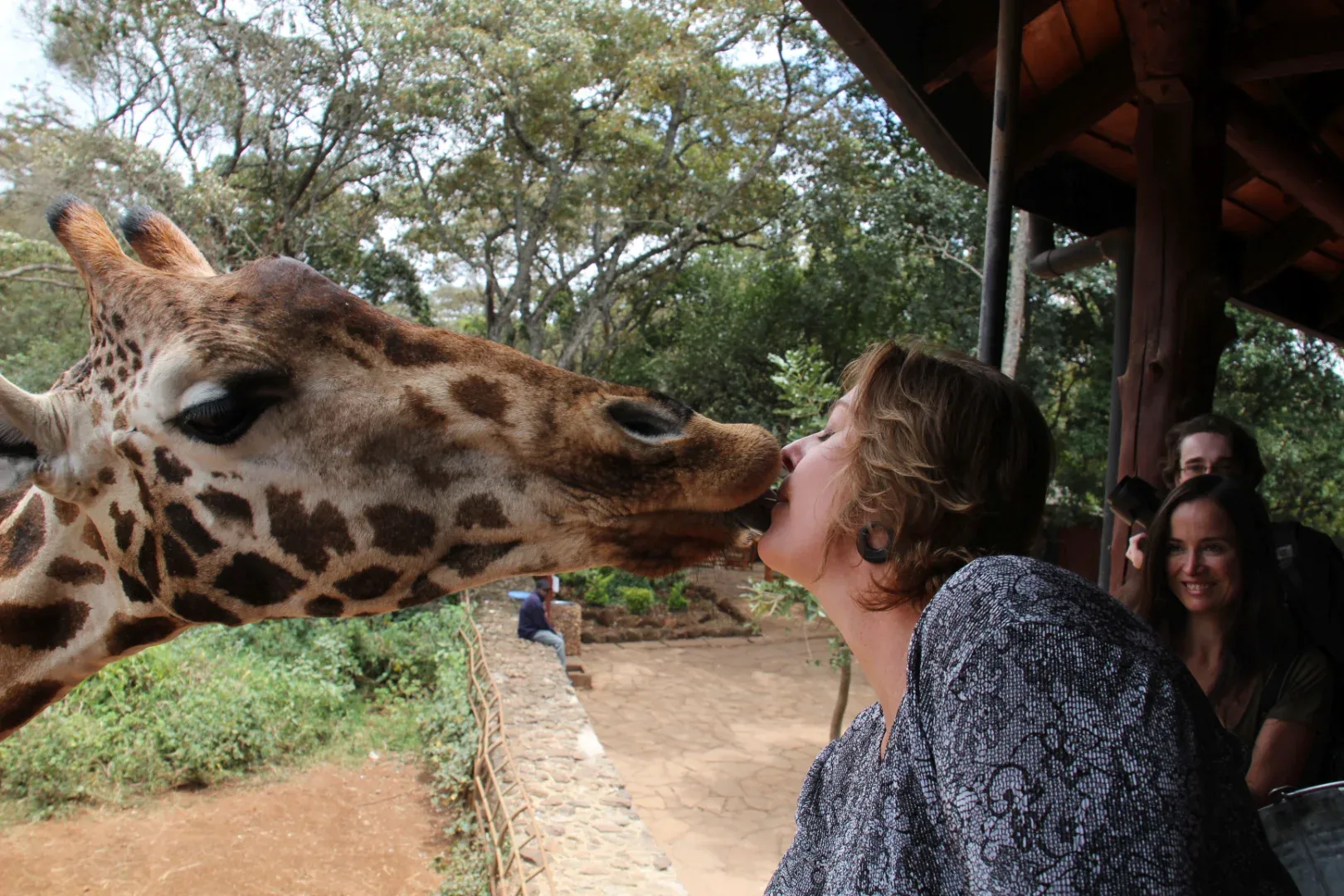

Baisy Oryx Safaris Ltd
VerifiedOut of Africa Nairobi City Tour
07:00hrs; breakfast at the hotel after which you will embark on a Nairobi City tour. This will entail a tour of the CBD to the sites that are of historical importance. You will thereafter proceed to David Sheldrick for the 11:00hrs public show. At 12:30; a visit to Giraffe Center followed by lunch (on own arrangements) at a Nairobi Restaurant. At 14:30hrs a visit to Karen Blixen Museum. Other optional places to visit include the Kazuri Beads, Utamanduni Craft Center, Masai Market, MatBronze, etc.
From $240 /person
Where to go
Explore the destinations
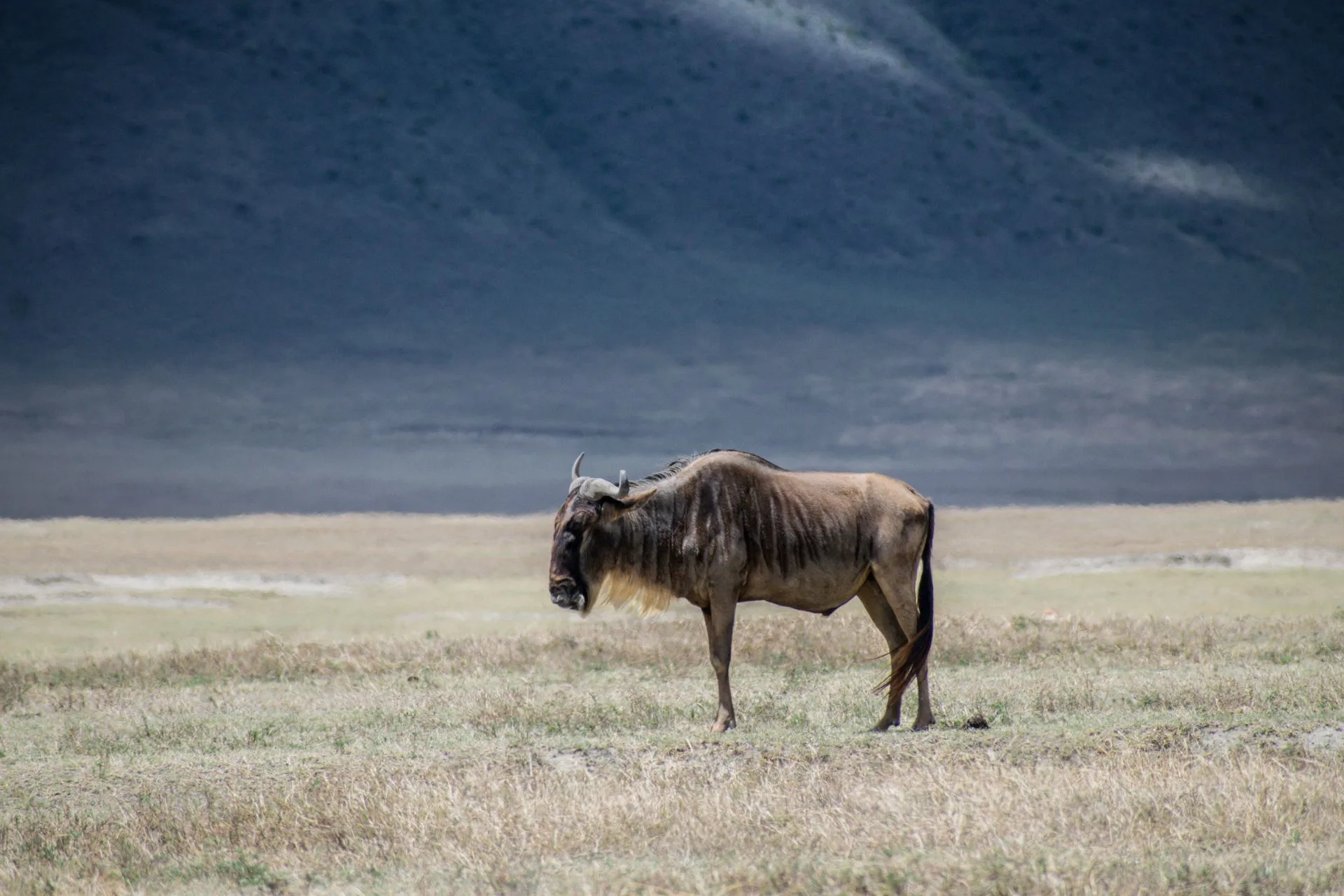 16 tours · 25 lodgesTanzaniaRoof of Africa & Beyond
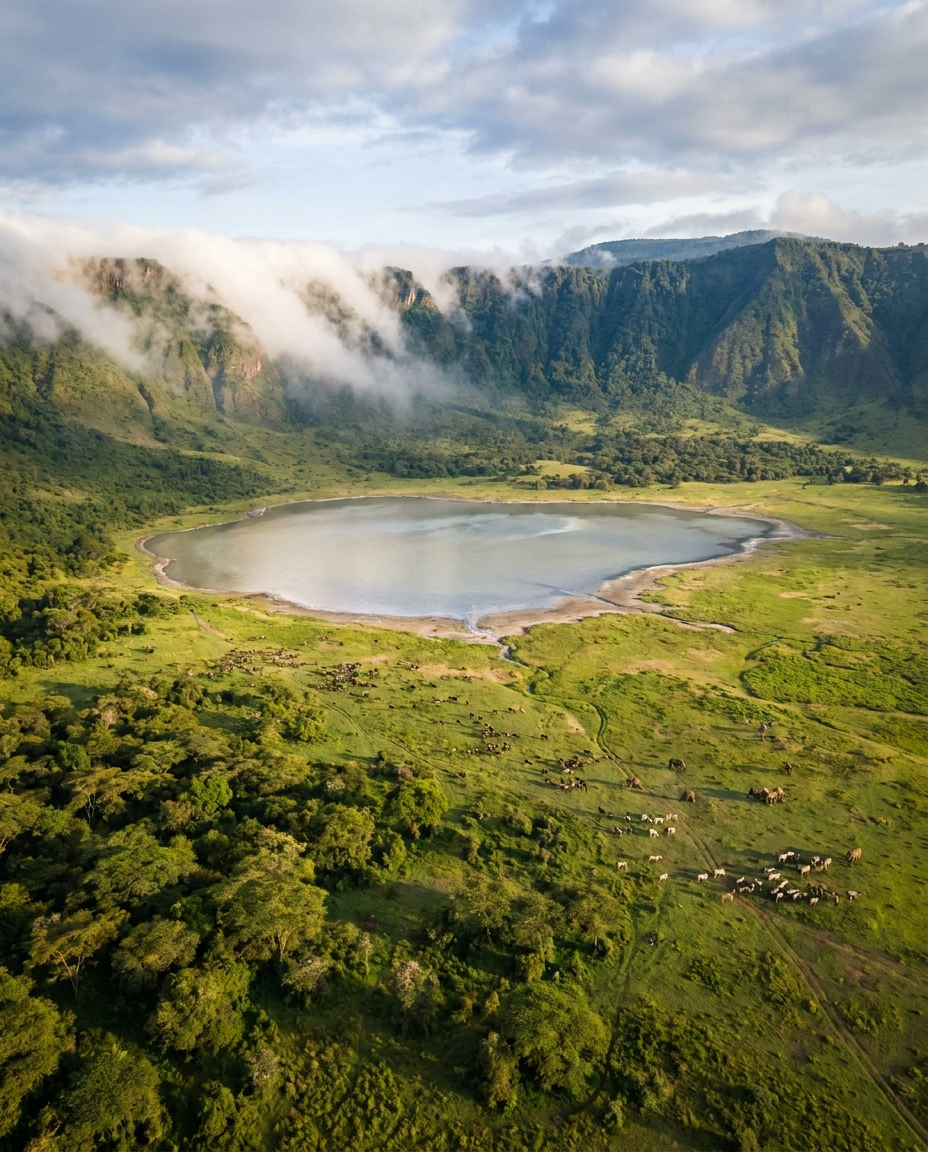 2 tours · 7 lodgesNgorongoro CraterDiscover Ngorongoro Crater
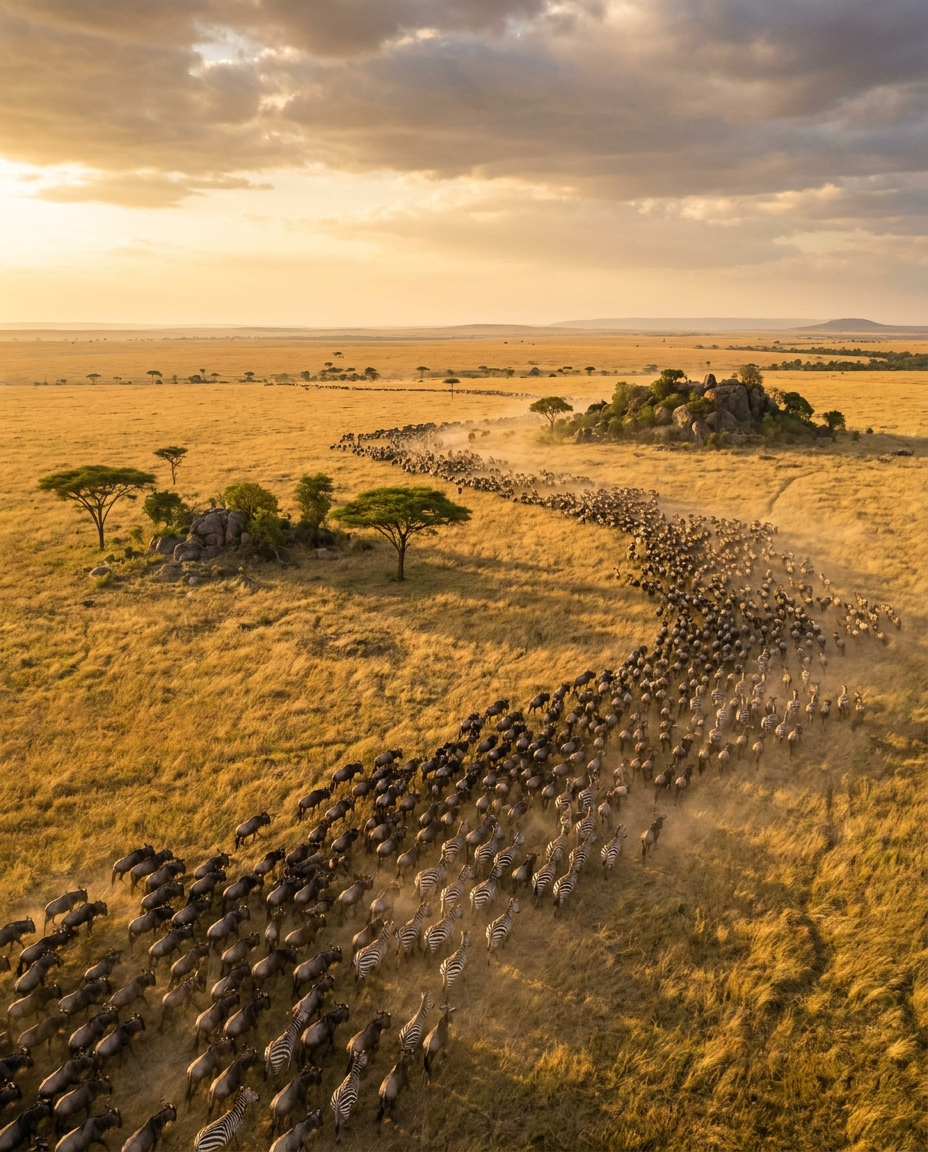 11 lodgesSerengeti National ParkDiscover Serengeti National Park
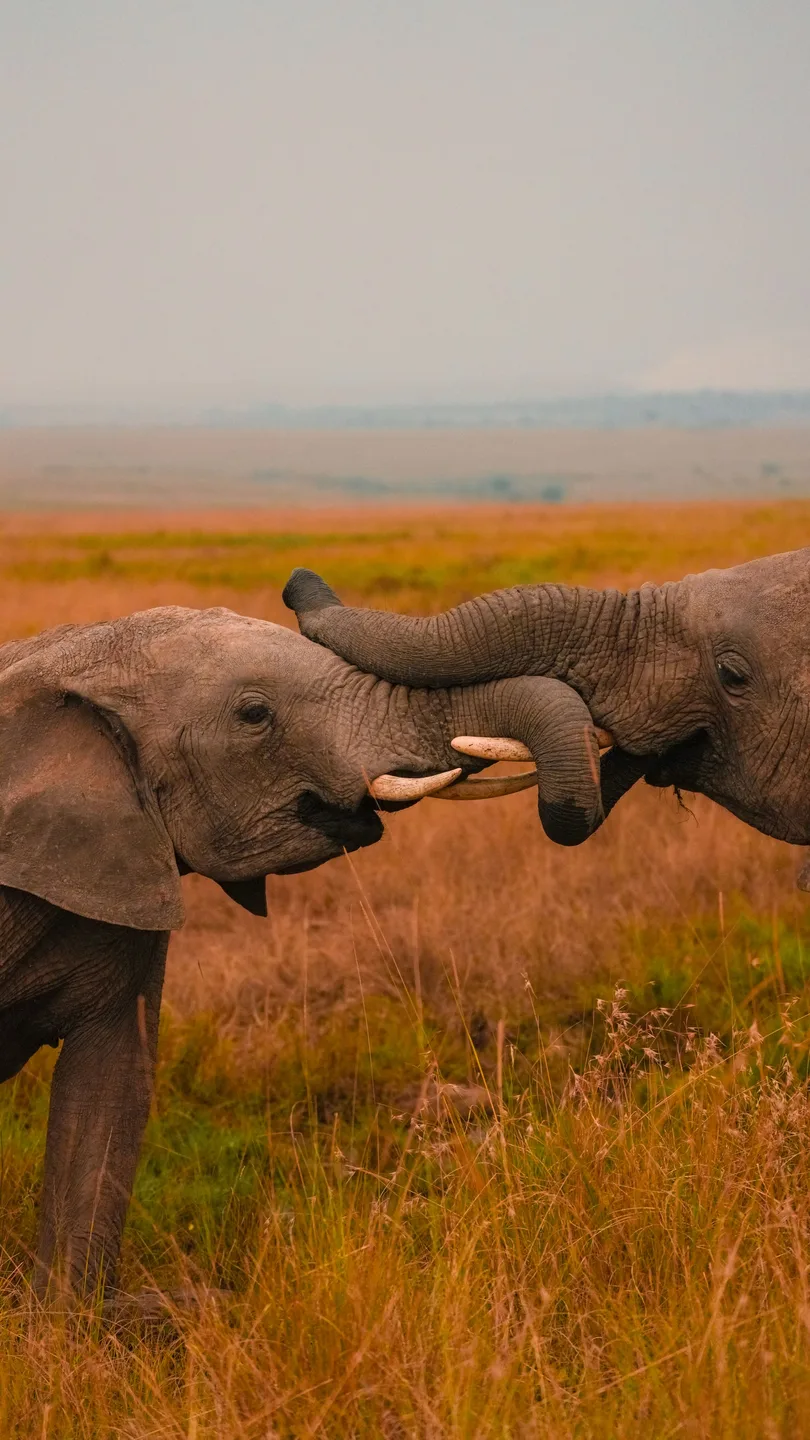 3 toursKenyaThe Original Safari
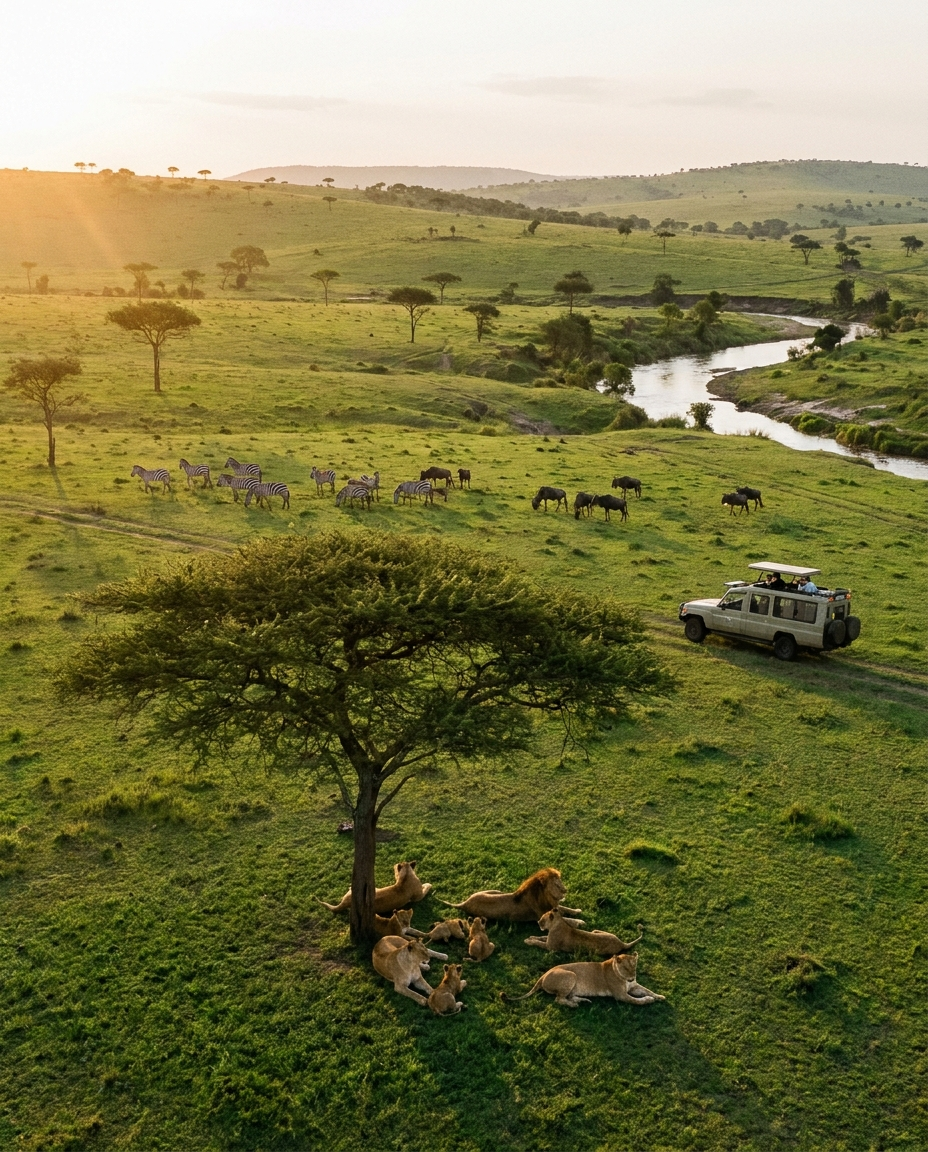 2 toursMasai MaraDiscover Masai Mara National Reserve
 15 tours · 24 lodgesNorthern CircuitThe Classic Safari Route
Plan with local experts
Ready to Plan Your Safari?
Compare verified operators, get instant quotes, and book your dream African safari.