Gorilla Trekking Guide — Uganda & Rwanda 2026
Complete guide to gorilla trekking in Africa. Uganda vs Rwanda compared, permit costs, best time, difficulty, what to expect. Mountain gorilla tours from $800/person.
~1,063
Mountain gorillas left
$1,500
Permit cost (Rwanda)
$700
Permit cost (Uganda)
8 trekkers
Max group size
The Gorilla Trekking Experience
Sitting one metre from a 200 kg silverback mountain gorilla in a misty bamboo forest is one of the most profound wildlife encounters on Earth. Only around 1,063 mountain gorillas survive, all in a small area straddling Rwanda, Uganda, and the Democratic Republic of Congo. Meeting them requires a permit, a trek, and physical effort — which makes the encounter all the more meaningful.
The One-Hour Rule
Once trackers locate the gorilla family, your group of eight spends exactly one hour with them. This time limit protects the gorillas from habituation stress and disease transmission. That hour passes in what feels like five minutes — it is the most concentrated wildlife experience in Africa.
Habituated Families
Mountain gorillas have been carefully habituated over years by researchers and rangers. They are accustomed to small groups of quiet humans and largely ignore trekkers. Juveniles play, mothers nurse, and silverbacks feed within arm's reach — genuine, unforced wild behaviour.
The Trek Itself
Treks range from 30 minutes to 6 hours depending on where the gorillas slept the night before. You hike through cultivated land, then into dense montane forest at 2,300–3,400 metres elevation. The terrain is steep, muddy, and tangled with vegetation. Porters are available and highly recommended.
Conservation Success Story
Mountain gorillas are one of conservation's greatest victories. Numbers have risen from 620 in 1989 to over 1,063 today, thanks to ranger patrols, veterinary intervention, and revenue from tourism permits. Your permit fee directly funds this protection.
Silverback Encounters
Each gorilla family is led by a dominant silverback — a fully mature male weighing 150–220 kg. These animals are astonishingly gentle giants. Watching a silverback play with an infant or sit calmly as you photograph him from two metres away rewrites everything you thought you knew about great apes.
Photography in Dense Forest
Light in the bamboo and hagenia forest is challenging — dim, dappled, and constantly shifting. High ISO capability (3200–6400) and fast lenses (f/2.8 or wider) are essential. Flash is prohibited. A 24–70mm zoom covers most situations; telephotos are often too long at the distances involved.
Where to Trek for Gorillas
Mountain gorillas are found only in two populations: the Virunga Massif (shared by Rwanda, Uganda, and DRC) and Bwindi Impenetrable Forest in Uganda. Each location offers a different experience at a different price point.
Volcanoes National Park, Rwanda
Premium gorilla trekking with excellent infrastructure
$1,500–$3,000/day
Bwindi Impenetrable Forest, Uganda
More gorilla families, lower permit cost, tougher treks
$700–$1,500/day
Queen Elizabeth + Kibale (Uganda Extension)
Tree-climbing lions and chimpanzee trekking
$300–$800/day
Gorilla Trekking Practical Guide
Book permits 6–12 months in advance
Rwanda issues 96 permits per day across 12 gorilla families. Uganda issues 8 per family per day across 20+ families. Peak season (June–September, December–February) sells out months ahead. Book through Rwanda Development Board or Uganda Wildlife Authority, or via a licensed operator.
Hire a porter — non-negotiable
Porters carry your daypack, provide a steadying hand on steep sections, and support the local community. They cost $15–$20 and are worth every cent. The trek can be genuinely arduous — bamboo thickets, mud, and steep gradients at altitude.
Fitness preparation is important
You will hike at 2,300–3,400 metres elevation through dense forest on steep, muddy terrain for up to 6 hours. Cardiovascular fitness and strong legs make the difference between enjoying the trek and surviving it. Start walking or hiking regularly at least 6 weeks before your trip.
Wear garden gloves and gaiters
You will grab stinging nettles, thorny branches, and muddy roots to haul yourself up slopes. Thick garden gloves protect your hands. Gaiters keep mud and ants out of your boots. Long trousers tucked into socks are essential — shorts invite scratches and insect bites.
Keep 7 metres distance and do not flash
Park rules require a 7-metre distance from gorillas (though they sometimes approach you). No flash photography. If a gorilla approaches, crouch low, avoid direct eye contact, and stay calm. Your guide will position you and manage the interaction.
Bookable with local operators
Popular safari tours

Inspirations Africa
Verified8-Day Luxury Kenya Safari: Nairobi, Ol Pejeta & Masai Mara
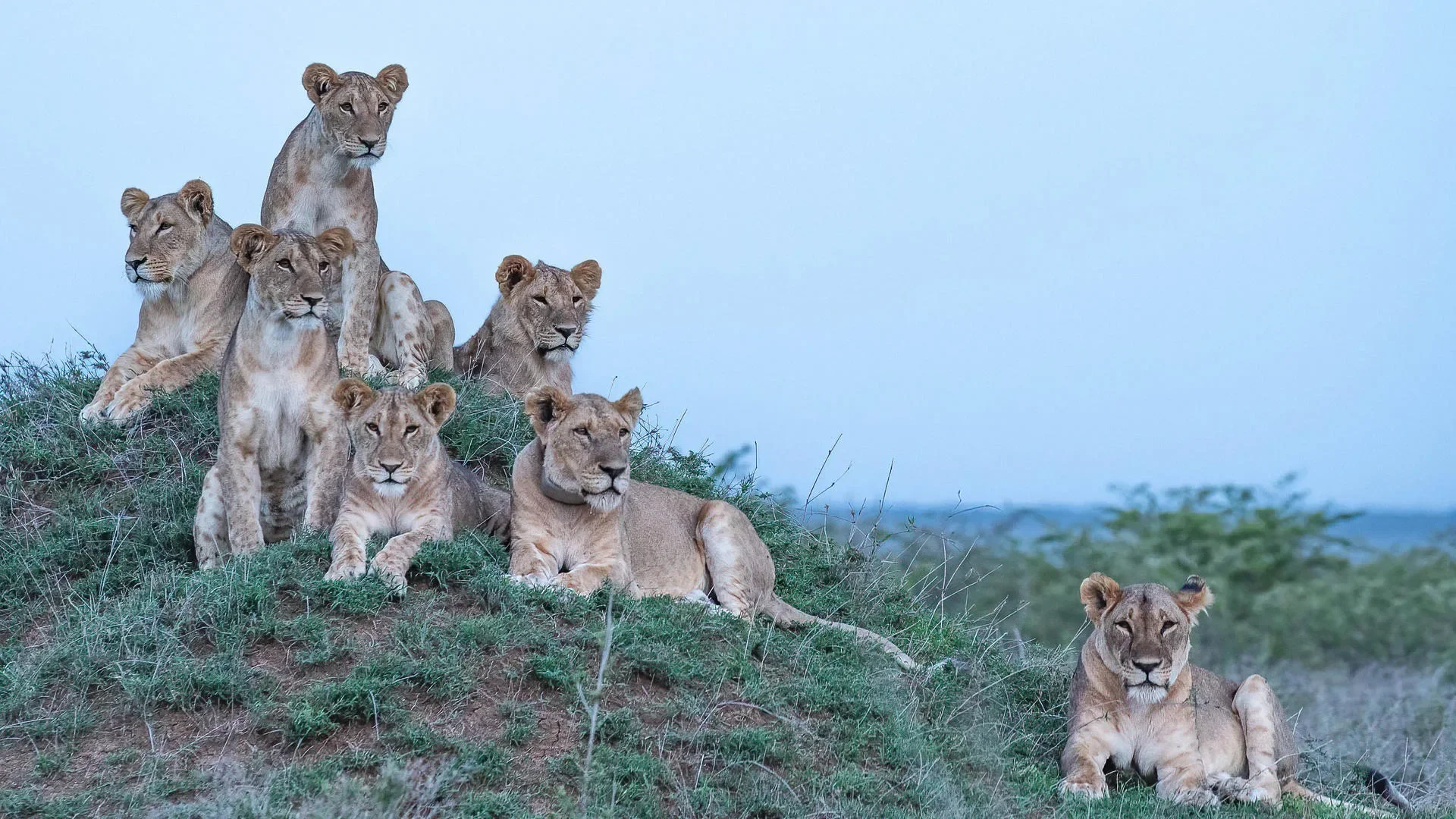
Luxury on safari is not about thread counts. It is about where you wake up, who guides you and the moments that take your breath away. This 8-day journey pairs Kenya's finest lodges with its most wildlife-rich destinations. Begin at the Fairmont The Norfolk in Nairobi, then head to Ol Pejeta Conservancy in Laikipia for three nights at Sanctuary Tambarare Camp, with rhino tracking, the endangered species enclosures and walking safaris with armed Maasai guides that bring you within metres of grazing zebra and giraffe. Fly to the Masai Mara for three nights at andBeyond Kichwa Tembo with a private guide who has tracked the resident lion prides for over a decade, big cat tracking, bush dinners under the Milky Way and an optional hot air balloon safari. Internal flights mean no long road transfers, and all house drinks and laundry are included.
From $9,800 /person
Inspirations Africa
Verified8-Day Kilimanjaro Climb via Lemosho Route
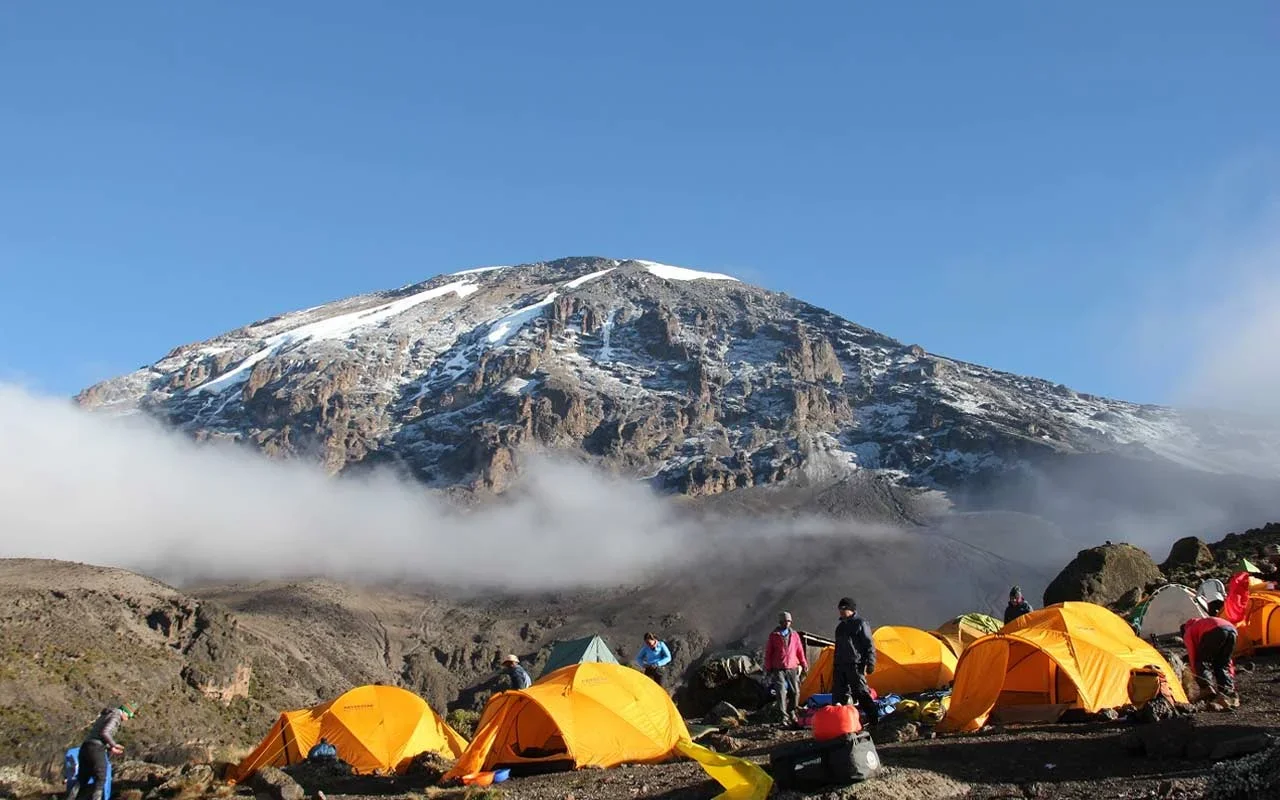
Widely regarded as the most beautiful approach to Kilimanjaro, the Lemosho Route starts on the quiet western side at Londorossi Gate and crosses rainforest, the Shira Plateau and the famous Barranco Wall scramble before summit night to Uhuru Peak at 5,895m. The 8-day profile gives one of the strongest acclimatisation schedules on the mountain, with a 95%+ summit success rate and fewer crowds than Machame or Marangu. Your climb is led by a licensed mountain guide with assistant guides at a 1:2 ratio, porters and a cook, with 4-season tents, portable toilet, pulse oximeter checks and all meals on the mountain. Two hotel nights in Moshi before and after the climb, plus airport transfers, are included. Good fitness is recommended; no technical climbing skills are needed.
From $2,650 /person
Inspirations Africa
Verified4-Day Fly-In Serengeti Safari by Bush Plane
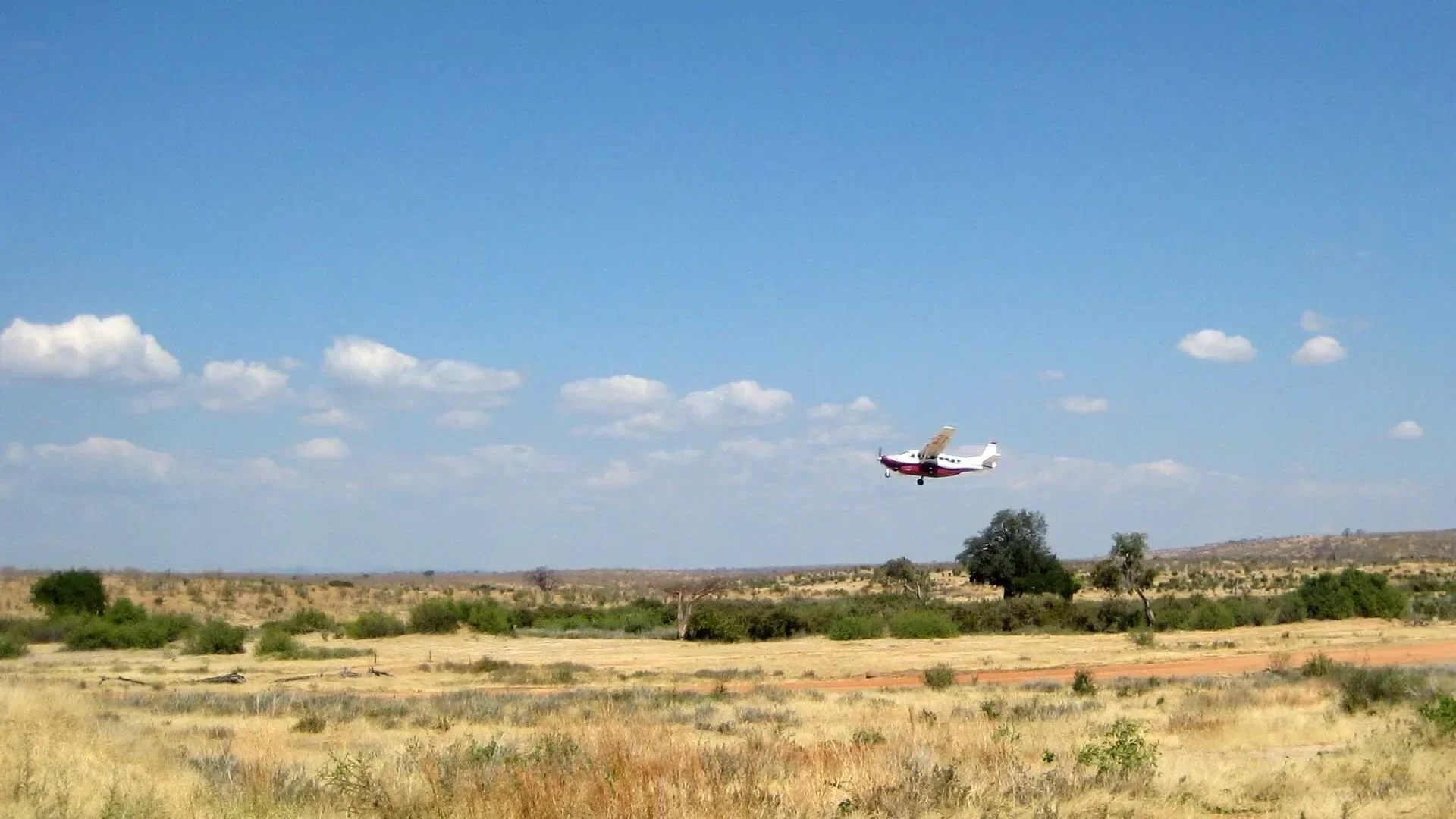
This fly-in safari eliminates the long overland drive from Arusha and gets you to the Serengeti in 90 minutes by bush plane. The flight itself is spectacular, soaring over the Ngorongoro highlands, the Great Rift Valley and the Serengeti's endless plains before landing on a grass airstrip. On the ground you enjoy unlimited game drives from a luxury camp positioned in the prime wildlife corridor: lions, leopards, cheetahs and, in season, the Great Migration herds. Three nights of full-board luxury, sundowners over the plains and a farewell bush dinner, then fly back to Arusha on the final morning. Ideal for travellers short on time who want maximum Serengeti with minimum transit.
From $3,450 /person
Inspirations Africa
Verified7-Day Great Migration Safari: Ngorongoro Crater & Serengeti
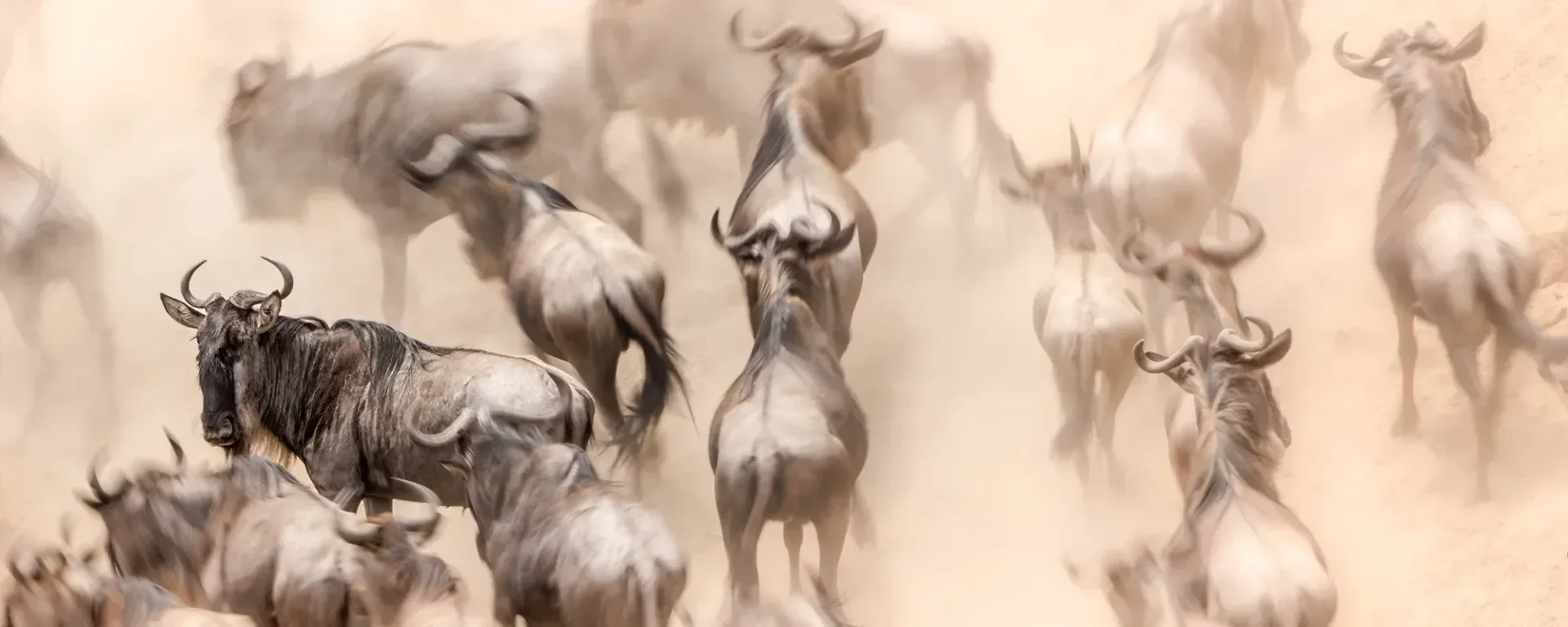
Over two million wildebeest, half a million zebra and hundreds of thousands of gazelle: the Great Migration is the largest overland movement of mammals on Earth, and this 7-day luxury safari puts you at its heart. Begin in Arusha, then descend into the Ngorongoro Crater for the Big Five in one of the world's most concentrated wildlife arenas. Continue to the Serengeti, where your guide tracks the herds by season: Mara River crossings with crocodile ambushes from June to October, or the southern calving grounds with 8,000 births a day from December to March. Luxury tented camps move with the herds so you are always in the right place, and between the mega-herds the Serengeti delivers Africa's finest predator action: lion prides, cheetah coalitions, leopards in sausage trees and hyena clans. Optional dawn hot air balloon safari available.
From $5,950 /person
VELMARA SAFARIS
Verified8-Day Kenya & Tanzania Mid-Range Big Five Safari
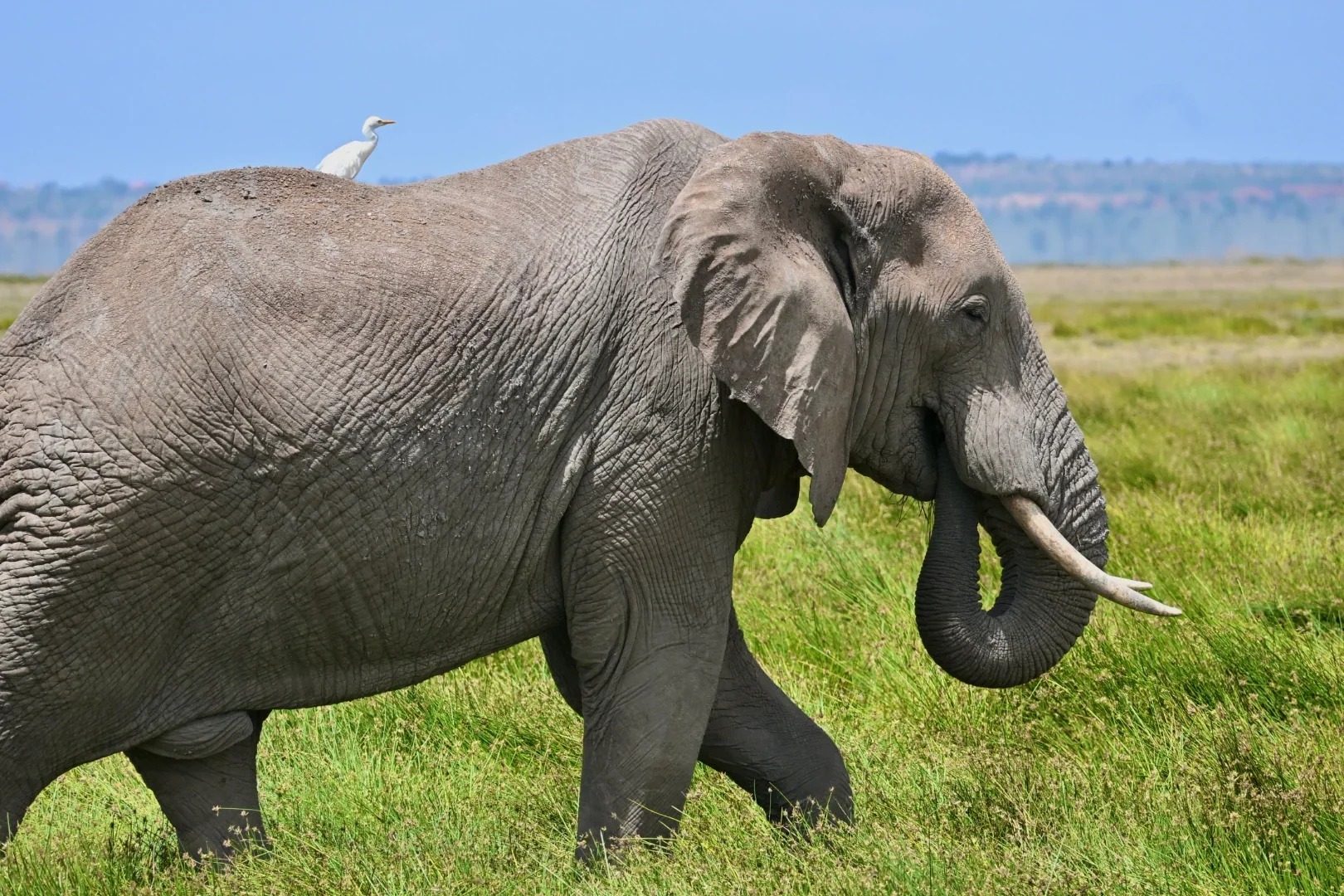
Experience the raw beauty of East Africa on this eight-day journey through Kenya's most iconic wildlife destination. You'll spend your days in Amboseli National Park, where vast plains stretch beneath the snow-capped peak of Mount Kilimanjaro. This is prime territory for encountering Africa's Big Five, and you'll have excellent chances to spot elephants, lions, leopards, buffalo, and rhinos as they move across the landscape. Your safari combines game drives through diverse habitats with comfortable mid-range accommodation, striking the perfect balance between authentic wilderness experience and practical comfort. This adventure is designed for travelers who want genuine wildlife encounters without compromising on quality rest between days. You'll wake early for morning drives when animals are most active, then return to your lodge for a break before afternoon expeditions.
From $3,450 /person
VELMARA SAFARIS
Verified6-Day Amboseli NP, Lake Nakuru & Masai Mara Luxury Tour
This six-day journey takes you through Kenya's most iconic landscapes, combining the raw beauty of Amboseli National Park with the birdwatching paradise of Lake Nakuru and the legendary wildlife abundance of Masai Mara. Each destination offers distinct ecosystems and unforgettable encounters with Africa's incredible fauna and flora. You'll experience the full spectrum of what makes Kenya a world-class safari destination, from intimate wildlife viewing to breathtaking scenery. Throughout your tour, you'll enjoy luxury accommodation at carefully selected lodges that blend comfort with authentic safari experiences. Early morning and afternoon game drives put you in prime position to spot the area's diverse wildlife, while expert guides share their deep knowledge of the ecosystems and animal behavior. This carefully crafted itinerary balances adventure with relaxation, ensuring you leave with memories that will last a lifetime.
From $2,700 /person
Where to go
Explore the destinations
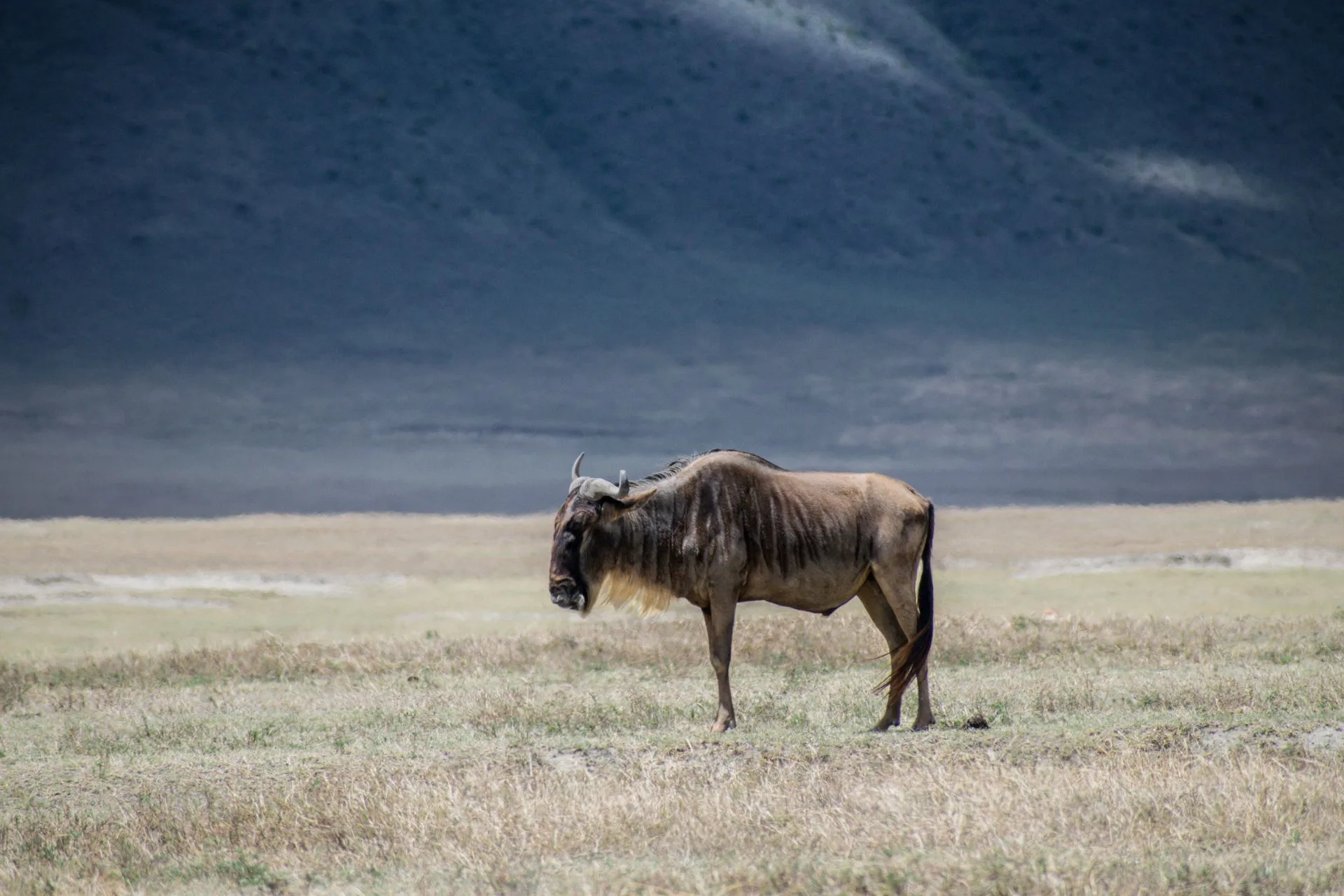 16 tours · 25 lodgesTanzaniaRoof of Africa & Beyond
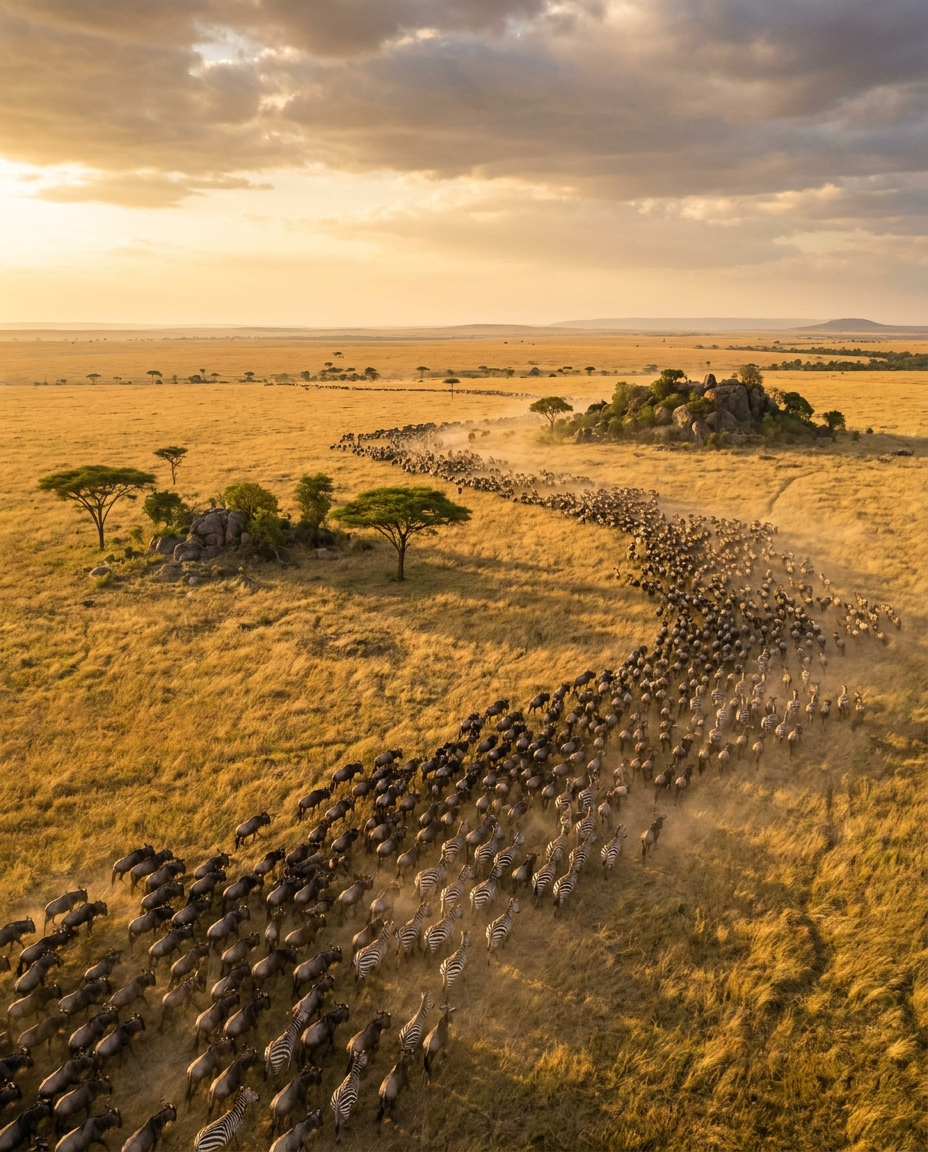 11 lodgesSerengeti National ParkDiscover Serengeti National Park
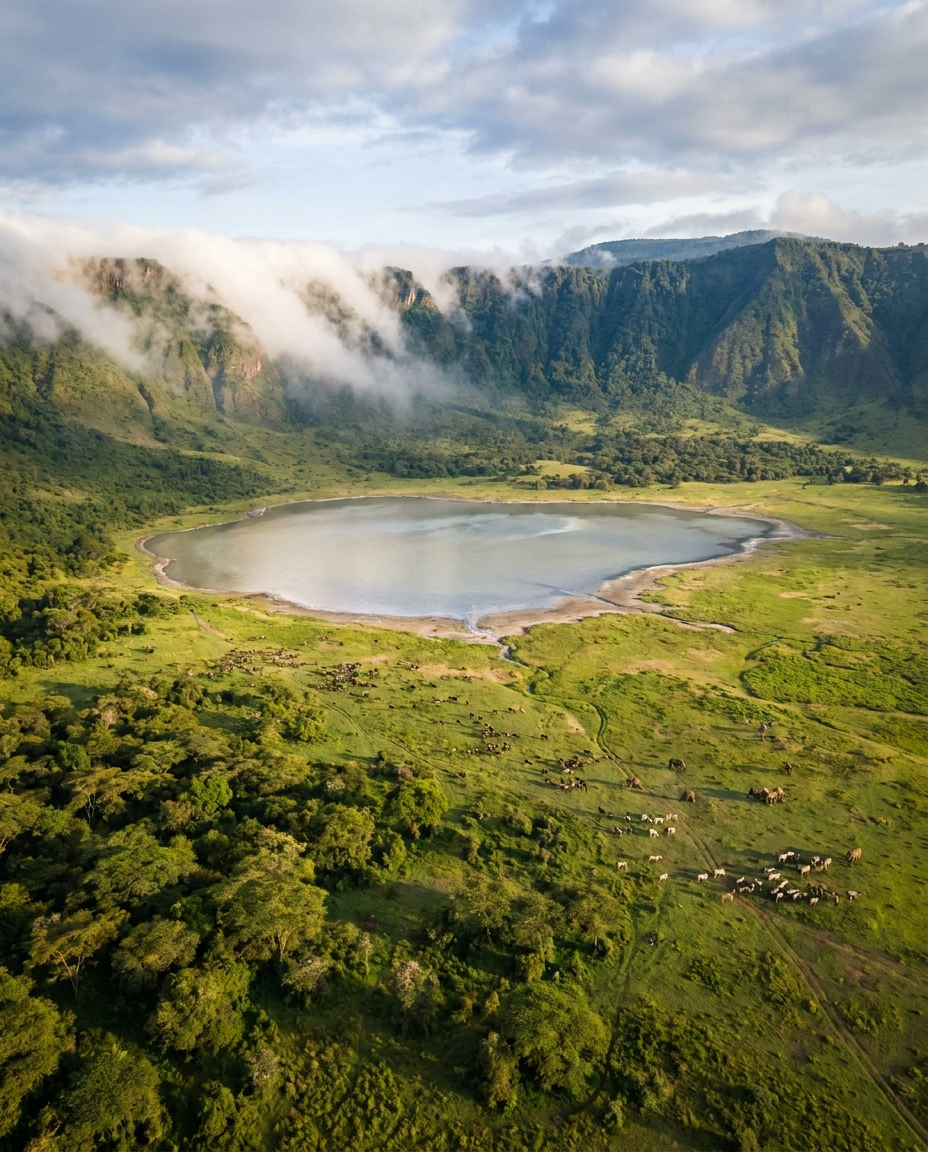 2 tours · 7 lodgesNgorongoro CraterDiscover Ngorongoro Crater
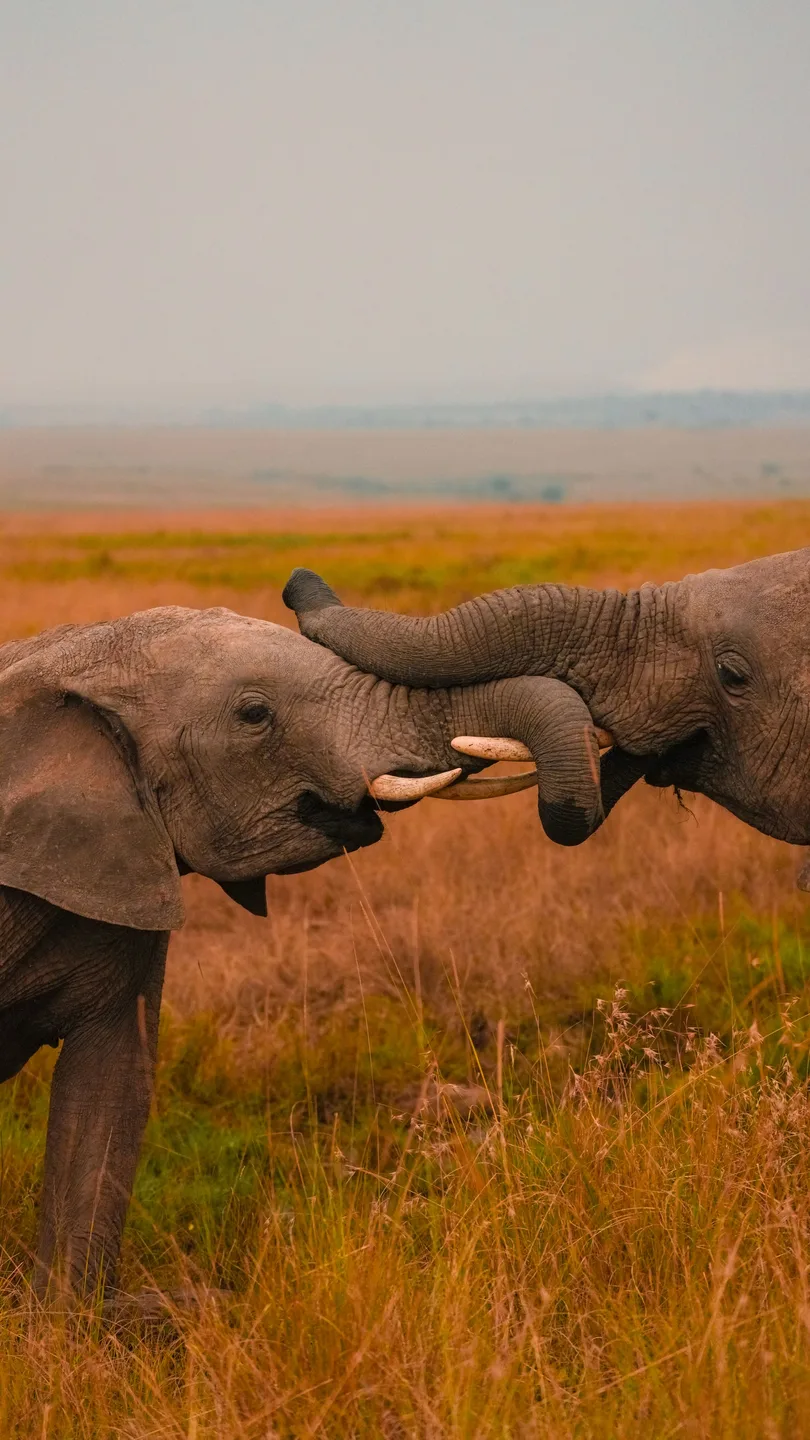 3 toursKenyaThe Original Safari
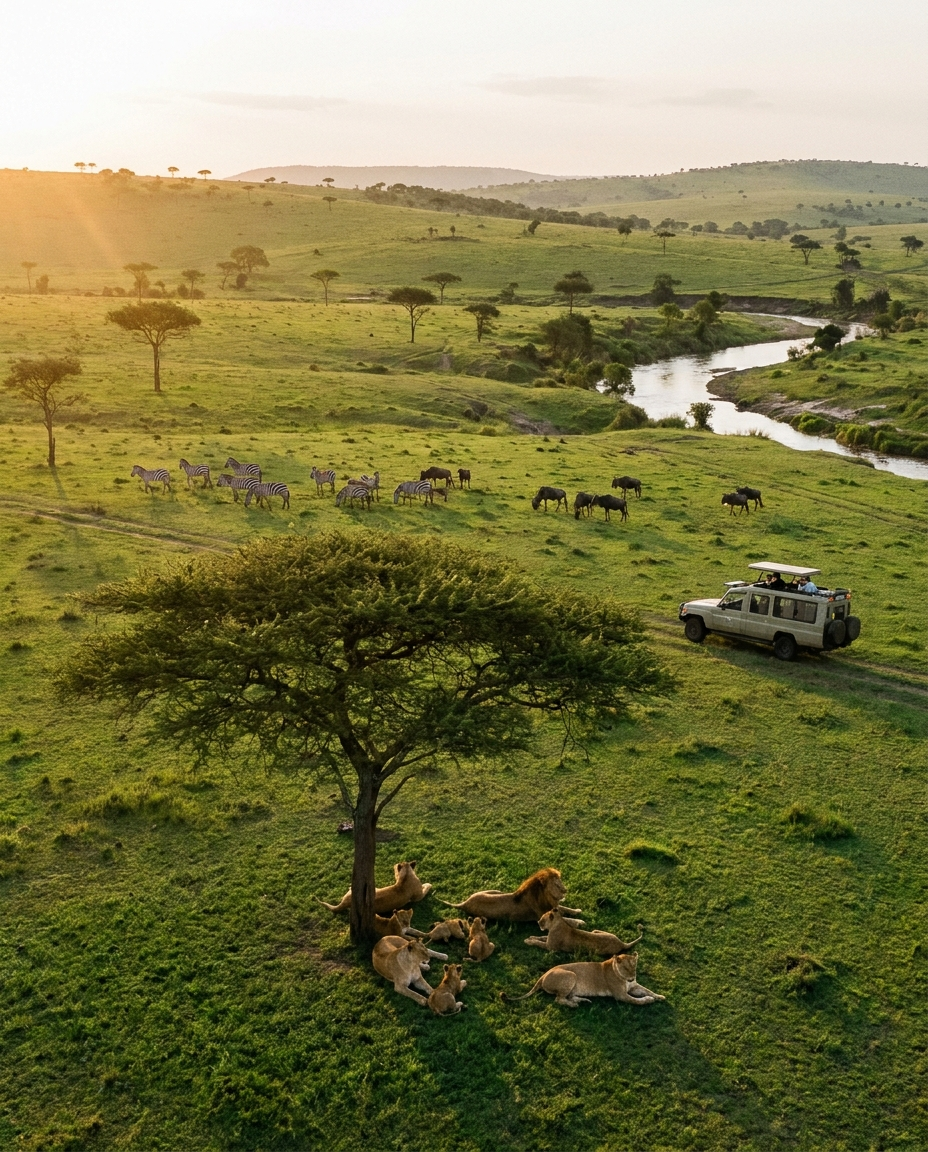 2 toursMasai MaraDiscover Masai Mara National Reserve
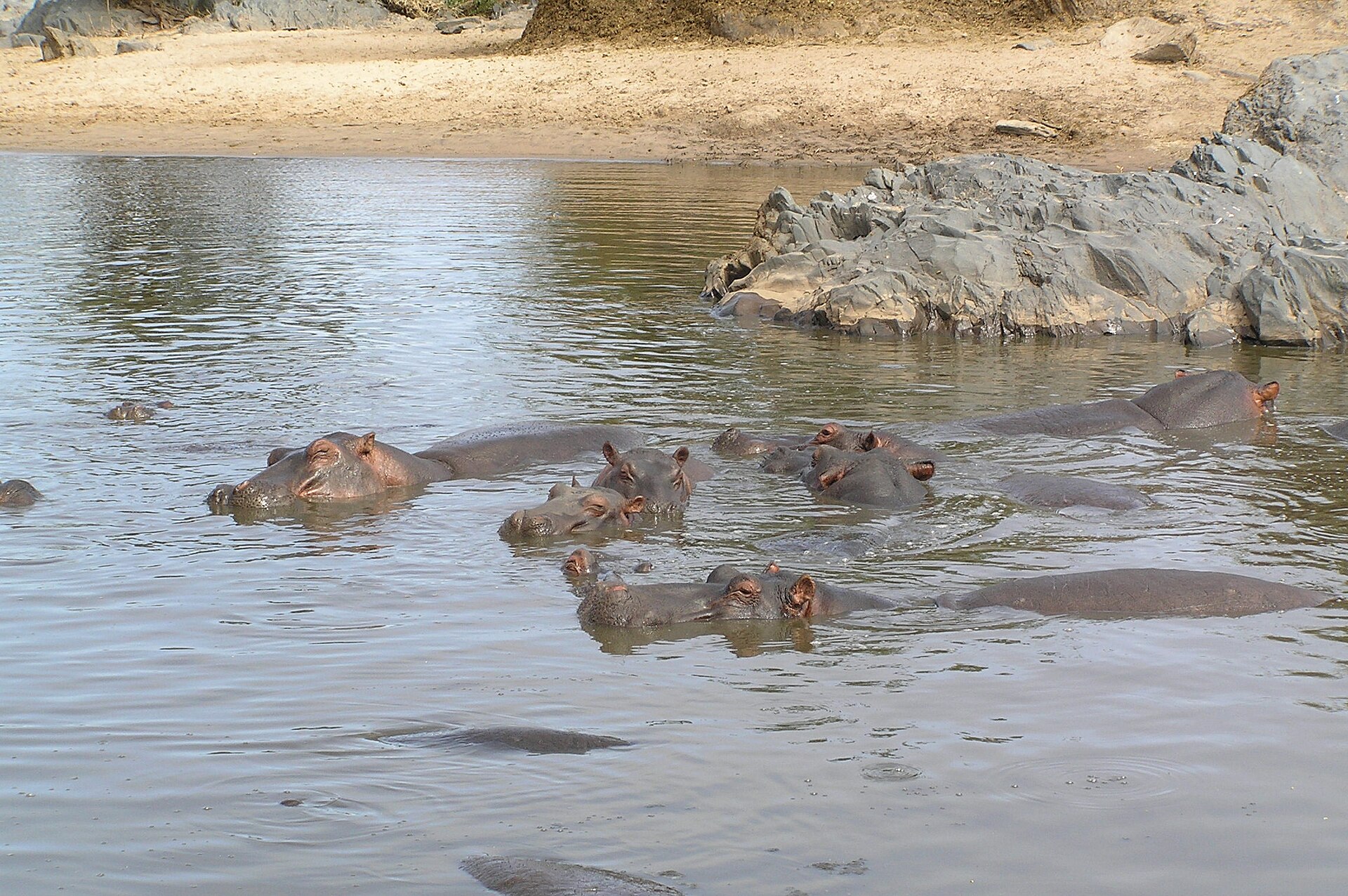 15 tours · 24 lodgesNorthern CircuitThe Classic Safari Route
Plan with local experts
Ready to Plan Your Safari?
Compare verified operators, get instant quotes, and book your dream African safari.