Solo Safari Guide — Independent African Adventures
Plan your solo African safari with confidence. Country guides rated for solo-friendliness, safety tips, cost-saving strategies, ways to meet fellow travelers, and practical planning advice for independent adventurers.
30–50% extra
Single supplement
Group departures
Best value solo
Southern Africa
Safest region
$200/day
Budget from
Solo Safari: What to Know
Travelling solo on safari is safe, rewarding, and increasingly common. The main challenges are cost (single supplements), logistics (group departures vs private trips), and choosing destinations where solo travel is straightforward.
Single Supplement Reality
Most safari lodges charge a single supplement of 30–50% on top of the per-person sharing rate. This covers the lost revenue from an empty bed. Some lodges waive this in green season or on last-minute bookings — always ask.
Group Departures Save Money
Scheduled group safaris (4–12 people) spread vehicle and guide costs across multiple travellers. Companies like G Adventures, Intrepid, and local operators run set-departure trips across East and Southern Africa from $150–$300/day all-inclusive.
Safety on Safari
Safari destinations are generally safe for solo travellers. You are with guides in the bush and among other guests at lodges. Standard travel precautions apply in cities (Nairobi, Dar es Salaam, Johannesburg). Southern Africa is particularly straightforward for solo travel.
Social but Not Forced
Safari lodges are naturally social — communal dining, shared game drives, and campfire conversations create easy connections without the pressure of group tours. You choose how much or how little interaction you want.
Photography Focus
Solo safari is ideal for photographers. Without the compromises of travelling with a partner, you can book dedicated photography vehicles, stay at a sighting for as long as needed, and choose specialist photo lodges.
Walking & Canoe Safaris
For solo adventurers, walking safaris in South Luangwa and canoe safaris on the Lower Zambezi offer immersive, active experiences. These attract like-minded travellers and feel more personal than vehicle-based drives.
Best Destinations for Solo Safaris
These destinations offer good value for solo travellers, reliable safety records, and easy logistics for independent travel.
Kruger National Park
Self-drive independence with excellent infrastructure
$80–$250/day
Serengeti National Park
Group departures available year-round
$250–$600/day
South Luangwa
Walking safaris with small, social groups
$200–$500/day
Etosha National Park
Self-drive with floodlit waterholes
$80–$200/day
Lower Zambezi
Canoe safari for the adventurous solo traveller
$300–$700/day
Solo Safari Costs
Solo travellers should budget 30–50% more than per-person sharing rates at most lodges. Group departures and self-drive options offer the best value.
Budget (Self-Drive / Group)
$80–$250per day
National park rest camps, hostels, budget lodges, group camping
Best for: Kruger, Etosha, overland group tours
Self-drive Kruger or Etosha as a solo traveller is exceptional value. National park rest camps do not charge single supplements, and the infrastructure is excellent.
Mid-Range (Shared)
$250–$500per day
Tented camps, 3-4 star lodges on group departures
Best for: Serengeti and Masai Mara group safaris, South Luangwa walking safaris
Group departures at this level offer genuine safari experiences with professional guides. You share a vehicle but save 40–60% compared to a private trip.
Luxury (Private)
$600–$1,500per day
Boutique lodges, luxury tented camps (single supplement applies)
Best for: Sabi Sand, Okavango Delta, exclusive Serengeti camps
If budget allows, a luxury solo safari is deeply restorative. Lodges are social by nature, and the guiding quality at this level is outstanding.
Solo Safari Tips
Ask about single supplement waivers
Many lodges waive the single supplement during green season (November–April) or for last-minute bookings. Some operators like Wilderness and &Beyond offer periodic single supplement promotions — sign up for their newsletters.
Join a scheduled departure
Companies like G Adventures, Intrepid, and Nomad Tanzania run fixed-date group safaris that eliminate the single supplement entirely. You share vehicles and accommodation, which dramatically reduces cost.
Choose lodges with communal dining
Lodges that seat guests at a shared table (rather than individual tables) make solo dining comfortable and natural. Bush dinners and boma evenings are particularly social.
Consider volunteer or conservation trips
Wildlife conservation volunteer programmes in South Africa, Namibia, and Zimbabwe combine safari experiences with meaningful work. They attract solo travellers and provide built-in community.
Bookable with local operators
Adventure safari tours

Inspirations Africa
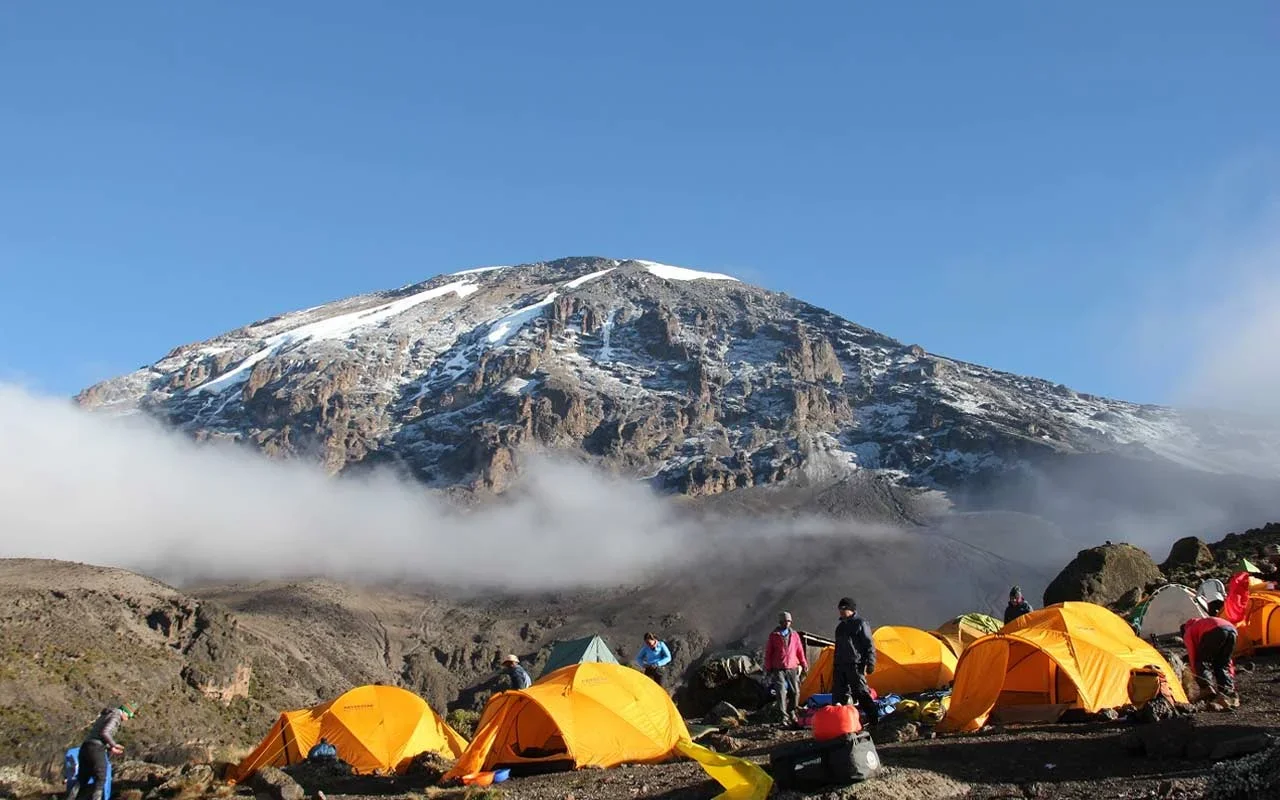
Verified8-Day Kilimanjaro Climb via Lemosho Route
Widely regarded as the most beautiful approach to Kilimanjaro, the Lemosho Route starts on the quiet western side at Londorossi Gate and crosses rainforest, the Shira Plateau and the famous Barranco Wall scramble before summit night to Uhuru Peak at 5,895m. The 8-day profile gives one of the strongest acclimatisation schedules on the mountain, with a 95%+ summit success rate and fewer crowds than Machame or Marangu. Your climb is led by a licensed mountain guide with assistant guides at a 1:2 ratio, porters and a cook, with 4-season tents, portable toilet, pulse oximeter checks and all meals on the mountain. Two hotel nights in Moshi before and after the climb, plus airport transfers, are included. Good fitness is recommended; no technical climbing skills are needed.
From $2,650 /person
VELMARA SAFARIS
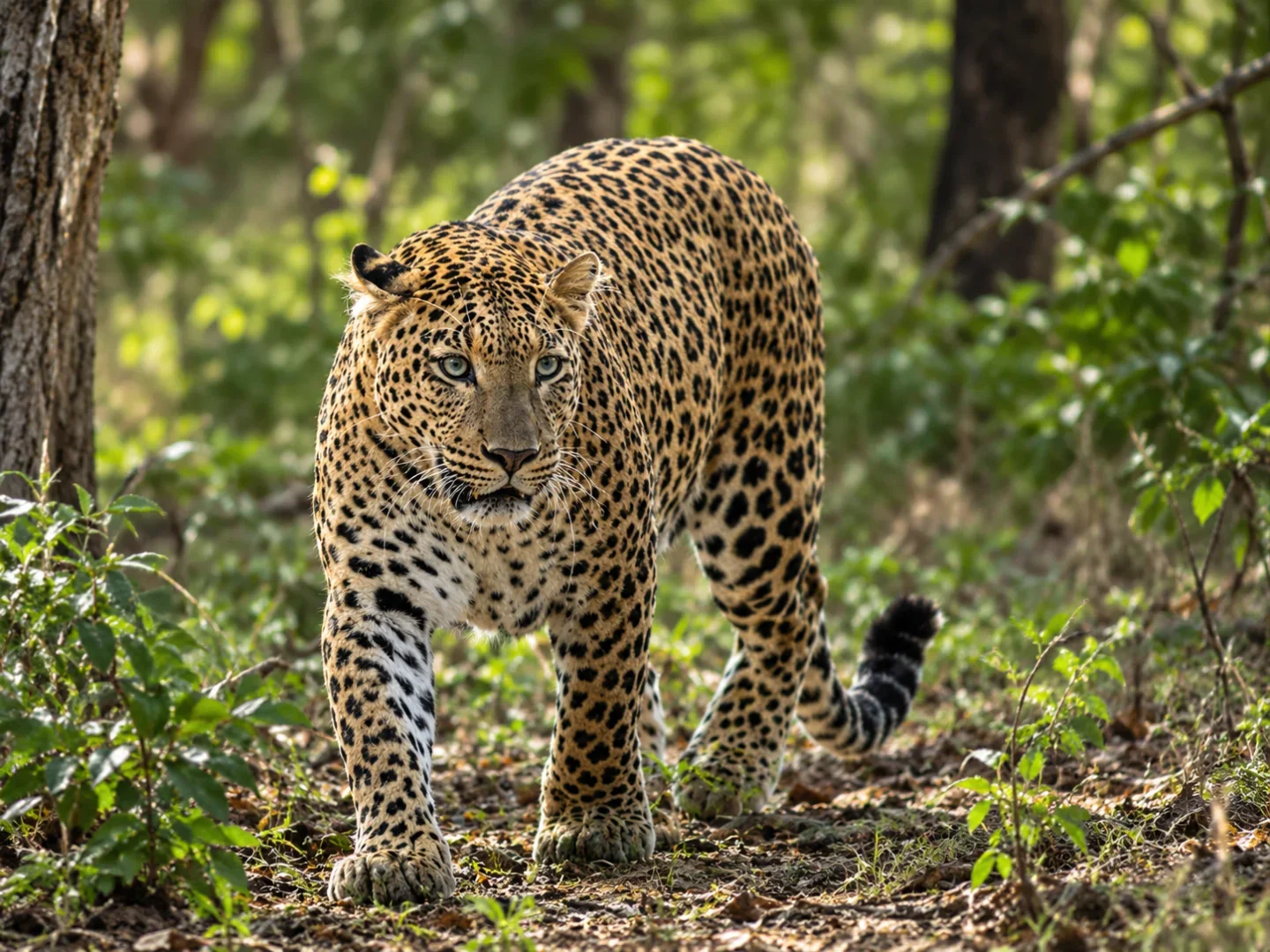
Verified6-Day Luxury Kenya & Tanzania Wildlife Safari
Experience an unforgettable 6-day luxury safari across Kenya and Tanzania, combining spectacular wildlife, breathtaking landscapes, rich culture, and premium accommodation. Explore the Maasai Mara before crossing through Isebania into Tanzania to discover the Serengeti and Ngorongoro Crater. Enjoy expertly guided game drives, luxury lodge stays, delicious meals, Big Five encounters, a complimentary Maasai visit, and scenic cultural experiences along the way.
From $4,150 /person

Green Planet Safaris
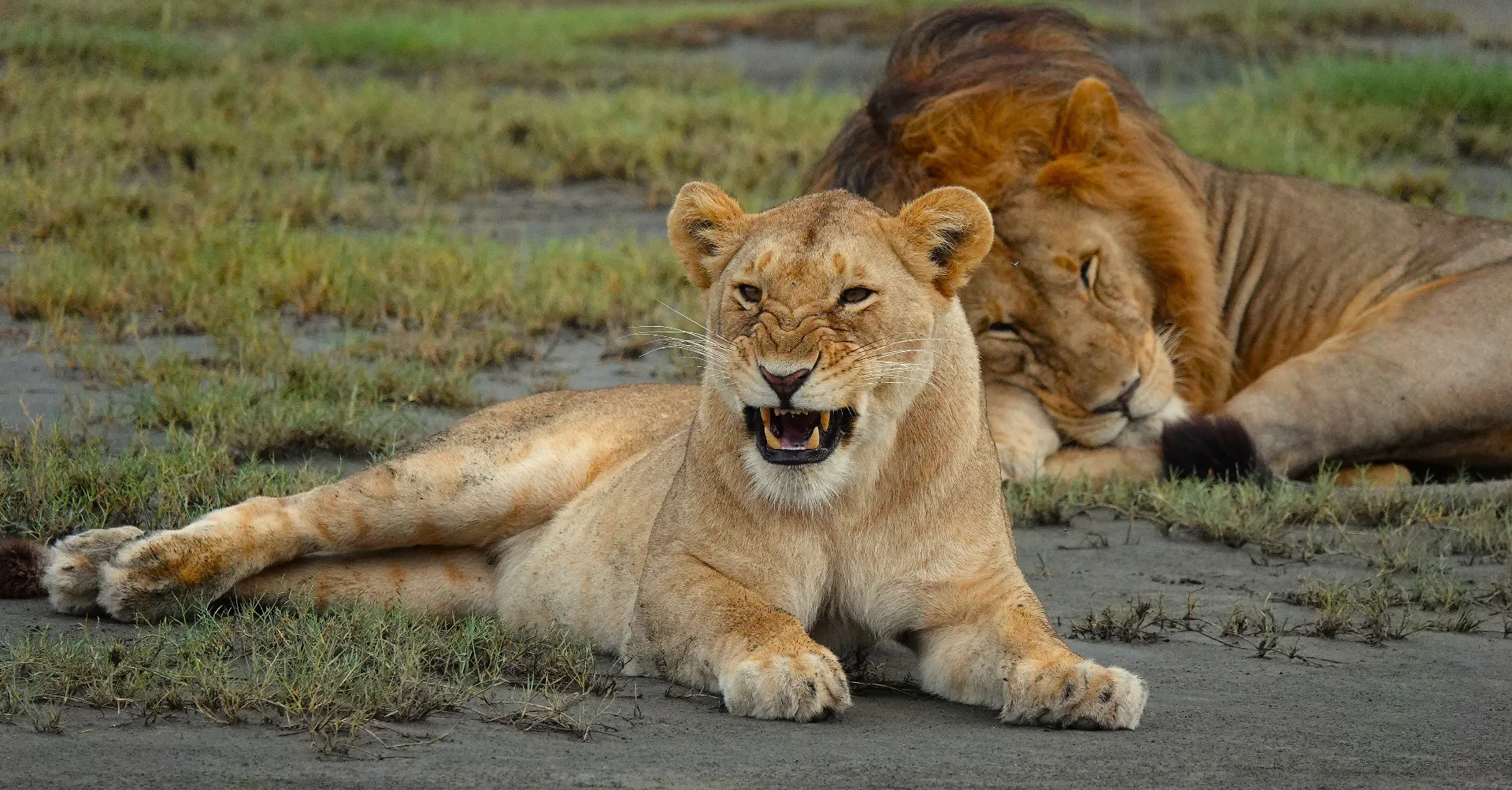
Verified9-Day Great Migration & Relaxation Safari
Experience the raw drama of Africa's greatest wildlife spectacle on this nine-day journey through Tanzania's Northern Circuit. You'll witness the legendary Great Migration in the Serengeti, where vast herds of wildebeest and zebras move across endless plains in one of nature's most extraordinary events. Stand amid the iconic baobab forests of Tarangire, where you'll have a chance to see massive elephant herds, and explore the stunning Lake Manyara, known for its tree-climbing lions and vibrant flamingo populations. Your adventure culminates in the Ngorongoro Crater, a wildlife-packed natural wonder where diverse species thrive within this remarkable caldera. Throughout your safari, you'll experience the perfect blend of thrilling game drives and moments of pure wonder as you connect with the African wilderness. This is your chance to see why Tanzania's Northern Circuit remains the world's premier safari destination, where every day brings new encounters and unforgettable memories.
From $4,765 /person
Green Planet Safaris
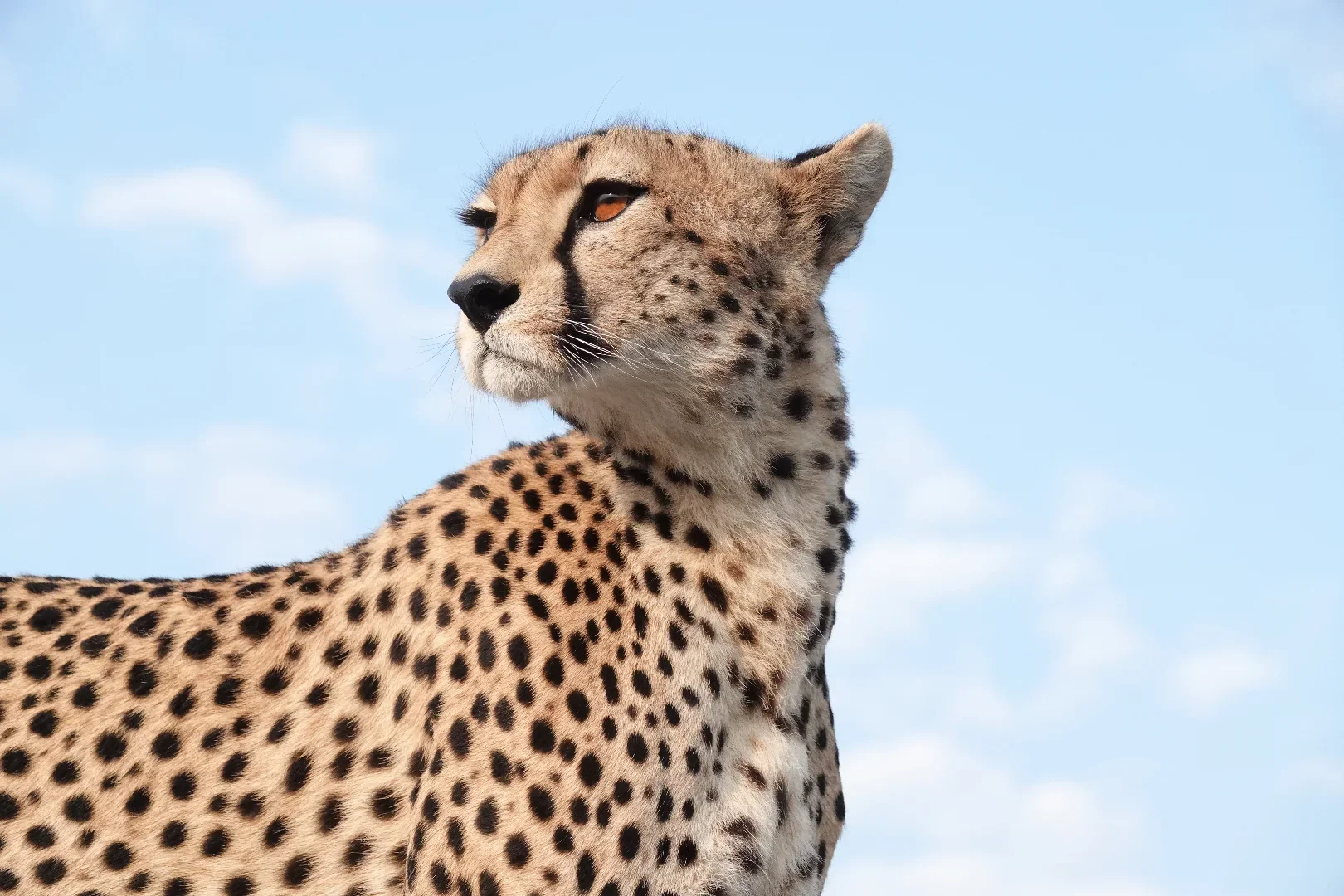
Verified10-Day Into The Wild Luxury Tanzania Safari
Into The Wild Luxury Tanzania Safari Experience the raw majesty of Tanzania's Northern Circuit, where some of Africa's most iconic landscapes unfold before you. Over ten days, you'll traverse the Serengeti's endless plains, witness the legendary elephant herds of Tarangire beneath ancient baobabs, and explore the wildlife-packed depths of the Ngorongoro Crater. Each destination reveals a different facet of Tanzania's extraordinary natural heritage. Your journey takes you through landscapes shaped by millions of years of evolution. Look out for tree-climbing lions in Lake Manyara, search for colobus monkeys in Arusha National Park with Kilimanjaro's snow-capped peak as your backdrop, and experience the unparalleled game viewing the Serengeti is renowned for. This is Tanzania at its most wild, most beautiful, and most unforgettable.
From $5,600 /person
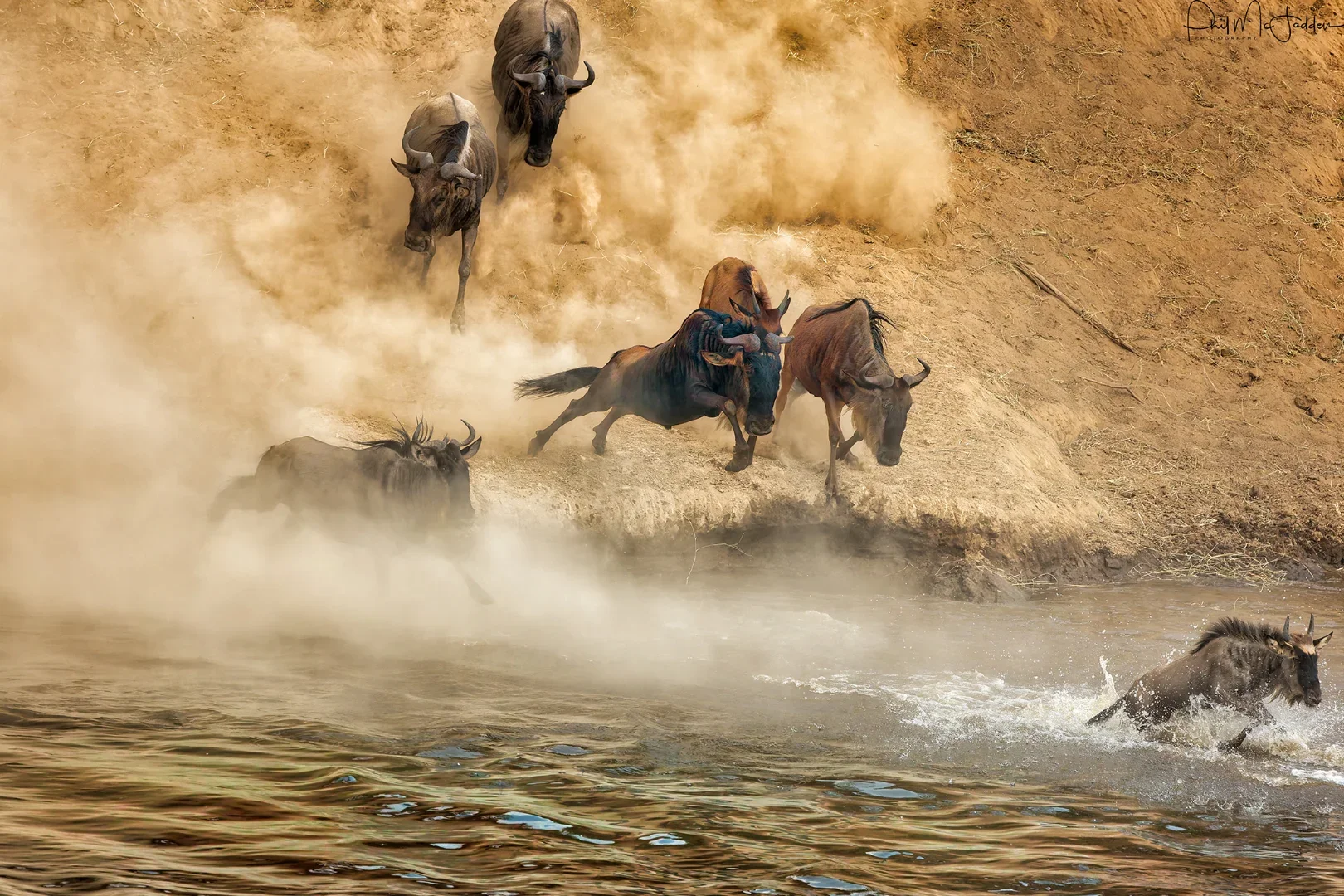
Green Planet Safaris
Verified11- Day Epic Migration Premium Safari with Elewana Collection
You're embarking on an eleven-day journey through Tanzania's Northern Circuit, where some of Africa's most iconic landscapes and wildlife encounters await. This premium safari takes you deep into the Serengeti, the world's most famous wildlife reserve, then through Tarangire's legendary elephant herds beneath ancient baobabs, and into the wildlife-packed Ngorongoro Crater. You'll also explore Arusha National Park with its stunning Kilimanjaro views and Arusha Lake's tree-climbing lions and vibrant flamingo populations. Throughout your adventure, you'll experience the raw drama of Africa's greatest ecosystems with the expert guidance and refined comfort that Elewana Collection is known for. From the thundering herds of the migration to intimate encounters with Africa's most remarkable wildlife, this journey immerses you in the natural wonders that define the continent. Every moment is designed to deepen your connection to the wild heart of Tanzania.
From $12,785 /person
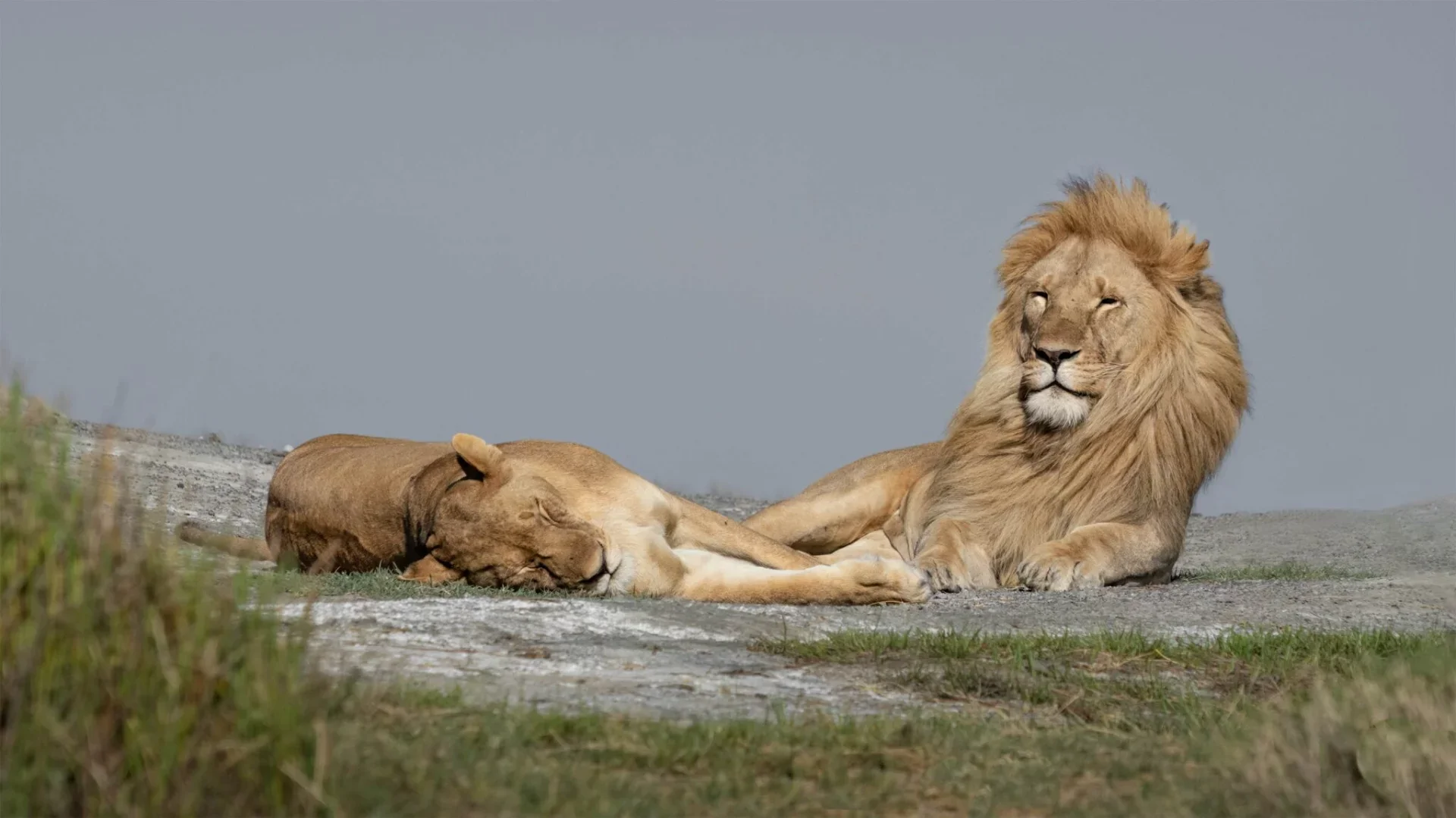
Green Planet Safaris
Verified2-Day Tanzania Honeymoon Luxury Safari Retreat: Tarangire and Ngorongoro crater
This intimate two-day Tanzania honeymoon safari whisks you away to two of East Africa's most enchanting wilderness areas. You'll experience the legendary elephant herds of Tarangire National Park, where ancient baobab trees frame unforgettable wildlife encounters, before ascending to the breathtaking Ngorongoro Crater—a self-contained ecosystem teeming with game. Throughout your retreat, you have a chance to see the Big Five and countless other species in their natural habitat. Your journey unfolds in supreme comfort at luxury tented camps designed for romance and relaxation. Between game drives, you'll enjoy birdwatching excursions that reveal the region's extraordinary avian diversity. Every moment is crafted to deepen your connection with Tanzania's wild heart while indulging in the finest safari hospitality, making this the perfect celebration of your union.
From $1,130 /person
Where to go
Explore the destinations
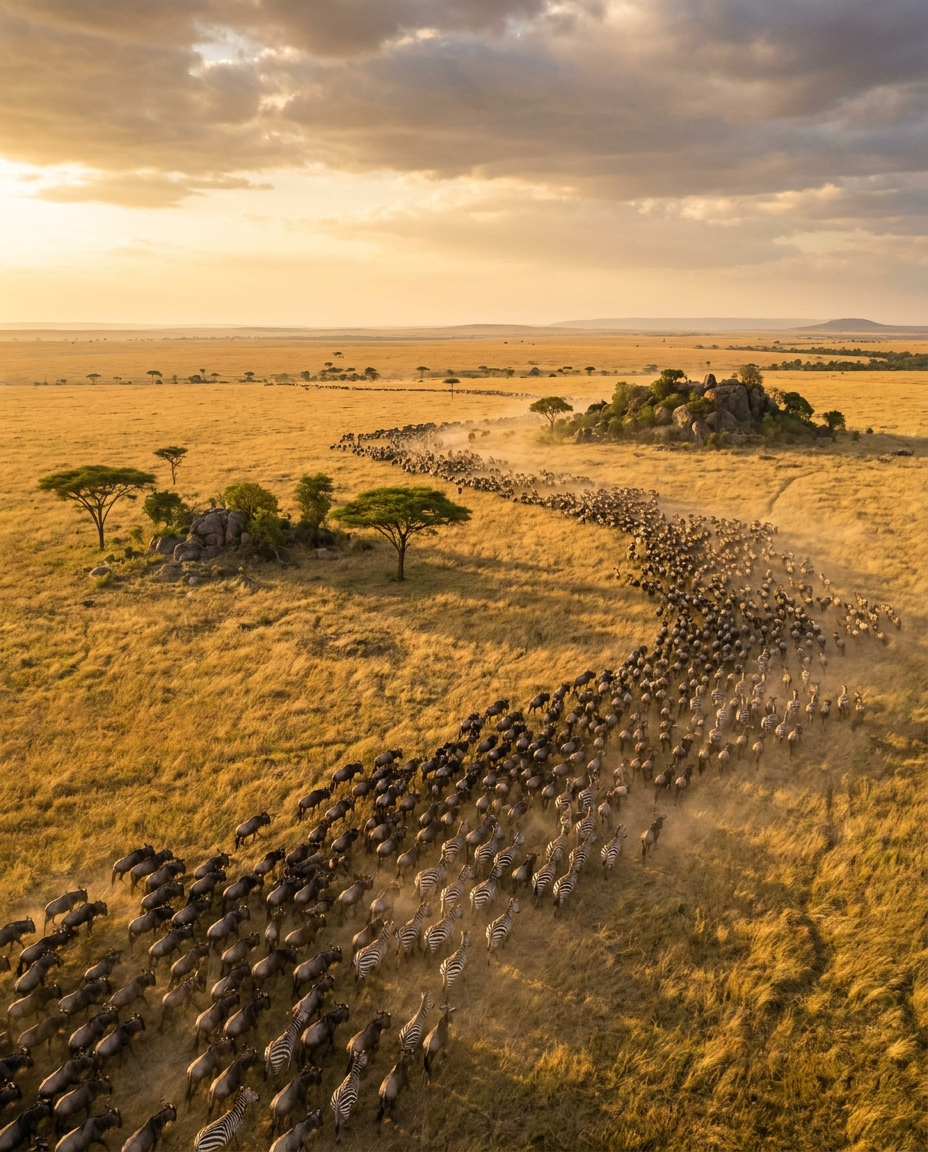 11 lodgesSerengeti National ParkDiscover Serengeti National Park
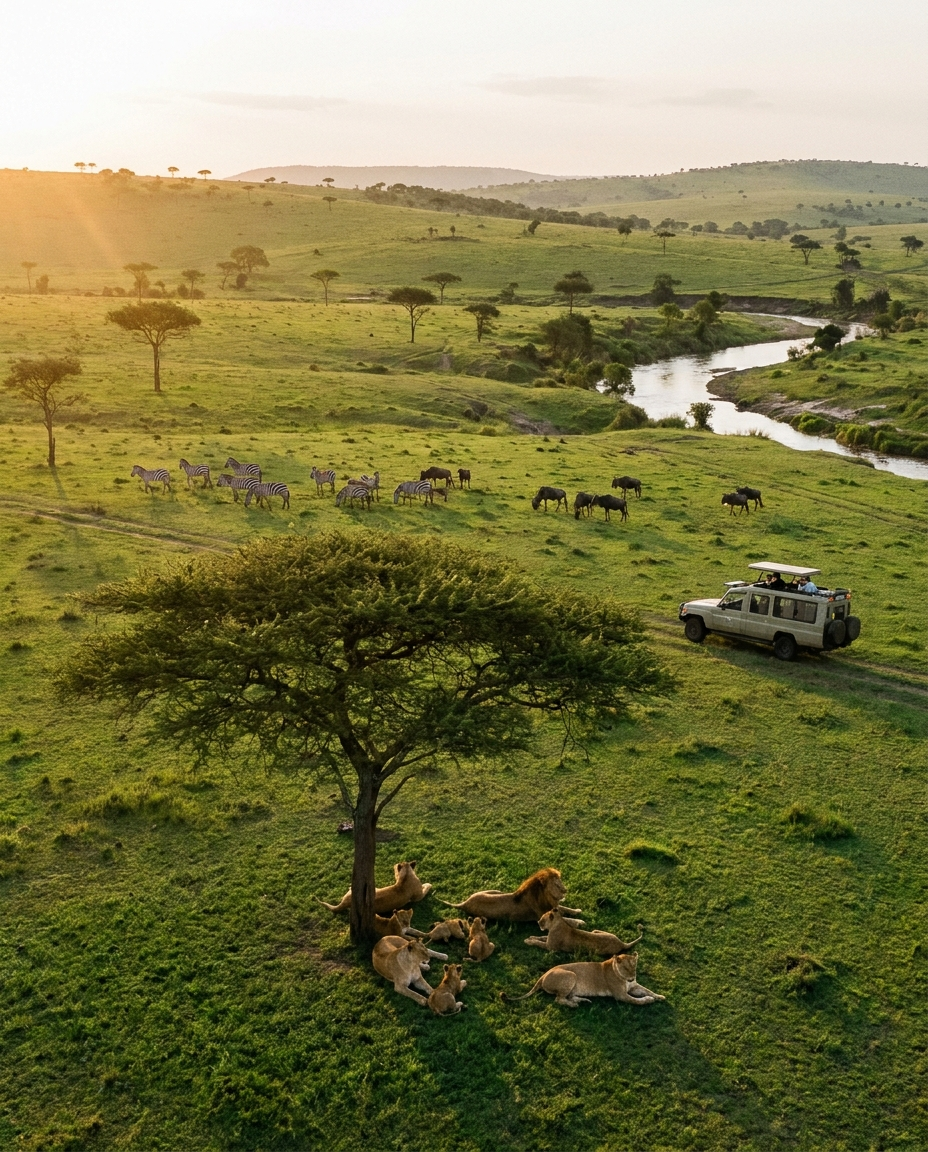 2 toursMasai MaraDiscover Masai Mara National Reserve
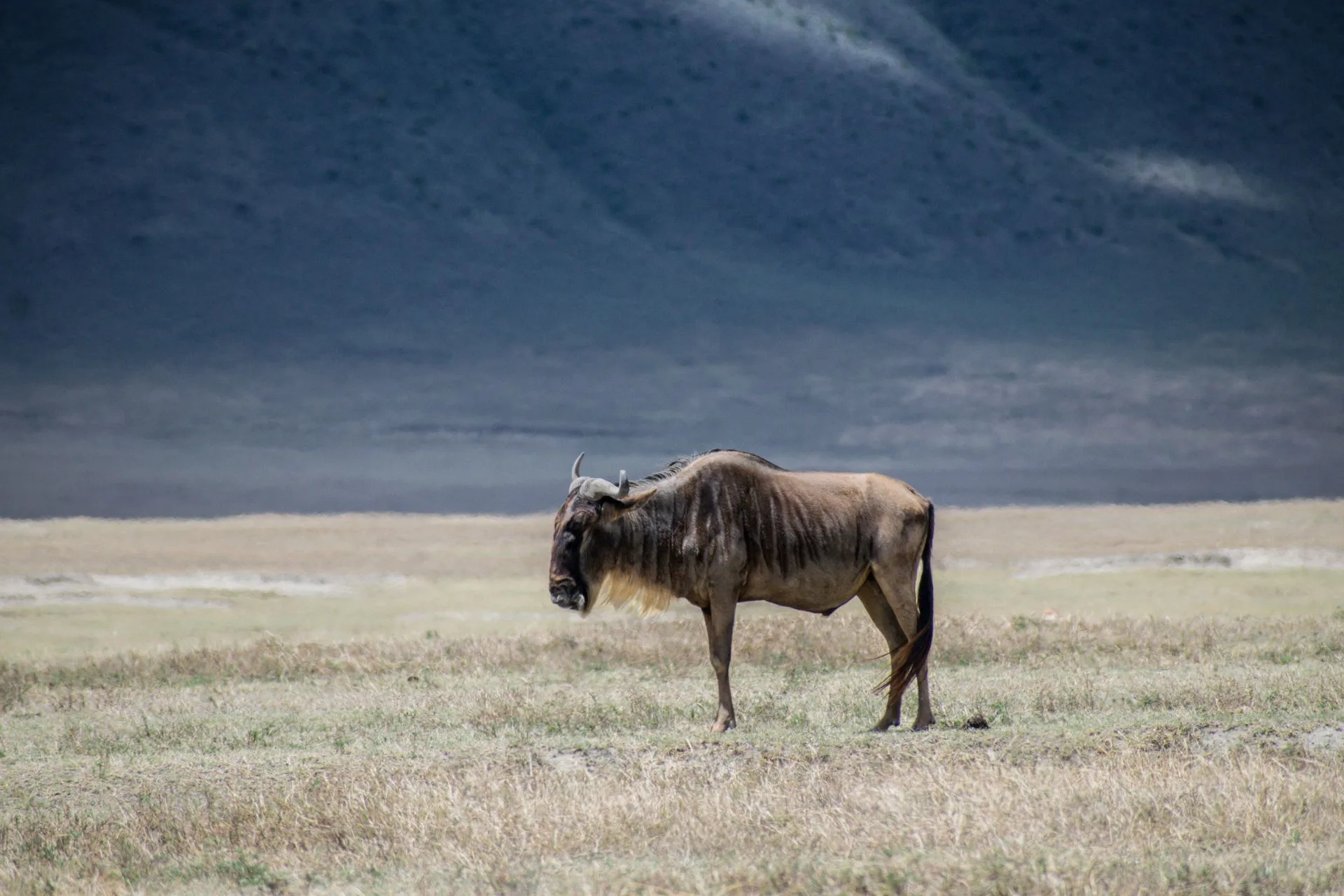 16 tours · 25 lodgesTanzaniaRoof of Africa & Beyond
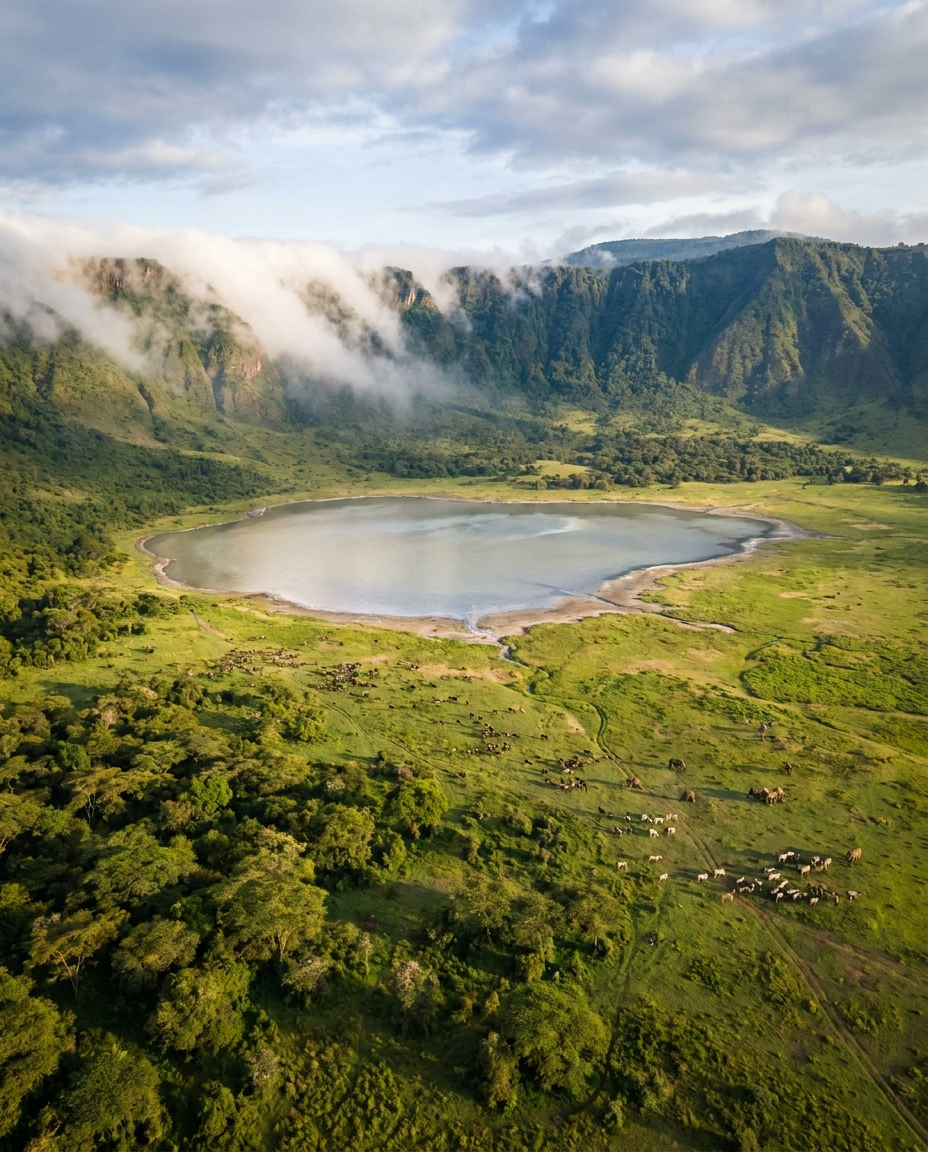 2 tours · 7 lodgesNgorongoro CraterDiscover Ngorongoro Crater
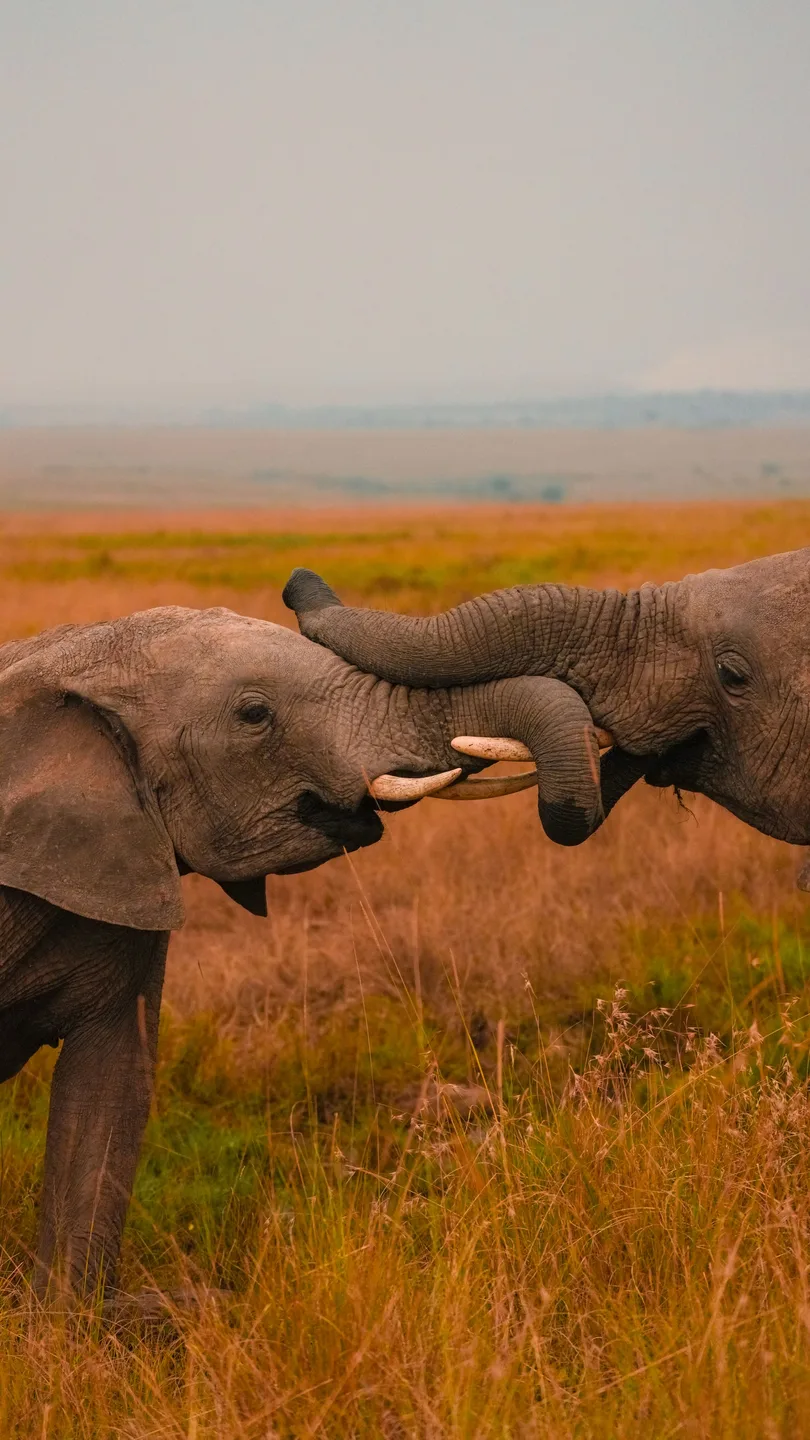 3 toursKenyaThe Original Safari
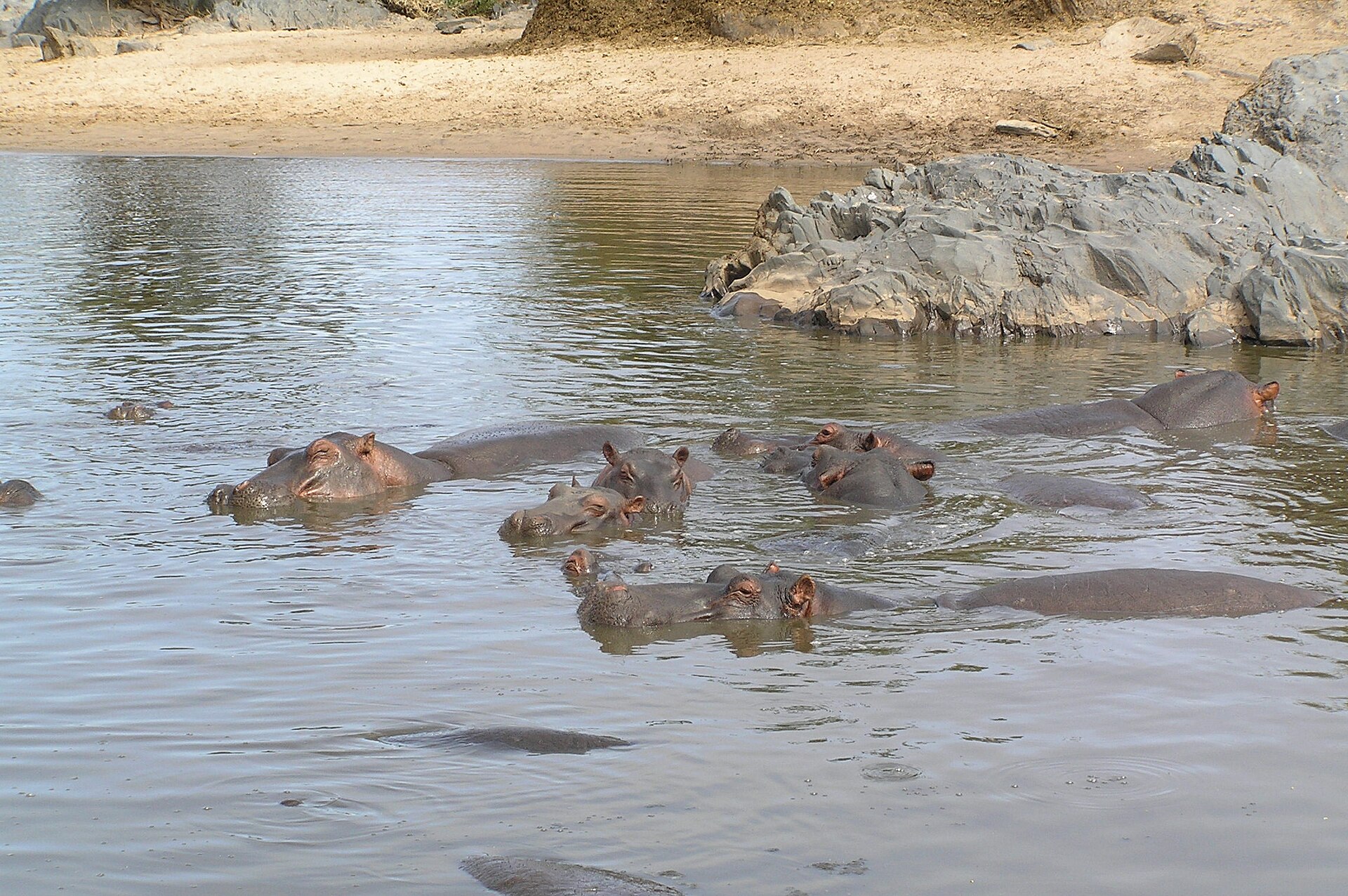 15 tours · 24 lodgesNorthern CircuitThe Classic Safari Route
Plan with local experts
Ready to Plan Your Safari?
Compare verified operators, get instant quotes, and book your dream African safari.