African Wildlife Safari Guide 2026
Complete African wildlife guide: safari animals list, where to see the Big Five, rare species, best parks, and expert tips for spotting wildlife on your Africa safari.
Iconic African Wildlife Beyond the Big Five
Cheetah
Acinonyx jubatus
The fastest land animal on Earth, capable of reaching 112 km/h in short bursts covering distances up to 500 metres. Unlike other big cats, cheetahs hunt by speed rather than stealth and cannot roar -- they chirp, purr, and yelp. They have semi-retractable claws that act like sprinting spikes and distinctive black "tear marks" running from their eyes to their mouths that reduce sun glare during hunts.
African Wild Dog
Lycaon pictus
Also known as painted wolves, African wild dogs are the continent's most endangered large carnivore. They live in highly social packs of 6-20 individuals with an alpha breeding pair. Their cooperative hunting strategy yields an 80% success rate -- the highest of any African predator. Each individual has a unique coat pattern of brown, black, and white patches, like a human fingerprint.
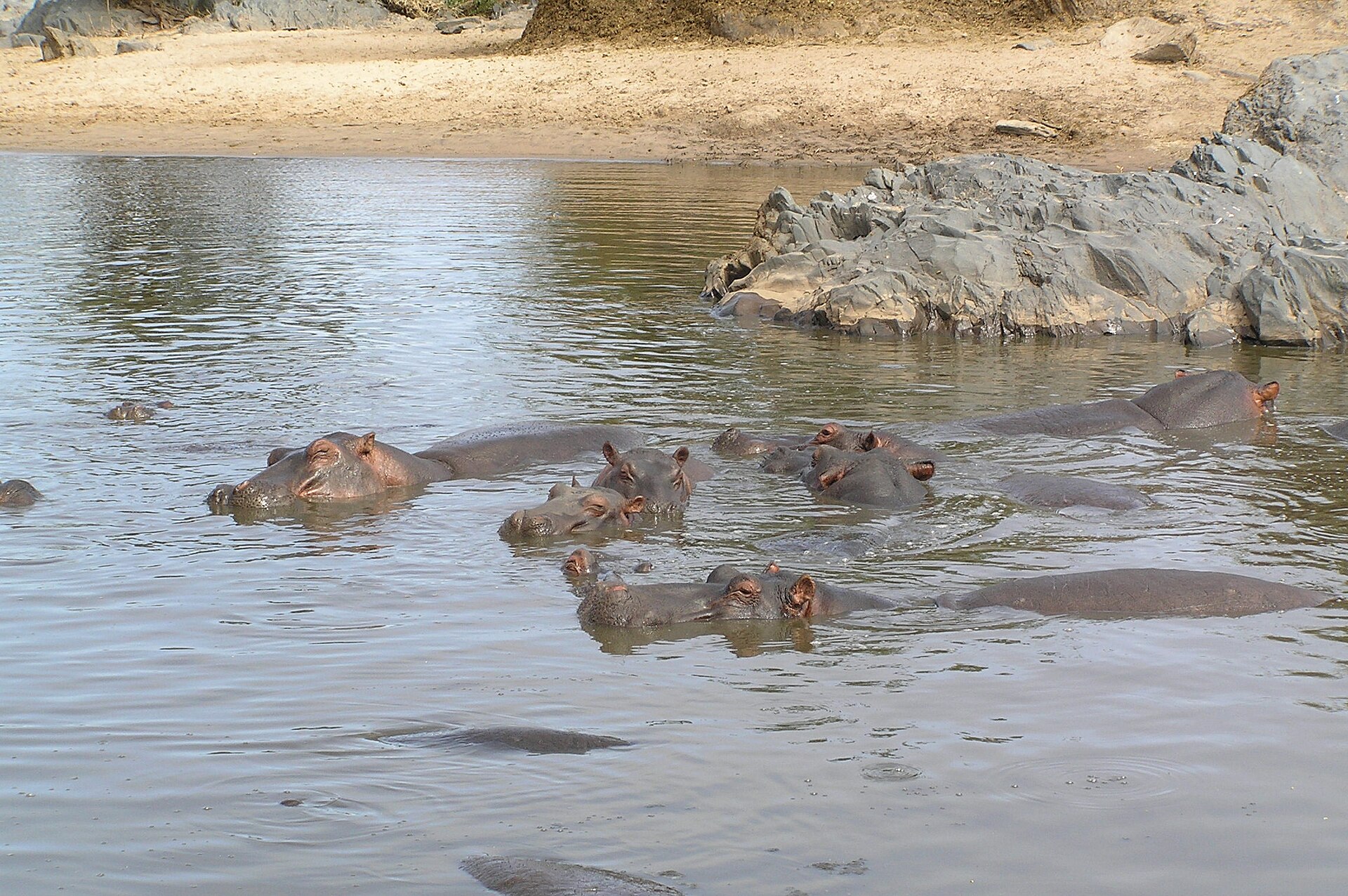
Hippopotamus
Hippopotamus amphibius
Despite their rotund appearance, hippos are among Africa's most dangerous animals, responsible for an estimated 500 human deaths annually. They spend up to 16 hours a day submerged in rivers and lakes to keep cool, emerging at dusk to graze on land. A bull hippo can weigh up to 2,000 kg and open its jaws to 150 degrees. Their skin secretes a natural sunscreen -- a reddish oily substance sometimes called "blood sweat."
Giraffe
Giraffa camelopardalis
The tallest living terrestrial animal, reaching heights of 5.5-5.8 metres. Giraffes have undergone a "silent extinction" -- their numbers have dropped by approximately 40% over the past three decades. Their 2-metre necks contain only seven vertebrae (same as humans), each up to 25 cm long. Their tongues are dark blue-black, up to 50 cm long, and prehensile enough to strip leaves from thorny acacia branches.
Plains Zebra
Equus quagga
The most common and widespread zebra species in Africa, instantly recognisable by their black-and-white stripes. Each zebra has a unique stripe pattern. Plains zebras are highly social, forming harems of one stallion, several mares, and their offspring. They play a critical role in the Great Migration, often leading the columns as they can tolerate taller, coarser grasses that wildebeest cannot digest.
Spotted Hyena
Crocuta crocuta
Africa's most successful large predator, spotted hyenas are far more than scavengers. They hunt up to 95% of their food in some populations and live in complex matriarchal clans of up to 80 individuals. Females outrank males and are 10% heavier. Their jaws exert a bite force of over 1,100 PSI -- strong enough to crush bone -- allowing them to consume an entire carcass including bones and horns.
Nile Crocodile
Crocodylus niloticus
Africa's largest freshwater predator, Nile crocodiles can reach 6 metres in length and weigh over 900 kg. They have remained virtually unchanged for 200 million years and can live for 70-100 years. Their bite force exceeds 5,000 PSI -- the strongest of any living animal. During the Great Migration river crossings, Nile crocodiles become one of the most spectacular (and harrowing) predators to observe.
Mountain Gorilla
Gorilla beringei beringei
One of humanity's closest relatives, mountain gorillas share 98.3% of our DNA. Fewer than 1,100 remain in the wild, split between the Virunga Massif (spanning Rwanda, Uganda, and DRC) and Uganda's Bwindi Impenetrable Forest. They live in family groups of 5-30 led by a dominant silverback male. Mountain gorillas are a rare conservation success story -- their numbers have been steadily increasing thanks to intensive protection and gorilla tourism revenue.
African Penguin
Spheniscus demersus
The only penguin species that breeds in Africa, found along the southwestern coast of South Africa and Namibia. Also known as the jackass penguin for its donkey-like braying call. African penguins have declined by over 97% since the early 1900s due to egg collection, oil spills, habitat loss, and competition with commercial fisheries for sardines and anchovies. They mate for life and can dive to depths of 130 metres.
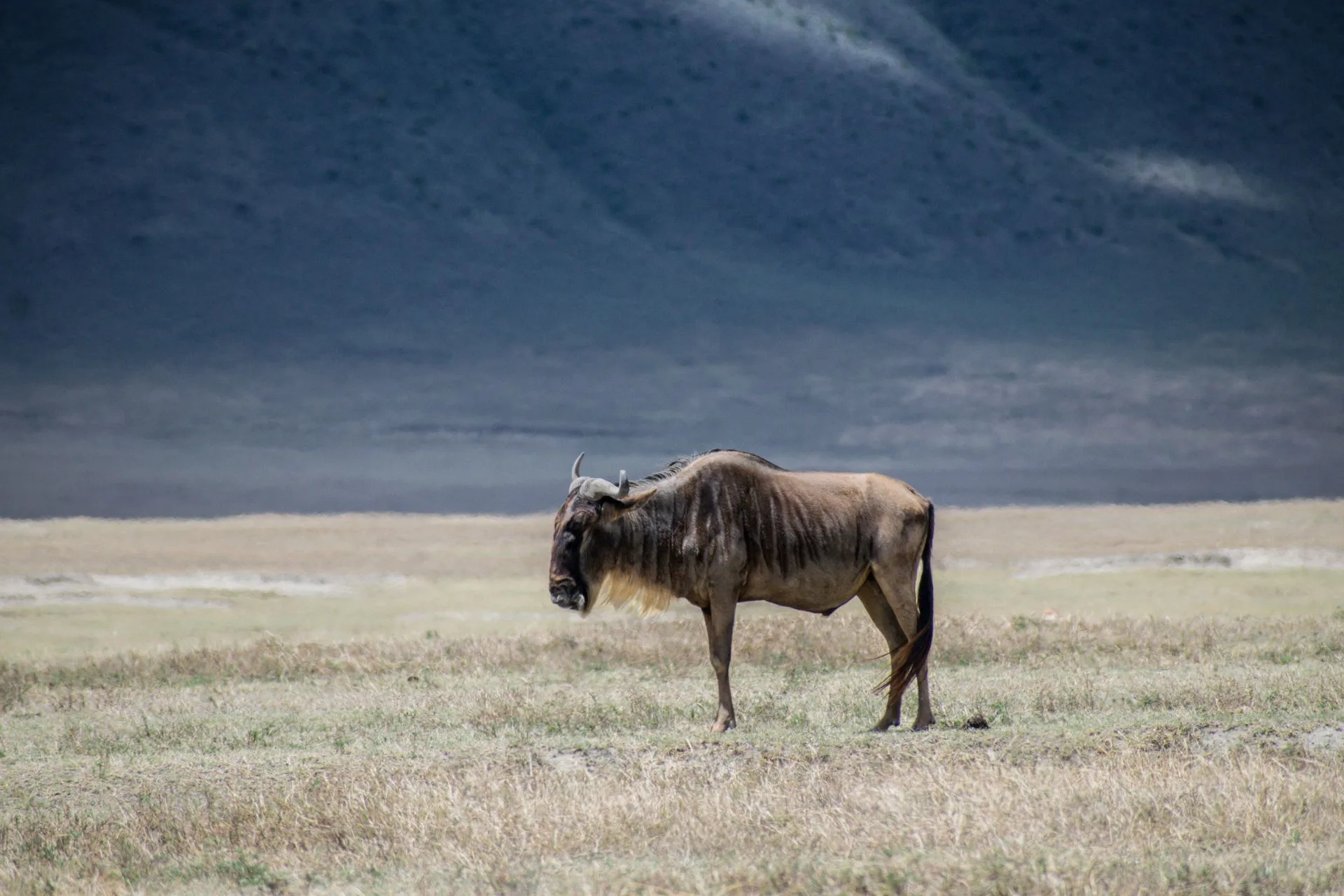
Blue Wildebeest
Connochaetes taurinus
The protagonist of the Great Migration, blue wildebeest are large, robust antelopes that form the single largest overland wildlife movement on the planet. Approximately 1.5 million wildebeest participate in the annual circular migration between the Serengeti and Masai Mara. Calving season (January-March) sees roughly 500,000 calves born within a 2-3 week window -- a survival strategy that overwhelms predators through sheer numbers.
Caracal
Caracal caracal
A medium-sized wild cat known for its remarkable leaping ability -- it can jump 3 metres vertically to swat birds out of the air. Caracals are solitary, predominantly nocturnal, and exceptionally elusive, making them one of Africa's most difficult predators to spot on safari. Their name comes from the Turkish word "karakulak" meaning "black ear," referring to their distinctive tufted black ears which may help funnel sound.
Ground Pangolin
Smutsia temminckii
The world's most trafficked mammal, pangolins are covered in tough, overlapping keratin scales that make up about 20% of their body weight. When threatened, they curl into a near-impenetrable ball. They are insectivores, consuming up to 70 million ants and termites per year using a sticky tongue that can extend up to 40 cm. Pangolins are solitary, nocturnal, and incredibly difficult to see on safari -- a sighting is a genuine once-in-a-lifetime event.
Best Parks for Wildlife Diversity
These parks offer the highest concentration and variety of wildlife species in Africa, from iconic predators to rare endemic species.
Serengeti National Park
The Greatest Wildlife Show on Earth
Kruger National Park
Africa's Most Biodiverse Safari Park
Masai Mara National Reserve
Predator Capital of Africa
Ngorongoro Crater
25,000 Animals in a Natural Amphitheatre
Okavango Delta
Africa's Last Eden
South Luangwa National Park
Walking Safari Birthplace
Hwange National Park
Zimbabwe's Wildlife Stronghold
Etosha National Park
Floodlit Waterhole Safaris
Bookable with local operators
Popular safari tours

Inspirations Africa
Verified8-Day Luxury Kenya Safari: Nairobi, Ol Pejeta & Masai Mara
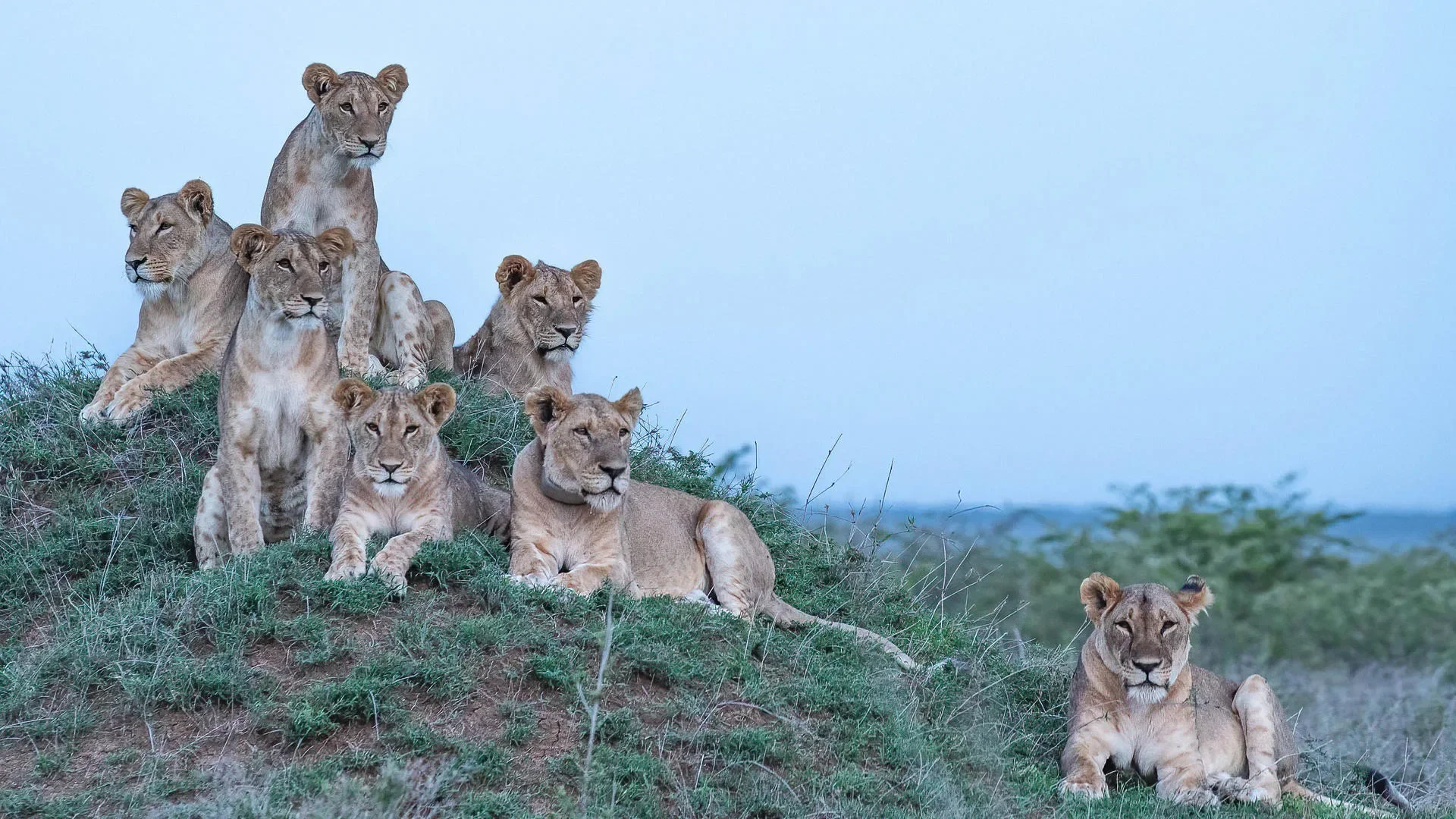
Luxury on safari is not about thread counts. It is about where you wake up, who guides you and the moments that take your breath away. This 8-day journey pairs Kenya's finest lodges with its most wildlife-rich destinations. Begin at the Fairmont The Norfolk in Nairobi, then head to Ol Pejeta Conservancy in Laikipia for three nights at Sanctuary Tambarare Camp, with rhino tracking, the endangered species enclosures and walking safaris with armed Maasai guides that bring you within metres of grazing zebra and giraffe. Fly to the Masai Mara for three nights at andBeyond Kichwa Tembo with a private guide who has tracked the resident lion prides for over a decade, big cat tracking, bush dinners under the Milky Way and an optional hot air balloon safari. Internal flights mean no long road transfers, and all house drinks and laundry are included.
From $9,800 /person
Inspirations Africa
Verified8-Day Kilimanjaro Climb via Lemosho Route
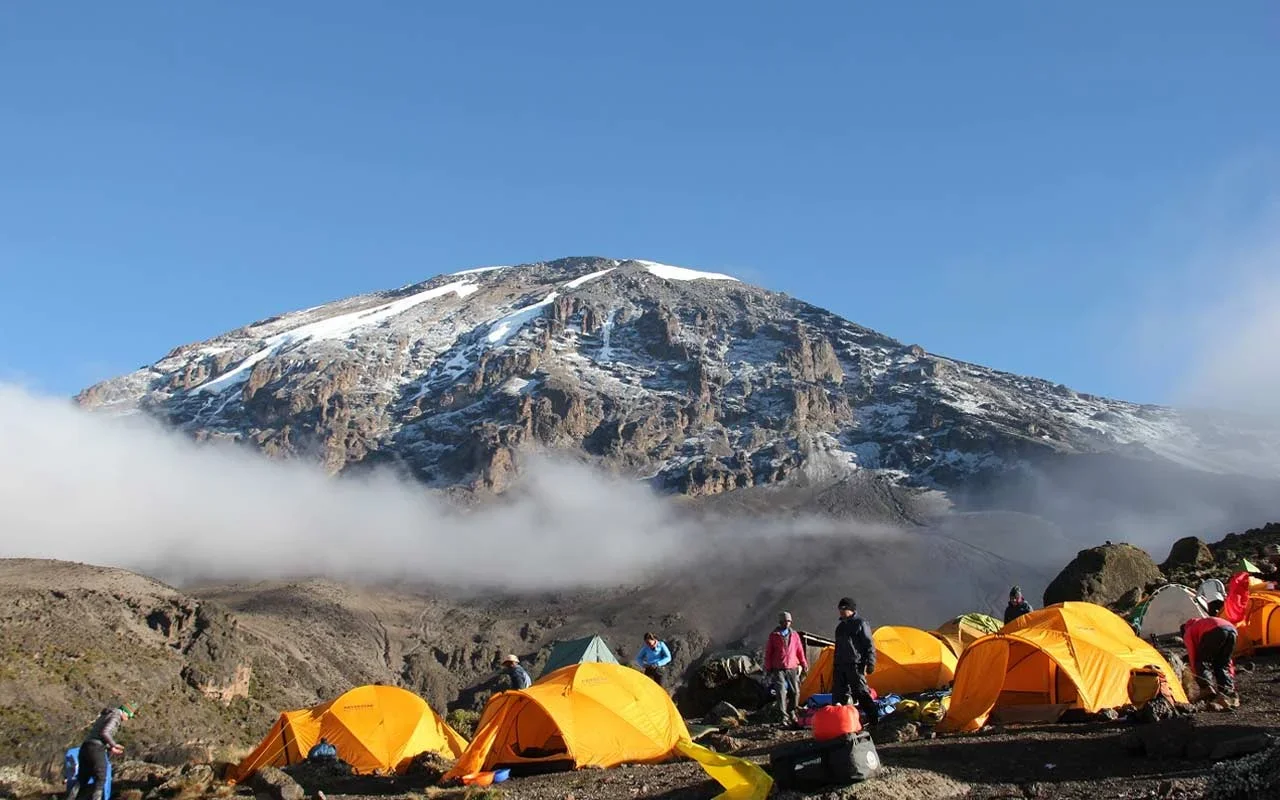
Widely regarded as the most beautiful approach to Kilimanjaro, the Lemosho Route starts on the quiet western side at Londorossi Gate and crosses rainforest, the Shira Plateau and the famous Barranco Wall scramble before summit night to Uhuru Peak at 5,895m. The 8-day profile gives one of the strongest acclimatisation schedules on the mountain, with a 95%+ summit success rate and fewer crowds than Machame or Marangu. Your climb is led by a licensed mountain guide with assistant guides at a 1:2 ratio, porters and a cook, with 4-season tents, portable toilet, pulse oximeter checks and all meals on the mountain. Two hotel nights in Moshi before and after the climb, plus airport transfers, are included. Good fitness is recommended; no technical climbing skills are needed.
From $2,650 /person
Inspirations Africa
Verified4-Day Fly-In Serengeti Safari by Bush Plane
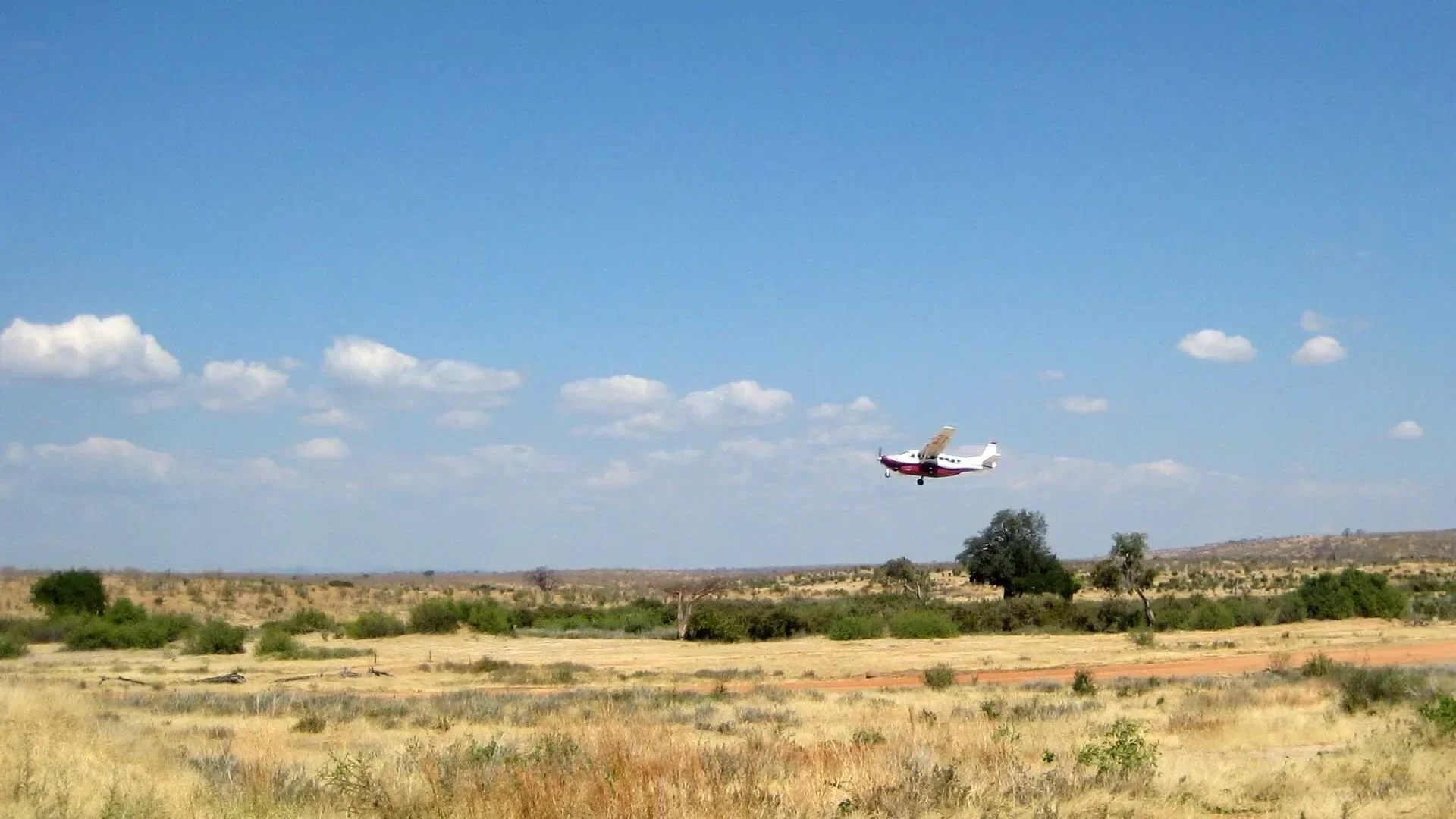
This fly-in safari eliminates the long overland drive from Arusha and gets you to the Serengeti in 90 minutes by bush plane. The flight itself is spectacular, soaring over the Ngorongoro highlands, the Great Rift Valley and the Serengeti's endless plains before landing on a grass airstrip. On the ground you enjoy unlimited game drives from a luxury camp positioned in the prime wildlife corridor: lions, leopards, cheetahs and, in season, the Great Migration herds. Three nights of full-board luxury, sundowners over the plains and a farewell bush dinner, then fly back to Arusha on the final morning. Ideal for travellers short on time who want maximum Serengeti with minimum transit.
From $3,450 /person
Inspirations Africa
Verified7-Day Great Migration Safari: Ngorongoro Crater & Serengeti
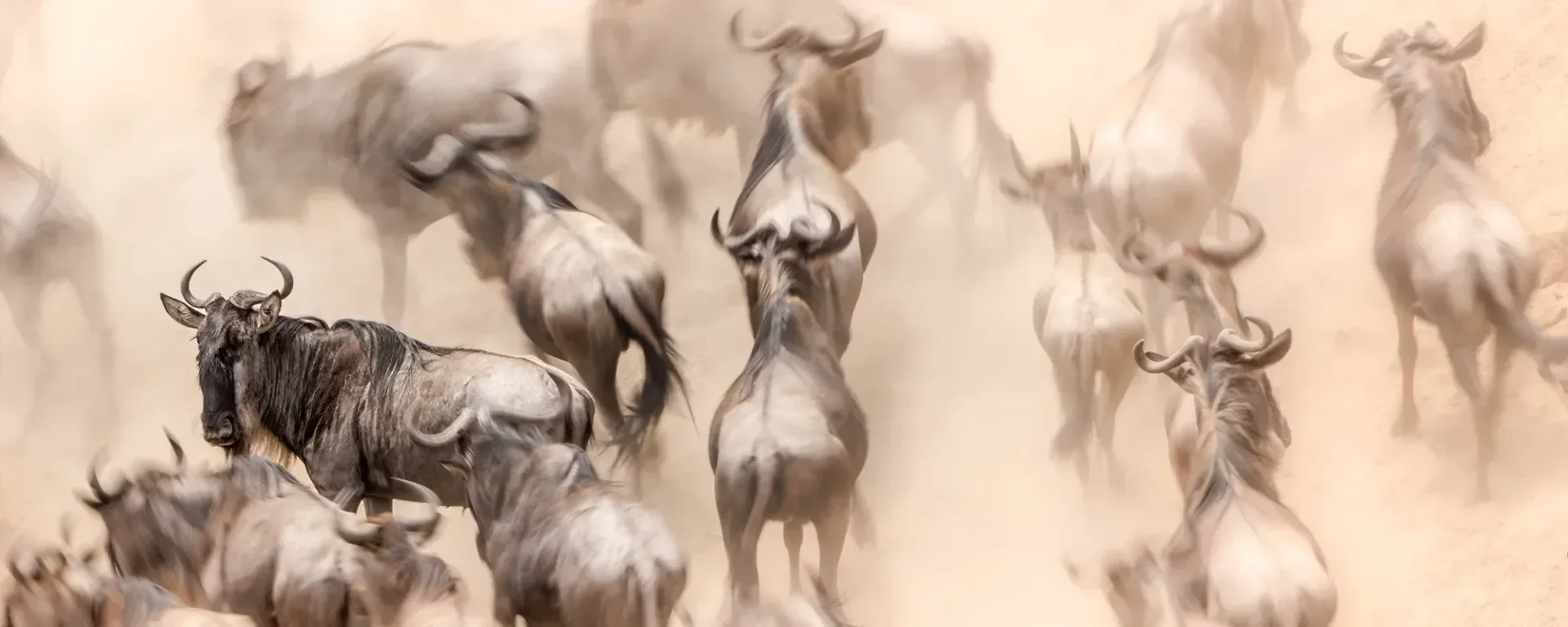
Over two million wildebeest, half a million zebra and hundreds of thousands of gazelle: the Great Migration is the largest overland movement of mammals on Earth, and this 7-day luxury safari puts you at its heart. Begin in Arusha, then descend into the Ngorongoro Crater for the Big Five in one of the world's most concentrated wildlife arenas. Continue to the Serengeti, where your guide tracks the herds by season: Mara River crossings with crocodile ambushes from June to October, or the southern calving grounds with 8,000 births a day from December to March. Luxury tented camps move with the herds so you are always in the right place, and between the mega-herds the Serengeti delivers Africa's finest predator action: lion prides, cheetah coalitions, leopards in sausage trees and hyena clans. Optional dawn hot air balloon safari available.
From $5,950 /person
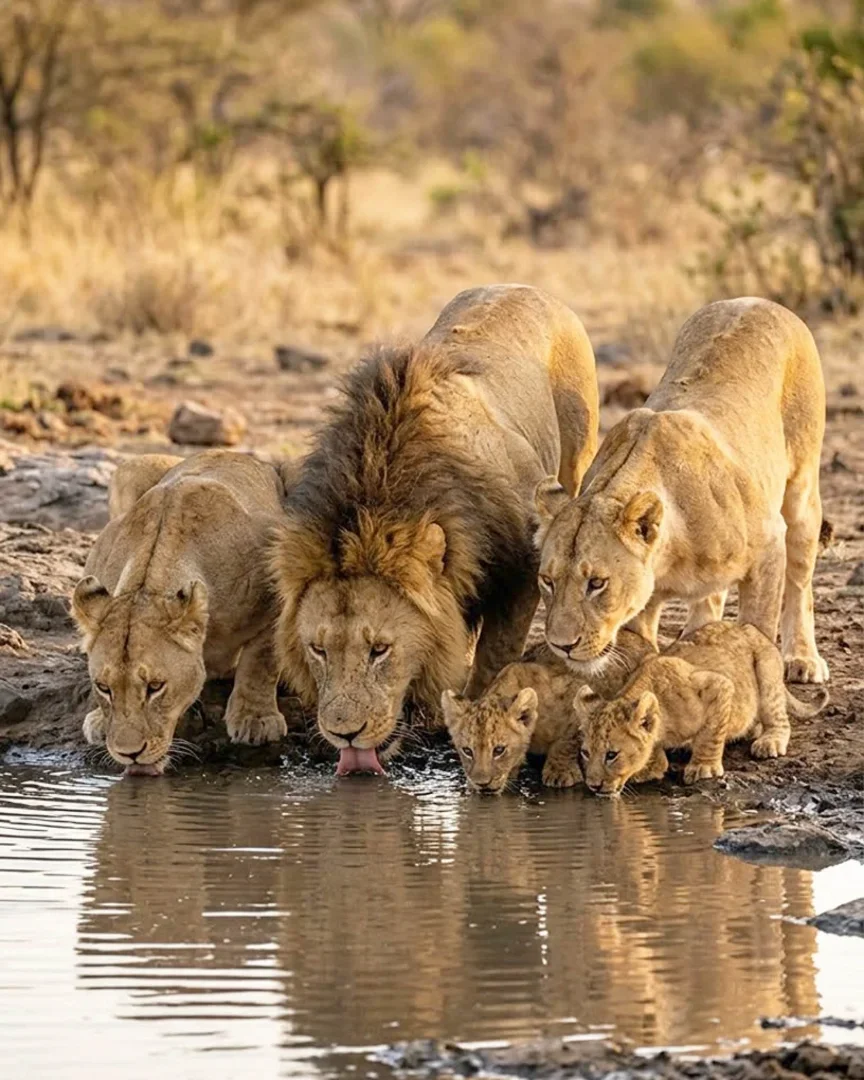
VELMARA SAFARIS
Verified8-Day Kenya & Tanzania Mid-Range Big Five Safari
Experience the raw beauty of East Africa on this eight-day journey through Kenya's most iconic wildlife destination. You'll spend your days in Amboseli National Park, where vast plains stretch beneath the snow-capped peak of Mount Kilimanjaro. This is prime territory for encountering Africa's Big Five, and you'll have excellent chances to spot elephants, lions, leopards, buffalo, and rhinos as they move across the landscape. Your safari combines game drives through diverse habitats with comfortable mid-range accommodation, striking the perfect balance between authentic wilderness experience and practical comfort. This adventure is designed for travelers who want genuine wildlife encounters without compromising on quality rest between days. You'll wake early for morning drives when animals are most active, then return to your lodge for a break before afternoon expeditions.
From $3,450 /person
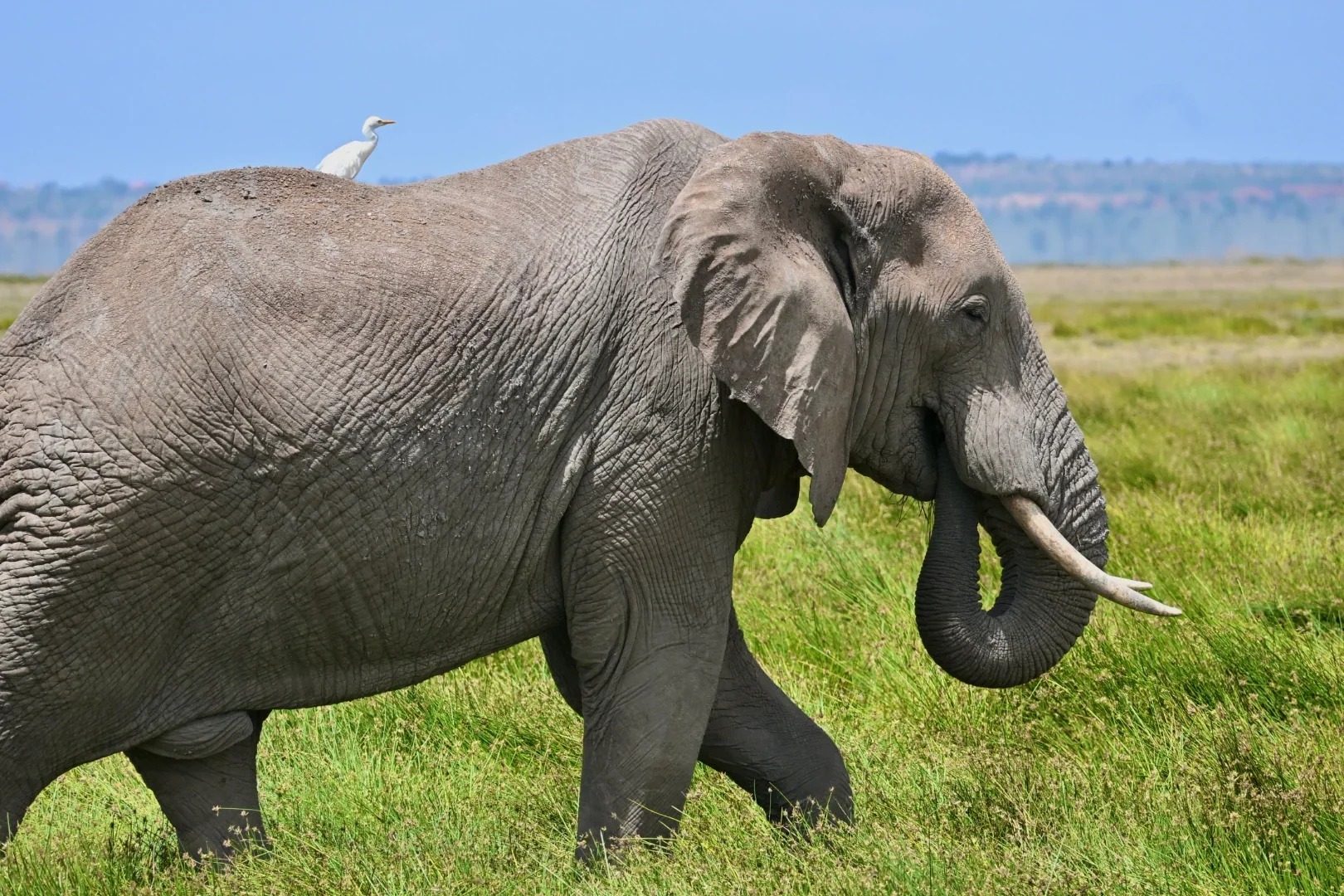
VELMARA SAFARIS
Verified6-Day Amboseli NP, Lake Nakuru & Masai Mara Luxury Tour
This six-day journey takes you through Kenya's most iconic landscapes, combining the raw beauty of Amboseli National Park with the birdwatching paradise of Lake Nakuru and the legendary wildlife abundance of Masai Mara. Each destination offers distinct ecosystems and unforgettable encounters with Africa's incredible fauna and flora. You'll experience the full spectrum of what makes Kenya a world-class safari destination, from intimate wildlife viewing to breathtaking scenery. Throughout your tour, you'll enjoy luxury accommodation at carefully selected lodges that blend comfort with authentic safari experiences. Early morning and afternoon game drives put you in prime position to spot the area's diverse wildlife, while expert guides share their deep knowledge of the ecosystems and animal behavior. This carefully crafted itinerary balances adventure with relaxation, ensuring you leave with memories that will last a lifetime.
From $2,700 /person
Where to go
Explore the destinations
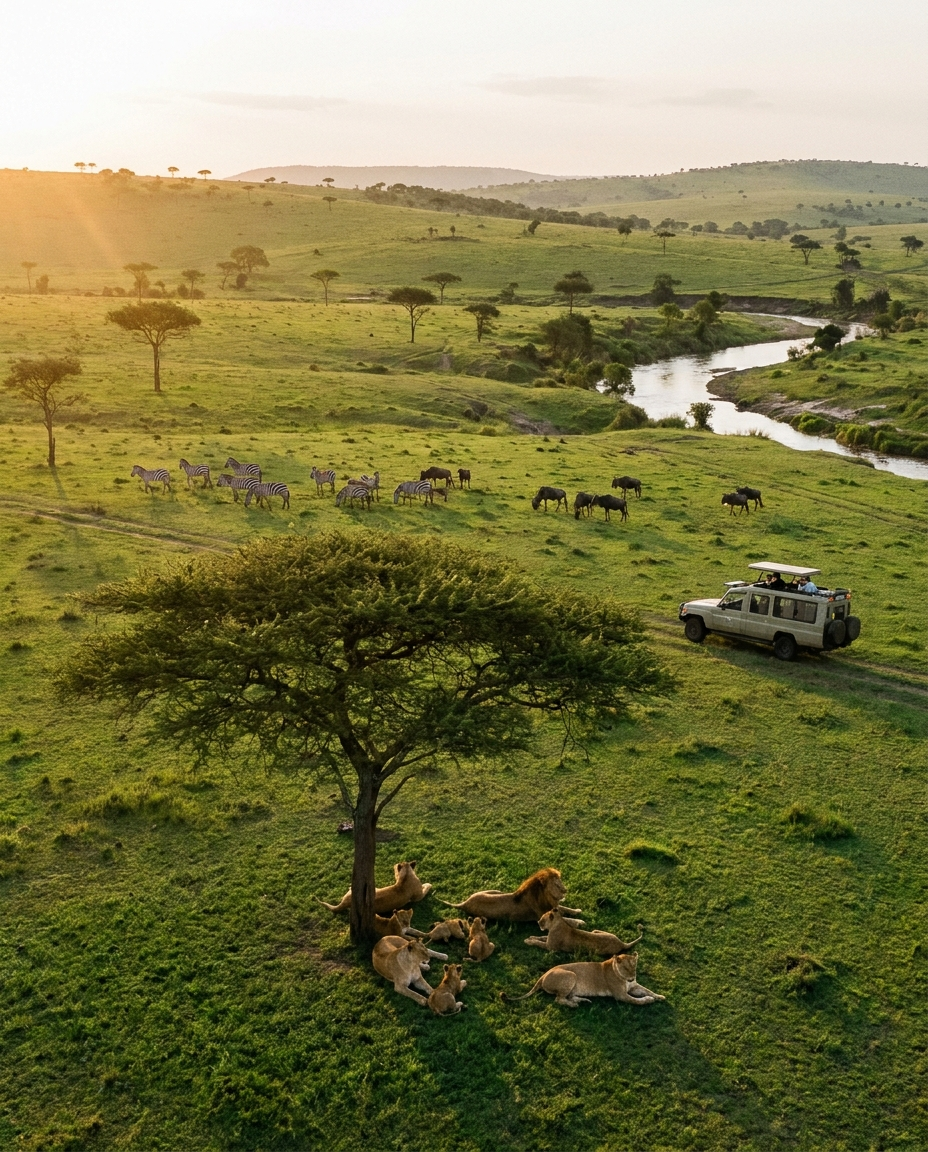 2 toursMasai MaraDiscover Masai Mara National Reserve
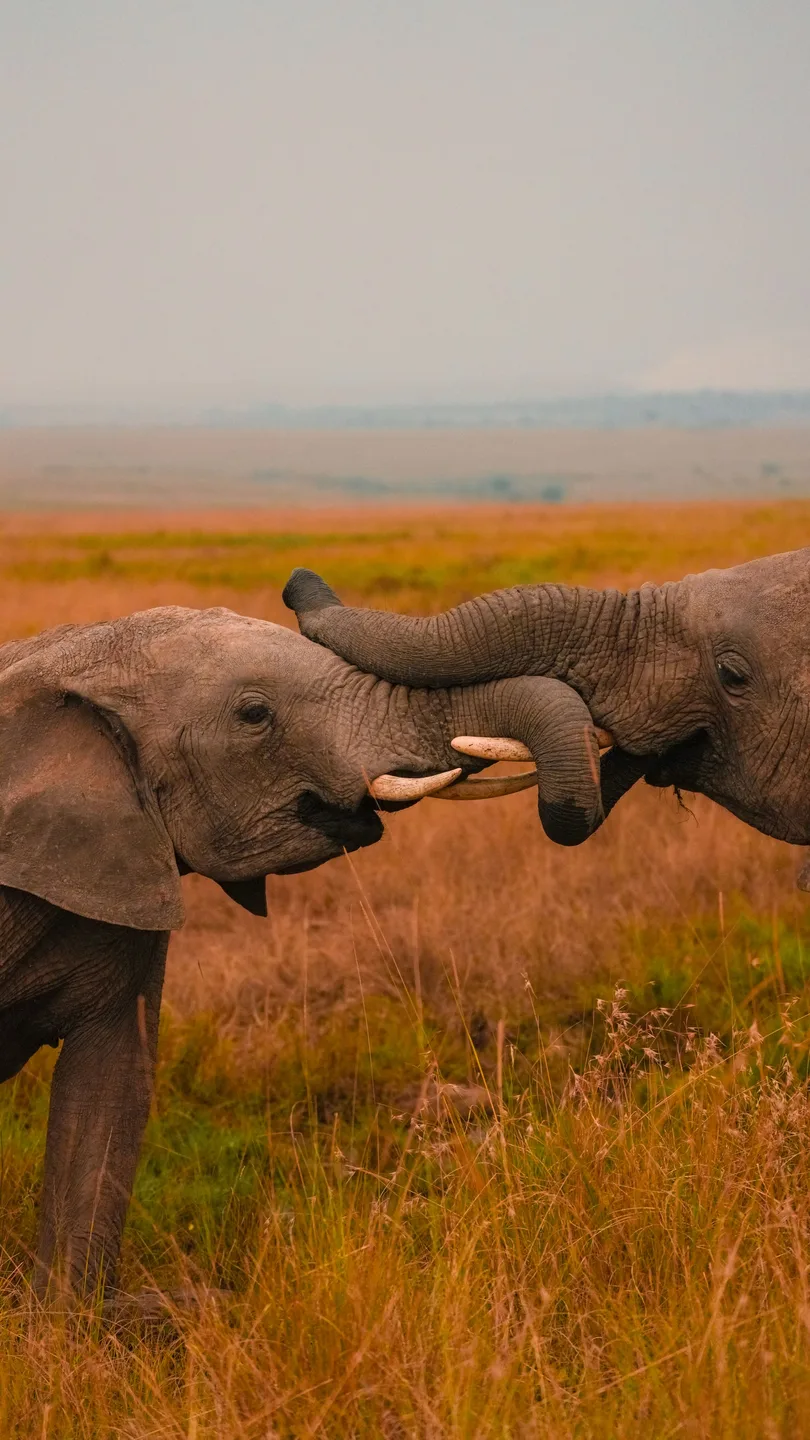 3 toursKenyaThe Original Safari
 16 tours · 25 lodgesTanzaniaRoof of Africa & Beyond
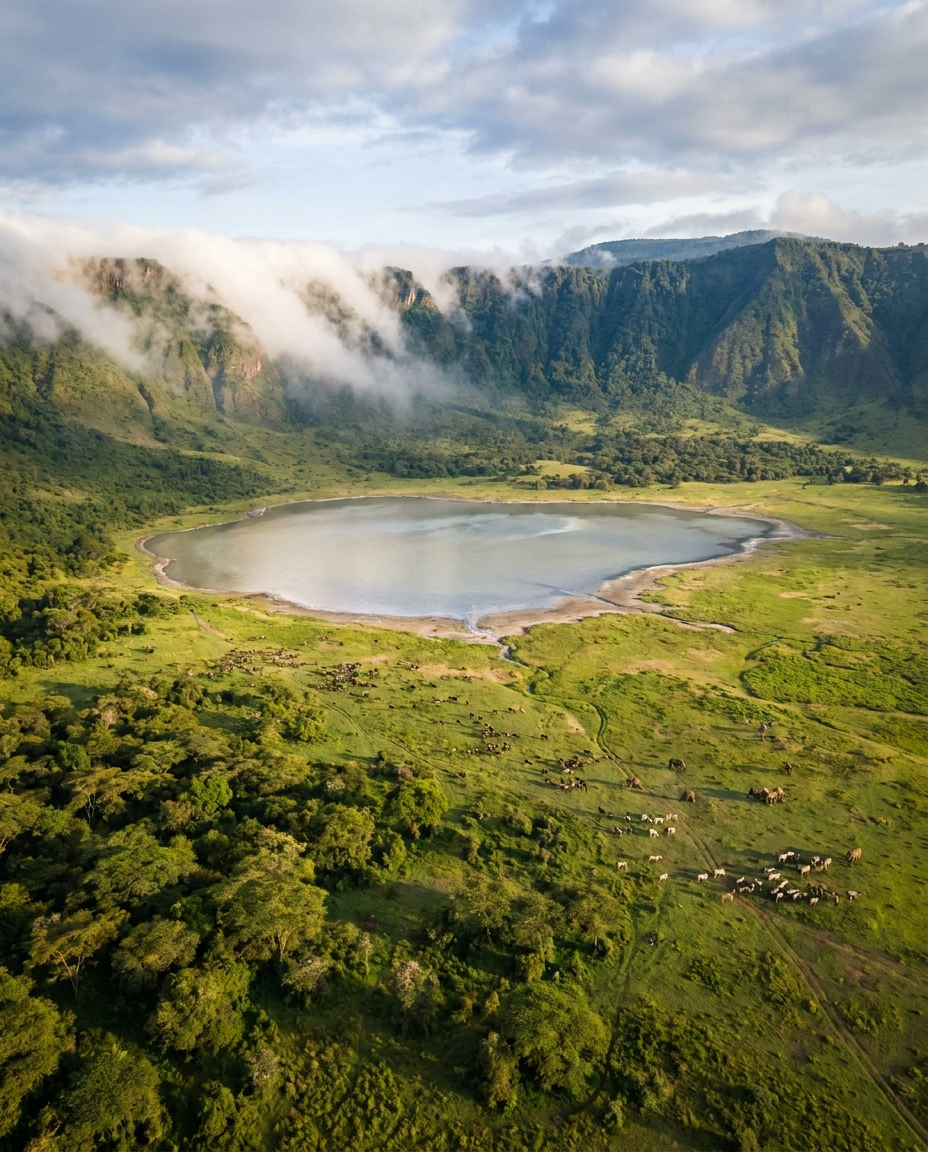 2 tours · 7 lodgesNgorongoro CraterDiscover Ngorongoro Crater
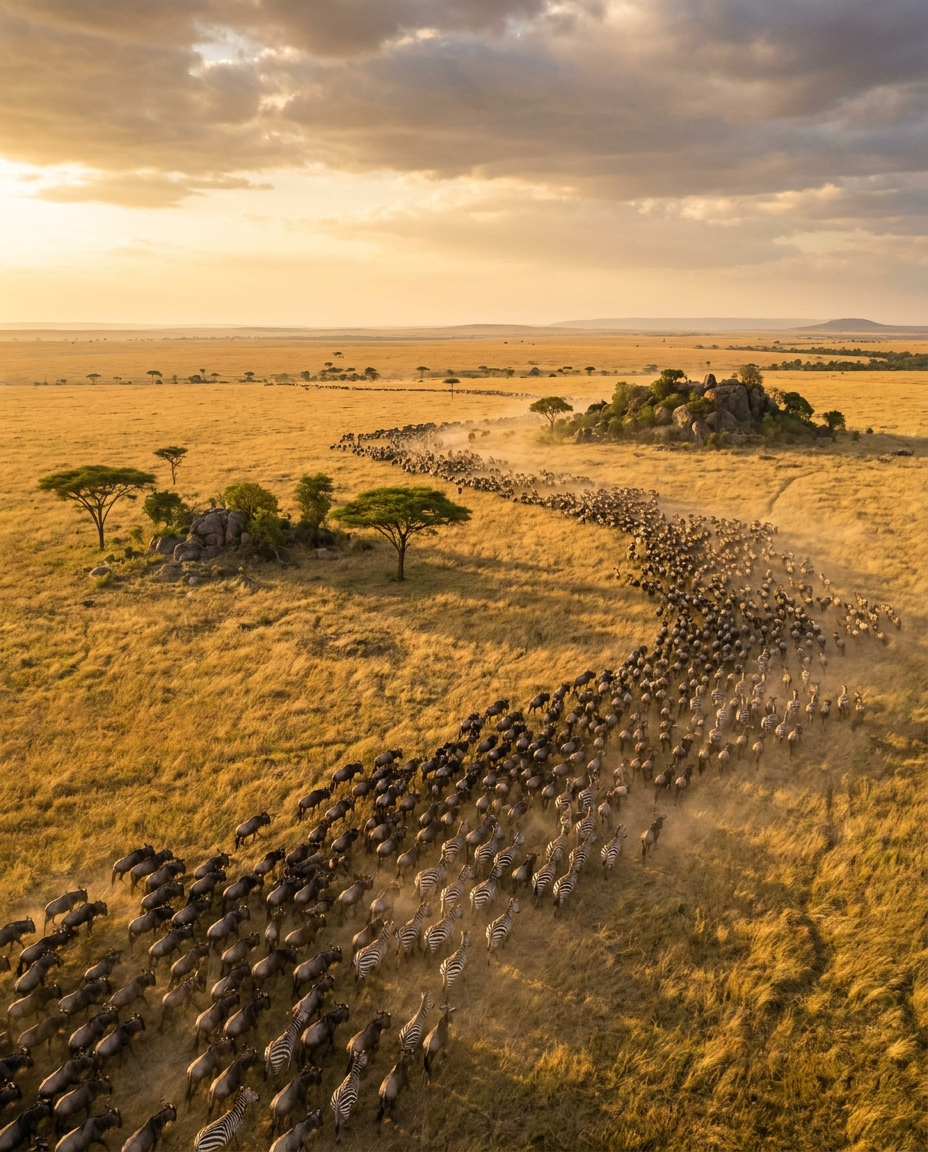 11 lodgesSerengeti National ParkDiscover Serengeti National Park
 15 tours · 24 lodgesNorthern CircuitThe Classic Safari Route
Plan with local experts
Ready to Plan Your Safari?
Compare verified operators, get instant quotes, and book your dream African safari.