Tanzania's most underrated park — 3,000 elephants congregating on a single river, ancient baobab trees as large as houses, tree-climbing lions, and 550+ bird species. The essential opening act of the northern circuit.
2,850 km²
Park size
3,000+
Peak elephants
550+
Bird species
90 min
From Arusha
Why Tarangire?
Most first-time Tanzania travellers skip Tarangire in favour of the Serengeti and Ngorongoro. This is a mistake. In the dry season, Tarangire delivers wildlife density that rivals anywhere in Africa — and it does so against a backdrop of thousand-year-old baobab trees that no other park can match.
Just 90 minutes from Arusha, Tarangire is the perfect 2-night start to the northern circuit before heading to Ngorongoro and the Serengeti. Most operators recommend 2 nights minimum — one to cover the northern riverine zone, one to explore the remote southern swamps.
Elephant Herds
Up to 3,000 elephants converge on the Tarangire River in the dry season — second only to Chobe in East Africa for sheer elephant numbers.
Ancient Baobabs
Thousands of baobab trees — some over 1,000 years old with trunks 15+ metres in circumference — create a prehistoric landscape unlike anywhere else in Tanzania.
Tree-Climbing Lions
Tarangire's lions regularly climb the massive baobabs and yellow-bark acacias. Sightings of lions 5–8 metres up a tree are relatively common.
Python Hills
Rocky kopje formations in the southern park are home to enormous African rock pythons — one of the world's largest snake species — coiled in crevices.
Birding
550+ species including the rare ashy starling (endemic to Tanzania), ground hornbills, and the yellow-collared lovebird. The best birding of the northern circuit.
Large Lion Prides
Tarangire's lion prides average 15–20 individuals — larger than most other parks — due to the abundance of prey species attracted to the river.
Best Time to Visit Tarangire
Jun–Oct (Dry)
Outstanding
Peak elephant concentrations (up to 3,000) at the river. Lion prides hunt daily. Best game viewing of the year. Bush is dry, visibility excellent.
Nov–Dec (Short Rains)
Good birding
Migratory birds arrive — over 300 species. Park greens up. Fewer visitors and lower prices. Elephant herds begin dispersing.
Jan–Feb (Short Dry)
Very good
Calves born after the rains — great predator action. Good game viewing before main rains. Well-priced shoulder season.
Mar–May (Long Rains)
Quiet season
Lush green landscapes. Very few visitors. Some roads muddy. Good for photographers wanting dramatic skies and green baobabs.
Classic Northern Circuit with Tarangire
Tarangire is the recommended starting point for Tanzania's northern circuit — wildlife density is excellent from day one, giving you a strong introduction before the Serengeti's vastness.
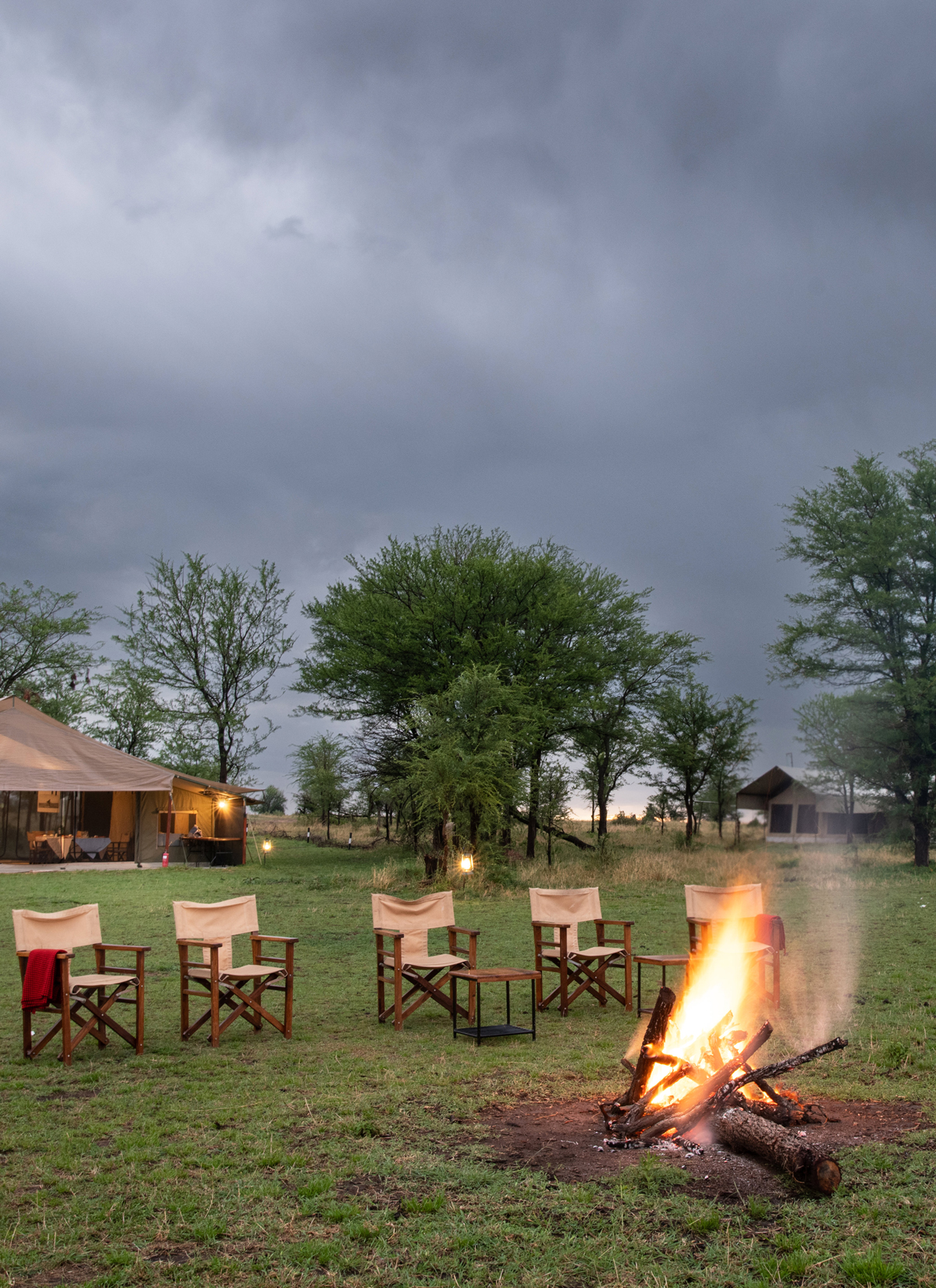
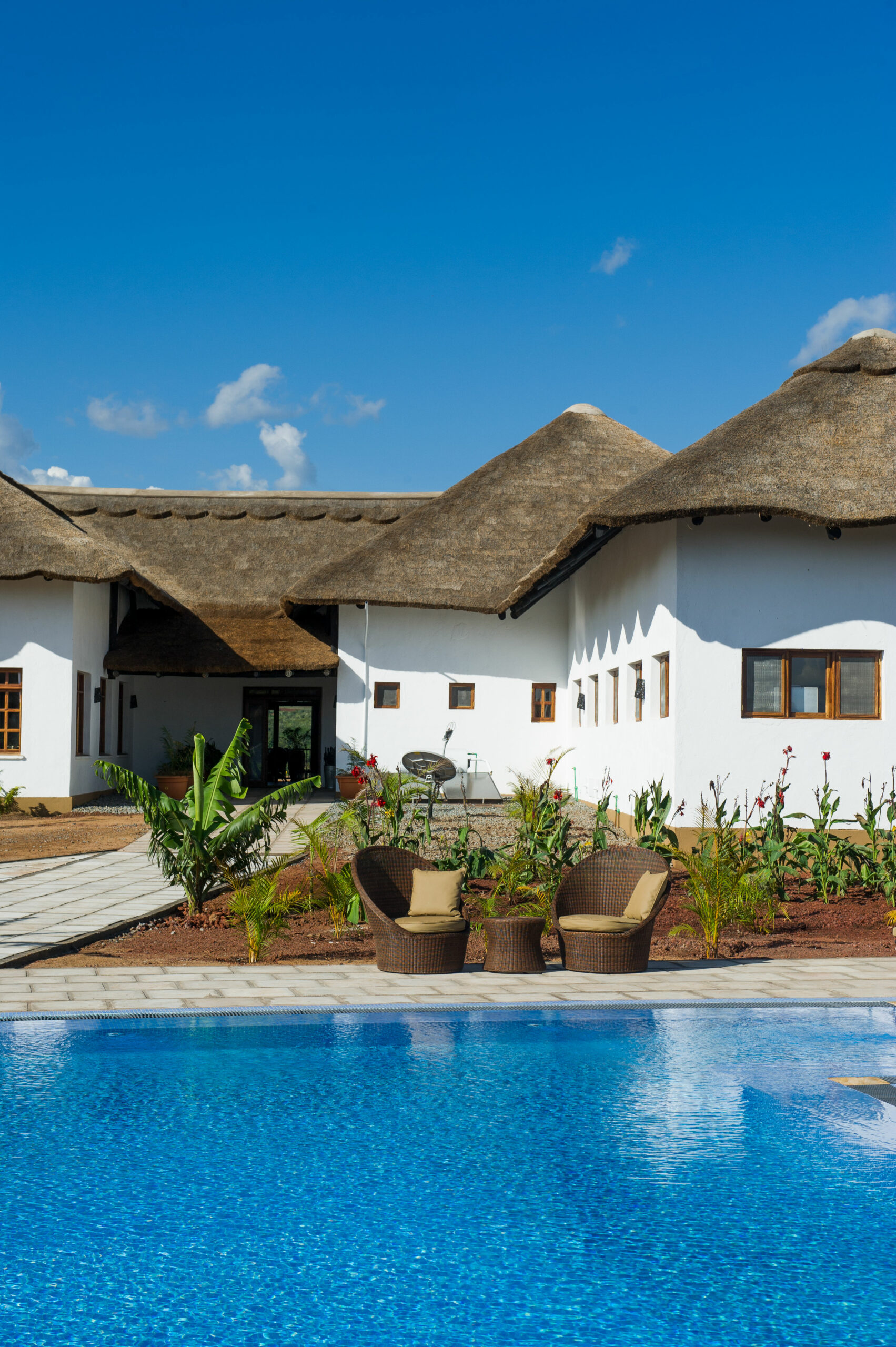
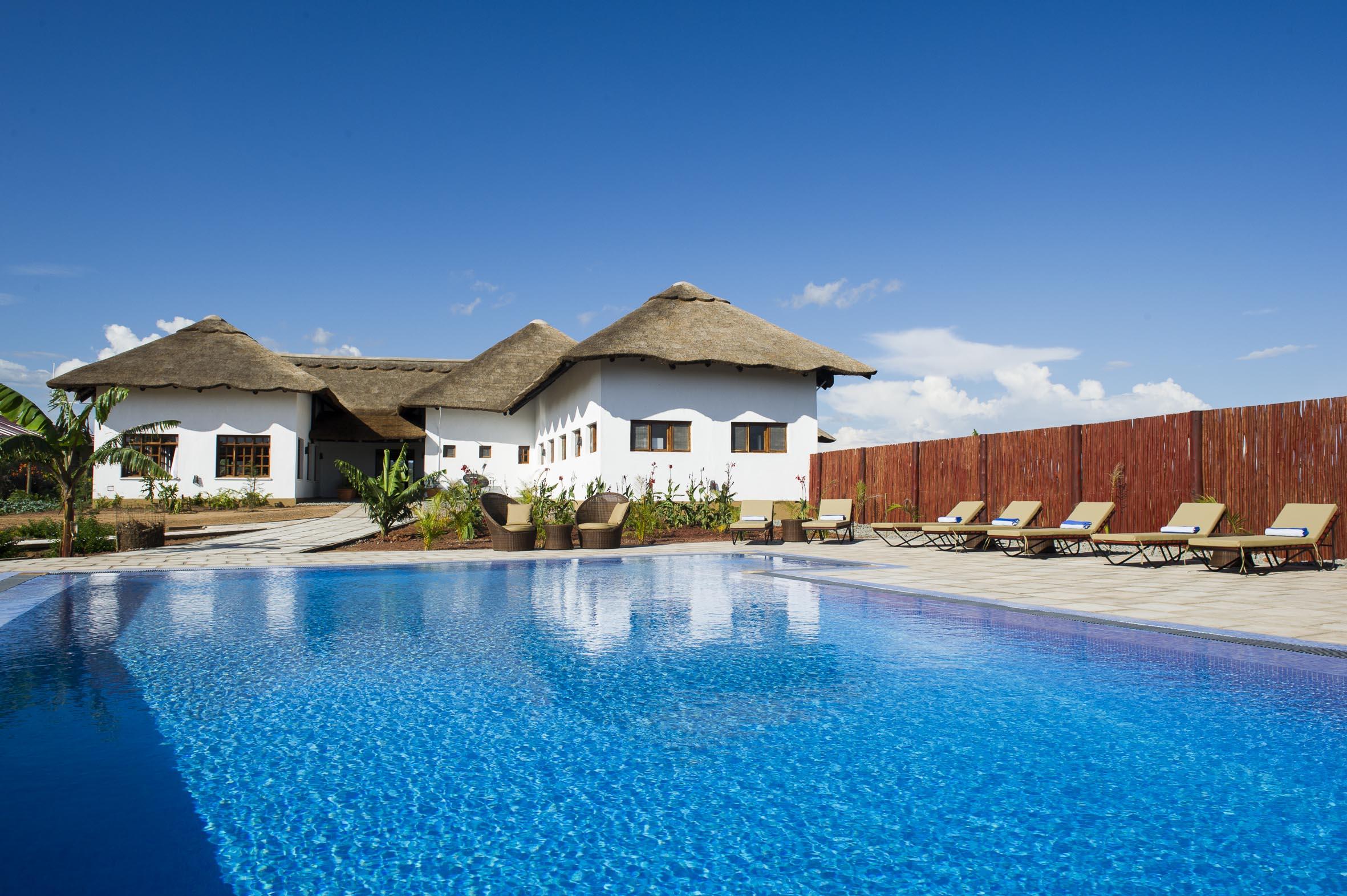
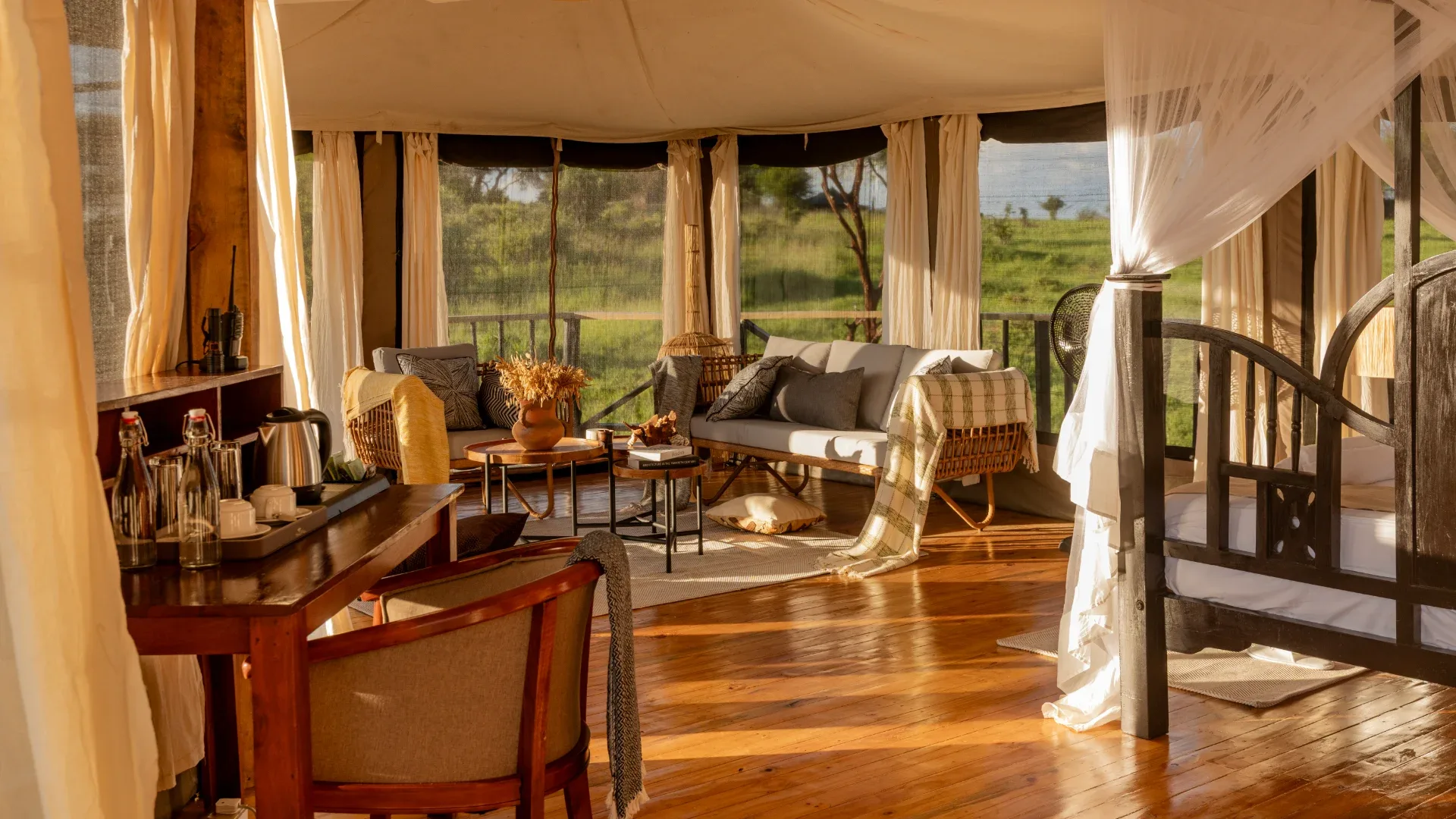
Famous baobab suites; pool deck often visited by elephant and giraffe; night drives available
Tarangire Safari Lodge
Mid-range
$300–$600/night
Cliff-edge position over the Tarangire River; excellent value; elephants visible from the dining room
Maramboi Tented Camp
Mid-range tented
$200–$450/night
On the Tarangire-Manyara ecosystem boundary; excellent birding at Lake Burunge
Tarangire FAQ
What is Tarangire famous for?+
Ancient baobab trees — some over 1,000 years old — and enormous elephant herds. Up to 3,000 elephants congregate on the Tarangire River in the dry season, plus tree-climbing lions and 550+ bird species.
When is the best time to visit Tarangire?+
June–October (dry season) for peak elephant concentrations and best game viewing. July–September sees the largest herds. Wet season (Nov–May) is lush with excellent birding but dispersed wildlife.
How does Tarangire compare to the Serengeti?+
Tarangire excels for elephants, baobabs, and birding. Serengeti excels for the Great Migration, open plains, and overall predator variety. Northern circuit itineraries typically include both — Tarangire is the first stop, Serengeti the grand finale.
Can I see the Big Five in Tarangire?+
Yes — all Big Five are present. Elephant herds are extraordinary. Lion prides are among Africa's largest. Leopard are present but elusive. Buffalo herds are large. Black rhino are occasionally sighted in the south.
How long should I spend in Tarangire?+
2 nights is the recommended minimum — one drive covering the northern riverine zone, one covering the remote southern swamps and Python Hills. 3 nights allows a walking safari into the Silale Swamp area.
Is Tarangire good for families?+
Yes — compact enough for children to stay engaged, excellent for elephant close-encounters, and baobab trees are genuinely awe-inspiring for younger visitors. Most lodges welcome families with children of all ages.
Plan Your Tarangire Safari
Connect with verified Tanzania operators for northern circuit itineraries that include Tarangire, Ngorongoro, and the Serengeti.