Routes, costs, success rates, best time to climb, and everything you need to reach Uhuru Peak at 5,895m — the highest point in Africa.
1,800–2,800m
Dense montane forest, colobus monkeys, giant heathers. Often misty and atmospheric.
2,800–4,000m
Giant groundsel, lobelia, open moorland. Increasingly sparse vegetation, dramatic landscapes.
4,000–5,000m
Rocky, barren terrain. Extreme temperature swings. The psychological challenge zone.
5,000–5,895m
Snow, ice fields, glacier remnants. Uhuru Peak at 5,895m — the roof of Africa.
Route choice is the single biggest factor in your summit success. Here's how all five major routes compare.
The most popular route on the mountain and the one we recommend for most climbers. Excellent acclimatisation profile, stunning varied scenery, and a high summit success rate.
Pros
Cons
Best for: First-time climbers with reasonable fitness
The best overall route on the mountain. Longer approach from the west means superior acclimatisation, less crowding, and traversal of the full Shira Plateau. Joins Machame at Lava Tower.
Pros
Cons
Best for: Climbers prioritising summit success and solitude
The only route with hut accommodation rather than tents. Often marketed as the "easiest" route, but its direct profile and shorter acclimatisation window result in the lowest success rate.
Pros
Cons
Best for: Budget climbers or those who strongly prefer huts over tents
Approaches from the Kenyan border in the north — the only route that approaches from this direction. Drier conditions and less competition for permits. Quieter but less scenic than Machame.
Pros
Cons
Best for: Climbers seeking solitude or climbing during rainy season
The newest and longest route on the mountain. Circumnavigates the entire northern circuit before summiting via the crater rim. Exceptional scenery and solitude — the choice of serious trekkers.
Pros
Cons
Best for: Experienced trekkers with maximum time and budget
| Month | Temperature | Rainfall | Crowds | Summit Conditions | Rating |
|---|---|---|---|---|---|
| Jan | Warm | Low | High | Excellent | |
| Feb | Warm | Low | Medium | Excellent | |
| Mar | Warm | High | Low | Fair | |
| Apr | Cool | Very High | Very Low | Poor | |
| May | Cool | High | Low | Fair | |
| Jun | Cool | Low | Medium | Good | |
| Jul | Cold | Low | Very High | Excellent | |
| Aug | Cold | Low | Very High | Excellent | |
| Sep | Cool | Low | High | Excellent | |
| Oct | Warm | Medium | Medium | Good | |
| Nov | Warm | High | Low | Fair | |
| Dec | Warm | Low | Medium | Good |
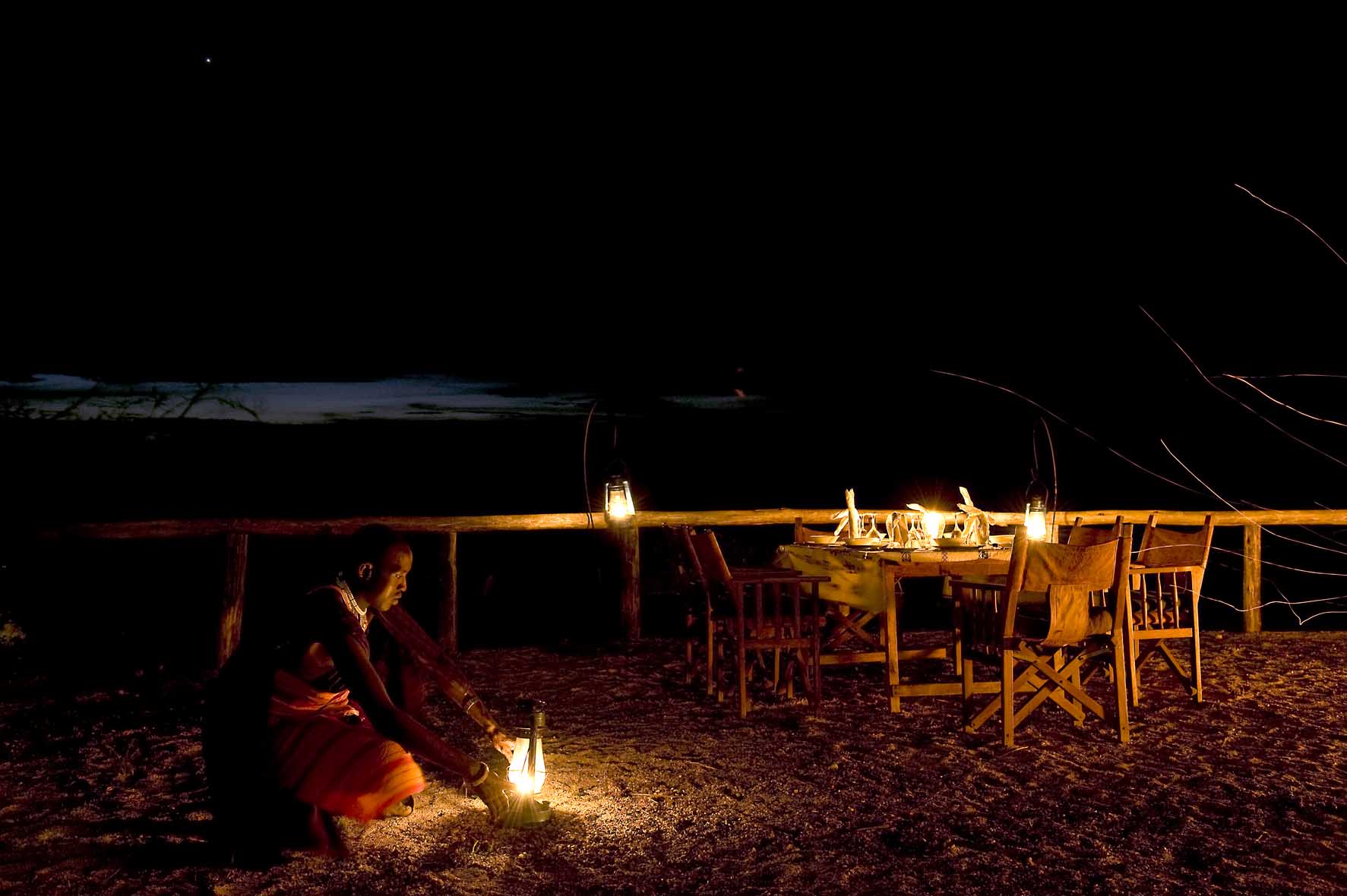
Most climbers extend their Tanzania trip with a wildlife safari or beach recovery — here are the best combinations.
14–16 days
The classic Tanzania combination. Summit first, recover on the Zanzibar coast, then head to the Serengeti for the migration. One of the greatest adventure itineraries on Earth.
10–12 days
Combine Kili with Amboseli National Park in Kenya — famous for elephants against the backdrop of Kilimanjaro itself. The ultimate full-circle experience.
10–12 days
For those focused purely on the climb, a 3–4 day Zanzibar recovery is the ideal finale. White sand, warm water, and Stone Town culture.
We connect you with licensed, ethical operators who run small-group Kilimanjaro climbs with properly paid and equipped porter teams.