Great Wildebeest Migration 2026 — Best Times & Viewing
Complete guide to the Great Wildebeest Migration. When and where to see river crossings, calving season, and migration routes. Kenya vs Tanzania compared month-by-month.
The Great Migration: Earth's Largest Overland Wildlife Movement
The Great Migration is a continuous, circular movement of approximately 1.5 million blue wildebeest, 200,000 plains zebra, and 500,000 Thomson's gazelle through the Serengeti-Mara ecosystem spanning Tanzania and Kenya. It is widely regarded as one of the greatest natural spectacles on the planet and has been called the "World Cup of Wildlife."
The Cycle of Life and Death
Contrary to popular belief, the migration is not a single event with a start and end date. It is a year-round, clockwise movement driven by rainfall and the search for fresh grazing. The herds follow the rains, covering roughly 800 kilometres annually in a loop that takes them from the southern Serengeti plains through the Western Corridor, north into Kenya's Masai Mara, and back south again.
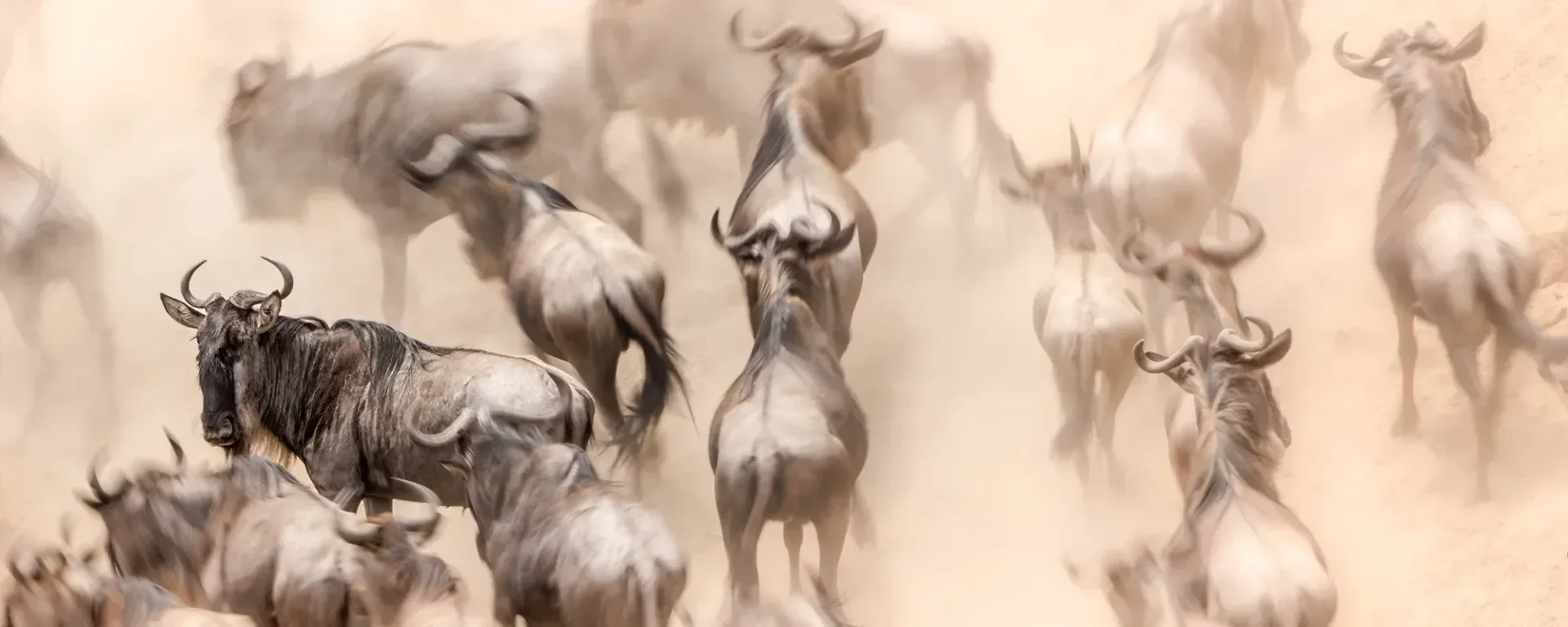
The journey is extraordinarily dangerous. An estimated 250,000 wildebeest and 30,000 zebra die each year from exhaustion, predation, drowning, and disease. The Mara and Grumeti river crossings are the migration's most dramatic and perilous moments -- hundreds of thousands of animals plunge into crocodile-infested waters, often stampeding over each other in sheer panic.
Calving Season: The Serengeti's Best-Kept Secret
Between late January and mid-March, approximately 500,000 wildebeest calves are born on the short-grass plains of the southern Serengeti and Ndutu area. This synchronised birth event is an evolutionary strategy -- predators simply cannot consume all the newborns at once, ensuring most survive. It is one of Africa's most underrated safari experiences, offering exceptional predator action as lions, cheetahs, and hyenas capitalise on the abundance of vulnerable young.
Conservation and Threats
The Serengeti-Mara ecosystem faces growing threats from proposed infrastructure (roads and railways through the Serengeti), human-wildlife conflict on its boundaries, climate change altering rainfall patterns, and increasing tourism pressure. The Tanzanian and Kenyan governments, along with conservation organisations, continue to debate how to balance development with protecting this irreplaceable natural phenomenon.
Where the Migration Is Month by Month
The migration's exact timing varies year to year depending on rainfall. These are typical patterns -- always check current conditions with your operator before booking.
| Country | Jan | Feb | Mar | Apr | May | Jun | Jul | Aug | Sep | Oct | Nov | Dec |
|---|---|---|---|---|---|---|---|---|---|---|---|---|
| Tanzania (Serengeti) | 5 | 5 | 4 | 3 | 3 | 5 | 4 | 3 | 2 | 3 | 4 | 4 |
| Kenya (Masai Mara) | 1 | 1 | 1 | 1 | 1 | 2 | 4 | 5 | 5 | 4 | 2 | 1 |
Key Migration Parks and Camps
Position yourself in the right park at the right time to witness the migration's most spectacular moments.
1.5 million
Wildebeest
200,000
Plains Zebra
500,000
Thomson's Gazelle
800 km
Annual Distance
250,000+
Annual Deaths
500,000
Calves Born (Jan-Mar)
Bookable with local operators
Popular safari tours

Inspirations Africa
Verified8-Day Luxury Kenya Safari: Nairobi, Ol Pejeta & Masai Mara
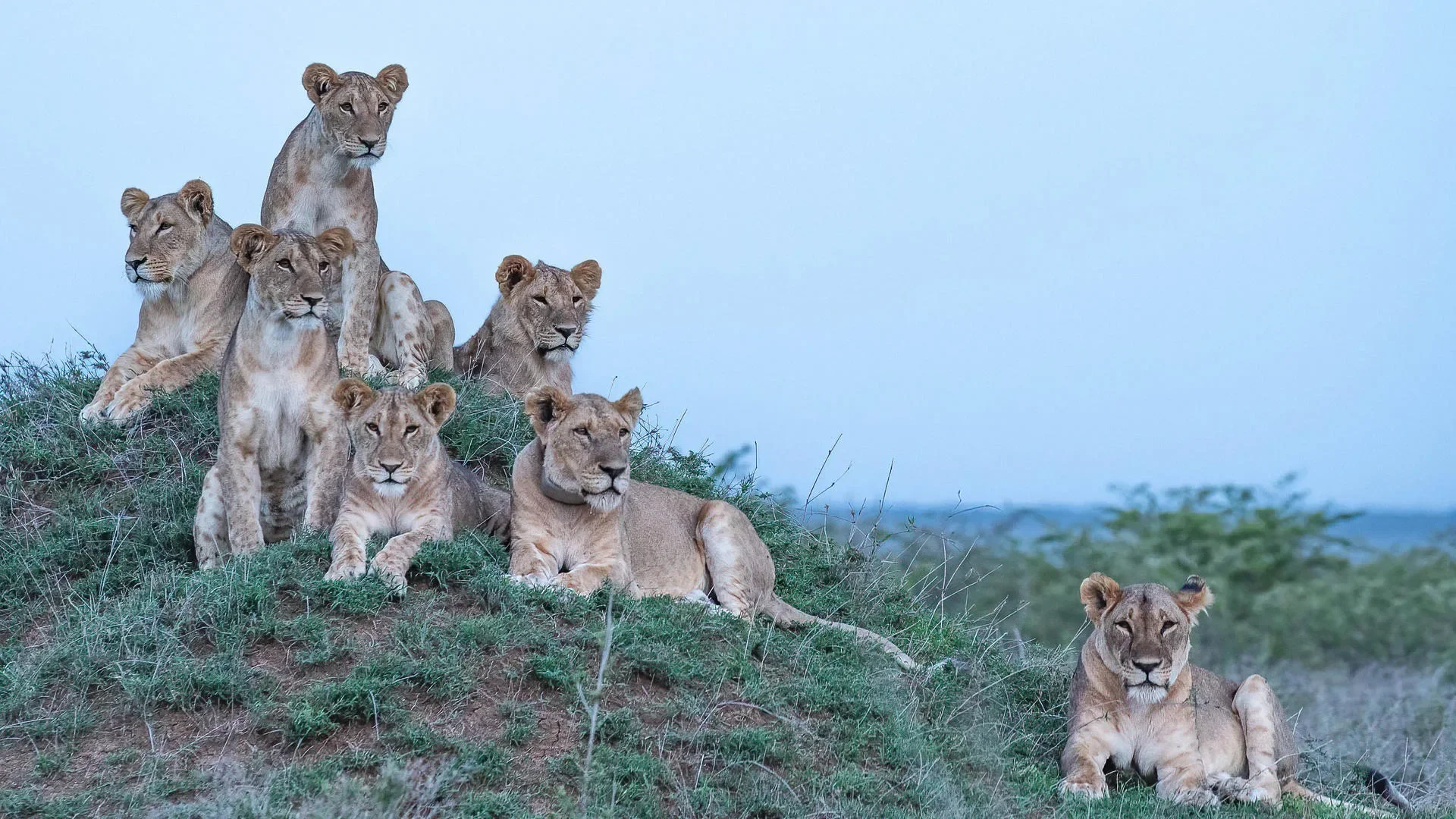
Luxury on safari is not about thread counts. It is about where you wake up, who guides you and the moments that take your breath away. This 8-day journey pairs Kenya's finest lodges with its most wildlife-rich destinations. Begin at the Fairmont The Norfolk in Nairobi, then head to Ol Pejeta Conservancy in Laikipia for three nights at Sanctuary Tambarare Camp, with rhino tracking, the endangered species enclosures and walking safaris with armed Maasai guides that bring you within metres of grazing zebra and giraffe. Fly to the Masai Mara for three nights at andBeyond Kichwa Tembo with a private guide who has tracked the resident lion prides for over a decade, big cat tracking, bush dinners under the Milky Way and an optional hot air balloon safari. Internal flights mean no long road transfers, and all house drinks and laundry are included.
From $9,800 /person
Inspirations Africa
Verified8-Day Kilimanjaro Climb via Lemosho Route
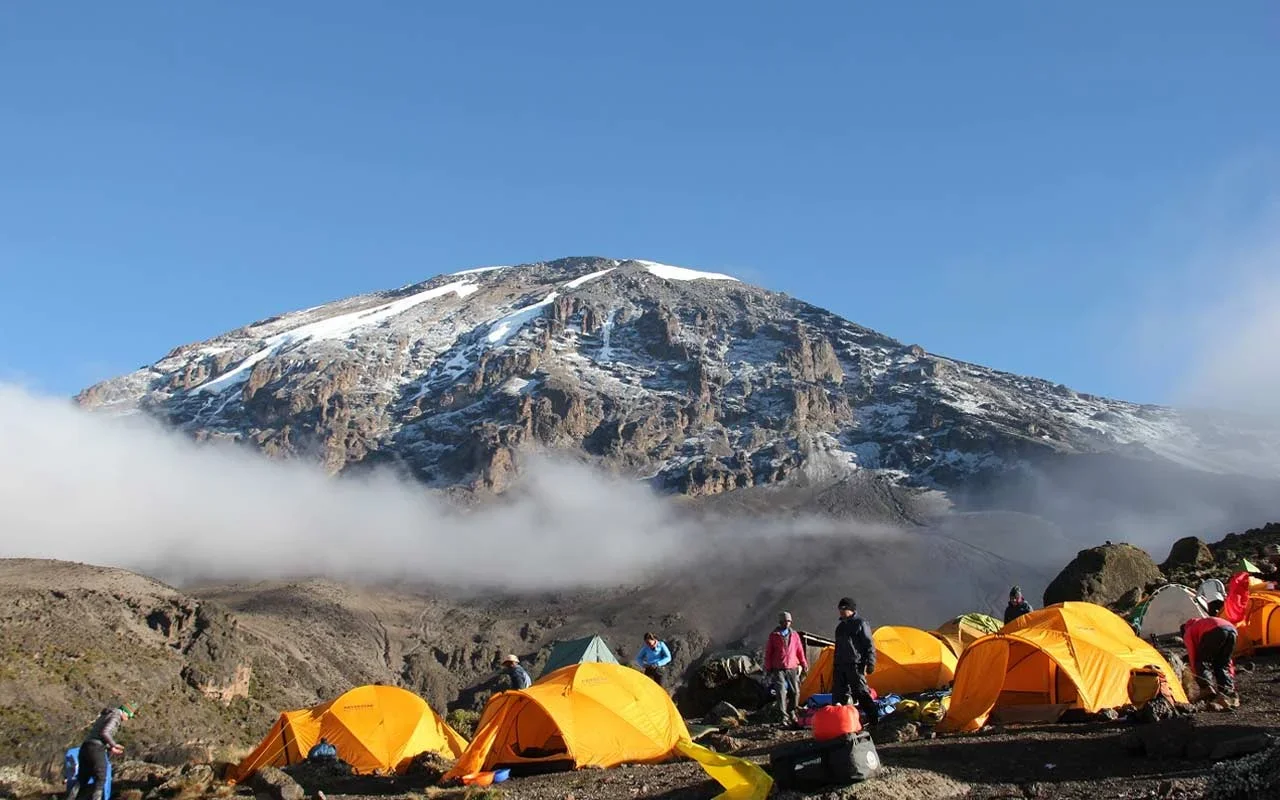
Widely regarded as the most beautiful approach to Kilimanjaro, the Lemosho Route starts on the quiet western side at Londorossi Gate and crosses rainforest, the Shira Plateau and the famous Barranco Wall scramble before summit night to Uhuru Peak at 5,895m. The 8-day profile gives one of the strongest acclimatisation schedules on the mountain, with a 95%+ summit success rate and fewer crowds than Machame or Marangu. Your climb is led by a licensed mountain guide with assistant guides at a 1:2 ratio, porters and a cook, with 4-season tents, portable toilet, pulse oximeter checks and all meals on the mountain. Two hotel nights in Moshi before and after the climb, plus airport transfers, are included. Good fitness is recommended; no technical climbing skills are needed.
From $2,650 /person
Inspirations Africa
Verified4-Day Fly-In Serengeti Safari by Bush Plane
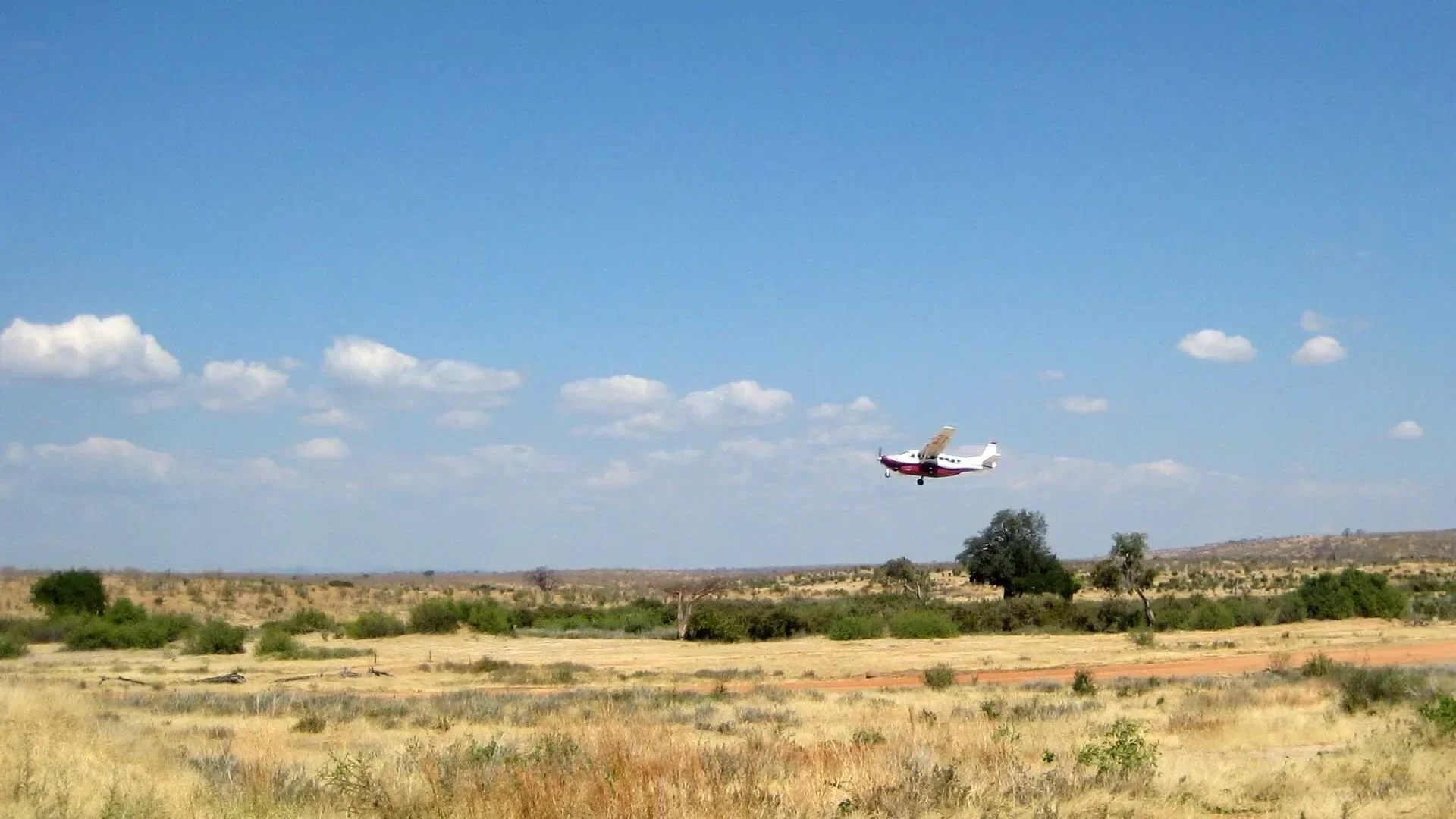
This fly-in safari eliminates the long overland drive from Arusha and gets you to the Serengeti in 90 minutes by bush plane. The flight itself is spectacular, soaring over the Ngorongoro highlands, the Great Rift Valley and the Serengeti's endless plains before landing on a grass airstrip. On the ground you enjoy unlimited game drives from a luxury camp positioned in the prime wildlife corridor: lions, leopards, cheetahs and, in season, the Great Migration herds. Three nights of full-board luxury, sundowners over the plains and a farewell bush dinner, then fly back to Arusha on the final morning. Ideal for travellers short on time who want maximum Serengeti with minimum transit.
From $3,450 /person
Inspirations Africa
Verified7-Day Great Migration Safari: Ngorongoro Crater & Serengeti
Over two million wildebeest, half a million zebra and hundreds of thousands of gazelle: the Great Migration is the largest overland movement of mammals on Earth, and this 7-day luxury safari puts you at its heart. Begin in Arusha, then descend into the Ngorongoro Crater for the Big Five in one of the world's most concentrated wildlife arenas. Continue to the Serengeti, where your guide tracks the herds by season: Mara River crossings with crocodile ambushes from June to October, or the southern calving grounds with 8,000 births a day from December to March. Luxury tented camps move with the herds so you are always in the right place, and between the mega-herds the Serengeti delivers Africa's finest predator action: lion prides, cheetah coalitions, leopards in sausage trees and hyena clans. Optional dawn hot air balloon safari available.
From $5,950 /person
VELMARA SAFARIS
Verified8-Day Kenya & Tanzania Mid-Range Big Five Safari
Experience the raw beauty of East Africa on this eight-day journey through Kenya's most iconic wildlife destination. You'll spend your days in Amboseli National Park, where vast plains stretch beneath the snow-capped peak of Mount Kilimanjaro. This is prime territory for encountering Africa's Big Five, and you'll have excellent chances to spot elephants, lions, leopards, buffalo, and rhinos as they move across the landscape. Your safari combines game drives through diverse habitats with comfortable mid-range accommodation, striking the perfect balance between authentic wilderness experience and practical comfort. This adventure is designed for travelers who want genuine wildlife encounters without compromising on quality rest between days. You'll wake early for morning drives when animals are most active, then return to your lodge for a break before afternoon expeditions.
From $3,450 /person
VELMARA SAFARIS
Verified6-Day Amboseli NP, Lake Nakuru & Masai Mara Luxury Tour
This six-day journey takes you through Kenya's most iconic landscapes, combining the raw beauty of Amboseli National Park with the birdwatching paradise of Lake Nakuru and the legendary wildlife abundance of Masai Mara. Each destination offers distinct ecosystems and unforgettable encounters with Africa's incredible fauna and flora. You'll experience the full spectrum of what makes Kenya a world-class safari destination, from intimate wildlife viewing to breathtaking scenery. Throughout your tour, you'll enjoy luxury accommodation at carefully selected lodges that blend comfort with authentic safari experiences. Early morning and afternoon game drives put you in prime position to spot the area's diverse wildlife, while expert guides share their deep knowledge of the ecosystems and animal behavior. This carefully crafted itinerary balances adventure with relaxation, ensuring you leave with memories that will last a lifetime.
From $2,700 /person
Where to go
Explore the destinations
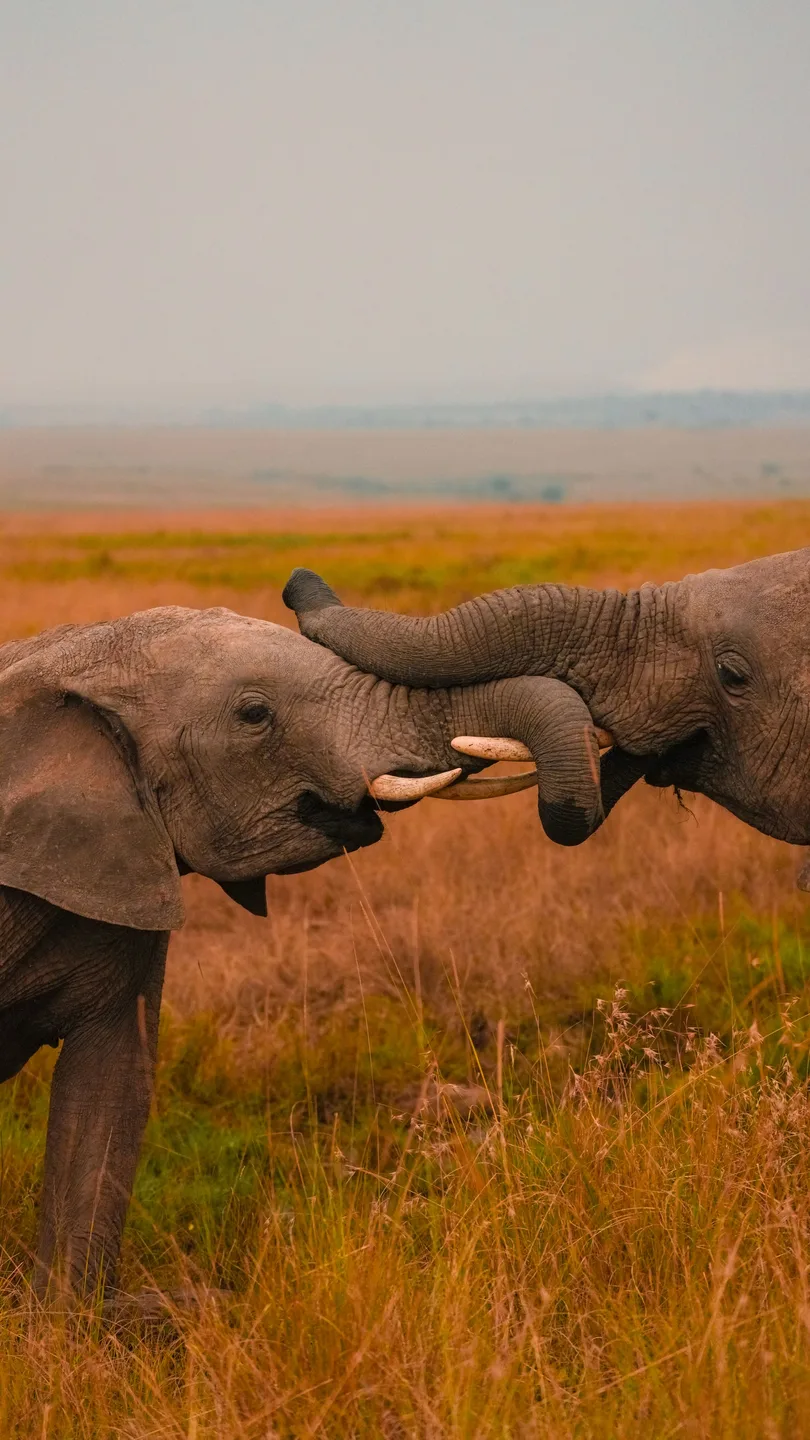 3 toursKenyaThe Original Safari
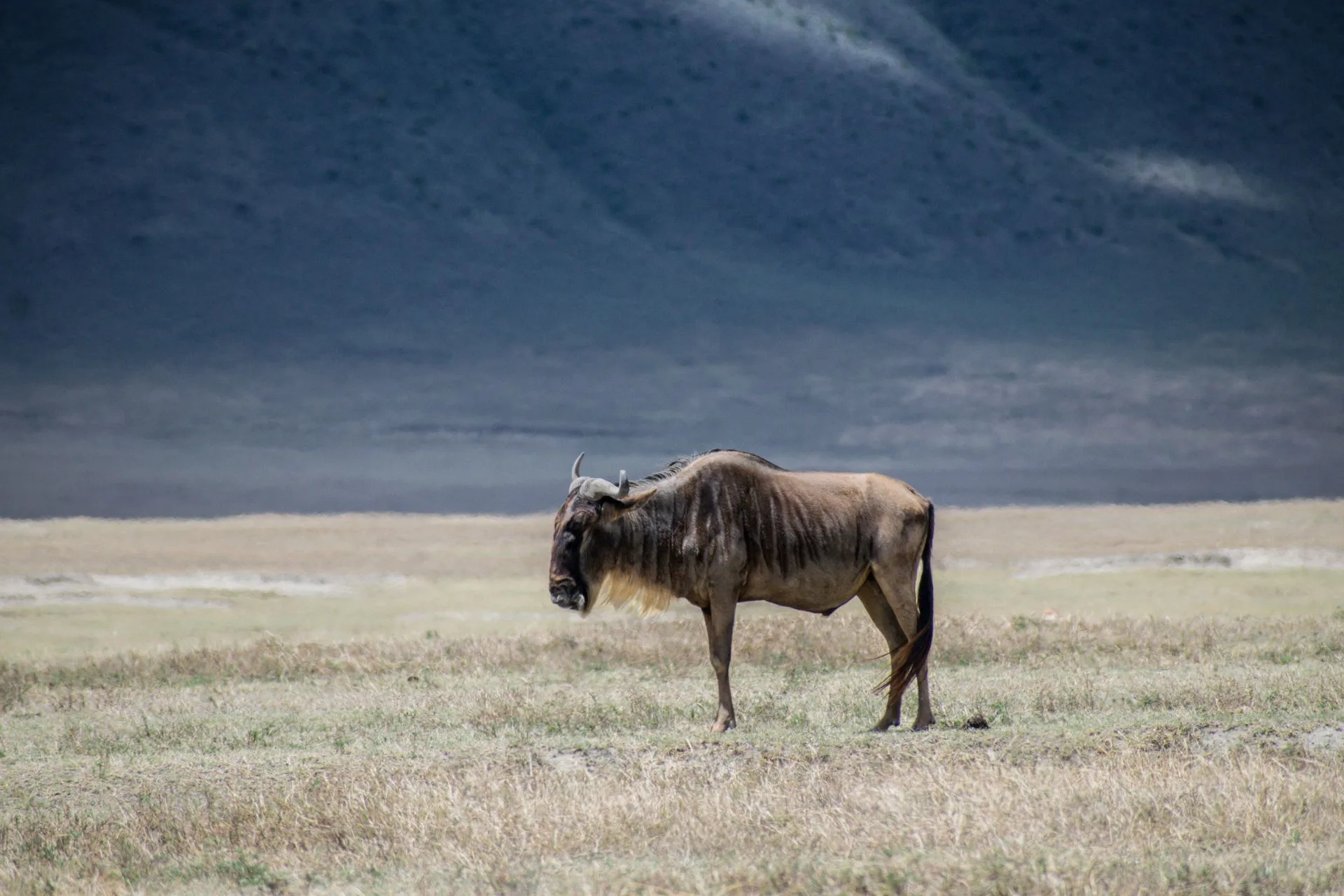 16 tours · 25 lodgesTanzaniaRoof of Africa & Beyond
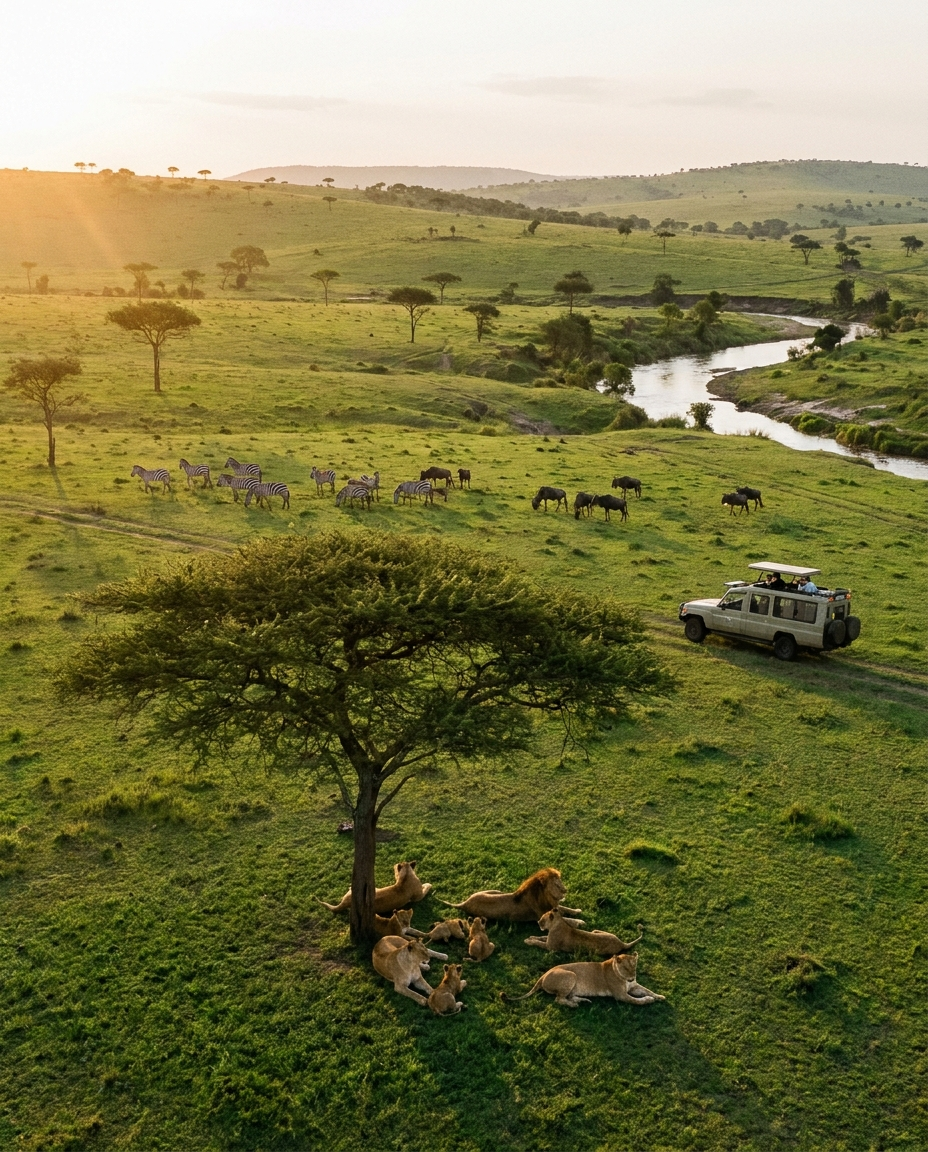 2 toursMasai MaraDiscover Masai Mara National Reserve
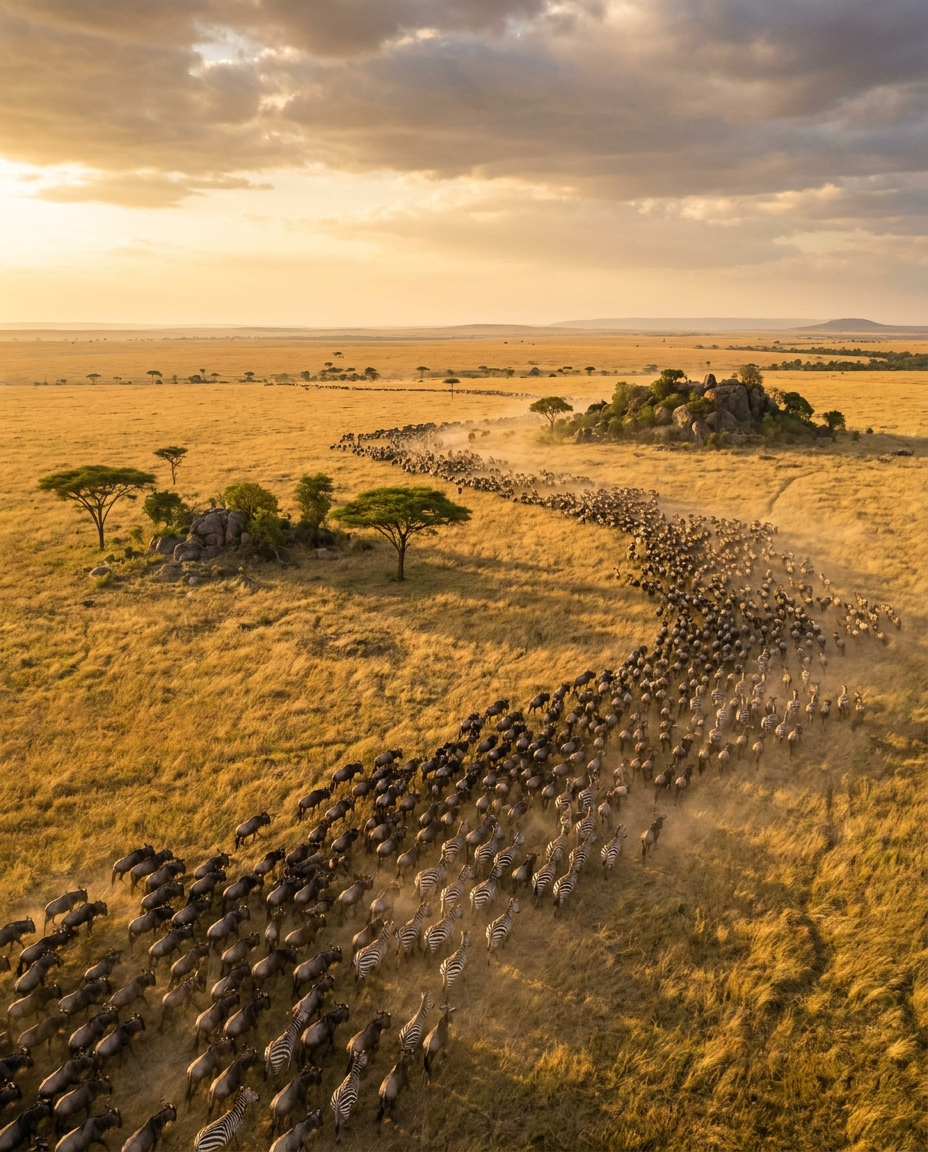 11 lodgesSerengeti National ParkDiscover Serengeti National Park
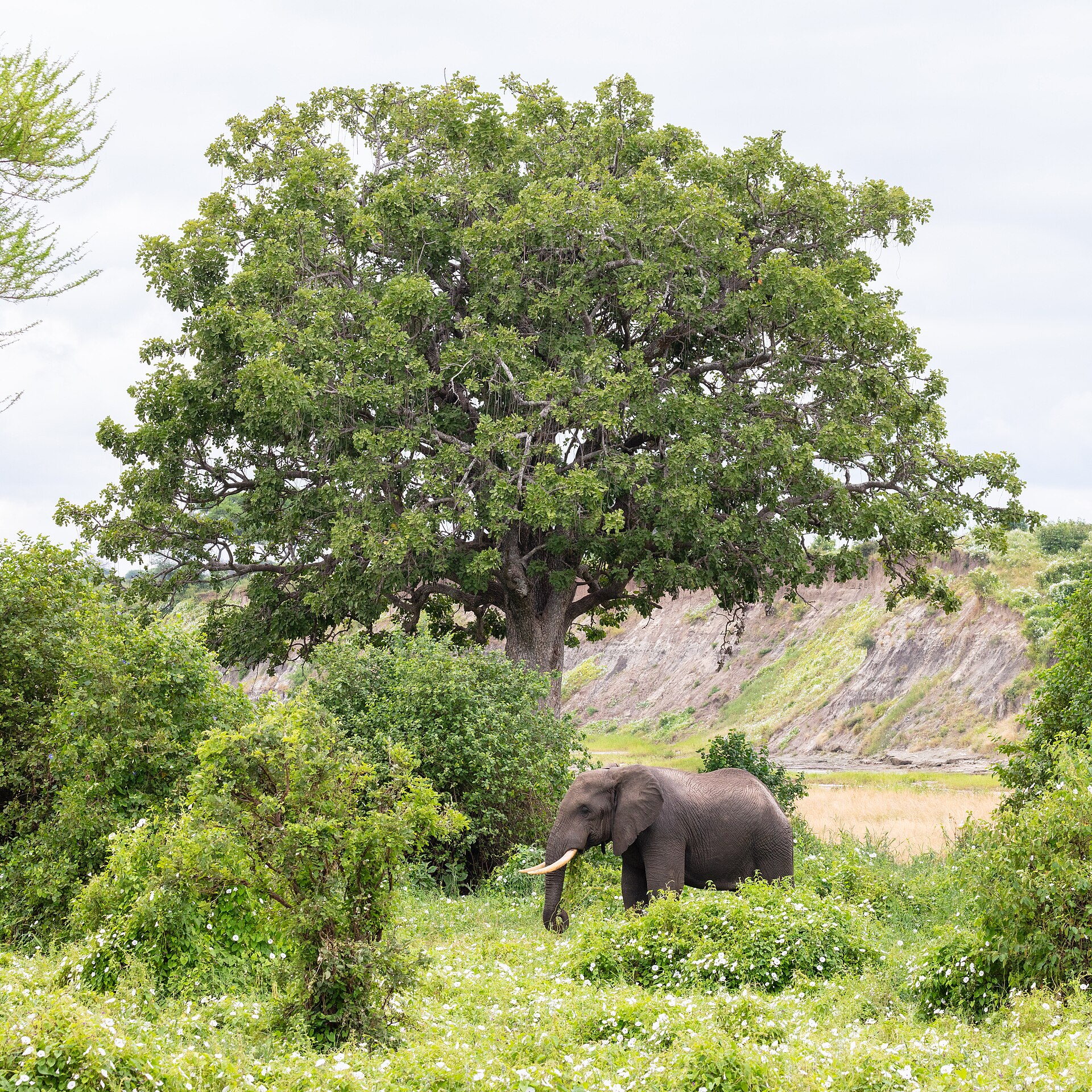 1 tour · 5 lodgesTarangire National ParkDiscover Tarangire National Park
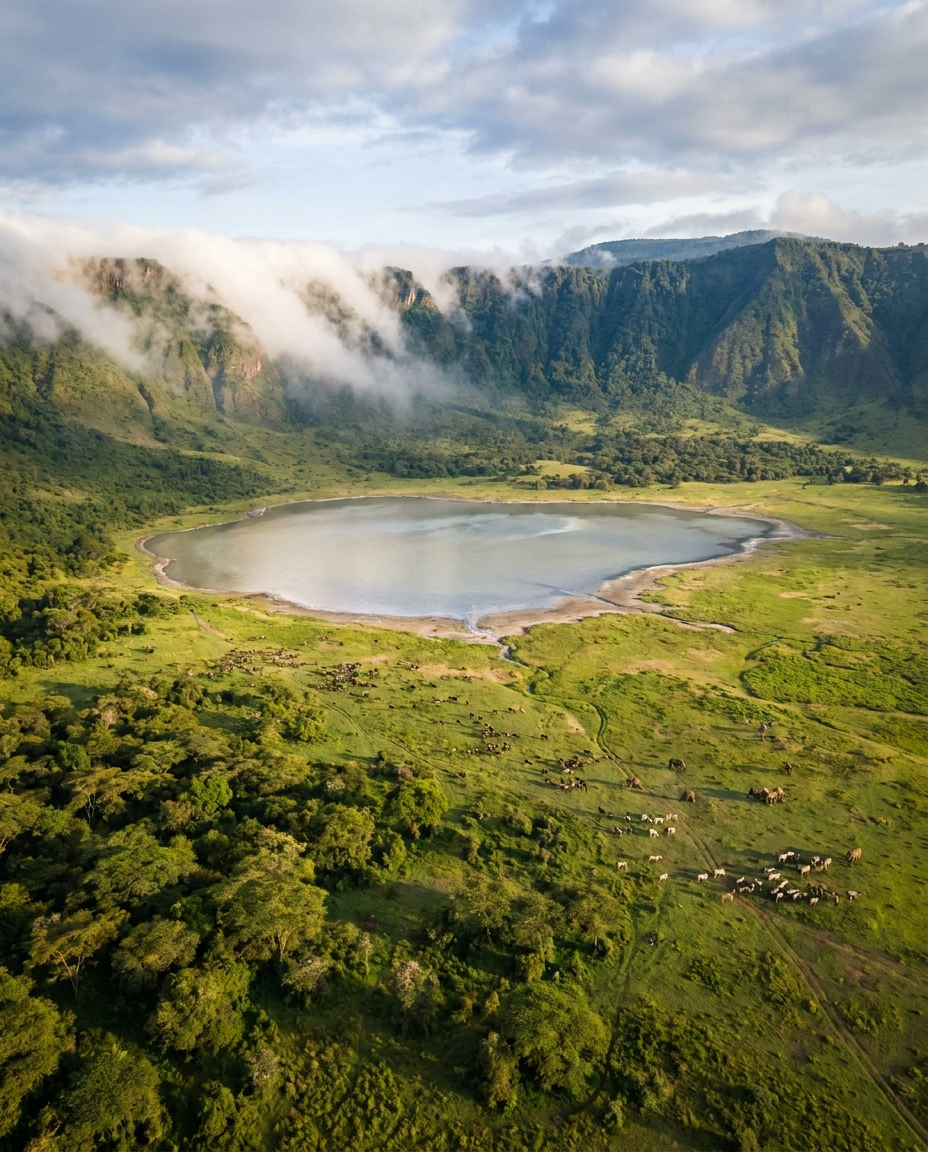 2 tours · 7 lodgesNgorongoro CraterDiscover Ngorongoro Crater
Plan with local experts
Ready to Plan Your Safari?
Compare verified operators, get instant quotes, and book your dream African safari.