Safari Night Sky Guide — Stargazing in Africa
Plan unforgettable stargazing on your African safari. Discover the best dark-sky destinations, what celestial objects to look for each month, photography tips, and essential equipment.
What You'll See in Africa's Night Sky
Africa offers some of the clearest, darkest skies on Earth. Far from city lights, at altitude, and in the southern hemisphere -- where the densest part of the Milky Way passes directly overhead -- the night sky on safari is an experience that rivals the wildlife itself. These are the celestial highlights visible from African safari camps.
The Southern Cross (Crux)
The most iconic constellation of the southern hemisphere, visible year-round from most safari destinations south of the equator. Four bright stars form a compact cross that has been used for celestial navigation for centuries. To find true south, extend the long axis of the cross 4.5 times its length downward. It appears on the flags of five nations. Best viewed from April to June when it is highest in the sky.
Milky Way Core
The galactic centre of the Milky Way -- the brightest, densest part of our galaxy -- is best viewed from the southern hemisphere between March and October. From a dark safari camp, the Milky Way stretches horizon to horizon as a luminous band so bright it casts faint shadows. The Sagittarius and Scorpius constellations frame the core. Peak visibility occurs on moonless nights between April and August.
Magellanic Clouds
The Large and Small Magellanic Clouds are satellite galaxies of the Milky Way, visible to the naked eye only from the southern hemisphere. They appear as two fuzzy, cloud-like patches in the sky, roughly 160,000 and 200,000 light-years away respectively. Named after Ferdinand Magellan, they are best observed from camps in Botswana, Namibia, and South Africa during the dry season months.
Jupiter and Saturn
Both gas giants are easily visible to the naked eye as bright, steady (non-twinkling) points of light. Through binoculars (8x42 or higher), you can resolve Jupiter's four Galilean moons as tiny dots flanking the planet. Safari guides at premium lodges increasingly offer telescope viewing evenings where Saturn's rings are clearly visible even through modest equipment.
Scorpius Constellation
Scorpius is one of the most dramatic and easily recognised constellations, and it is far more prominent from southern latitudes than from Europe or North America. The blood-red supergiant star Antares marks the scorpion's heart, while a curving chain of stars traces the tail and stinger. Visible from May to November, it arcs high across the African night sky in a way that northern-hemisphere observers never experience.
Meteor Showers
Several major meteor showers are visible from Africa annually. The Eta Aquariids (late April to early May) produce 30-40 meteors per hour from Halley's Comet debris. The Geminids (mid-December) deliver 120+ meteors per hour. The Perseids (August) are less prominent from southern latitudes but still visible. Dark safari camps with zero light pollution are among the best viewing locations on Earth.
Zodiacal Light
A faint, triangular glow visible along the ecliptic just after dusk or before dawn, caused by sunlight scattering off interplanetary dust. From dark African skies, zodiacal light can be so bright it is mistaken for a distant city glow on the horizon. It is best seen in February-March (evening, western horizon) and September-October (pre-dawn, eastern horizon). This phenomenon is almost invisible from light-polluted locations.
Satellite Passes and the ISS
On any given clear night, you will see several satellites gliding silently across the sky as steady, moving points of light. The International Space Station (ISS) is the brightest, rivalling Venus at magnitude -4. Starlink satellite trains are increasingly visible as strings of lights in the first hour after sunset. Apps like ISS Detector or Heavens-Above can predict visible passes for your exact camp location.
Why Africa Has the Best Stargazing
Three factors converge to make sub-Saharan Africa one of the finest stargazing destinations on the planet: minimal light pollution, high altitude, and a southern-hemisphere vantage point that reveals the richest quadrant of the Milky Way.
Light pollution is nearly absent. The vast majority of Africa's safari parks and reserves are located hundreds of kilometres from the nearest city. The NamibRand Nature Reserve in Namibia holds Gold-tier International Dark Sky Reserve status, with measured sky darkness levels (Bortle Class 1) that no longer exist anywhere in Western Europe or the eastern United States. Even camps in busier destinations like the Serengeti or Masai Mara sit far enough from urban centres that the Milky Way is visible to the naked eye on any clear night.
Altitude amplifies clarity. Many safari destinations sit at 1,000 to 2,000 metres above sea level. The Ngorongoro Crater rim is at 2,235m, the Laikipia Plateau in Kenya at 1,700 to 2,600m, and the Drakensberg escarpment in South Africa at 2,000 to 3,000m. Higher altitude means less atmospheric distortion, less water vapour, and thinner air -- all of which sharpen starlight and increase the number of visible stars. Dry-season skies at altitude can reveal 3,000+ stars to the naked eye versus 200 to 300 from a suburban backyard.
The southern hemisphere reveals the best of the galaxy. The galactic centre of the Milky Way -- the brightest, most star-dense region -- passes almost directly overhead from latitudes between 20 and 30 degrees south (Botswana, Namibia, Zimbabwe, northern South Africa). Northern-hemisphere observers never see this region above a low, light-polluted horizon. The Southern Cross, the Magellanic Clouds, Alpha Centauri (the nearest star system to Earth), and Omega Centauri (the largest globular cluster visible to the naked eye) are all exclusively or preferentially southern-sky objects.
Many luxury safari camps and lodges now incorporate stargazing into the guest experience. Guides trained in southern-hemisphere astronomy lead after-dinner sky tours, pointing out constellations, planets, and deep-sky objects with green laser pointers. Some camps offer telescope evenings where guests can view Saturn's rings, Jupiter's moons, and the Orion Nebula. A handful of properties -- particularly in Namibia and the South African Karoo -- have partnered with professional astronomers to build dedicated observation decks with research-grade equipment.
Best Stargazing Destinations in Africa
These five destinations combine exceptional sky darkness with world-class safari or wilderness experiences, making them the premier locations for night-sky observation on the continent.
NamibRand Nature Reserve, Namibia
Africa's only Gold-tier International Dark Sky Reserve
$400-$1,200/night
Makgadikgadi Pans, Botswana
Infinite horizon, zero light pollution
$600-$1,800/night
Central Serengeti, Tanzania
Wildlife by day, galaxy by night
$500-$2,500/night
Laikipia Plateau, Kenya
High altitude, private conservancies, pristine skies
$400-$1,500/night
Drakensberg Mountains, South Africa
Mountain altitude meets dark-sky awareness
$150-$600/night
Bookable with local operators
Popular safari tours

Inspirations Africa
Verified8-Day Luxury Kenya Safari: Nairobi, Ol Pejeta & Masai Mara
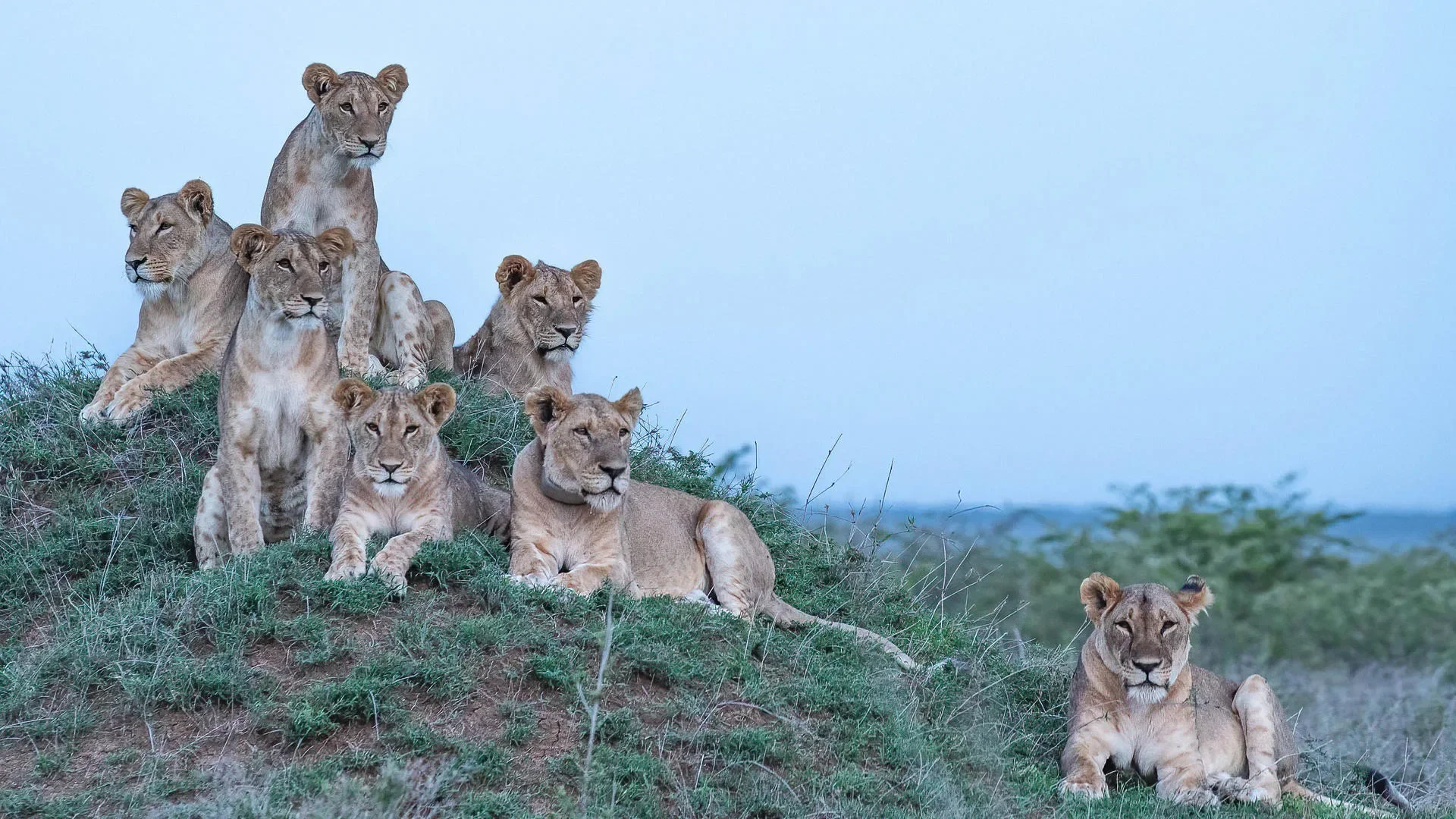
Luxury on safari is not about thread counts. It is about where you wake up, who guides you and the moments that take your breath away. This 8-day journey pairs Kenya's finest lodges with its most wildlife-rich destinations. Begin at the Fairmont The Norfolk in Nairobi, then head to Ol Pejeta Conservancy in Laikipia for three nights at Sanctuary Tambarare Camp, with rhino tracking, the endangered species enclosures and walking safaris with armed Maasai guides that bring you within metres of grazing zebra and giraffe. Fly to the Masai Mara for three nights at andBeyond Kichwa Tembo with a private guide who has tracked the resident lion prides for over a decade, big cat tracking, bush dinners under the Milky Way and an optional hot air balloon safari. Internal flights mean no long road transfers, and all house drinks and laundry are included.
From $9,800 /person
Inspirations Africa
Verified8-Day Kilimanjaro Climb via Lemosho Route
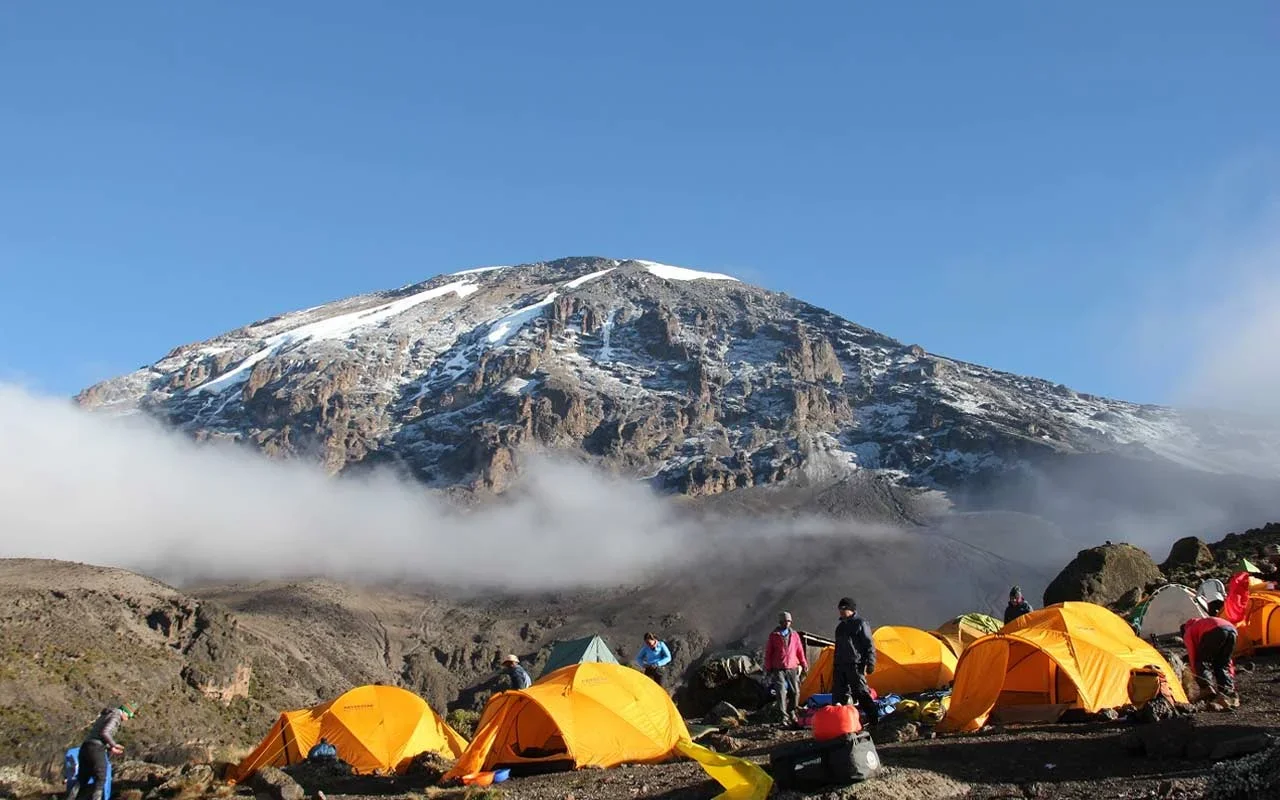
Widely regarded as the most beautiful approach to Kilimanjaro, the Lemosho Route starts on the quiet western side at Londorossi Gate and crosses rainforest, the Shira Plateau and the famous Barranco Wall scramble before summit night to Uhuru Peak at 5,895m. The 8-day profile gives one of the strongest acclimatisation schedules on the mountain, with a 95%+ summit success rate and fewer crowds than Machame or Marangu. Your climb is led by a licensed mountain guide with assistant guides at a 1:2 ratio, porters and a cook, with 4-season tents, portable toilet, pulse oximeter checks and all meals on the mountain. Two hotel nights in Moshi before and after the climb, plus airport transfers, are included. Good fitness is recommended; no technical climbing skills are needed.
From $2,650 /person
Inspirations Africa
Verified4-Day Fly-In Serengeti Safari by Bush Plane
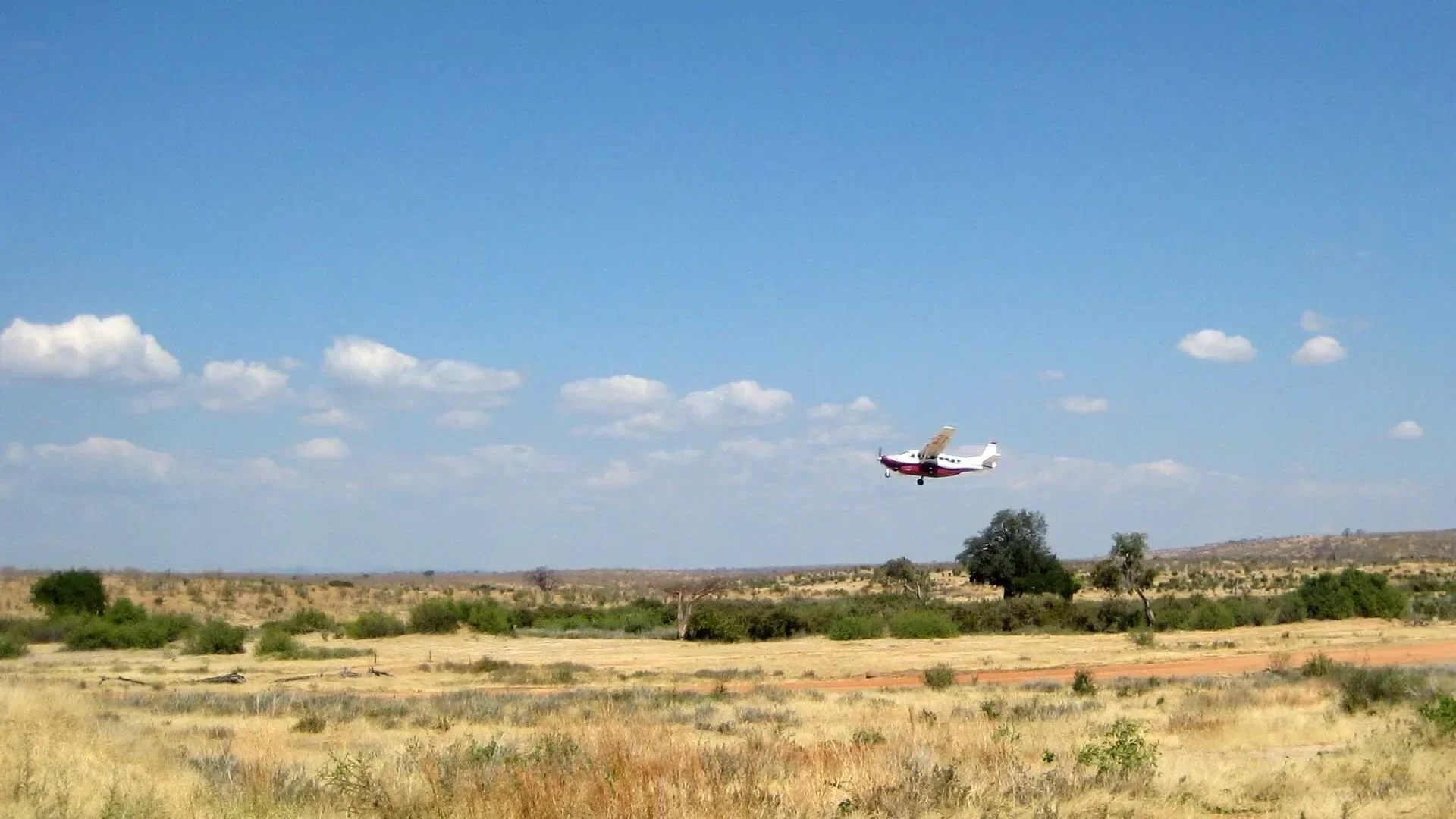
This fly-in safari eliminates the long overland drive from Arusha and gets you to the Serengeti in 90 minutes by bush plane. The flight itself is spectacular, soaring over the Ngorongoro highlands, the Great Rift Valley and the Serengeti's endless plains before landing on a grass airstrip. On the ground you enjoy unlimited game drives from a luxury camp positioned in the prime wildlife corridor: lions, leopards, cheetahs and, in season, the Great Migration herds. Three nights of full-board luxury, sundowners over the plains and a farewell bush dinner, then fly back to Arusha on the final morning. Ideal for travellers short on time who want maximum Serengeti with minimum transit.
From $3,450 /person
Inspirations Africa
Verified7-Day Great Migration Safari: Ngorongoro Crater & Serengeti
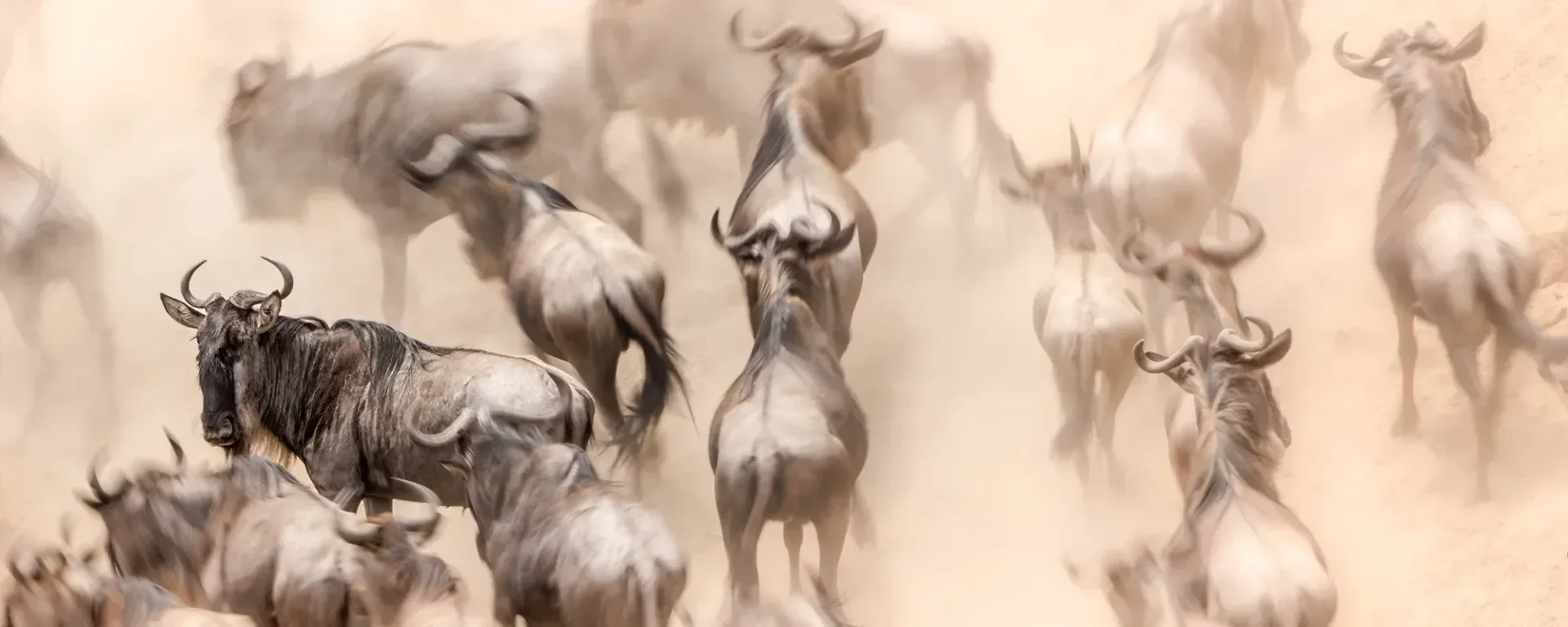
Over two million wildebeest, half a million zebra and hundreds of thousands of gazelle: the Great Migration is the largest overland movement of mammals on Earth, and this 7-day luxury safari puts you at its heart. Begin in Arusha, then descend into the Ngorongoro Crater for the Big Five in one of the world's most concentrated wildlife arenas. Continue to the Serengeti, where your guide tracks the herds by season: Mara River crossings with crocodile ambushes from June to October, or the southern calving grounds with 8,000 births a day from December to March. Luxury tented camps move with the herds so you are always in the right place, and between the mega-herds the Serengeti delivers Africa's finest predator action: lion prides, cheetah coalitions, leopards in sausage trees and hyena clans. Optional dawn hot air balloon safari available.
From $5,950 /person
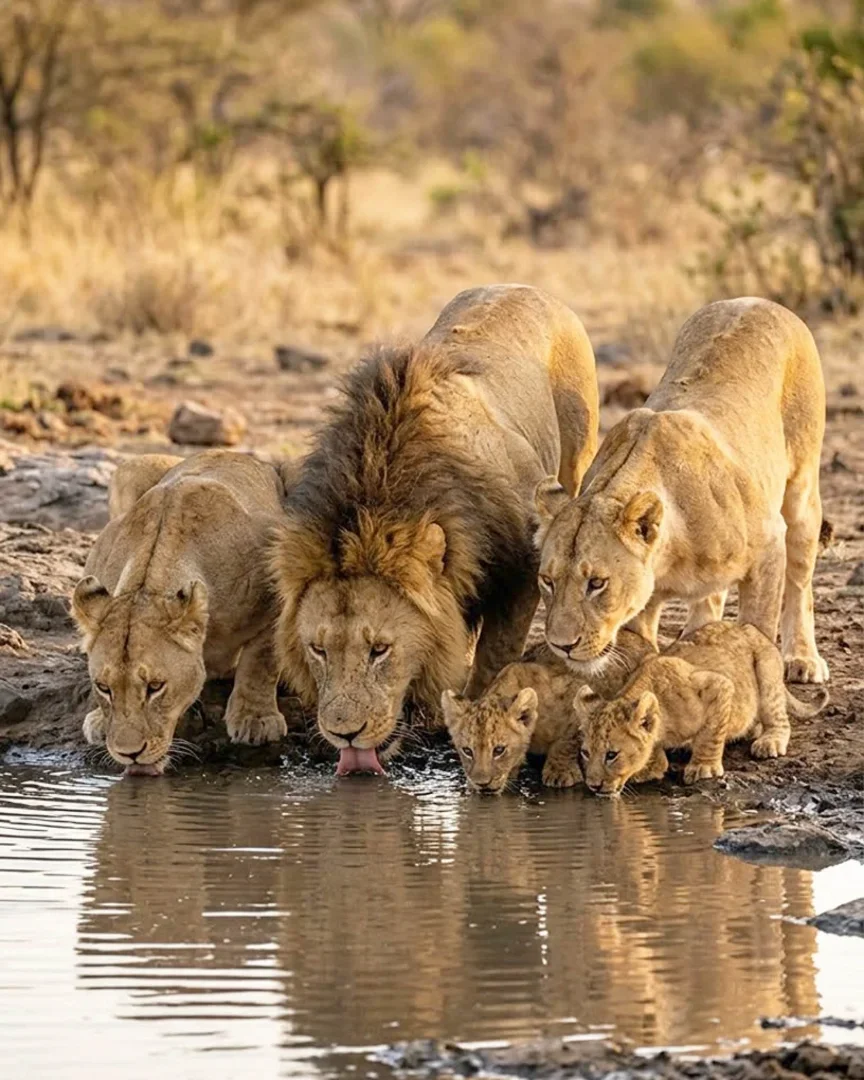
VELMARA SAFARIS
Verified8-Day Kenya & Tanzania Mid-Range Big Five Safari
Experience the raw beauty of East Africa on this eight-day journey through Kenya's most iconic wildlife destination. You'll spend your days in Amboseli National Park, where vast plains stretch beneath the snow-capped peak of Mount Kilimanjaro. This is prime territory for encountering Africa's Big Five, and you'll have excellent chances to spot elephants, lions, leopards, buffalo, and rhinos as they move across the landscape. Your safari combines game drives through diverse habitats with comfortable mid-range accommodation, striking the perfect balance between authentic wilderness experience and practical comfort. This adventure is designed for travelers who want genuine wildlife encounters without compromising on quality rest between days. You'll wake early for morning drives when animals are most active, then return to your lodge for a break before afternoon expeditions.
From $3,450 /person
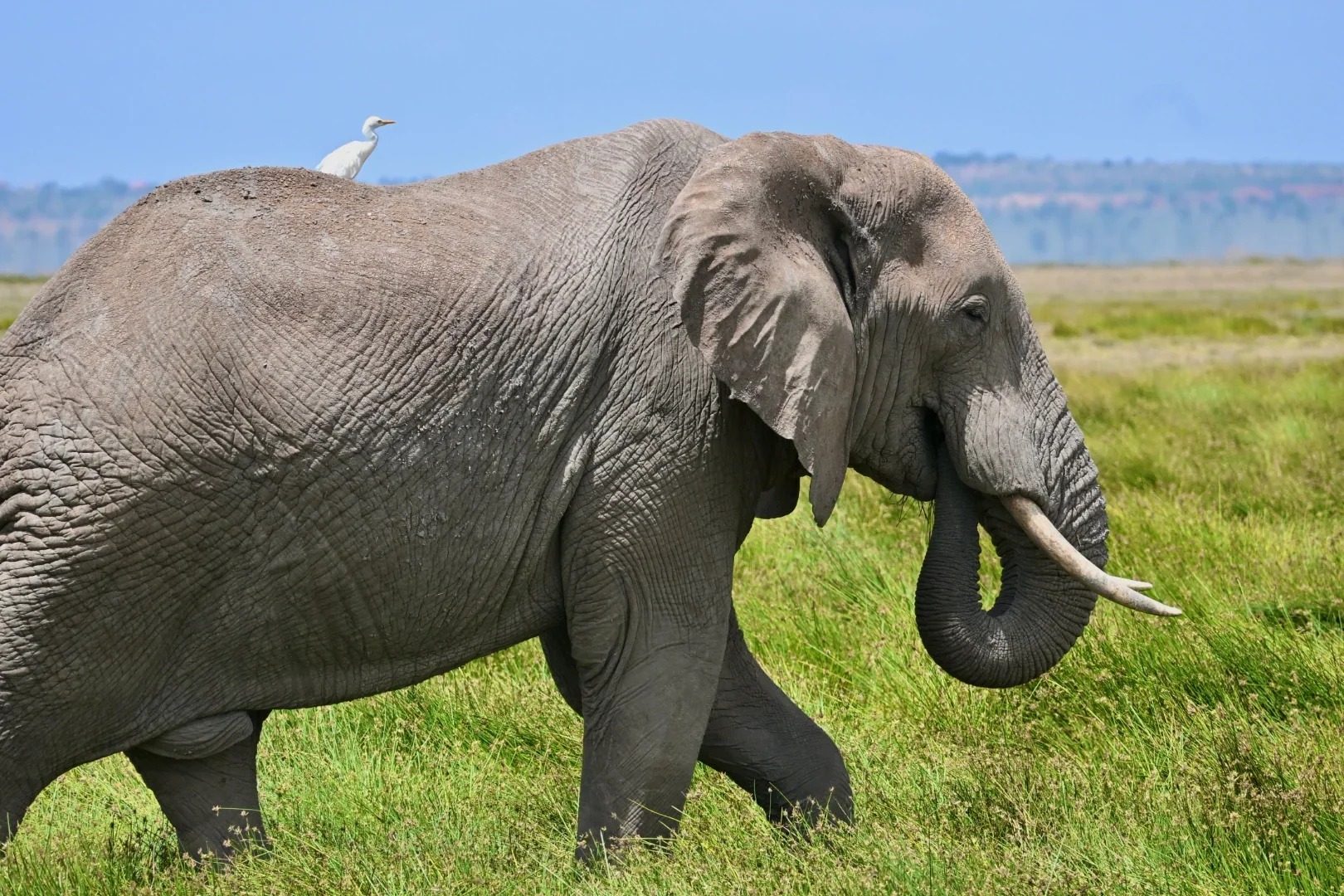
VELMARA SAFARIS
Verified6-Day Amboseli NP, Lake Nakuru & Masai Mara Luxury Tour
This six-day journey takes you through Kenya's most iconic landscapes, combining the raw beauty of Amboseli National Park with the birdwatching paradise of Lake Nakuru and the legendary wildlife abundance of Masai Mara. Each destination offers distinct ecosystems and unforgettable encounters with Africa's incredible fauna and flora. You'll experience the full spectrum of what makes Kenya a world-class safari destination, from intimate wildlife viewing to breathtaking scenery. Throughout your tour, you'll enjoy luxury accommodation at carefully selected lodges that blend comfort with authentic safari experiences. Early morning and afternoon game drives put you in prime position to spot the area's diverse wildlife, while expert guides share their deep knowledge of the ecosystems and animal behavior. This carefully crafted itinerary balances adventure with relaxation, ensuring you leave with memories that will last a lifetime.
From $2,700 /person
Where to go
Explore the destinations
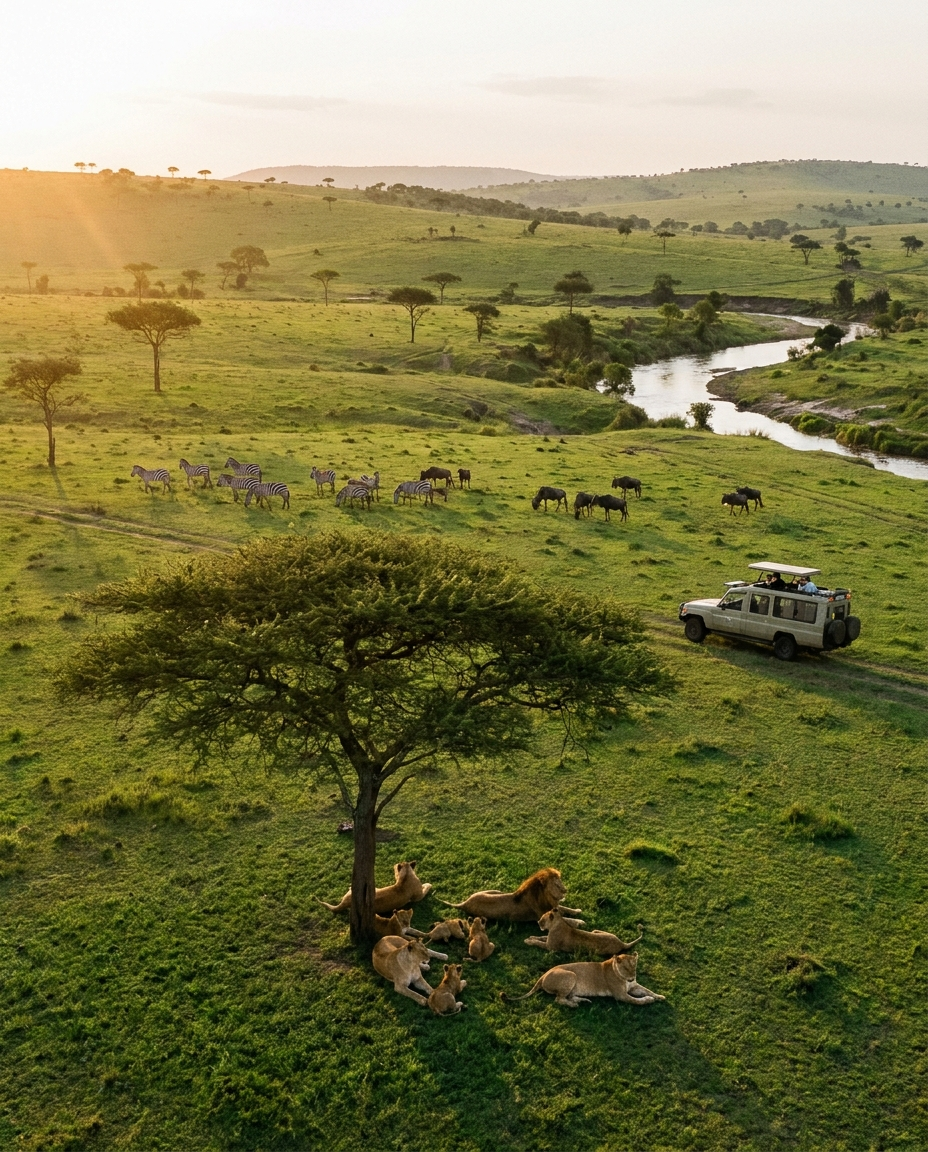 2 toursMasai MaraDiscover Masai Mara National Reserve
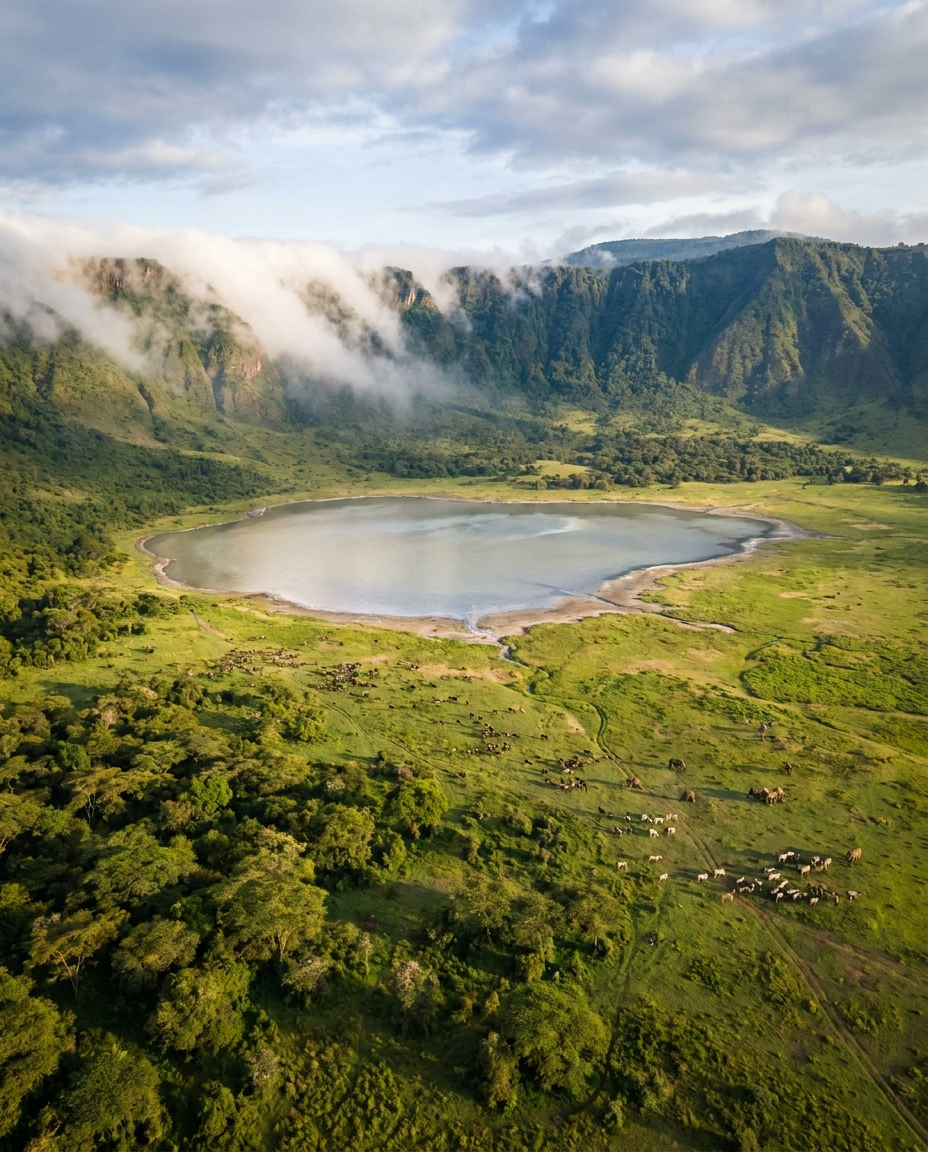 2 tours · 7 lodgesNgorongoro CraterDiscover Ngorongoro Crater
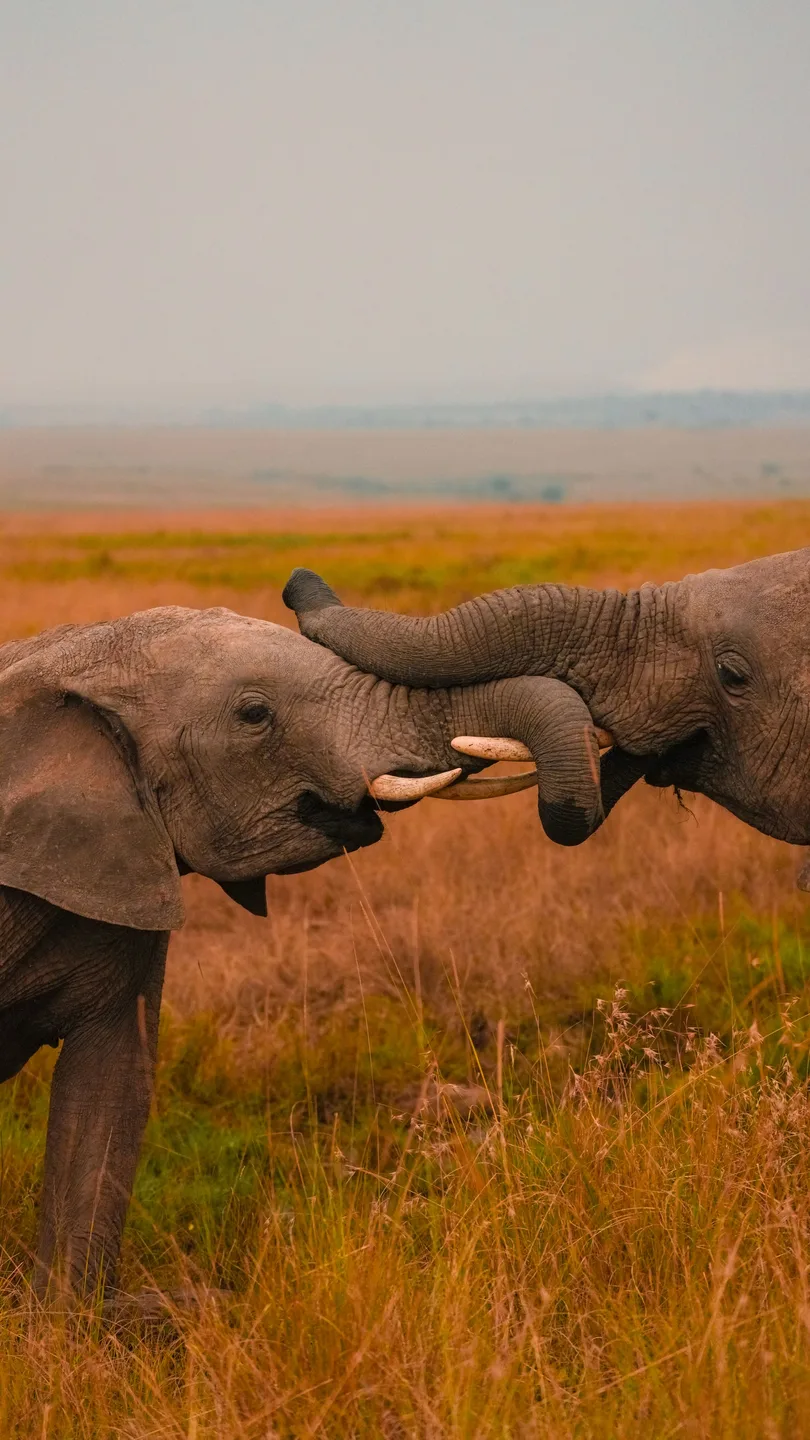 3 toursKenyaThe Original Safari
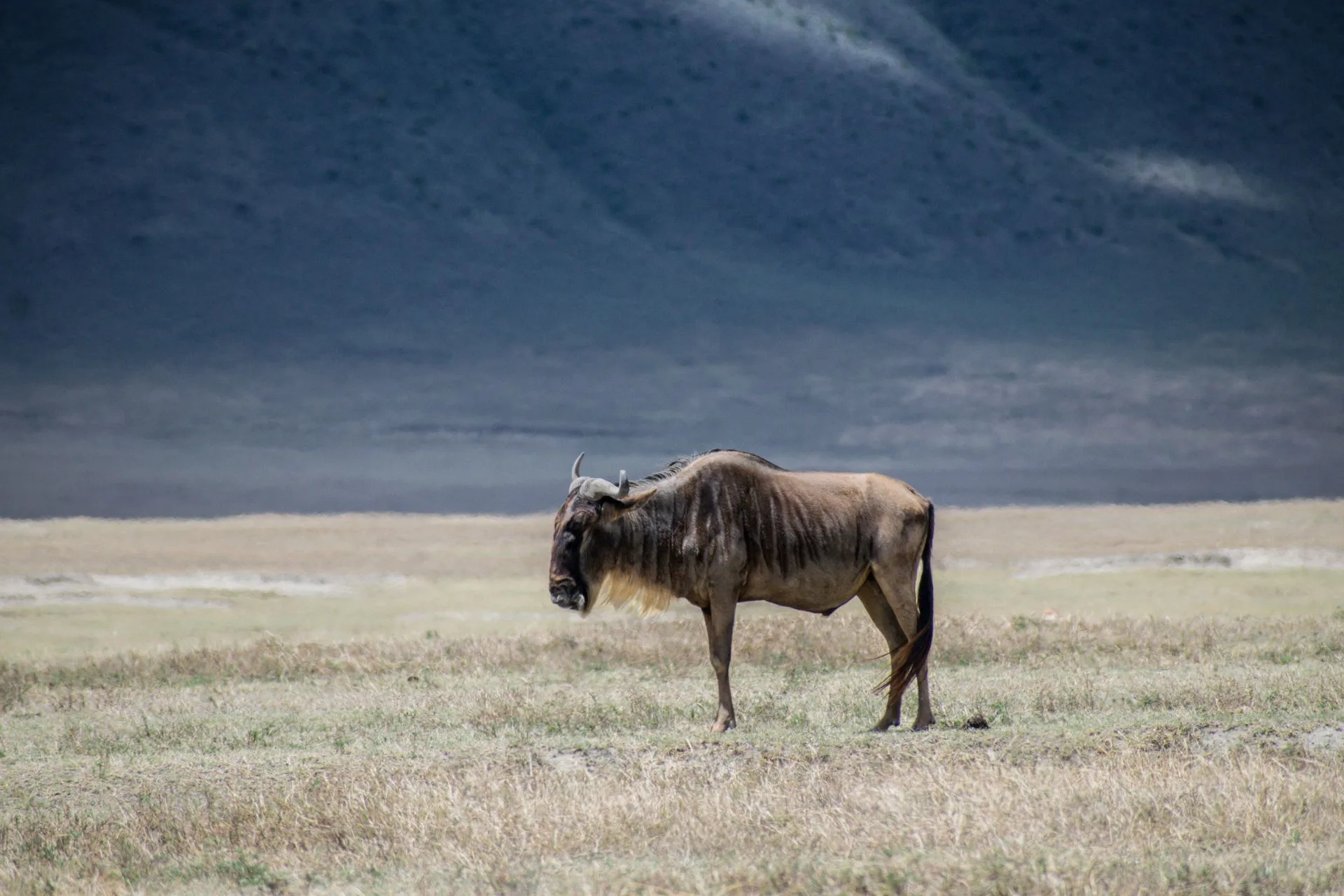 16 tours · 25 lodgesTanzaniaRoof of Africa & Beyond
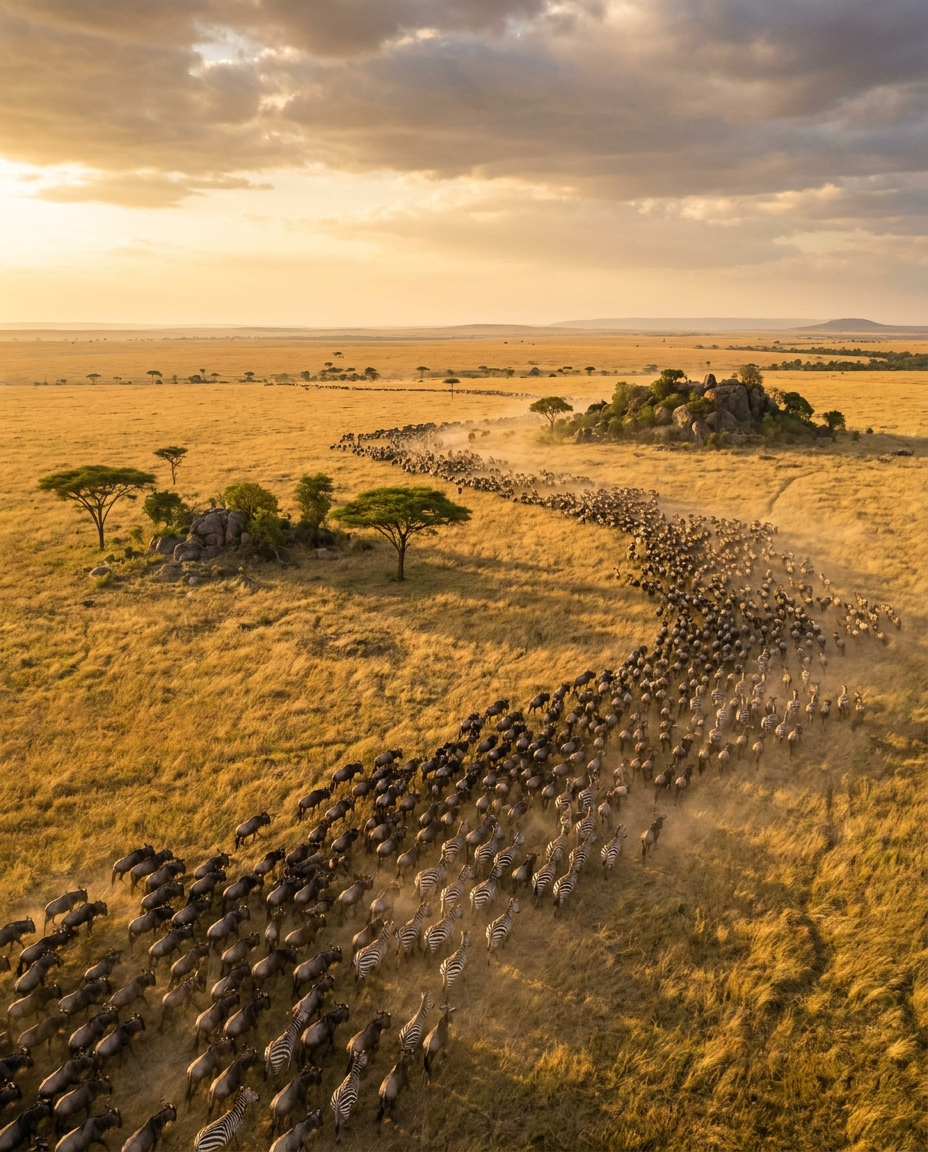 11 lodgesSerengeti National ParkDiscover Serengeti National Park
 15 tours · 24 lodgesNorthern CircuitThe Classic Safari Route
Plan with local experts
Ready to Plan Your Safari?
Compare verified operators, get instant quotes, and book your dream African safari.