Safari Cuisine Guide — African Camp Food & Bush Dining
Discover the incredible food experiences on African safaris. From bush breakfasts to boma dinners, learn about camp cuisine, local dishes, and dietary accommodations.
Regional Dishes and Food Experiences
African safari cuisine ranges from hearty bush breakfasts cooked over open flame to gourmet multi-course dinners under the stars. Each region brings its own culinary traditions to the safari table.
Nyama Choma (East Africa)
Kenya and Tanzania's most beloved dish — slow-roasted goat or beef, seasoned simply with salt and cooked over charcoal until the exterior is charred and the interior tender. Served with ugali (maize meal) and kachumbari (fresh tomato and onion salad). Found at every roadside grill and many safari lodges.
Ugali and Sukuma Wiki (East Africa)
Ugali is dense, steamed maize flour that serves as the starch base of most East African meals. Sukuma wiki ("stretch the week") is braised collard greens with onion and tomato. Simple, filling, and ubiquitous from Nairobi street corners to camp staff canteens. You will encounter this daily.
Braai (Southern Africa)
The South African braai (barbecue) is a cultural institution. Boerewors (coiled beef-and-pork sausage), lamb chops, sosaties (marinated kebabs), and steak grilled over hardwood coals. Many safari lodges in Kruger, Sabi Sand, and the Waterberg host boma dinners centred around the braai pit.
Bobotie (South Africa)
A Cape Malay dish of spiced minced meat (lamb or beef) baked with an egg-custard topping. Flavoured with turmeric, curry, and chutney, served with yellow rice and raisins. Originated in Cape Town but served across South Africa, including many lodge kitchens.
Biltong and Droewors (Southern Africa)
Air-dried, cured meat — South Africa's answer to jerky, but with a distinct vinegar-and-coriander flavour profile. Biltong is sliced thick; droewors is a dried sausage. Common as a sundowner snack on game drives across South Africa, Botswana, Namibia, and Zimbabwe.
Kapenta (Zambia/Zimbabwe)
Tiny dried sardine-like fish from Lake Kariba and Lake Tanganyika, fried crispy with tomato, onion, and groundnut powder. A protein staple across Zambia and Zimbabwe. Served at camps along the Zambezi and Lower Zambezi, particularly on community-visit excursions.
Potjiekos (Southern Africa)
A traditional Afrikaner stew slow-cooked in a three-legged cast-iron pot over coals. Layers of meat, vegetables, and starches cook for hours without stirring. Common at camp braai nights across South Africa, Botswana, and Namibia. Each potjie is unique to the cook.
Zanzibar Spice Cuisine (Tanzania)
Zanzibar's food reflects centuries of Arab, Indian, and Swahili influence. Signature dishes include pilau (spiced rice with meat), biryani, urojo (Zanzibar mix soup), and freshly grilled seafood with coconut-chilli sauce. A Zanzibar beach extension after a mainland safari is a culinary highlight.
Injera and Wot (Ethiopia)
Spongy, fermented teff flatbread served with spiced stews (wot). Doro wot (chicken) and misir wot (red lentil) are staples. Eaten communally by tearing injera and scooping stew. Ethiopian lodges in the Omo Valley and Simien Mountains serve this at every meal.
Bush Breakfast
A quintessential safari ritual. After an early morning game drive, your vehicle stops at a scenic spot where camp staff have set up a full breakfast in the bush — eggs, bacon, sausages, fresh fruit, pastries, and coffee, often cooked over a gas burner or open fire under an acacia tree.
Sundowner Drinks
As the sun sets, safari vehicles stop at a scenic viewpoint where guides set up a portable bar. Gin and tonic (the traditional choice — quinine was used as an antimalarial), local beer, and South African wine are standard. The best sundowner spots include Okavango floodplains and Serengeti kopjes.
Boma Dinner
An open-air dinner around a central fire pit (boma), common at lodges across East and Southern Africa. Multi-course meals served buffet-style under a canopy of stars, often with traditional drumming or local cultural performances. Most memorable at remote bush camps where light pollution is zero.
Food Culture on Safari
Food on safari is far more than fuel — it structures the entire day. The rhythm of a safari revolves around meals: an early-morning coffee and rusk before the dawn game drive, a bush breakfast mid-morning, a substantial lunch back at camp, afternoon tea before the evening drive, and a multi-course dinner after dark.
At luxury camps, the standard of cuisine is genuinely exceptional. Head chefs at properties across the Okavango Delta, Serengeti, and Sabi Sand produce dishes that rival fine-dining restaurants in major cities — baked camembert starters, slow-braised kudu shanks, tarte tatin desserts — all prepared in kitchens that may be hundreds of kilometres from the nearest town. The logistics of supplying these kitchens are extraordinary, with fresh produce often flown in on the same light aircraft that bring guests.
Mid-range camps serve hearty, well-prepared food centred on local ingredients. Expect fresh-baked bread, seasonal vegetables, grilled meats, and simple but well-executed desserts. Portion sizes are generous, and most camps accommodate dietary requirements (vegetarian, vegan, gluten-free, halal) with advance notice.
Beyond the lodge kitchen, food connects visitors to local culture. Many safari itineraries include a community visit where guests eat with local families, visit markets, or participate in cooking demonstrations. In Zanzibar, spice farm tours are a culinary highlight. In the Masai Mara, Maasai communities share tea ceremonies. In South Africa, township food tours introduce visitors to bunny chow, vetkoek, and pap.
For travellers with dietary restrictions, Africa is generally accommodating but advance communication is essential. Remote camps have limited ability to source specialty ingredients on short notice. Notify your operator at least two weeks before arrival, and bring any critical items (specific protein bars, allergy medication) with you.
Food Tips for Safari Travellers
Communicate dietary needs early
Inform your lodge or operator at least two weeks before arrival about any allergies, intolerances, or dietary preferences. Remote camps order supplies days in advance and may not be able to accommodate last-minute requests. Most camps handle vegetarian and gluten-free well; vegan and kosher may require more lead time.
Drink bottled or filtered water
Tap water is not reliably safe across most safari destinations. All reputable camps provide bottled, filtered, or UV-treated drinking water. Carry a reusable bottle that the camp can refill — it reduces plastic waste and ensures you stay hydrated on game drives.
Try local food outside the lodge
Lodge food caters to international palates. For authentic regional cuisine, seek out local restaurants in gateway towns — Arusha for Tanzanian food, Maun for Botswana, Livingstone for Zambian dishes, Hoedspruit for South African braai. This is where you taste the real food culture.
Pace yourself at meals
Safari days involve long periods of sitting in vehicles between large meals. It is easy to overeat. Lodges serve multiple courses at dinner and generous breakfasts. Eat well at breakfast (the game drive burns energy), go lighter at lunch, and enjoy dinner without overdoing it.
Bring snacks for long transfers
Transfers between parks or camps can take 4 to 8 hours on rough roads. While most operators provide a packed lunch or snack box, bringing your own energy bars, nuts, or dried fruit is a good backup — especially if you have dietary restrictions.
Tipping kitchen staff is appreciated
Safari lodge staff tips are usually pooled, but specifically mentioning the kitchen team in your feedback or tip envelope is meaningful. These chefs produce remarkable food in challenging conditions — wood-fired ovens, generator power, and supply chains measured in bush-plane flights.
Bookable with local operators
Popular safari tours

Inspirations Africa
Verified8-Day Luxury Kenya Safari: Nairobi, Ol Pejeta & Masai Mara
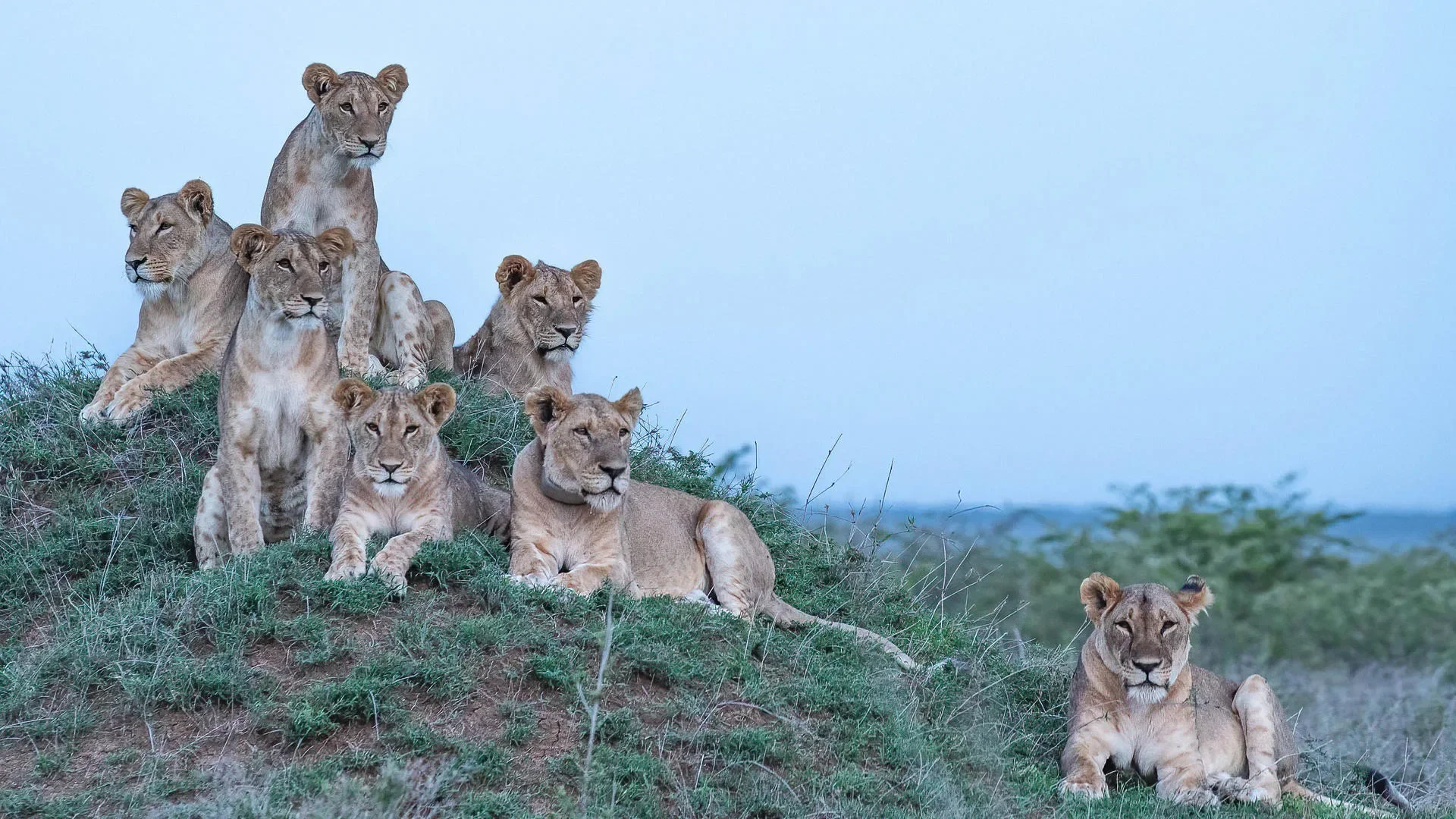
Luxury on safari is not about thread counts. It is about where you wake up, who guides you and the moments that take your breath away. This 8-day journey pairs Kenya's finest lodges with its most wildlife-rich destinations. Begin at the Fairmont The Norfolk in Nairobi, then head to Ol Pejeta Conservancy in Laikipia for three nights at Sanctuary Tambarare Camp, with rhino tracking, the endangered species enclosures and walking safaris with armed Maasai guides that bring you within metres of grazing zebra and giraffe. Fly to the Masai Mara for three nights at andBeyond Kichwa Tembo with a private guide who has tracked the resident lion prides for over a decade, big cat tracking, bush dinners under the Milky Way and an optional hot air balloon safari. Internal flights mean no long road transfers, and all house drinks and laundry are included.
From $9,800 /person
Inspirations Africa
Verified8-Day Kilimanjaro Climb via Lemosho Route
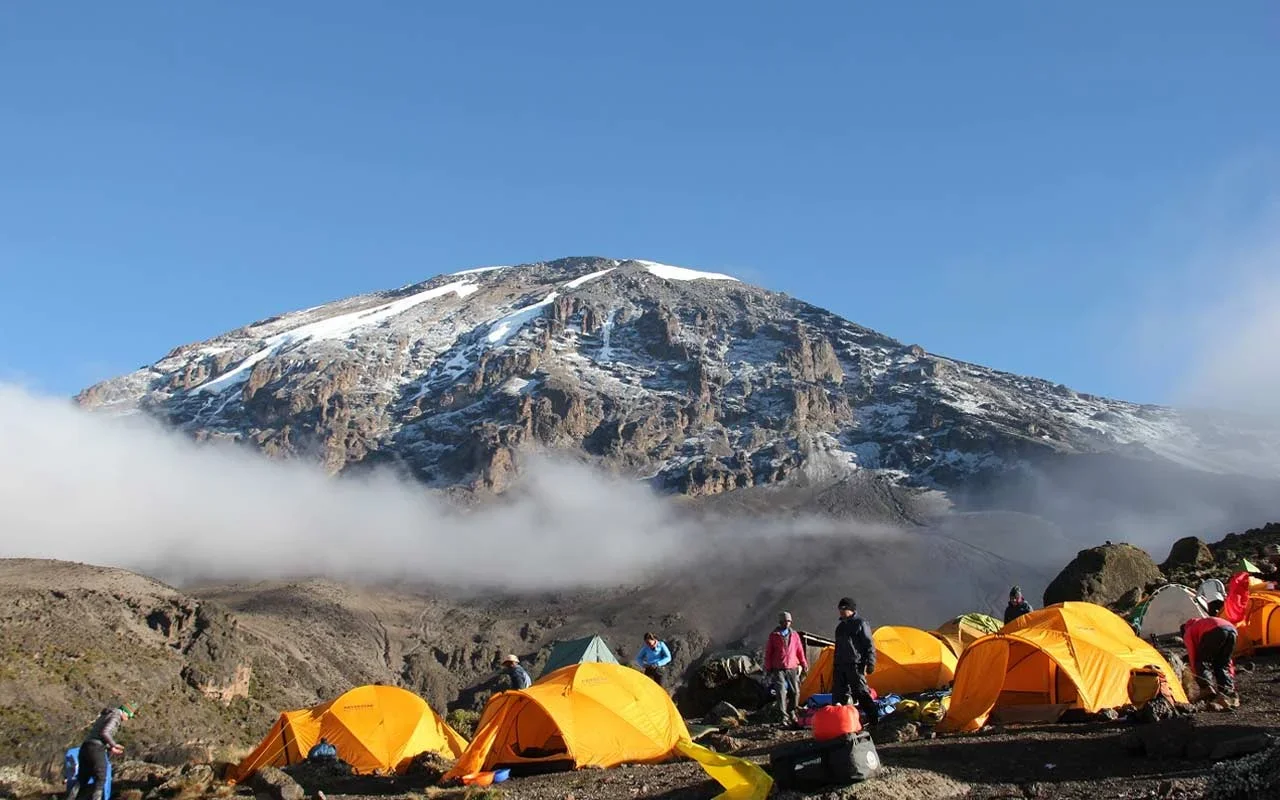
Widely regarded as the most beautiful approach to Kilimanjaro, the Lemosho Route starts on the quiet western side at Londorossi Gate and crosses rainforest, the Shira Plateau and the famous Barranco Wall scramble before summit night to Uhuru Peak at 5,895m. The 8-day profile gives one of the strongest acclimatisation schedules on the mountain, with a 95%+ summit success rate and fewer crowds than Machame or Marangu. Your climb is led by a licensed mountain guide with assistant guides at a 1:2 ratio, porters and a cook, with 4-season tents, portable toilet, pulse oximeter checks and all meals on the mountain. Two hotel nights in Moshi before and after the climb, plus airport transfers, are included. Good fitness is recommended; no technical climbing skills are needed.
From $2,650 /person
Inspirations Africa
Verified4-Day Fly-In Serengeti Safari by Bush Plane
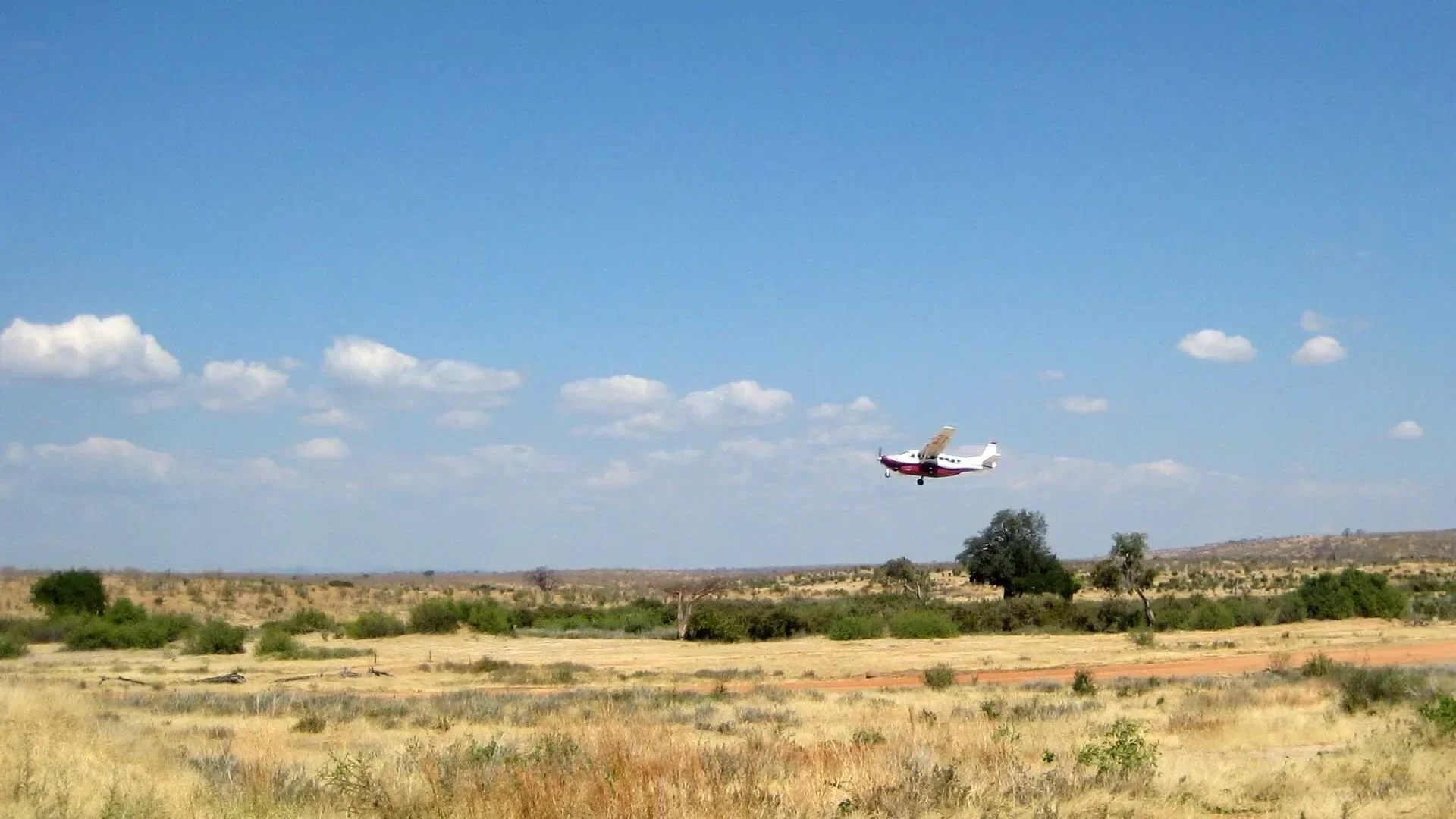
This fly-in safari eliminates the long overland drive from Arusha and gets you to the Serengeti in 90 minutes by bush plane. The flight itself is spectacular, soaring over the Ngorongoro highlands, the Great Rift Valley and the Serengeti's endless plains before landing on a grass airstrip. On the ground you enjoy unlimited game drives from a luxury camp positioned in the prime wildlife corridor: lions, leopards, cheetahs and, in season, the Great Migration herds. Three nights of full-board luxury, sundowners over the plains and a farewell bush dinner, then fly back to Arusha on the final morning. Ideal for travellers short on time who want maximum Serengeti with minimum transit.
From $3,450 /person
Inspirations Africa
Verified7-Day Great Migration Safari: Ngorongoro Crater & Serengeti
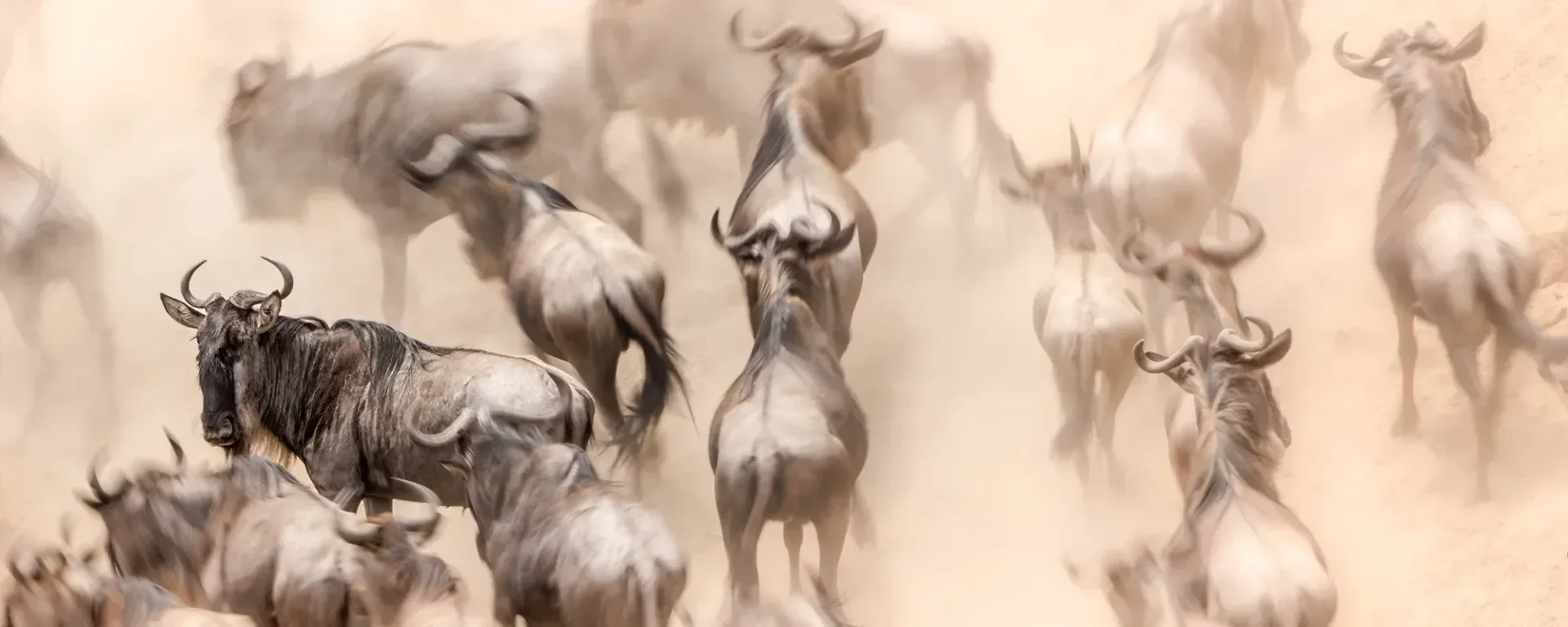
Over two million wildebeest, half a million zebra and hundreds of thousands of gazelle: the Great Migration is the largest overland movement of mammals on Earth, and this 7-day luxury safari puts you at its heart. Begin in Arusha, then descend into the Ngorongoro Crater for the Big Five in one of the world's most concentrated wildlife arenas. Continue to the Serengeti, where your guide tracks the herds by season: Mara River crossings with crocodile ambushes from June to October, or the southern calving grounds with 8,000 births a day from December to March. Luxury tented camps move with the herds so you are always in the right place, and between the mega-herds the Serengeti delivers Africa's finest predator action: lion prides, cheetah coalitions, leopards in sausage trees and hyena clans. Optional dawn hot air balloon safari available.
From $5,950 /person
VELMARA SAFARIS
Verified8-Day Kenya & Tanzania Mid-Range Big Five Safari
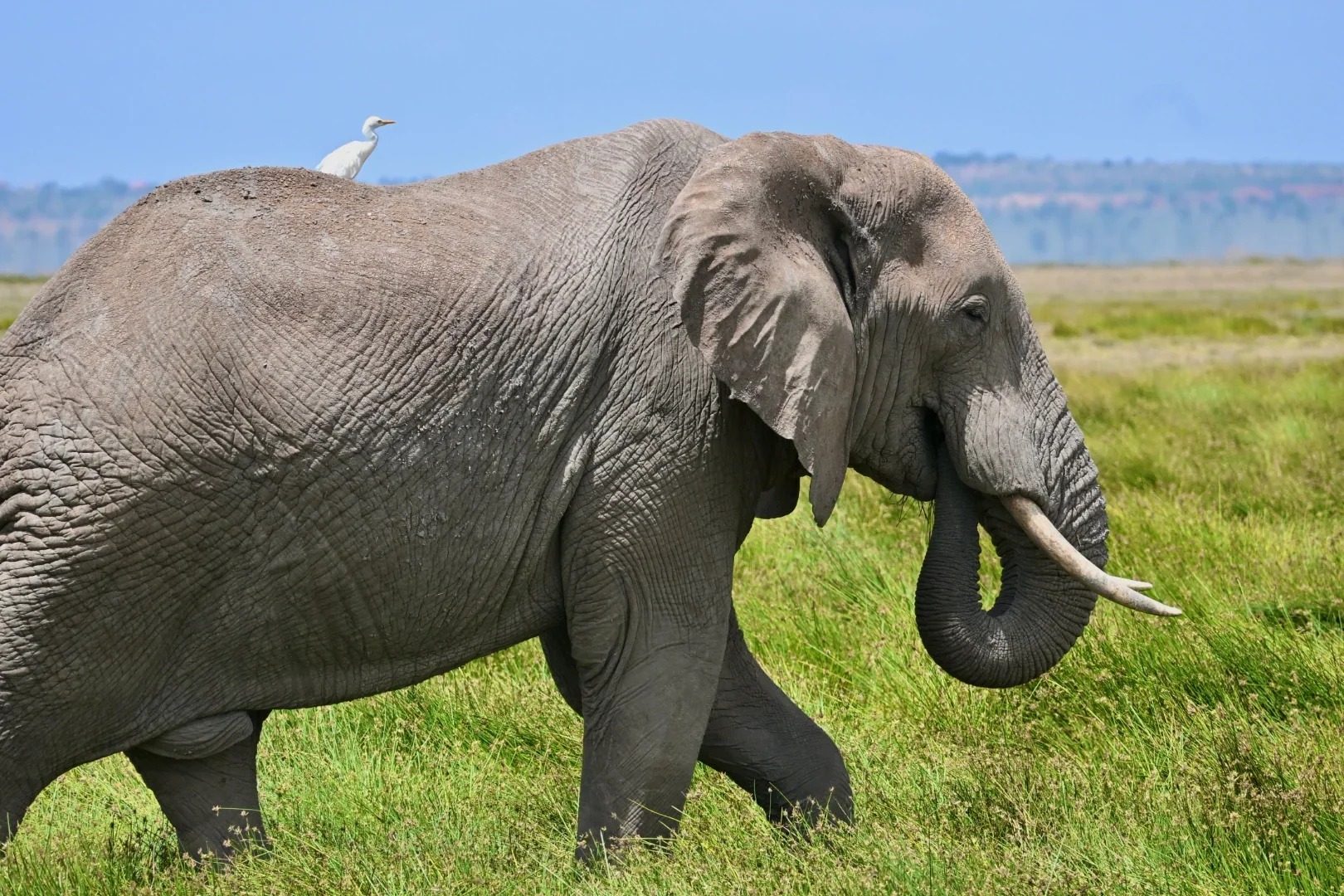
Experience the raw beauty of East Africa on this eight-day journey through Kenya's most iconic wildlife destination. You'll spend your days in Amboseli National Park, where vast plains stretch beneath the snow-capped peak of Mount Kilimanjaro. This is prime territory for encountering Africa's Big Five, and you'll have excellent chances to spot elephants, lions, leopards, buffalo, and rhinos as they move across the landscape. Your safari combines game drives through diverse habitats with comfortable mid-range accommodation, striking the perfect balance between authentic wilderness experience and practical comfort. This adventure is designed for travelers who want genuine wildlife encounters without compromising on quality rest between days. You'll wake early for morning drives when animals are most active, then return to your lodge for a break before afternoon expeditions.
From $3,450 /person
VELMARA SAFARIS
Verified6-Day Amboseli NP, Lake Nakuru & Masai Mara Luxury Tour
This six-day journey takes you through Kenya's most iconic landscapes, combining the raw beauty of Amboseli National Park with the birdwatching paradise of Lake Nakuru and the legendary wildlife abundance of Masai Mara. Each destination offers distinct ecosystems and unforgettable encounters with Africa's incredible fauna and flora. You'll experience the full spectrum of what makes Kenya a world-class safari destination, from intimate wildlife viewing to breathtaking scenery. Throughout your tour, you'll enjoy luxury accommodation at carefully selected lodges that blend comfort with authentic safari experiences. Early morning and afternoon game drives put you in prime position to spot the area's diverse wildlife, while expert guides share their deep knowledge of the ecosystems and animal behavior. This carefully crafted itinerary balances adventure with relaxation, ensuring you leave with memories that will last a lifetime.
From $2,700 /person
Where to go
Explore the destinations
 3 toursKenyaThe Original Safari
 16 tours · 25 lodgesTanzaniaRoof of Africa & Beyond
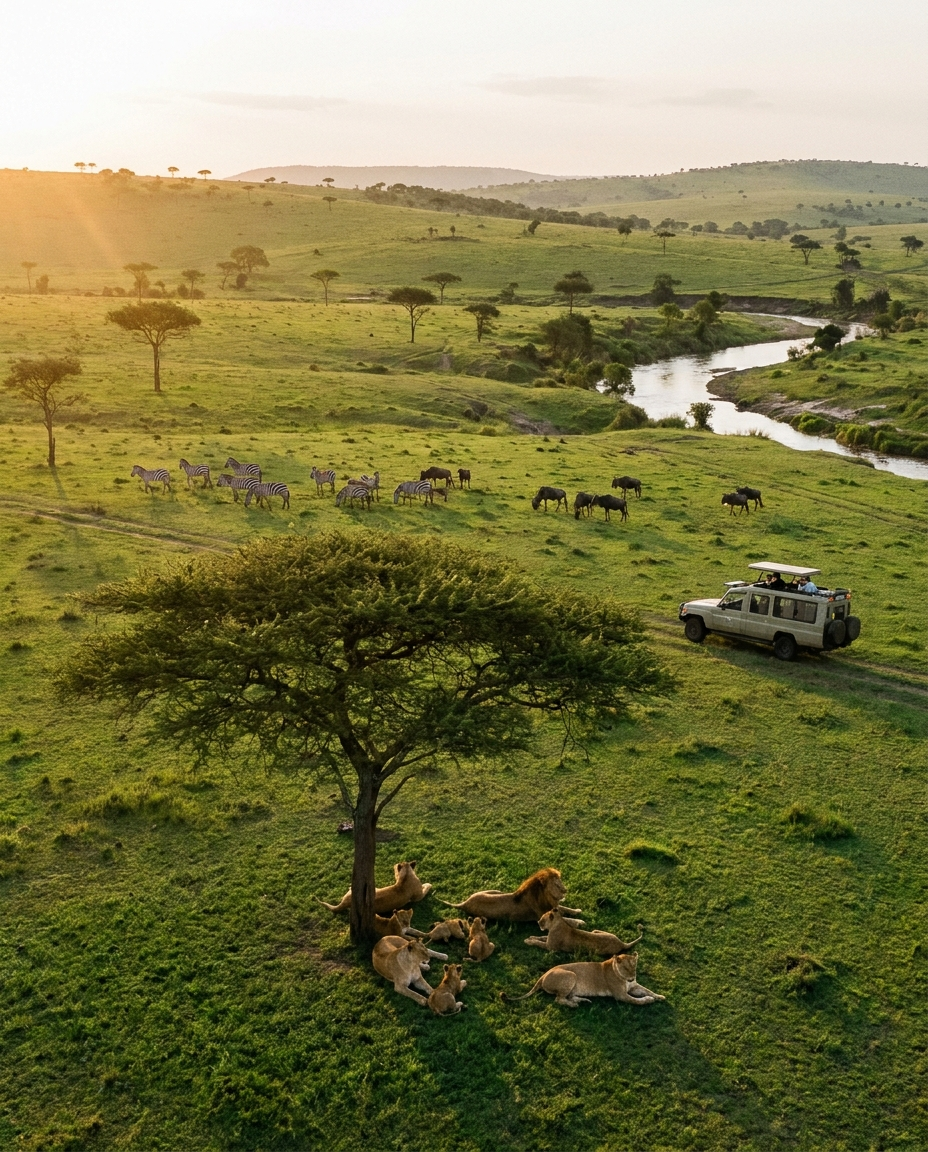 2 toursMasai MaraDiscover Masai Mara National Reserve
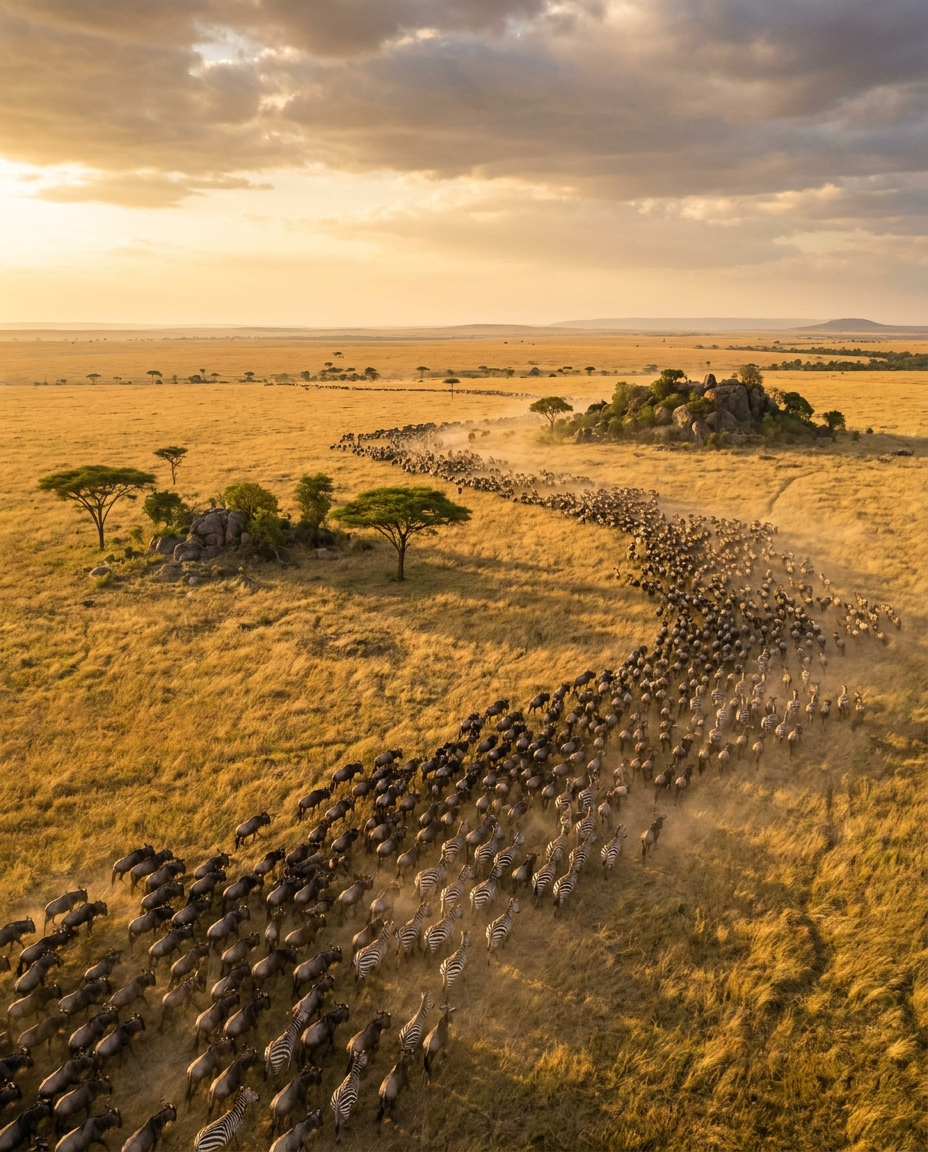 11 lodgesSerengeti National ParkDiscover Serengeti National Park
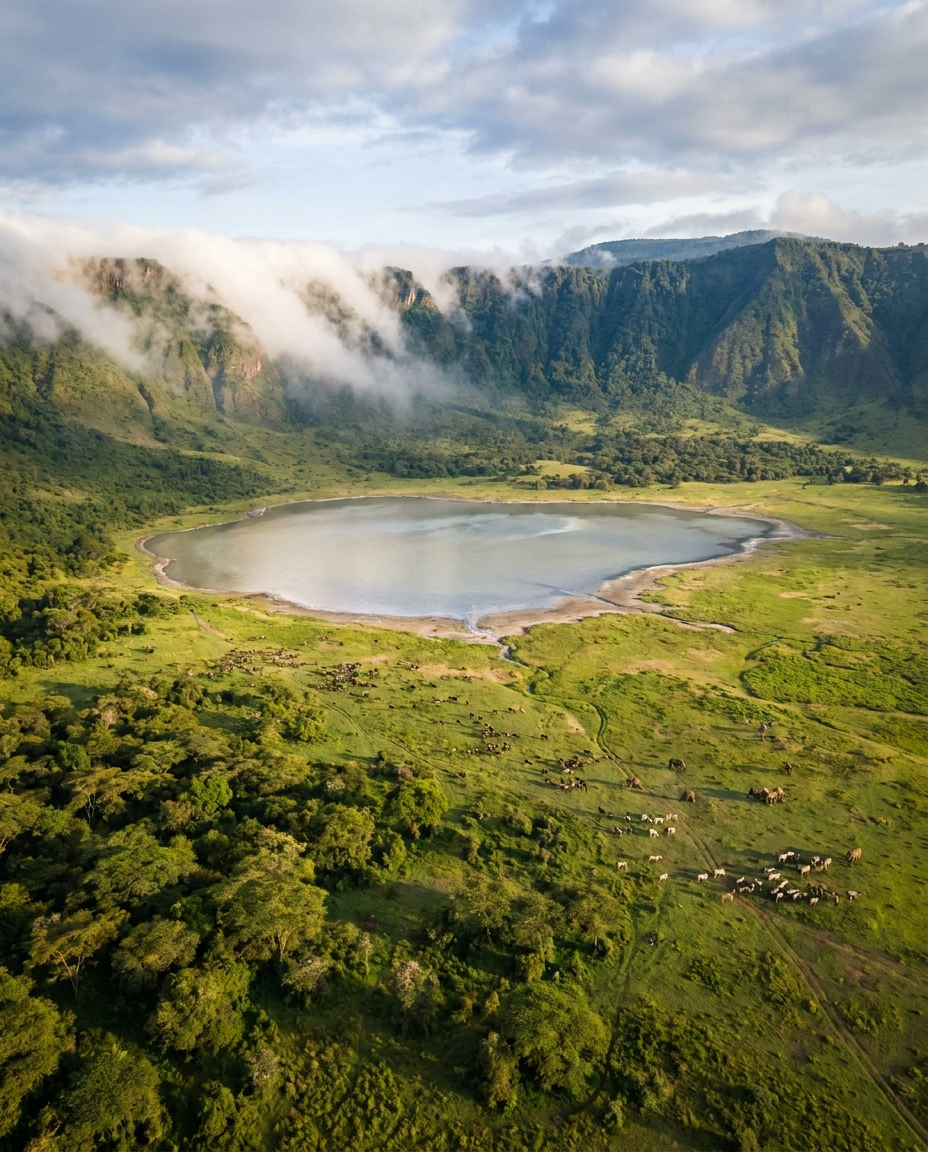 2 tours · 7 lodgesNgorongoro CraterDiscover Ngorongoro Crater
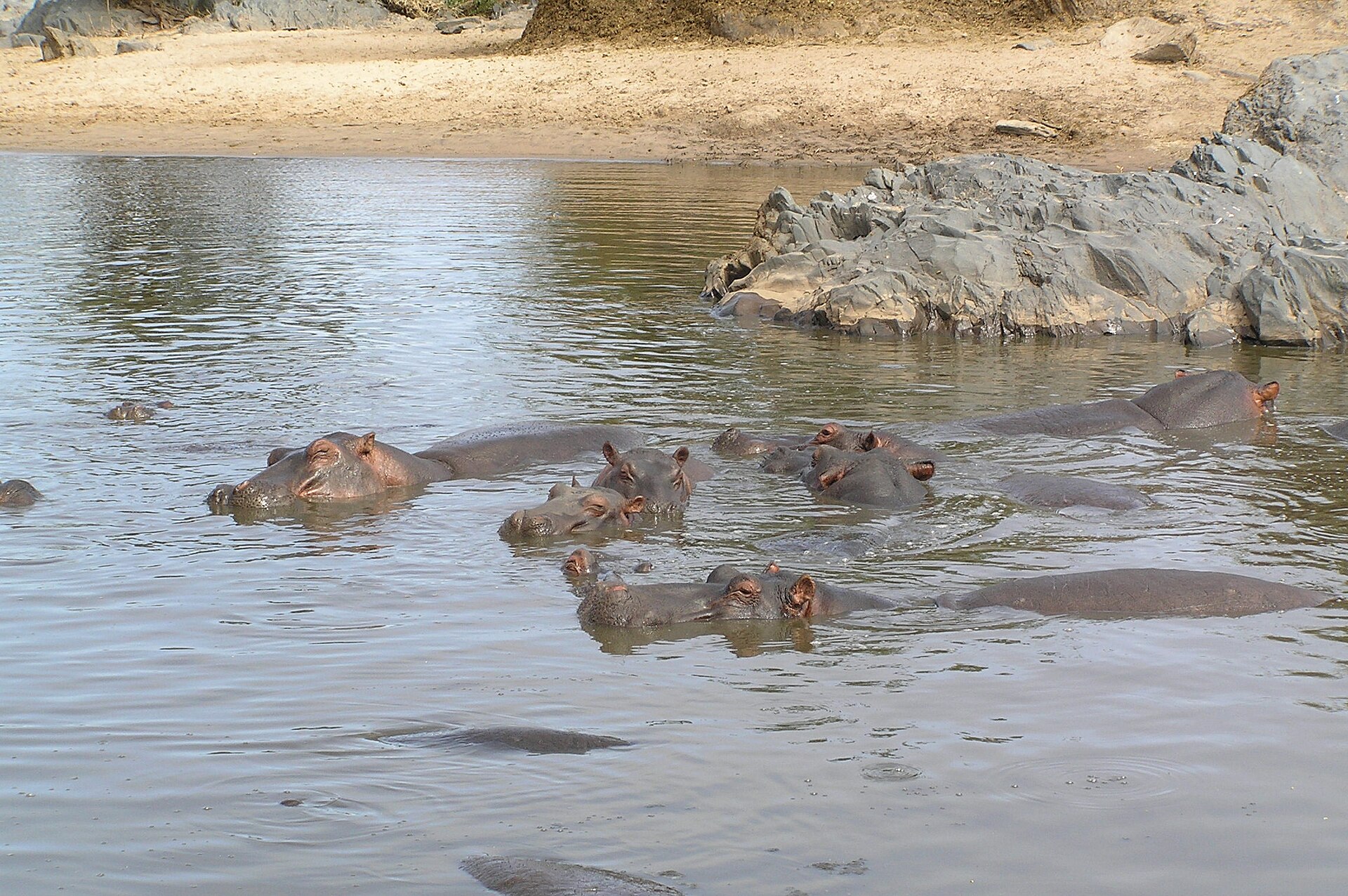 15 tours · 24 lodgesNorthern CircuitThe Classic Safari Route
Plan with local experts
Ready to Plan Your Safari?
Compare verified operators, get instant quotes, and book your dream African safari.