Sounds of Safari — Africa
Discover the incredible sounds of an African safari. From the dawn chorus of hadeda ibis to the nighttime leopard cough — learn what to listen for on your wildlife adventure.
Iconic Sounds of the African Bush
An African safari is as much an auditory experience as a visual one. These are the sounds that define the wilderness — from the deep rumble of an elephant to the eerie whoop of a hyena at midnight.
Lion roar
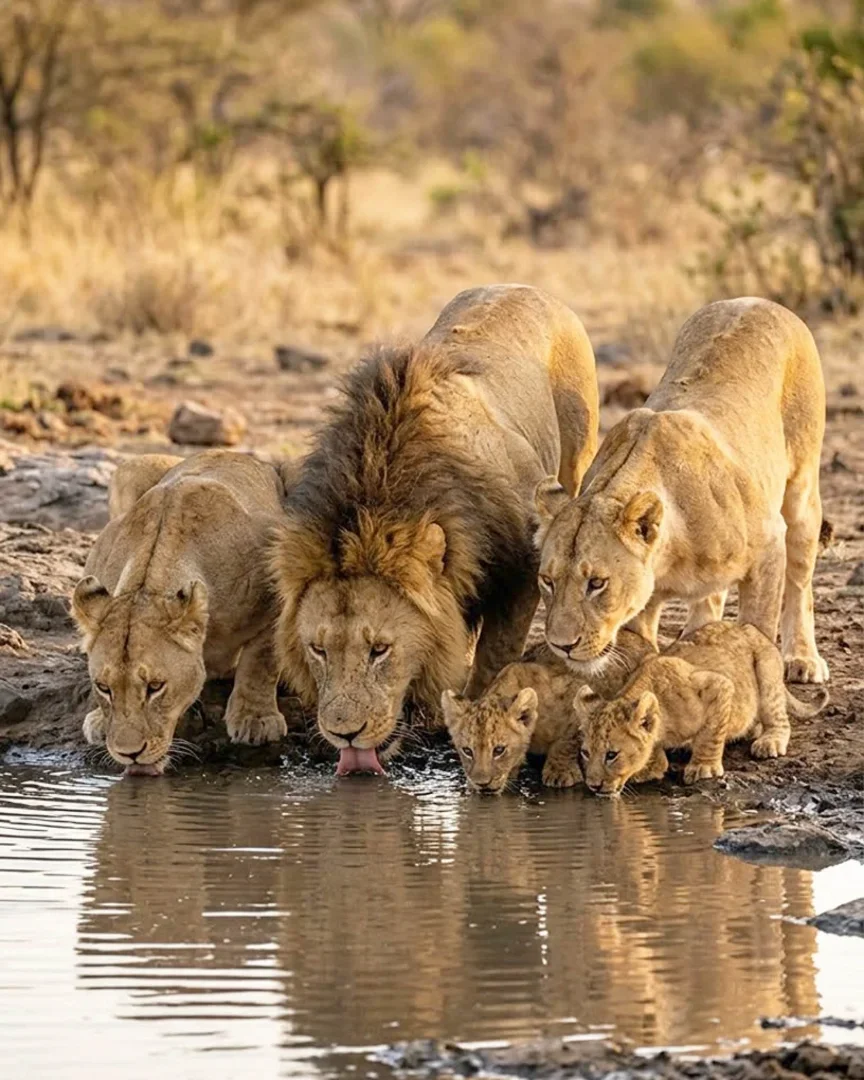
Audible up to 8 kilometres away, the male lion roar is produced by unusually shaped vocal folds that allow air to pass with minimal pressure. Lions roar most frequently after sunset and before dawn to advertise territory. A full roaring sequence lasts 30 to 40 seconds and typically consists of a few long, deep moans followed by a series of shorter grunts.
Spotted hyena whoop
The whoop call of the spotted hyena carries over 5 kilometres and encodes information about the caller's identity, sex, and age. Clans use it to rally members during territorial disputes. The famous "laugh" is actually a submissive signal produced during feeding competition.
African fish eagle cry
Often called the "voice of Africa," the African fish eagle produces a ringing, yelping call while throwing its head backward. Mated pairs perform a duet — the male with a higher-pitched call, the female with a lower, more drawn-out version. This sound is synonymous with African waterways.
Elephant rumble
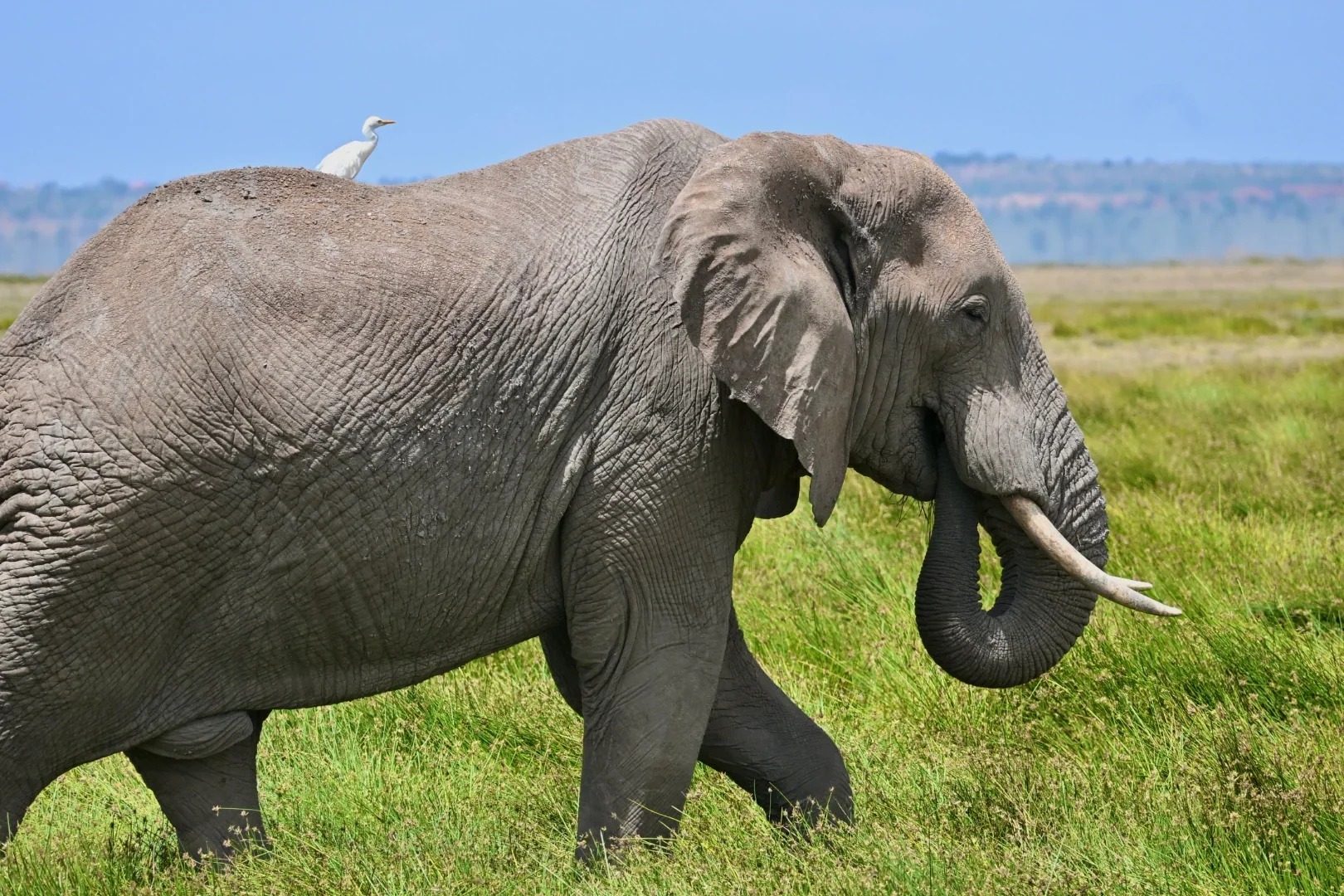
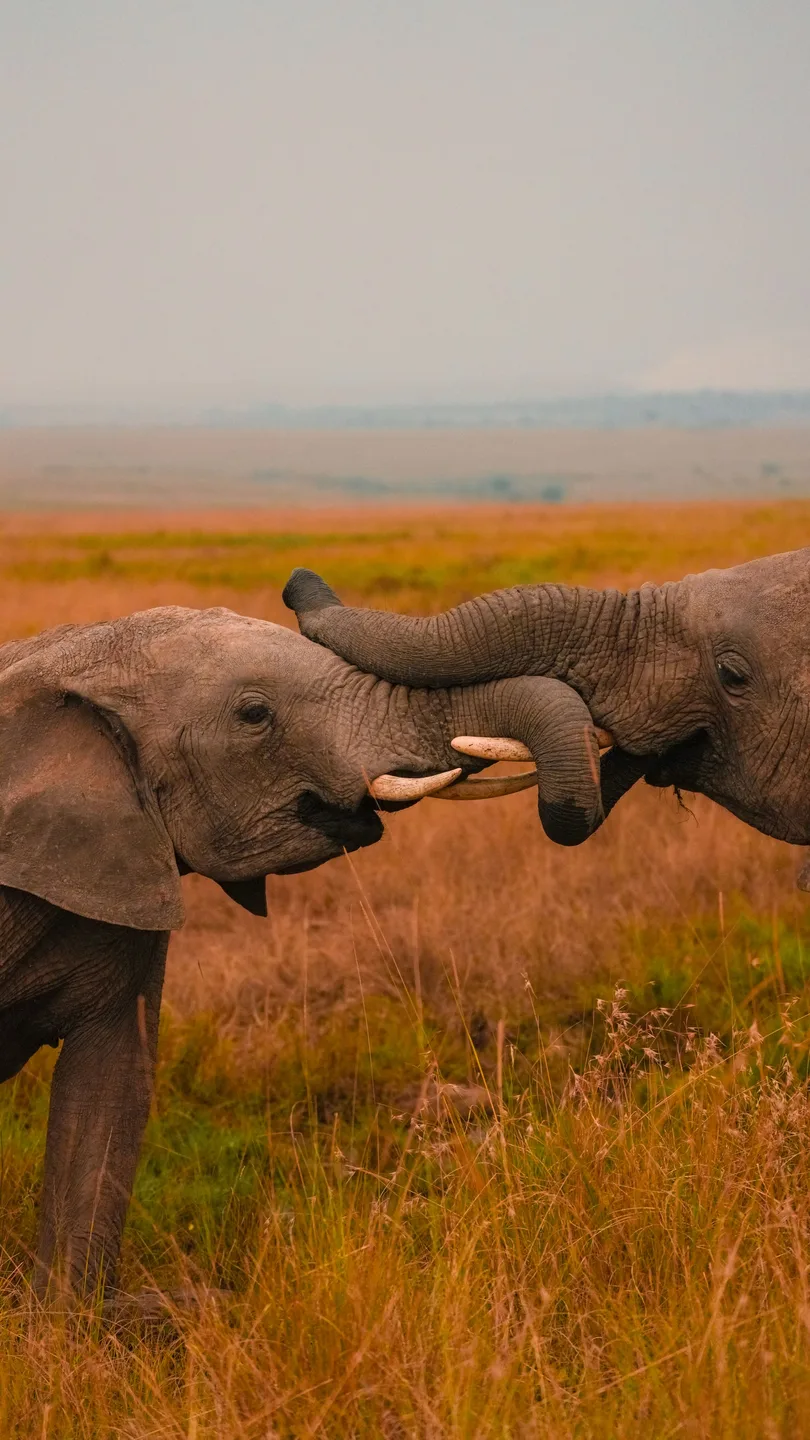
Elephants communicate using infrasound rumbles as low as 14 Hz, well below the range of human hearing. These low-frequency calls travel through both air and ground, reaching other elephants up to 10 kilometres away. Foot-transmitted seismic signals are detected through sensitive nerve endings in the feet.
Leopard sawing
The leopard's territorial call is a distinctive rasping cough, often described as the sound of a saw cutting through wood. Repeated every few seconds as the leopard moves through its territory, this call is most commonly heard at dusk and through the night. Many first-time safari-goers mistake it for a far-off machine.
Hippo grunt and bellow
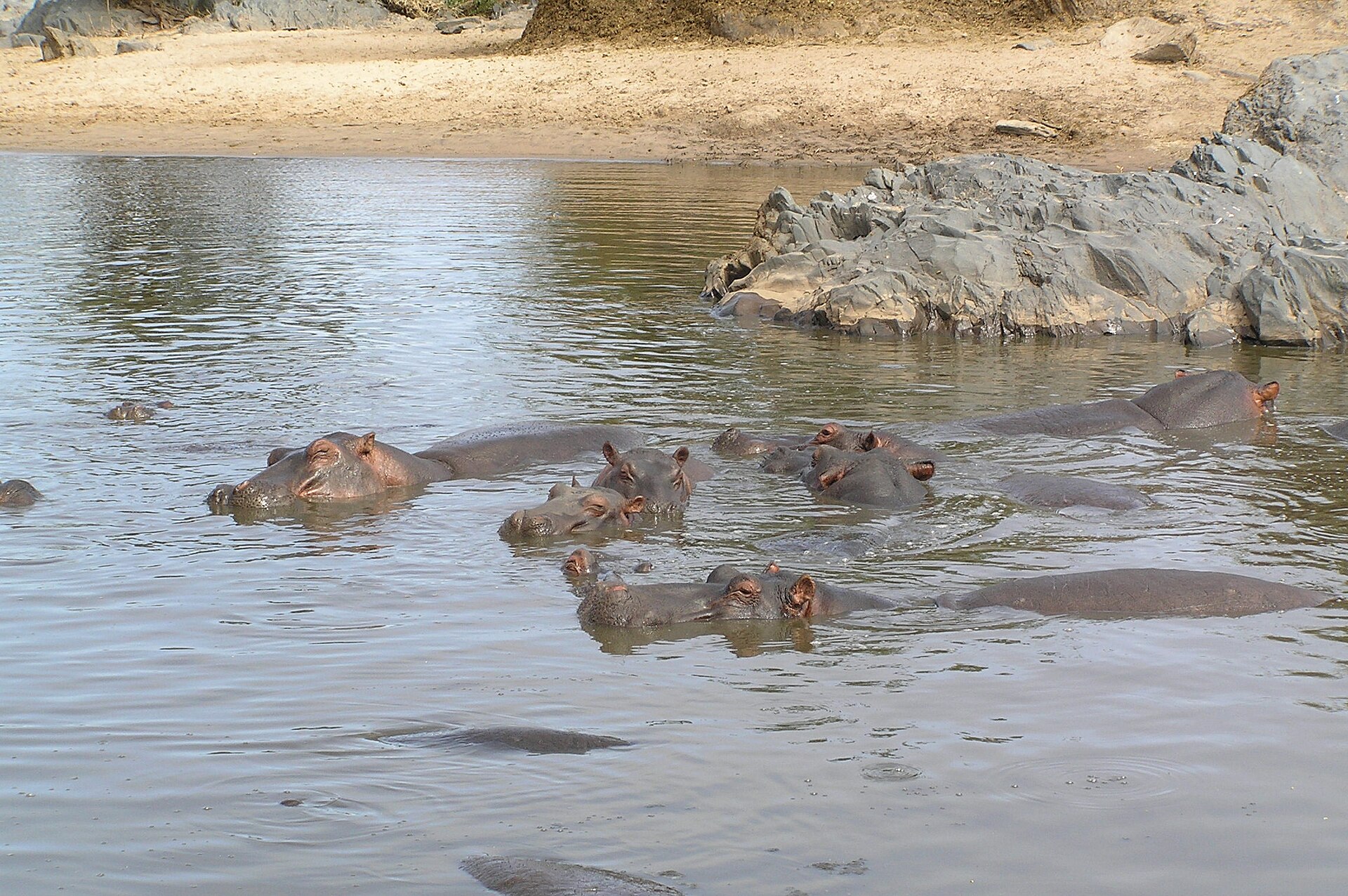
Hippos produce a honking bellow that can reach 115 decibels — louder than a chainsaw. Males use a "wheeze-honk" display to assert dominance, exhaling explosively through flared nostrils. Hippo vocalisations travel simultaneously through air and water, alerting submerged and surface animals alike.
Pearl-spotted owlet whistle
This tiny owl produces a rising series of whistled notes that accelerate into a crescendo. Despite being only 19 centimetres tall, its call is a reliable alarm signal for birders and guides alike — because when this owlet calls, every small bird in the area mobs it, drawing attention to hidden raptors.
Fiery-necked nightjar
The haunting call of the fiery-necked nightjar is a trademark of the southern African night. Rendered mnemonically as "Good Lord, deliver us," this long, quavering whistle rises and falls through the darkness from dusk to dawn, particularly during the warm summer months from September to March.
Wild dog twitter
African wild dogs communicate with a high-pitched twittering contact call that maintains pack cohesion in dense vegetation. Before a hunt, pack members engage in a "rally" of sneezes — recent research from Botswana demonstrated that the number of sneezes determines whether the pack moves off to hunt.
Wildebeest grunt
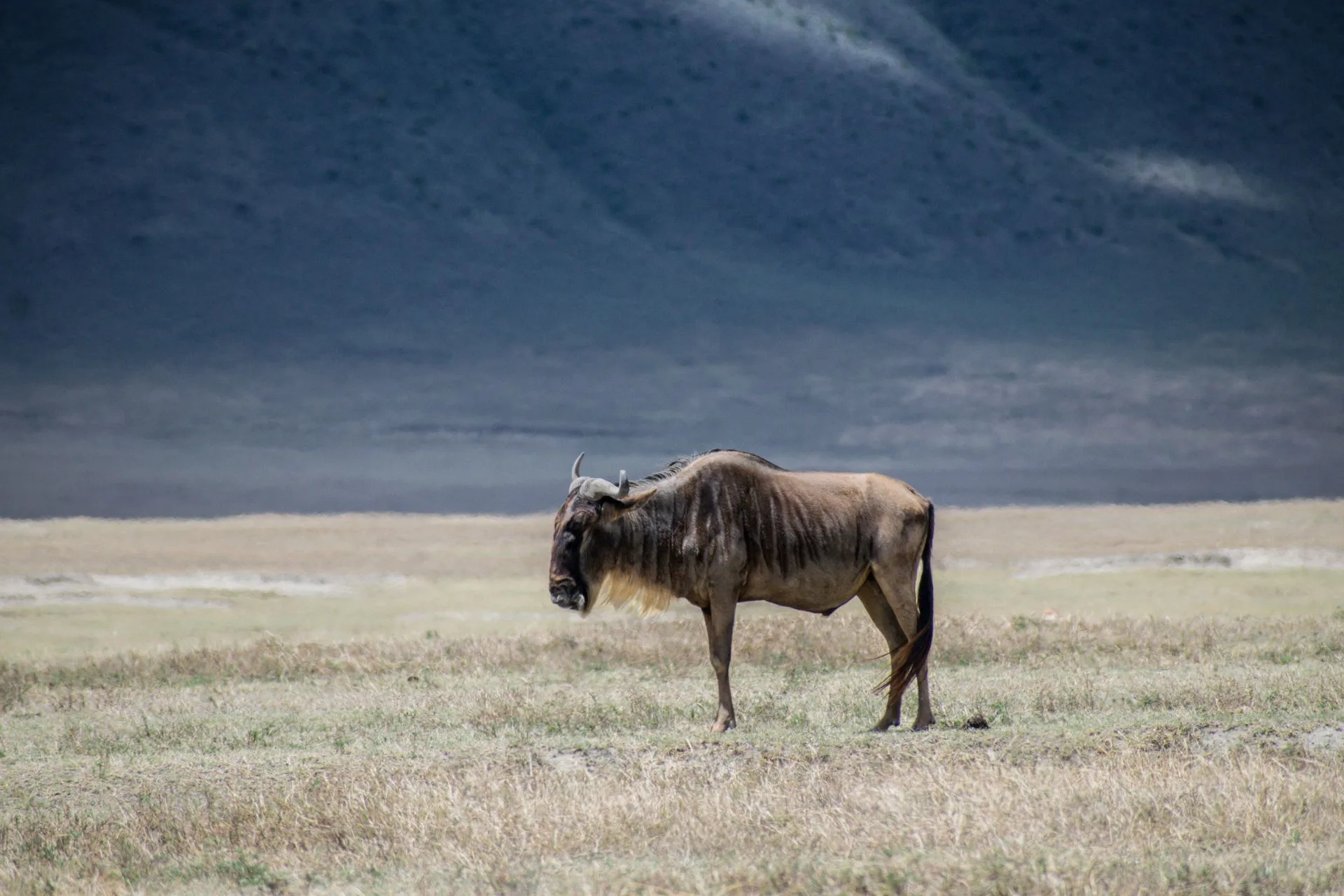
During the Great Migration, the collective lowing of over 1.5 million wildebeest creates a low, continuous drone that can be heard from several kilometres away. Individual bulls produce a nasal, metallic grunt used to maintain harem boundaries, giving rise to the Swahili name "nyumbu" (meaning noisy one).
Jackal howl
Black-backed jackals produce a mournful, drawn-out howl, usually performed as a duet by mated pairs at dusk. The howling functions as a territorial declaration and pair-bond reinforcement. Their wailing calls are among the first sounds heard as the sun sets across the East African savanna.
Tree hyrax scream
Despite being a small, rodent-like mammal, the tree hyrax produces one of the most startling sounds in the African night — a drawn-out, unearthly scream that rises to a strangled shriek. First-time visitors to montane forests from Bwindi to Mount Kenya are routinely alarmed by this sound.
How to Identify Safari Sounds
Guides spend years learning the bush soundscape. These tips will help you decode what you hear on game drives and after lights-out.
Learn the alarm calls first
Impala snorts, baboon barks, and oxpecker hissing are your early-warning system. When prey species alarm-call, a predator is nearby. Ask your guide to point out alarm calls on your first drive — this single skill will transform your sightings.
Listen for direction and distance
Sound carries differently in the bush. A lion roar that sounds close may be 3 kilometres away. Nocturnal sounds from the lodge deck often come from much closer than you expect. Wind direction, temperature inversions, and terrain all affect how sound travels.
Use dawn and dusk as listening windows
The "golden hour" of safari sound occurs from 05:30 to 06:30 and again from 17:30 to 19:00. Wind drops, temperatures stabilise, and animal activity peaks. These windows offer the richest chorus of bird and mammal calls.
Record audio on your phone
Short voice-memo recordings are far more useful than trying to describe a sound from memory. Record 10 to 15 seconds, then play it back to your guide at breakfast. Apps like Merlin Bird ID can identify many African bird calls from recordings.
Distinguish repetition patterns
Many species have distinctive call rhythms. The leopard saws in a steady, evenly-spaced pattern. The pearl-spotted owlet accelerates. Hyena whoops are irregularly spaced. Paying attention to rhythm narrows identification faster than trying to describe the pitch.
Ask your guide about night sounds
Before retiring for the night, ask your guide what you might hear from your tent or room. Knowing that the "sawing" sound is a leopard, not a threat, transforms a nervous night into a thrilling one. Guides are usually delighted to brief you on nocturnal acoustics.
The Ecology of Sound on the African Savanna
Sound plays a role in the African bush that most visitors never fully appreciate. The entire ecosystem is wired with acoustic signals — from the infrasonic rumbles of elephants coordinating movement across vast distances to the ultrasonic echolocation calls of insectivorous bats hunting above the tree canopy.
For predators, sound is both weapon and vulnerability. Lions roar to maintain territorial boundaries without the cost of physical confrontation. A pride that stops roaring loses territory within weeks. Leopards saw through their range at night for the same reason — acoustic presence is cheaper than patrol. But sound also betrays: a clumsy approach through dry leaves alerts prey, and the silence of alarm-calling birds tells a predator it has been detected.
Prey species have evolved an extraordinarily layered alarm-call system. Vervet monkeys use distinct calls for eagles, leopards, and snakes — each triggering a different evasive behaviour. Impala snort in a characteristic pattern that conveys the type and urgency of the threat. Oxpeckers ride on large herbivores and hiss when they detect danger, serving as an early-warning system that benefits both bird and host.
For visitors, learning to read the soundscape transforms a safari from passive observation to active engagement with the ecosystem. The bush is never silent — even the absence of sound carries meaning. When birds suddenly stop calling and the insects go quiet, something significant is happening nearby.
Bookable with local operators
Popular safari tours

Inspirations Africa
Verified8-Day Luxury Kenya Safari: Nairobi, Ol Pejeta & Masai Mara
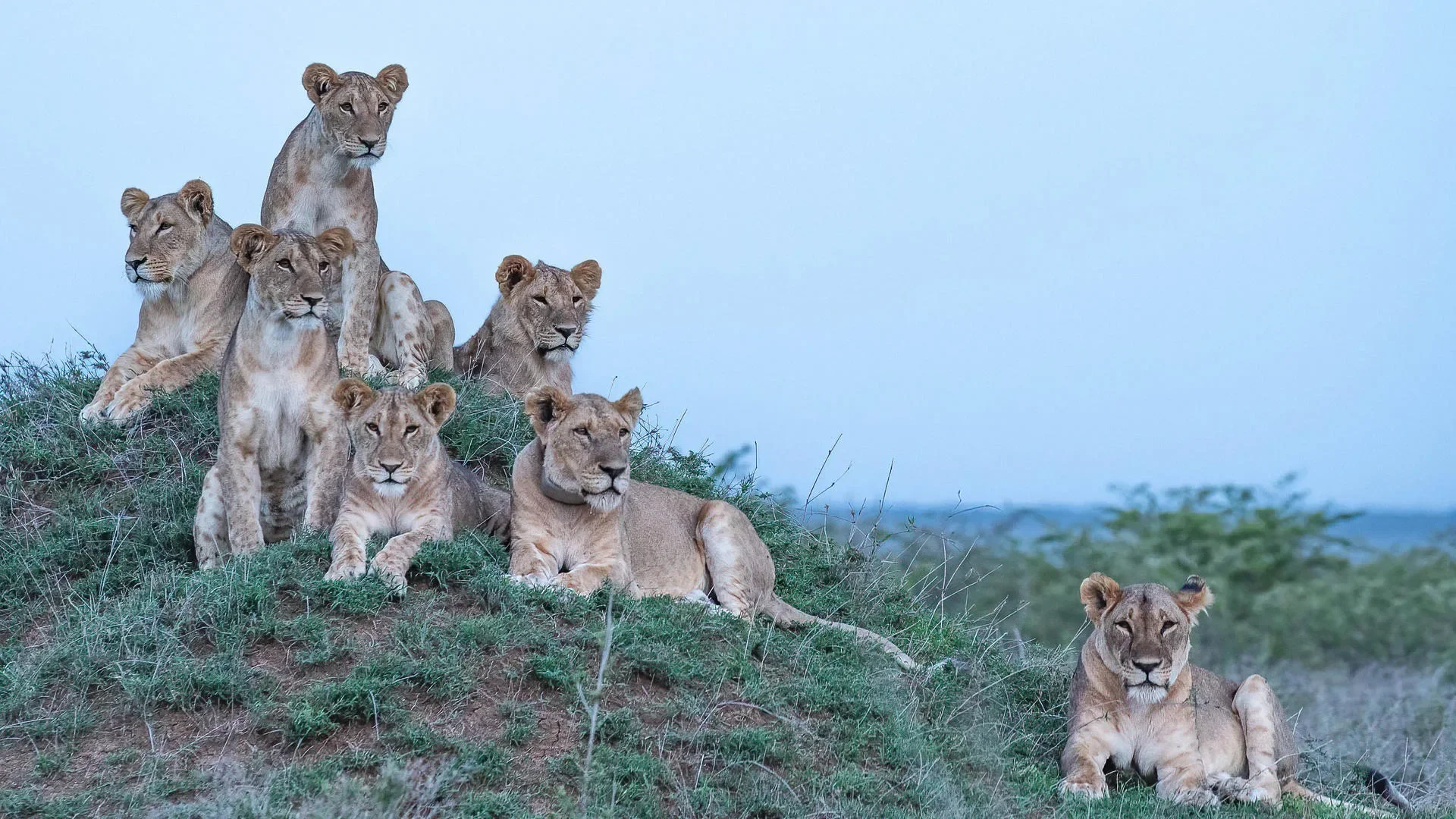
Luxury on safari is not about thread counts. It is about where you wake up, who guides you and the moments that take your breath away. This 8-day journey pairs Kenya's finest lodges with its most wildlife-rich destinations. Begin at the Fairmont The Norfolk in Nairobi, then head to Ol Pejeta Conservancy in Laikipia for three nights at Sanctuary Tambarare Camp, with rhino tracking, the endangered species enclosures and walking safaris with armed Maasai guides that bring you within metres of grazing zebra and giraffe. Fly to the Masai Mara for three nights at andBeyond Kichwa Tembo with a private guide who has tracked the resident lion prides for over a decade, big cat tracking, bush dinners under the Milky Way and an optional hot air balloon safari. Internal flights mean no long road transfers, and all house drinks and laundry are included.
From $9,800 /person
Inspirations Africa
Verified8-Day Kilimanjaro Climb via Lemosho Route
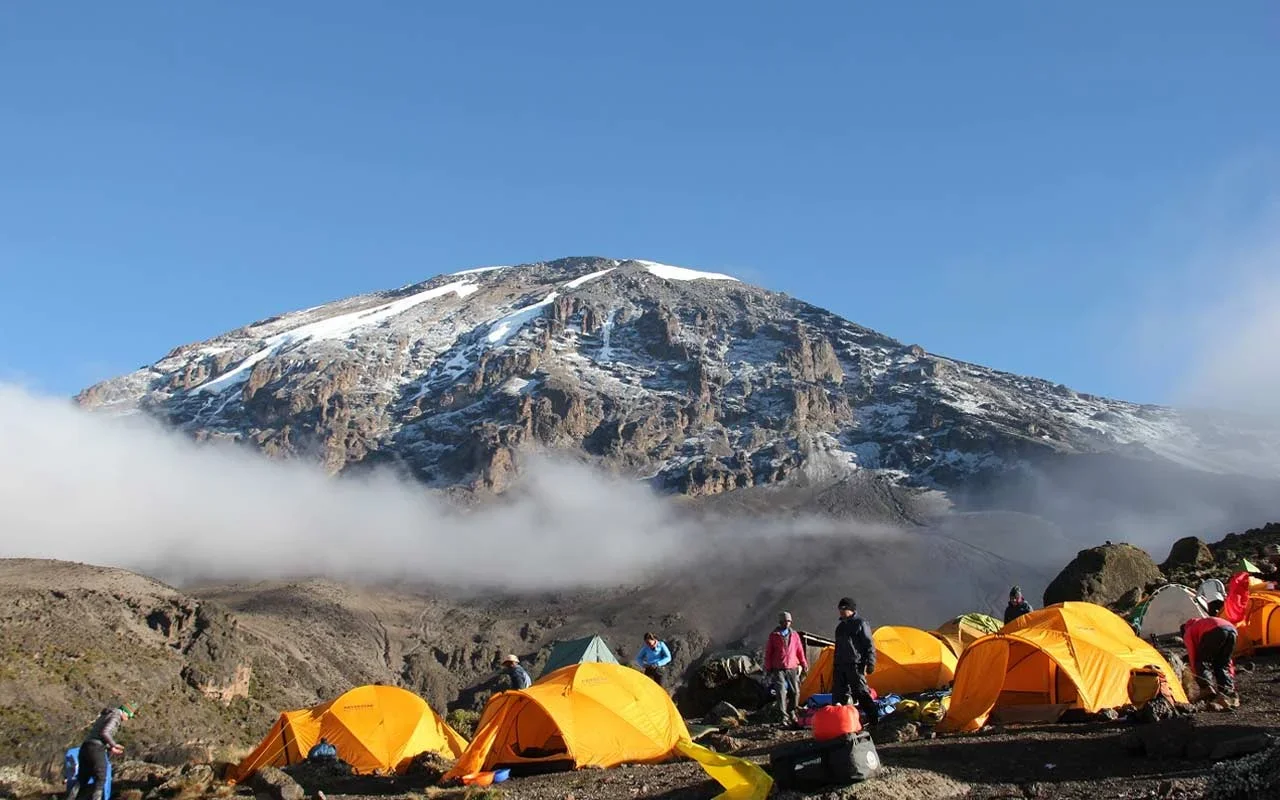
Widely regarded as the most beautiful approach to Kilimanjaro, the Lemosho Route starts on the quiet western side at Londorossi Gate and crosses rainforest, the Shira Plateau and the famous Barranco Wall scramble before summit night to Uhuru Peak at 5,895m. The 8-day profile gives one of the strongest acclimatisation schedules on the mountain, with a 95%+ summit success rate and fewer crowds than Machame or Marangu. Your climb is led by a licensed mountain guide with assistant guides at a 1:2 ratio, porters and a cook, with 4-season tents, portable toilet, pulse oximeter checks and all meals on the mountain. Two hotel nights in Moshi before and after the climb, plus airport transfers, are included. Good fitness is recommended; no technical climbing skills are needed.
From $2,650 /person
Inspirations Africa
Verified4-Day Fly-In Serengeti Safari by Bush Plane
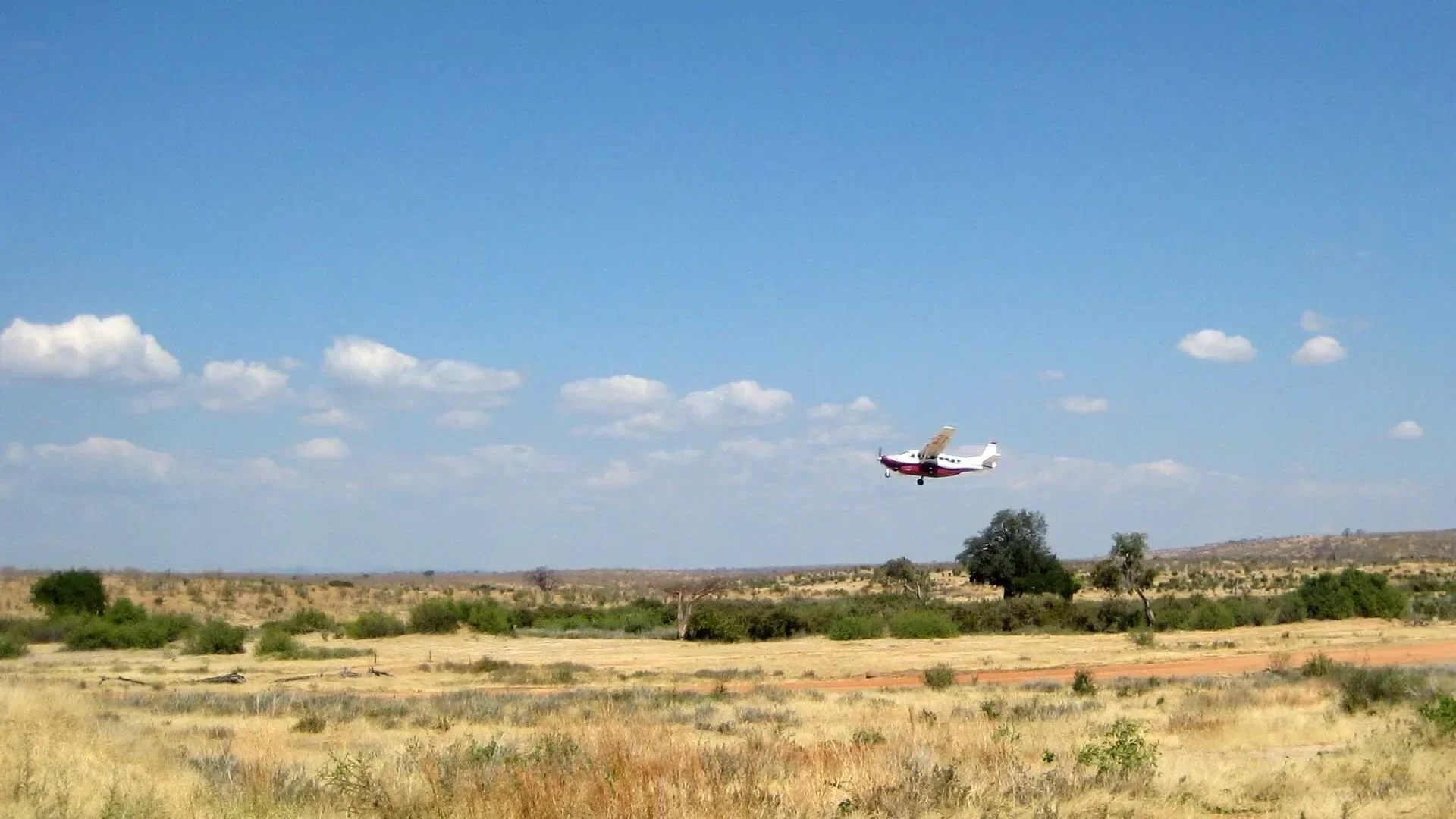
This fly-in safari eliminates the long overland drive from Arusha and gets you to the Serengeti in 90 minutes by bush plane. The flight itself is spectacular, soaring over the Ngorongoro highlands, the Great Rift Valley and the Serengeti's endless plains before landing on a grass airstrip. On the ground you enjoy unlimited game drives from a luxury camp positioned in the prime wildlife corridor: lions, leopards, cheetahs and, in season, the Great Migration herds. Three nights of full-board luxury, sundowners over the plains and a farewell bush dinner, then fly back to Arusha on the final morning. Ideal for travellers short on time who want maximum Serengeti with minimum transit.
From $3,450 /person
Inspirations Africa
Verified7-Day Great Migration Safari: Ngorongoro Crater & Serengeti
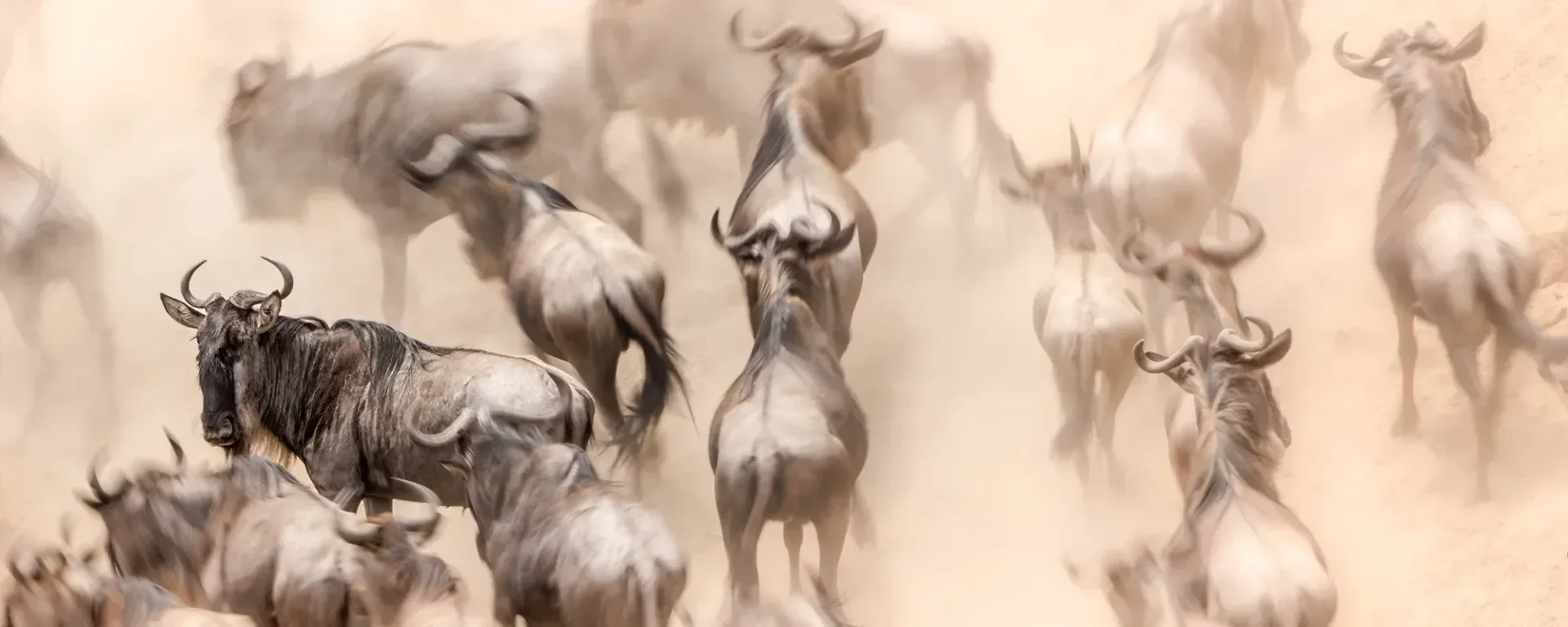
Over two million wildebeest, half a million zebra and hundreds of thousands of gazelle: the Great Migration is the largest overland movement of mammals on Earth, and this 7-day luxury safari puts you at its heart. Begin in Arusha, then descend into the Ngorongoro Crater for the Big Five in one of the world's most concentrated wildlife arenas. Continue to the Serengeti, where your guide tracks the herds by season: Mara River crossings with crocodile ambushes from June to October, or the southern calving grounds with 8,000 births a day from December to March. Luxury tented camps move with the herds so you are always in the right place, and between the mega-herds the Serengeti delivers Africa's finest predator action: lion prides, cheetah coalitions, leopards in sausage trees and hyena clans. Optional dawn hot air balloon safari available.
From $5,950 /person
VELMARA SAFARIS
Verified8-Day Kenya & Tanzania Mid-Range Big Five Safari
Experience the raw beauty of East Africa on this eight-day journey through Kenya's most iconic wildlife destination. You'll spend your days in Amboseli National Park, where vast plains stretch beneath the snow-capped peak of Mount Kilimanjaro. This is prime territory for encountering Africa's Big Five, and you'll have excellent chances to spot elephants, lions, leopards, buffalo, and rhinos as they move across the landscape. Your safari combines game drives through diverse habitats with comfortable mid-range accommodation, striking the perfect balance between authentic wilderness experience and practical comfort. This adventure is designed for travelers who want genuine wildlife encounters without compromising on quality rest between days. You'll wake early for morning drives when animals are most active, then return to your lodge for a break before afternoon expeditions.
From $3,450 /person
VELMARA SAFARIS
Verified6-Day Amboseli NP, Lake Nakuru & Masai Mara Luxury Tour
This six-day journey takes you through Kenya's most iconic landscapes, combining the raw beauty of Amboseli National Park with the birdwatching paradise of Lake Nakuru and the legendary wildlife abundance of Masai Mara. Each destination offers distinct ecosystems and unforgettable encounters with Africa's incredible fauna and flora. You'll experience the full spectrum of what makes Kenya a world-class safari destination, from intimate wildlife viewing to breathtaking scenery. Throughout your tour, you'll enjoy luxury accommodation at carefully selected lodges that blend comfort with authentic safari experiences. Early morning and afternoon game drives put you in prime position to spot the area's diverse wildlife, while expert guides share their deep knowledge of the ecosystems and animal behavior. This carefully crafted itinerary balances adventure with relaxation, ensuring you leave with memories that will last a lifetime.
From $2,700 /person
Where to go
Explore the destinations
 3 toursKenyaThe Original Safari
 16 tours · 25 lodgesTanzaniaRoof of Africa & Beyond
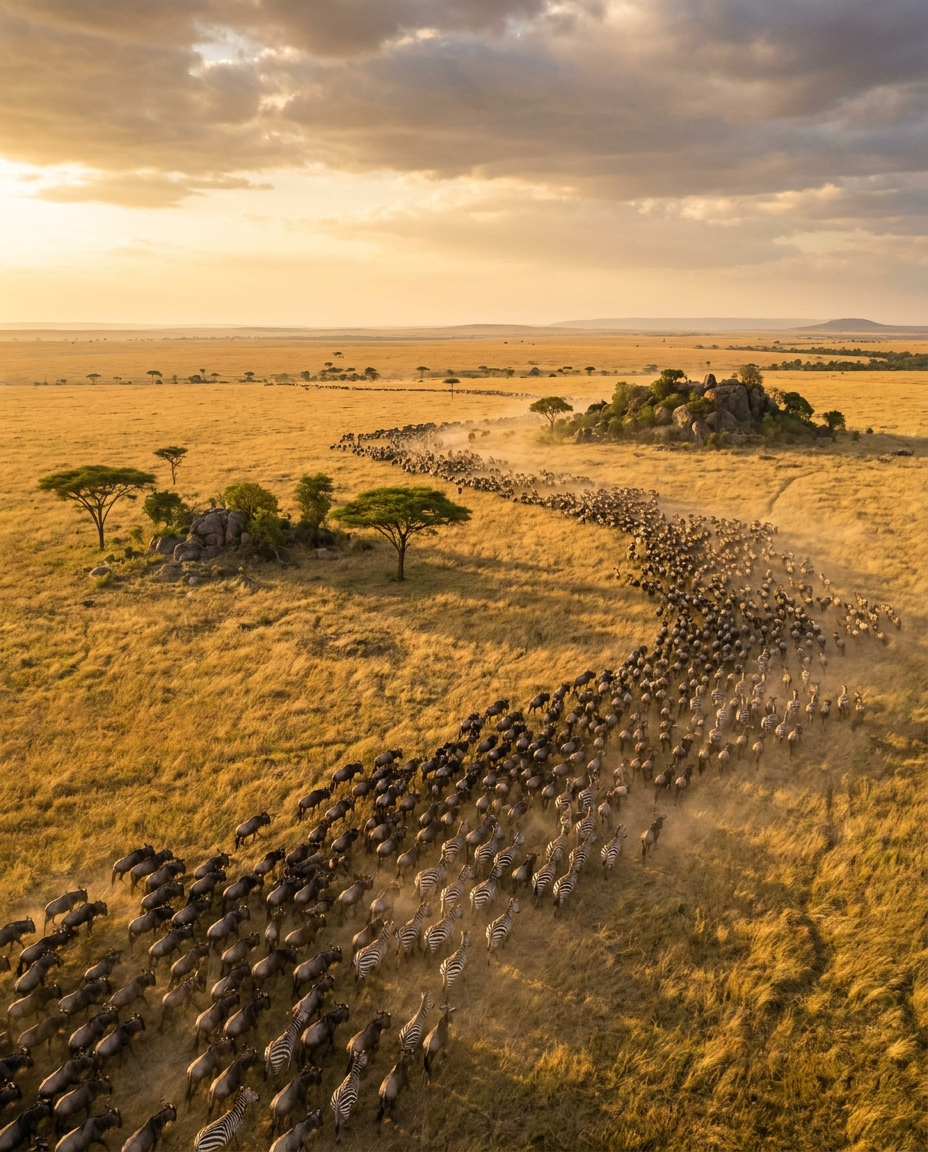 11 lodgesSerengeti National ParkDiscover Serengeti National Park
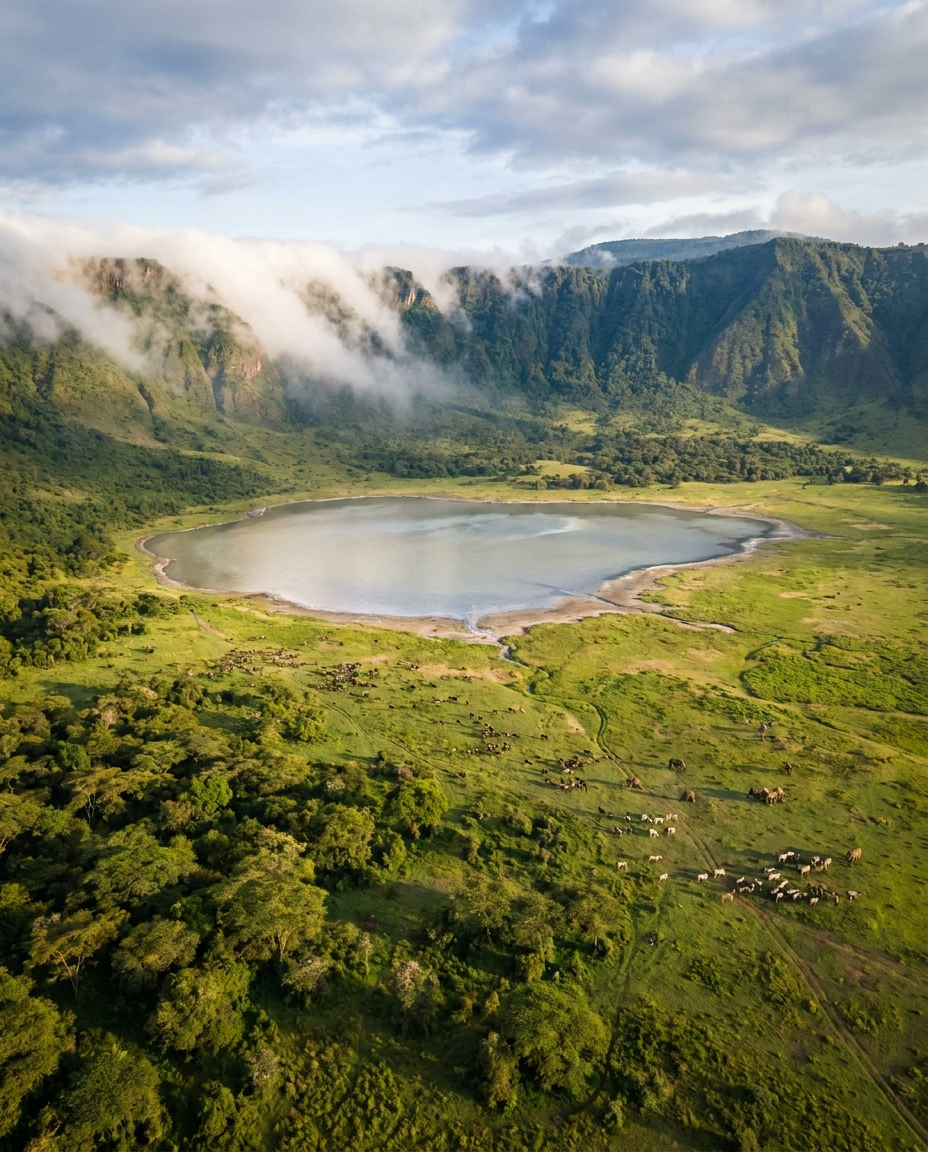 2 tours · 7 lodgesNgorongoro CraterDiscover Ngorongoro Crater
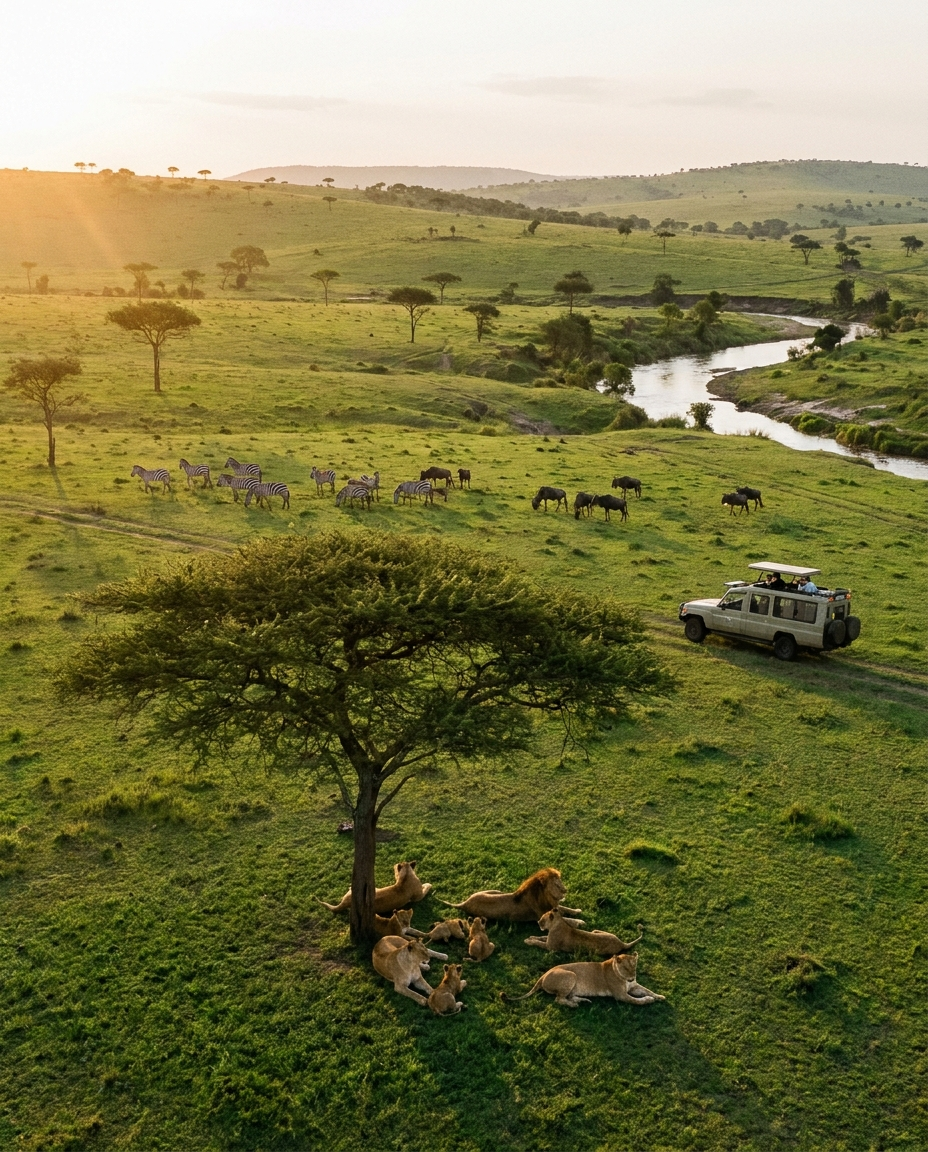 2 toursMasai MaraDiscover Masai Mara National Reserve
 15 tours · 24 lodgesNorthern CircuitThe Classic Safari Route
Plan with local experts
Ready to Plan Your Safari?
Compare verified operators, get instant quotes, and book your dream African safari.