Safari Packing Checklist
Safari Packing Checklist | What to Pack for Your African Safari
Get a personalised packing list for your African safari in under a minute. Tailored to your tour type, the season you are travelling in, and your trip length.
Safari Packing Checklist
Essential Documents
- Passport (valid 6+ months)
- Visa / eTA printout
- Travel & medical insurance
- Yellow fever vaccination card
- Flight tickets (printed + digital)
- Hotel & lodge confirmations
- Emergency contact list
Clothing — Wildlife Safari
- Neutral-colored shirts (khaki, olive, tan)
- Long lightweight pants (2–3 pairs)
- Wide-brim safari hat
- Warm fleece or light down jacket
- Waterproof / windproof jacket
- Moisture-wicking underwear (4–5 pairs)
Clothing — Beach Holiday
- Swimwear (2 sets)
- Light dresses / linen shirts
- Comfortable sandals
- Wide-brim sun hat or beach hat
- Cover-ups / sarongs
- Rash guard / UV top
Clothing — Gorilla Trekking
- Long-sleeve shirts (neutral)
- Lightweight gardening gloves
- Waterproof ankle-high boots
- Rain jacket (waterproof)
- Gaiters or long gaiters
- Durable trekking pants
Clothing — Adventure
- Broken-in hiking boots
- Moisture-wicking base layers (3 sets)
- Quick-dry trekking pants
- Insulating mid-layer (fleece or down)
- Wool trekking socks (3+ pairs)
Clothing — Honeymoon
- Smart casual evening wear
- Swimwear (multiple sets)
- Light layers for evenings
- Comfortable walking shoes
Clothing — Cultural Tour
- Modest tops (shoulders covered)
- Loose-fitting trousers or maxi skirt
- Comfortable flat shoes
Clothing — Shared
- Socks (5–7 pairs)
- Sleepwear / light pajamas
Health & Safety
- Sunscreen SPF 50+ (200ml)
- Insect repellent with DEET 30–50%
- Malaria prophylaxis (prescription)
- Basic first aid kit
- Hand sanitiser (60%+ alcohol)
- Oral rehydration salts (sachets)
- Anti-diarrhoeal tablets
- Paracetamol / ibuprofen
- Personal prescription medications (+ extra supply)
- Altitude sickness tablets (if applicable)
Camera & Electronics
- Binoculars (8x42 or 10x42)
- Camera with zoom lens (200mm+)
- Extra memory cards (64GB+)
- Camera batteries + charger
- Power bank (20,000mAh)
- Universal travel adapter
- Smartphone + car charger
- Head torch / flashlight
- Earphones / noise-cancelling headphones
Personal Items
- Toiletries (travel-size)
- Polarized sunglasses
- Small daypack (20–25L)
- Reusable water bottle (1L)
- Local currency + US dollars (small bills)
- TSA-approved travel locks
- Eye mask + ear plugs
- High-energy snacks (granola bars, nuts)
- Collapsible trekking poles
Season-Specific — Dry
- Dust mask or buff / neck gaiter
- Lip balm with SPF
- Rich moisturiser / body lotion
- Saline nasal spray
Season-Specific — Wet
- Dry bags / waterproof bag liners
- Extra rain jacket (lightweight, packable)
- Quick-dry travel towel
- Waterproof footwear / gaiters
- Anti-fungal foot powder
Trip Length — 8+ days
- Laundry bag (mesh)
- Full-size toiletries supply
- Travel journal + pen
- Portable hard drive or large USB
- Small detergent pods / travel wash
Trip Length — 15+ days
- Travel comfort pillow (inflatable)
- Daily multivitamins
Essential Safari Packing Tips
Stick to neutral colours
Khaki, olive, tan and brown are the correct safari colours. Avoid white (shows dust), black (absorbs heat and attracts tsetse flies), and bright colours that startle wildlife.
Luggage weight limits
Safari bush flights typically restrict luggage to 15kg (33 lbs) in a soft-sided bag. Rigid suitcases don't fit in small aircraft holds — use a soft duffel.
Malaria prevention
Start prophylaxis at least 48 hours before entering a malaria zone. Combine medication with DEET repellent and long-sleeved clothing at dusk and dawn.
Binoculars matter more than cameras
First-time safari visitors consistently say binoculars transformed their experience. An 8x42 pair gives a bright, wide image perfect for tracking fast-moving animals.
Charging in the bush
Most permanent tented camps have solar charging points in rooms. Mobile camps may only charge at meal times. Bring a 20,000mAh power bank for long game drive days.
Dust is your enemy
In dry season, protect camera equipment with a dry bag or ziplock. A buff or neck gaiter doubles as a dust mask on open vehicles.
Bookable with local operators
Popular safari tours

Inspirations Africa
Verified8-Day Luxury Kenya Safari: Nairobi, Ol Pejeta & Masai Mara
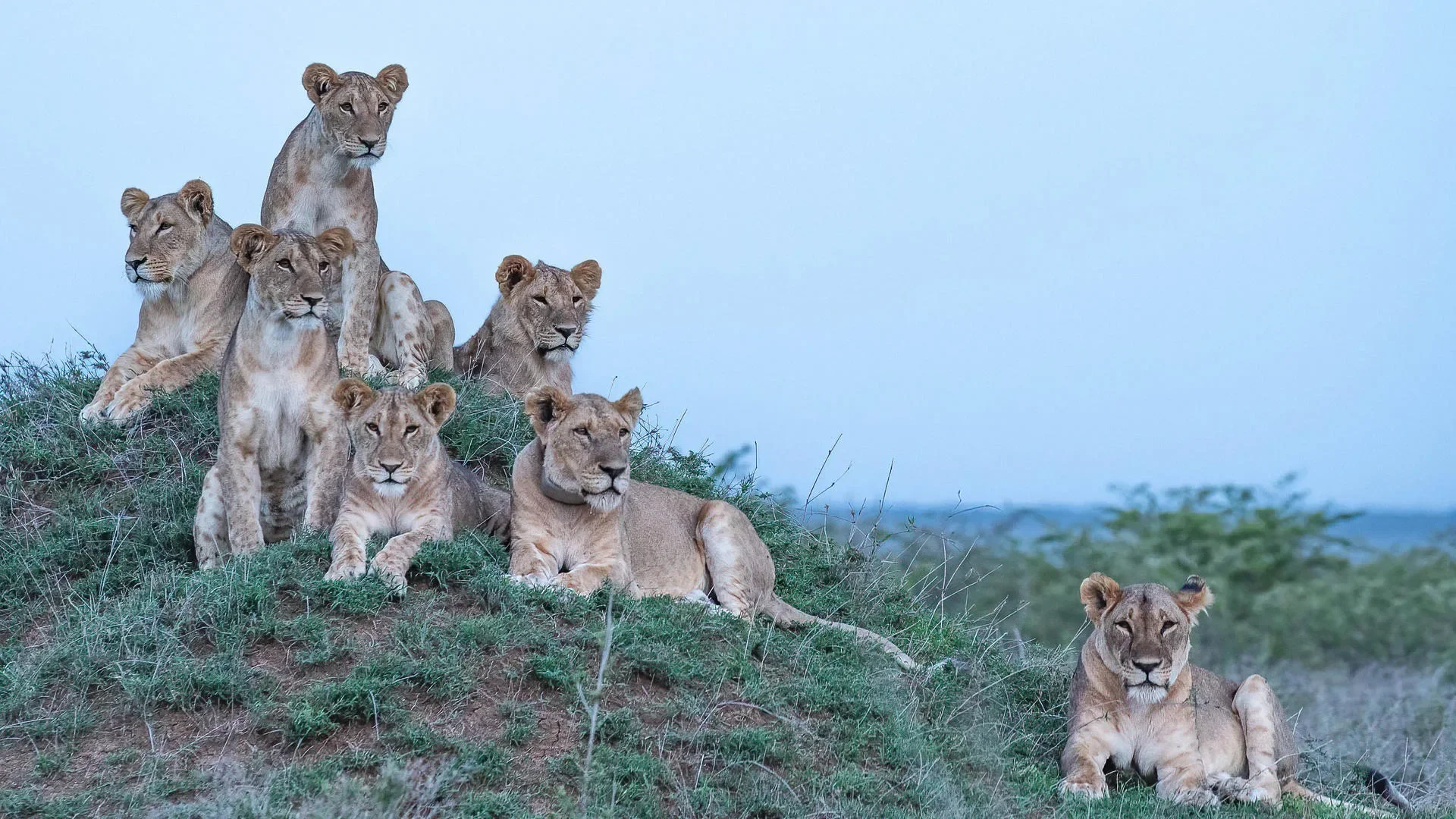
Luxury on safari is not about thread counts. It is about where you wake up, who guides you and the moments that take your breath away. This 8-day journey pairs Kenya's finest lodges with its most wildlife-rich destinations. Begin at the Fairmont The Norfolk in Nairobi, then head to Ol Pejeta Conservancy in Laikipia for three nights at Sanctuary Tambarare Camp, with rhino tracking, the endangered species enclosures and walking safaris with armed Maasai guides that bring you within metres of grazing zebra and giraffe. Fly to the Masai Mara for three nights at andBeyond Kichwa Tembo with a private guide who has tracked the resident lion prides for over a decade, big cat tracking, bush dinners under the Milky Way and an optional hot air balloon safari. Internal flights mean no long road transfers, and all house drinks and laundry are included.
From $9,800 /person
Inspirations Africa
Verified8-Day Kilimanjaro Climb via Lemosho Route
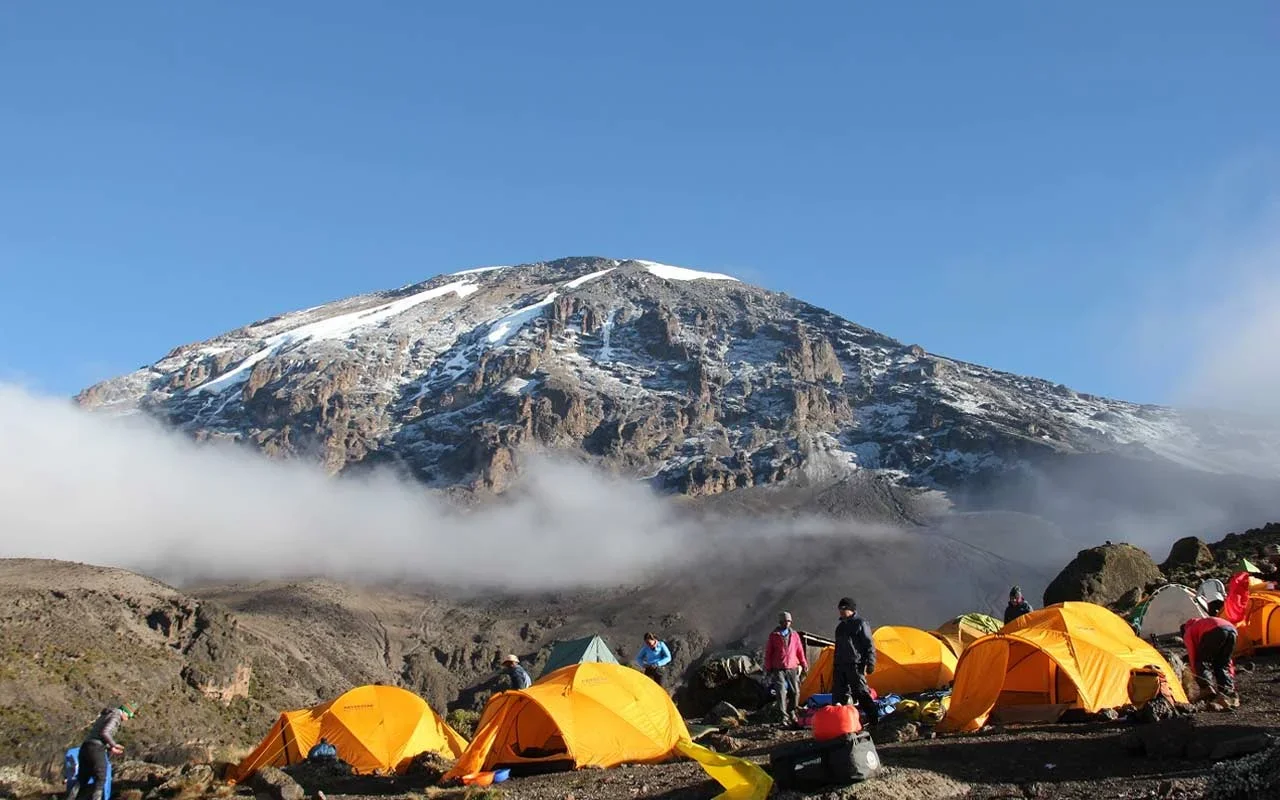
Widely regarded as the most beautiful approach to Kilimanjaro, the Lemosho Route starts on the quiet western side at Londorossi Gate and crosses rainforest, the Shira Plateau and the famous Barranco Wall scramble before summit night to Uhuru Peak at 5,895m. The 8-day profile gives one of the strongest acclimatisation schedules on the mountain, with a 95%+ summit success rate and fewer crowds than Machame or Marangu. Your climb is led by a licensed mountain guide with assistant guides at a 1:2 ratio, porters and a cook, with 4-season tents, portable toilet, pulse oximeter checks and all meals on the mountain. Two hotel nights in Moshi before and after the climb, plus airport transfers, are included. Good fitness is recommended; no technical climbing skills are needed.
From $2,650 /person
Inspirations Africa
Verified4-Day Fly-In Serengeti Safari by Bush Plane
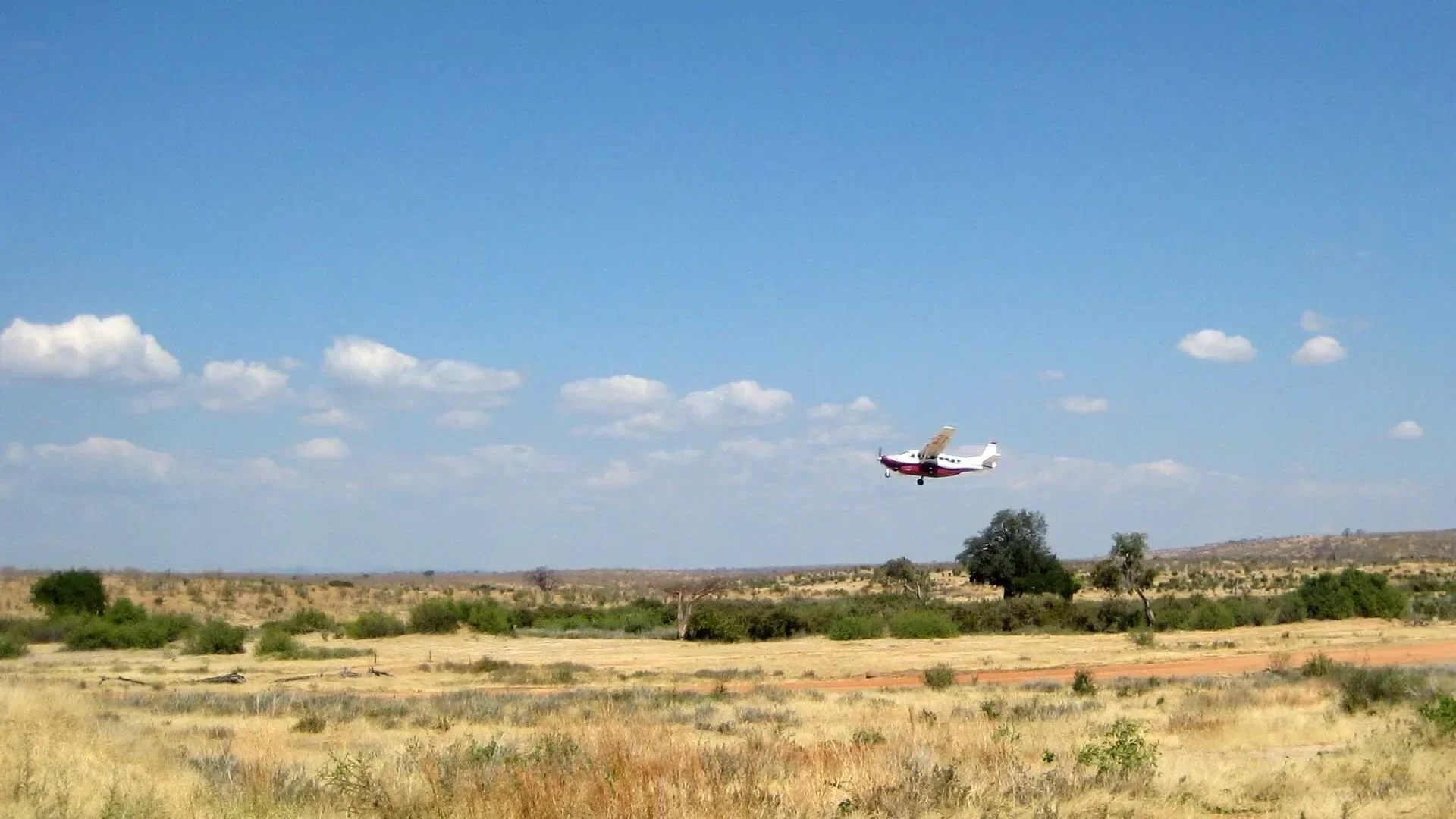
This fly-in safari eliminates the long overland drive from Arusha and gets you to the Serengeti in 90 minutes by bush plane. The flight itself is spectacular, soaring over the Ngorongoro highlands, the Great Rift Valley and the Serengeti's endless plains before landing on a grass airstrip. On the ground you enjoy unlimited game drives from a luxury camp positioned in the prime wildlife corridor: lions, leopards, cheetahs and, in season, the Great Migration herds. Three nights of full-board luxury, sundowners over the plains and a farewell bush dinner, then fly back to Arusha on the final morning. Ideal for travellers short on time who want maximum Serengeti with minimum transit.
From $3,450 /person
Inspirations Africa
Verified7-Day Great Migration Safari: Ngorongoro Crater & Serengeti
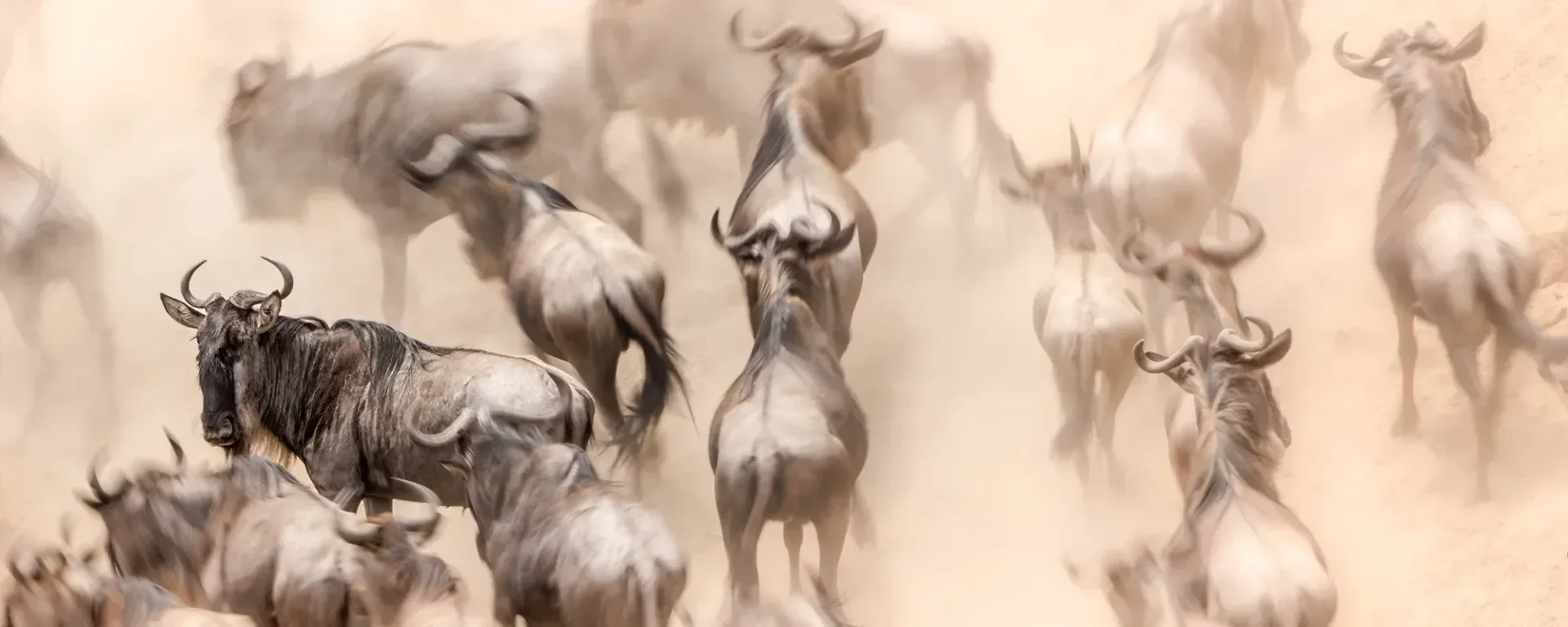
Over two million wildebeest, half a million zebra and hundreds of thousands of gazelle: the Great Migration is the largest overland movement of mammals on Earth, and this 7-day luxury safari puts you at its heart. Begin in Arusha, then descend into the Ngorongoro Crater for the Big Five in one of the world's most concentrated wildlife arenas. Continue to the Serengeti, where your guide tracks the herds by season: Mara River crossings with crocodile ambushes from June to October, or the southern calving grounds with 8,000 births a day from December to March. Luxury tented camps move with the herds so you are always in the right place, and between the mega-herds the Serengeti delivers Africa's finest predator action: lion prides, cheetah coalitions, leopards in sausage trees and hyena clans. Optional dawn hot air balloon safari available.
From $5,950 /person
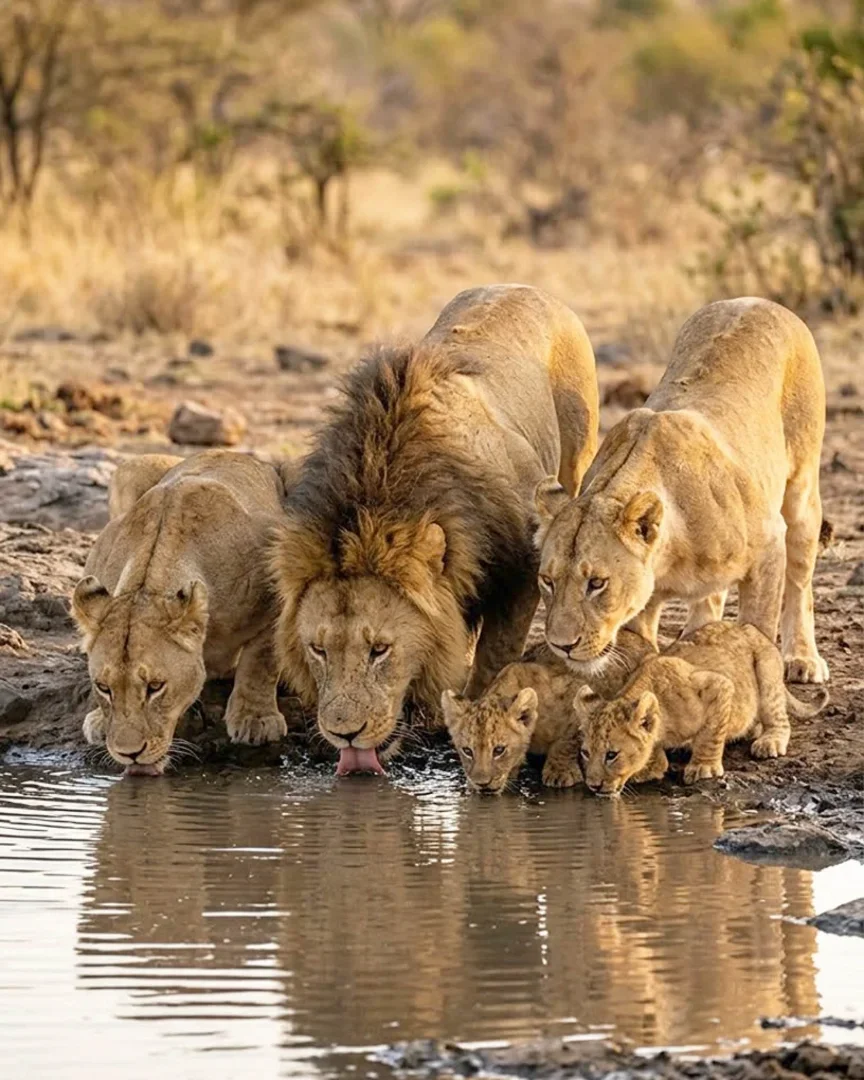
VELMARA SAFARIS
Verified8-Day Kenya & Tanzania Mid-Range Big Five Safari
Experience the raw beauty of East Africa on this eight-day journey through Kenya's most iconic wildlife destination. You'll spend your days in Amboseli National Park, where vast plains stretch beneath the snow-capped peak of Mount Kilimanjaro. This is prime territory for encountering Africa's Big Five, and you'll have excellent chances to spot elephants, lions, leopards, buffalo, and rhinos as they move across the landscape. Your safari combines game drives through diverse habitats with comfortable mid-range accommodation, striking the perfect balance between authentic wilderness experience and practical comfort. This adventure is designed for travelers who want genuine wildlife encounters without compromising on quality rest between days. You'll wake early for morning drives when animals are most active, then return to your lodge for a break before afternoon expeditions.
From $3,450 /person
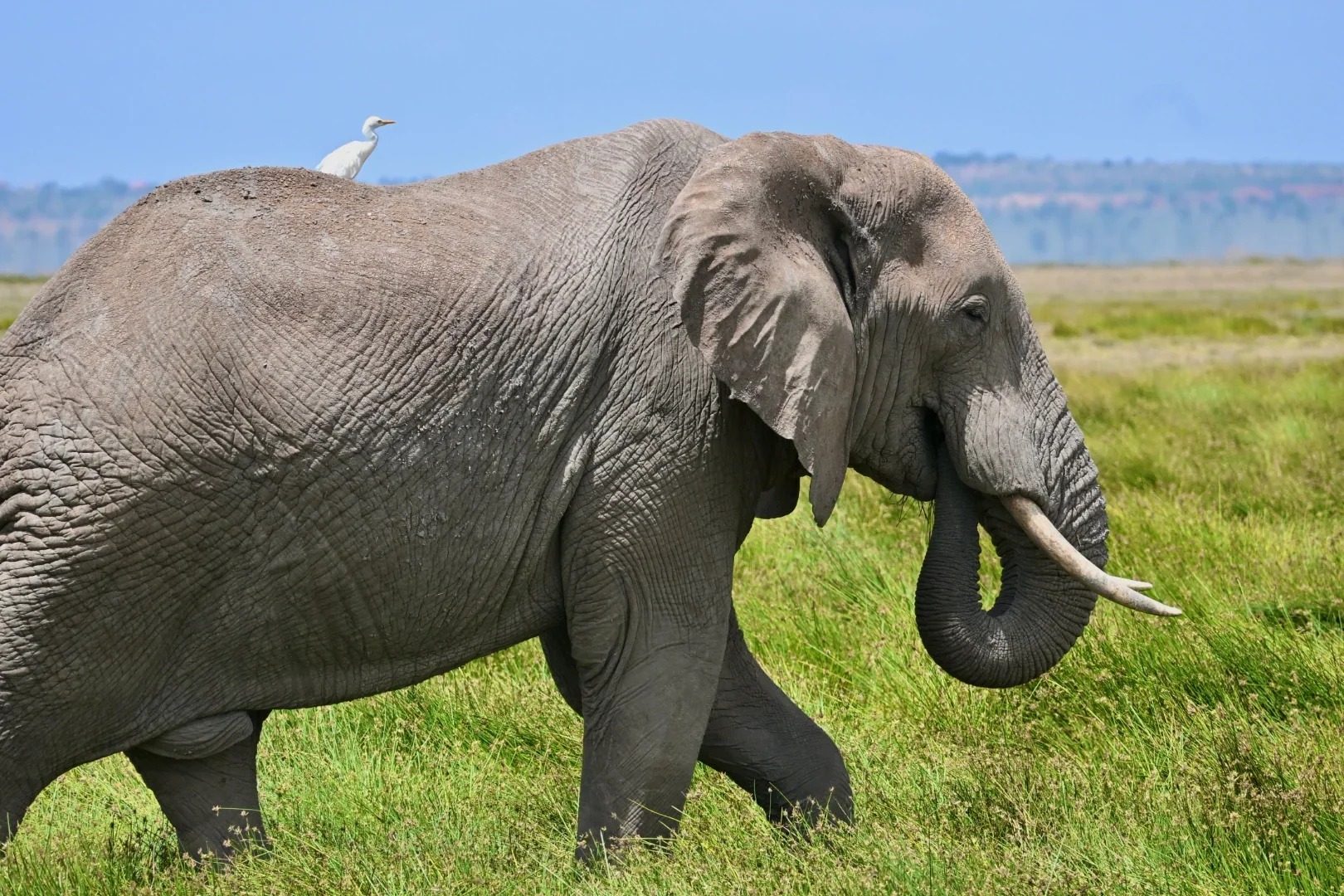
VELMARA SAFARIS
Verified6-Day Amboseli NP, Lake Nakuru & Masai Mara Luxury Tour
This six-day journey takes you through Kenya's most iconic landscapes, combining the raw beauty of Amboseli National Park with the birdwatching paradise of Lake Nakuru and the legendary wildlife abundance of Masai Mara. Each destination offers distinct ecosystems and unforgettable encounters with Africa's incredible fauna and flora. You'll experience the full spectrum of what makes Kenya a world-class safari destination, from intimate wildlife viewing to breathtaking scenery. Throughout your tour, you'll enjoy luxury accommodation at carefully selected lodges that blend comfort with authentic safari experiences. Early morning and afternoon game drives put you in prime position to spot the area's diverse wildlife, while expert guides share their deep knowledge of the ecosystems and animal behavior. This carefully crafted itinerary balances adventure with relaxation, ensuring you leave with memories that will last a lifetime.
From $2,700 /person
Where to go
Explore the destinations
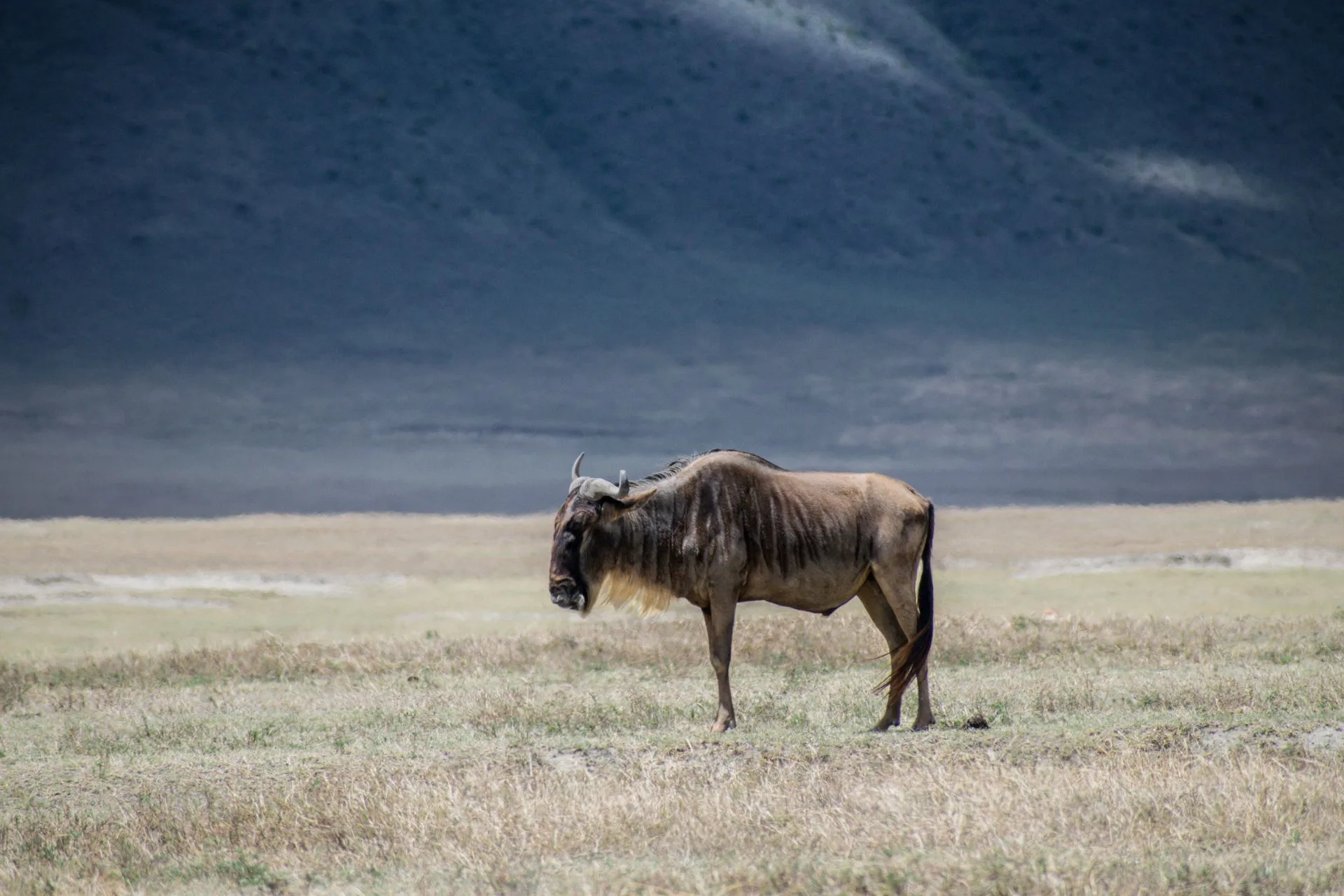 16 tours · 25 lodgesTanzaniaRoof of Africa & Beyond
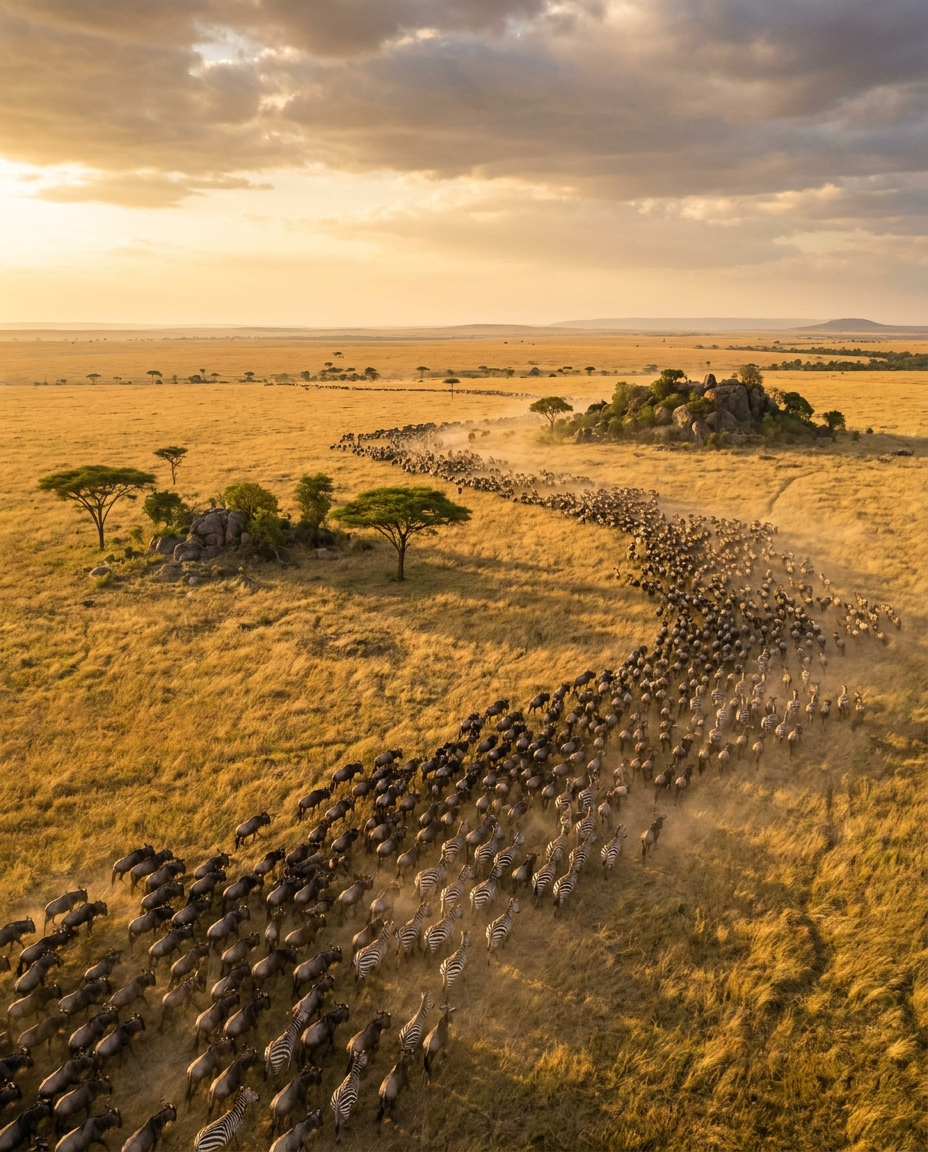 11 lodgesSerengeti National ParkDiscover Serengeti National Park
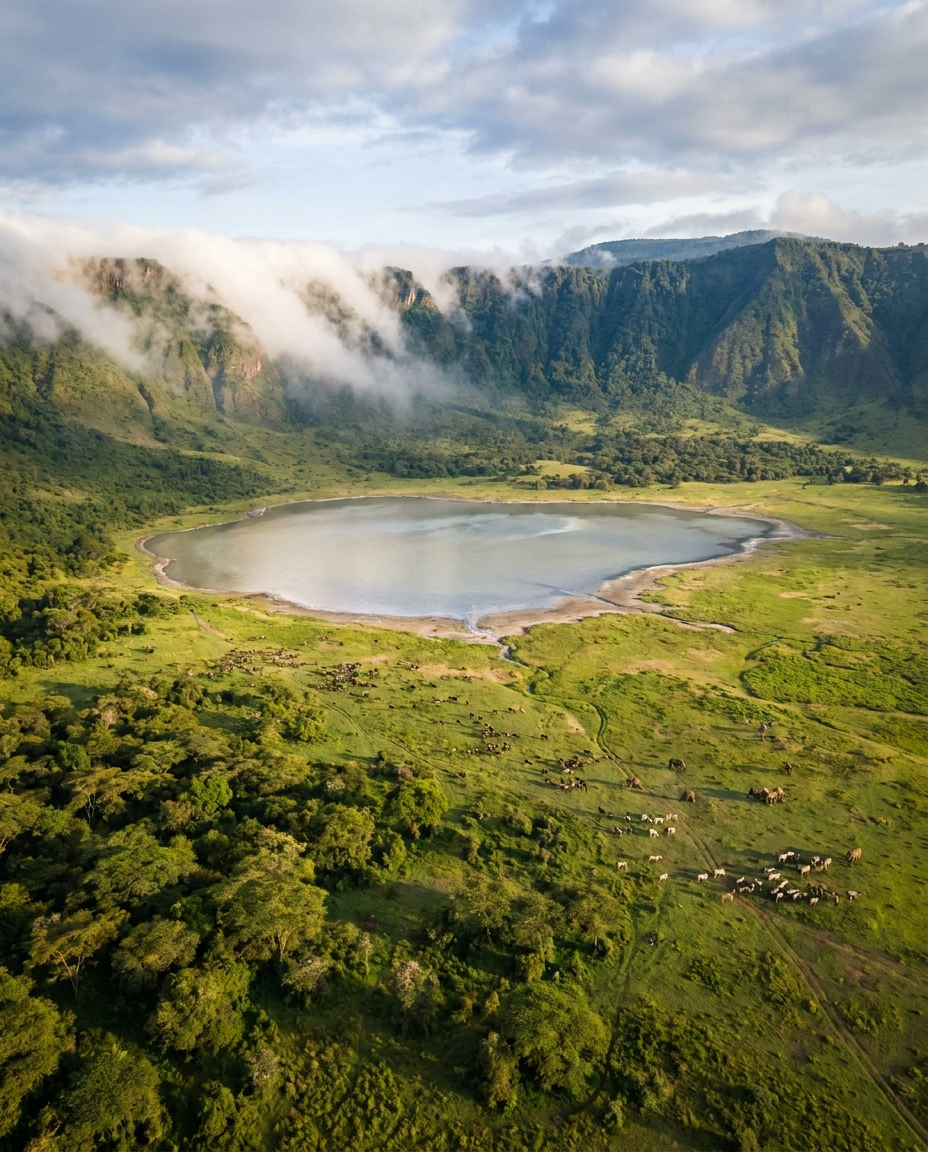 2 tours · 7 lodgesNgorongoro CraterDiscover Ngorongoro Crater
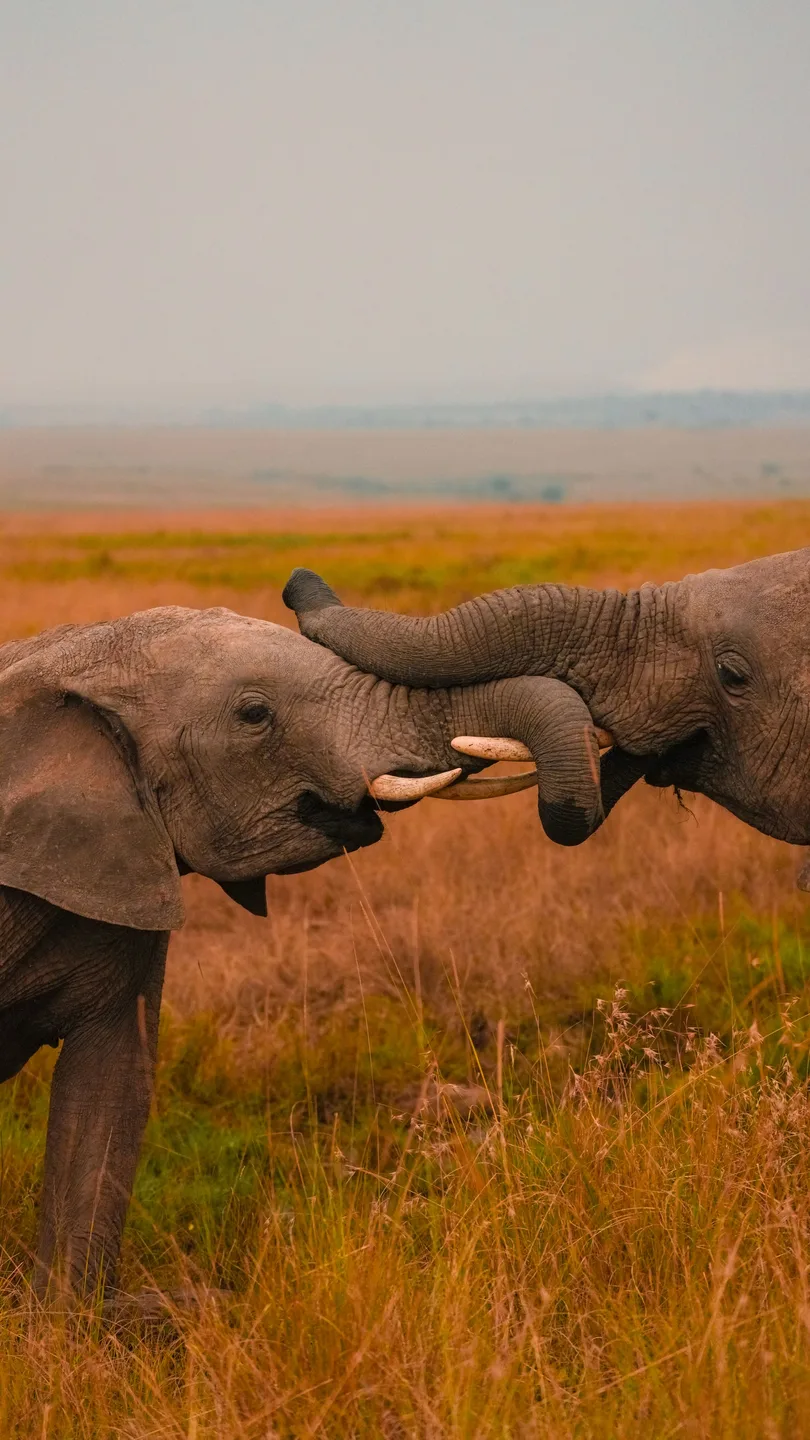 3 toursKenyaThe Original Safari
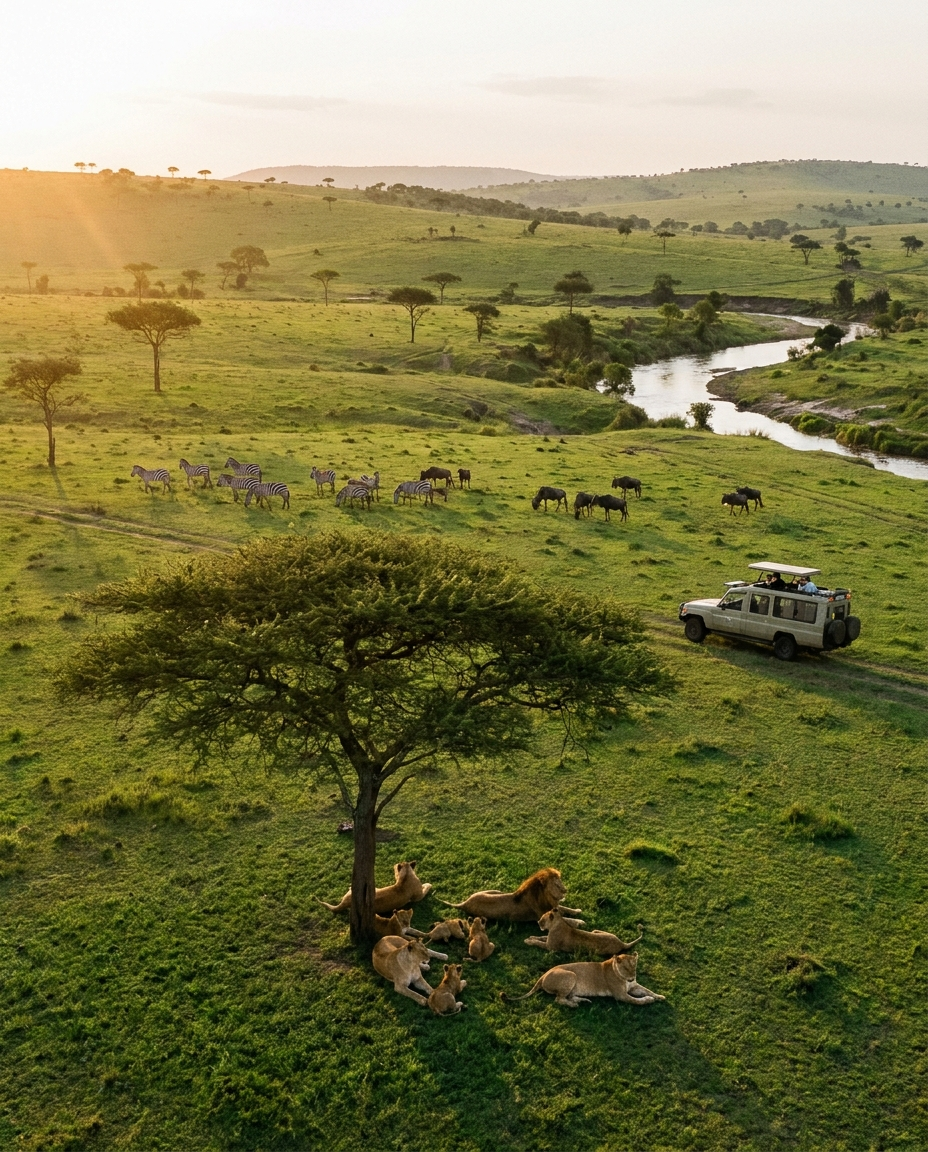 2 toursMasai MaraDiscover Masai Mara National Reserve
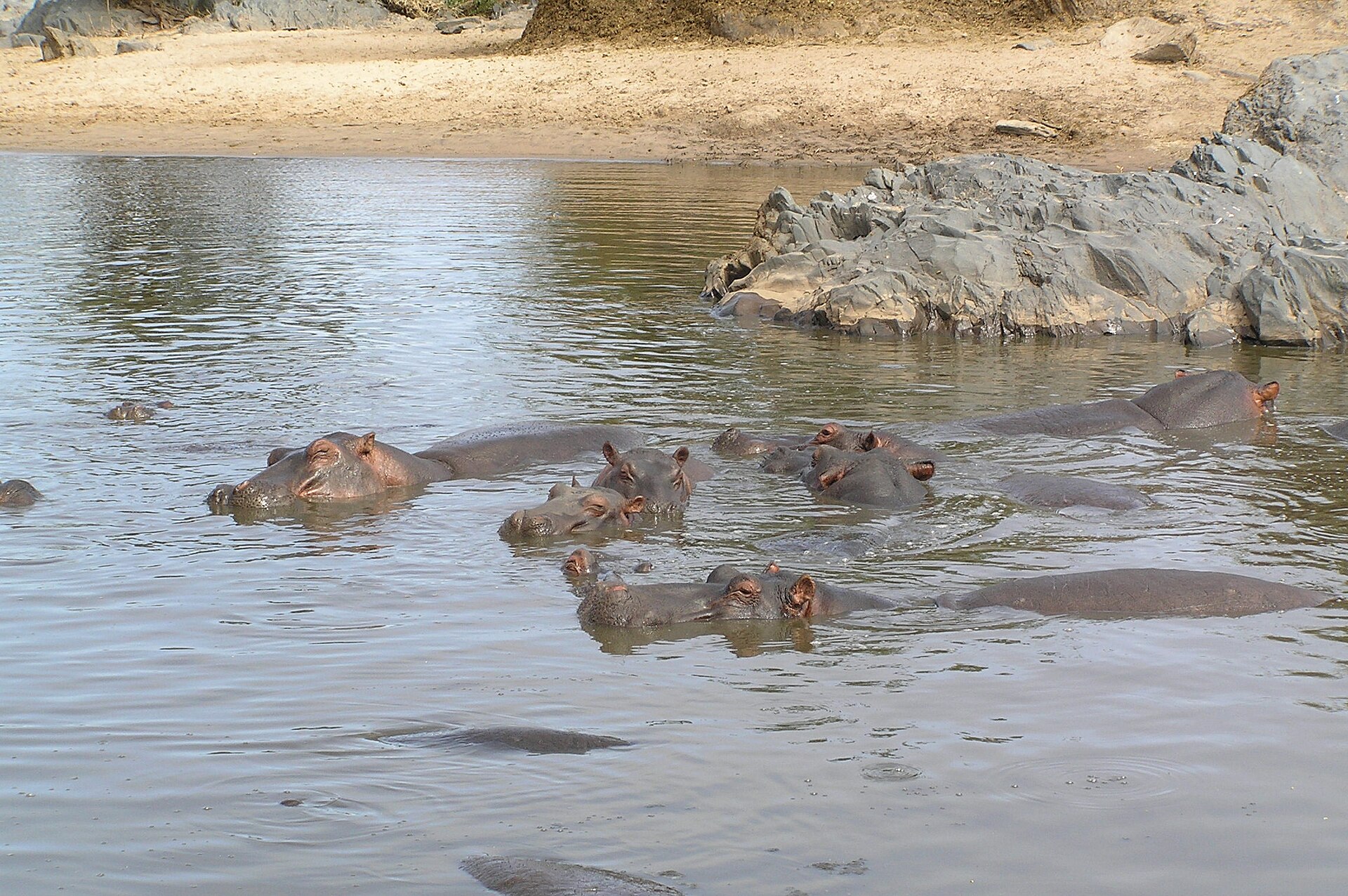 15 tours · 24 lodgesNorthern CircuitThe Classic Safari Route
Good to know
Frequently asked questions
What colours should I wear on safari?
Neutral earth tones — khaki, beige, olive, tan, and muted greens. Avoid bright colours, white, and black. Neutral colours help you blend into the environment, reduce heat absorption, and avoid attracting insects.
Do I need a visa for an African safari?
Most safari destinations require a visa. Kenya and Tanzania offer electronic visas applied for online before travel. Uganda and Rwanda also have online eVisas. South Africa is visa-free for most Western passport holders. Always check the latest requirements for your nationality well in advance.
Is malaria a risk on safari?
Malaria is present in most lowland safari areas of East and Southern Africa. Consult a travel health clinic 4–6 weeks before travel for prophylaxis advice. Prevention also involves DEET repellent, long sleeves at dusk and dawn, and sleeping under treated nets.
What size bag should I bring on safari?
For multi-lodge safaris using bush flights, use a soft-sided bag of no more than 15kg (33 lbs). Small charter aircraft have strict weight and size limits, and rigid suitcases do not fit in the holds. A 70–90L soft duffel bag is ideal.
Do I need a yellow fever vaccination card for safari?
Uganda and Rwanda require proof of yellow fever vaccination for all visitors. Several other countries require it if you are arriving from a yellow-fever endemic country. Carry the physical yellow card — not just a digital copy.
What camera lens do I need for wildlife photography?
A telephoto lens of at least 200mm is needed for wildlife photography. A 100–400mm or 150–600mm zoom lens is ideal — it gives versatility from medium distances (elephants near the vehicle) to distant animals. A monopod helps stabilise longer lenses on bumpy drives.
Plan with local experts
Ready to Book Your Safari?
Browse thousands of verified tours and lodges across Africa.